









Chinoiserie Delftware Wall Plate
A chinoiserie delftware wall plate brings tin-glazed earthenware and hand-painted blue and white scenes into a room with seventeenth and eighteenth century character.
Chinoiserie Delftware Wall Plate
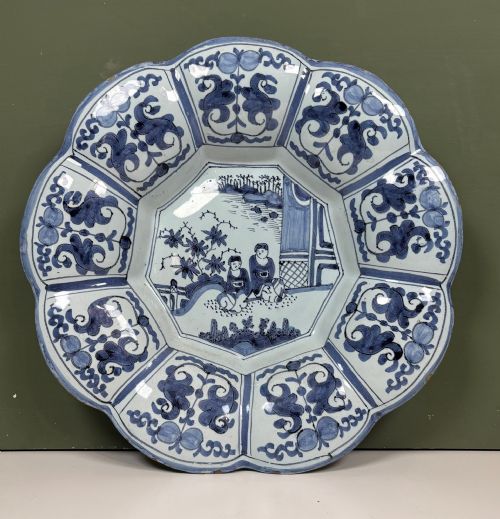
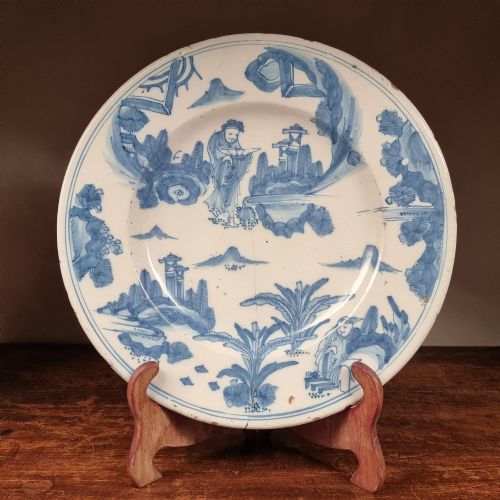
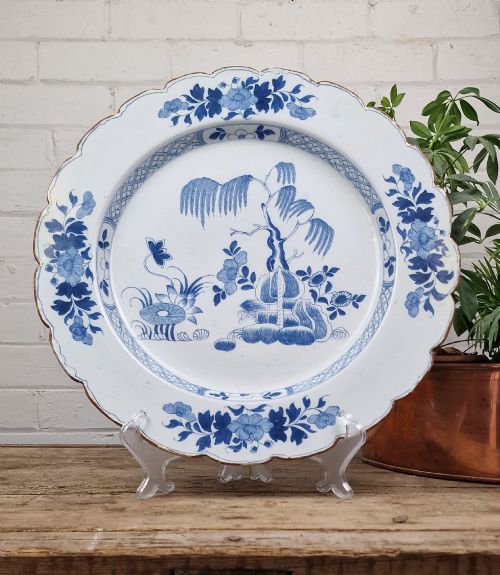
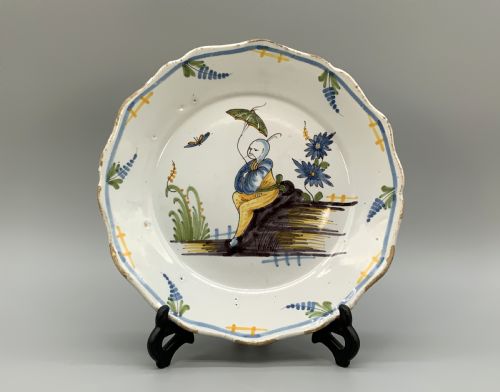
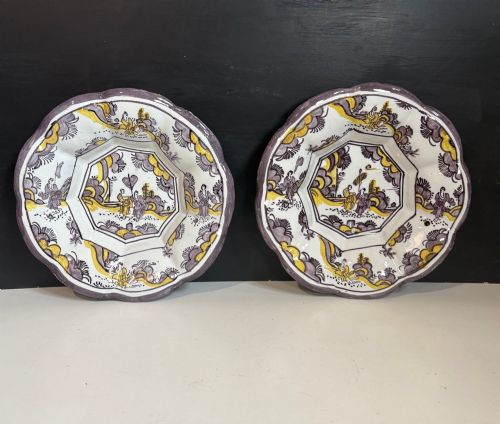
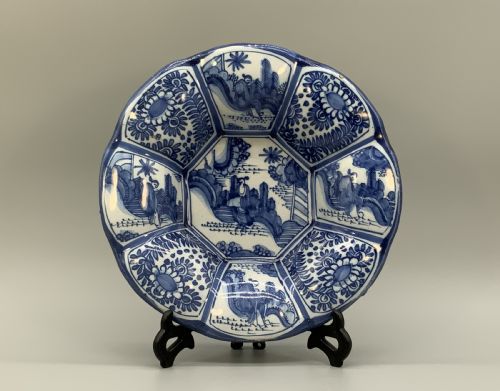
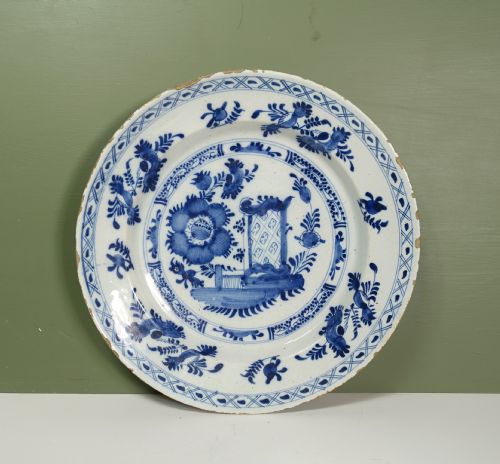
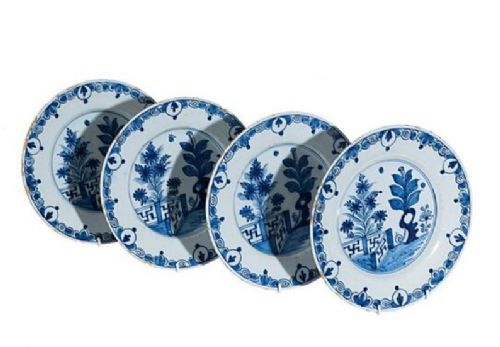
When you search for a chinoiserie delftware wall plate, you encounter decorative plates, chargers, dishes, and platters spanning seventeenth-century origins through the eighteenth century. These pieces display distinct forms ranging from lobed dishes to large chargers and standard plates.
The objects frequently present stylistic influences from Dutch Baroque, eighteenth-century Dutch delftware, and seventeenth-century Kraak style. English and French potteries also produced these items, recording diverse regional interpretations of Oriental themes across the centuries.
Most examples you meet on this page originate from the eighteenth century, featuring hand-painted floral decoration and Chinese-inspired motifs. The selection includes individual chargers, pairs, and sets of varying diameters designed for wall display.
Materials and Manufacture
Potters constructed these items using earthenware covered in a distinctive tin glaze that provided an opaque white surface for subsequent painting. Artisans then applied cobalt pigment or manganese and yellow colours directly onto the unfired glaze.
The decoration was executed entirely by hand, resulting in spirited brushwork that depicts floral elements and Chinese-inspired scenes. Kiln firing fused the metallic oxides with the tin glaze to produce the characteristic glossy finish seen on these ceramic bodies.
Chinoiserie Delftware Wall Plate Retail Price Guide 2026
Typical asking prices for chinoiserie delftware wall plate among the pieces listed under this phrase on Sellingantiques today, from the lower quarter to the upper quarter. They describe what is for sale here now, not the wider market.
Potters occasionally left accidental thumbprints in the wet tin glaze near the foot ring, offering a silent greeting across three centuries.
Assessing Quality and Execution
Quality separates across the precision and fluidity of the hand-painted brushwork applied to the tin glaze. Finer examples display confident cobalt pigment execution and carefully balanced Chinese-inspired compositions rather than hasty strokes.
The depth and consistency of the tin-glazed earthenware surface also distinguish the standard of the ceramic body. Better specimens maintain an even glaze coverage that complements the polychrome or blue and white palette.
The Chinoiserie Delftware Wall Plate Glossary
- Tin-glazed earthenware
- Earthenware pottery covered with a white tin oxide glaze that creates an opaque canvas for painted decoration. This technique forms the foundation of all traditional delftware production.
- Charger
- A large decorative plate traditionally intended for display on a wall or dresser rather than everyday dining use. These substantial vessels often measure significantly wider than standard table plates.
- Chinoiserie
- European artistic interpretations of Chinese and East Asian decorative styles, frequently featuring imaginary landscapes, figures, and floral motifs. Artisans adapted these oriental designs onto local ceramic forms.
- Kraak style
- A specific Chinese porcelain aesthetic characterised by panelled borders and central landscape or floral motifs. Seventeenth-century European delftware makers frequently copied these imported designs.
- Polychrome
- Decoration utilising multiple colours in contrast to single-colour blue and white painting. In delftware, this typically involves manganese, yellow, and other pigments alongside cobalt.
Chinoiserie Delftware Wall Plate: Frequently Asked Questions
How do I hang a heavy charger?
Wall display requires a secure wire hanger designed specifically for large ceramic plates and deep chargers. Ensure the hardware grips the rim firmly without putting pressure on historic glaze.
Position the piece away from direct sunlight and areas subject to sudden temperature shifts to protect the earthenware body.
Were these plates used for dining?
Larger chargers served primarily as decorative items or for ceremonial display on sideboards in prosperous homes. Standard plates saw occasional table use, though many survived precisely because people valued them as ornamental objects.
The soft tin glaze scratches relatively easily with metal cutlery, which encouraged their preservation on walls and dressers.
How can I tell English from Dutch pieces?
English potteries such as those in Lambeth or Bristol often developed distinct colour tones and glaze characteristics compared to their Dutch counterparts. Examining the foot ring and the specific shade of the cobalt pigment provides clues to regional origin.
Archive records and stylistic details also help separate eighteenth-century English output from continental European faience.
What causes crazing on the glaze?
Crazing occurs when the ceramic body and the tin glaze contract at slightly different rates over centuries of atmospheric changes. This network of fine lines is a normal characteristic of antique tin-glazed earthenware rather than a structural fault.
Stable indoor environments help prevent further stress on the historic ceramic material.