




Chinoiserie Decorative Plate
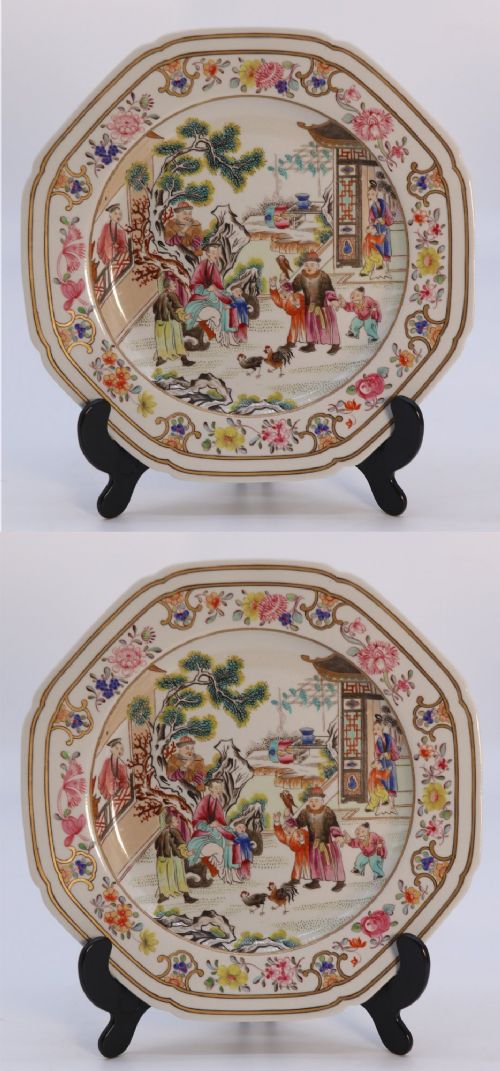
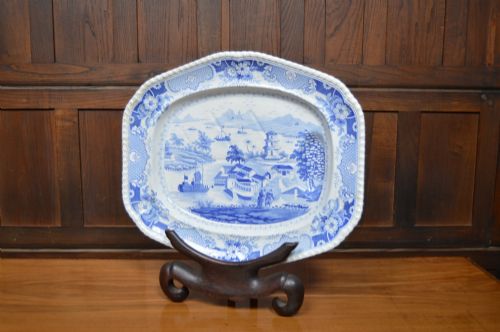
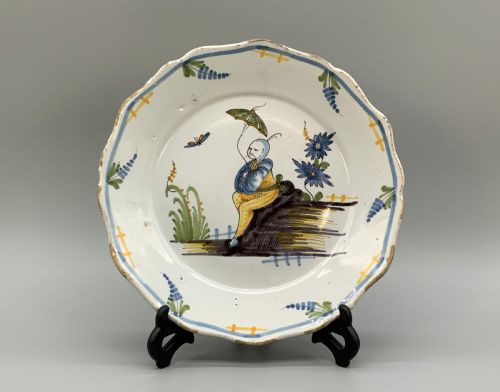
These chinoiserie decorative plate examples bring Eastern-inspired motifs into European ceramic forms, prized for their elaborate painted scenes and historic character.
Chinoiserie Decorative Plate
A chinoiserie decorative plate combines European ceramic bodies with fanciful Asian-inspired imagery, capturing centuries of cross-cultural design. These pieces range from substantial chargers to delicate cabinet plates.
Forms include large display platters and octagonal dessert services, reflecting both utilitarian dining and pure display. The visual language draws heavily on imagined landscapes and exotic birds.
Materials and execution
Makers utilised durable ironstone, refined porcelain, and porous earthenware as foundations for intricate hand-painted or transfer-printed decoration. Tin-glazed earthenware provided a smooth white ground ideal for early polychrome painting.
Enamel pigments and occasional gold leaf were applied over or under the glaze, then fired to secure the vibrant colour palette. Transfer printing allowed complex blue and white patterns to transfer seamlessly across curved surfaces.
Exotic birds peer out from bright yellow and orange ironstone grounds, bringing mischievous seventeenth-century fantasies straight onto Victorian dining tables.
Judging quality
Quality rests in the crispness of the painted or printed line and the depth of the glaze. Early examples show hand-mixed pigments with subtle tonal variations across the surface.
The complexity of the composition and the richness of the palette, particularly on ironstone grounds, separate standard production from superior work.
Spode Stone China·Worcester Barr Flight And Barr·John Ridgway·Masons Patent Ironstone·Minton Chinese Marine
The Chinoiserie Decorative Plate Glossary
- Chinoiserie
- European decorative art reflecting Chinese artistic influences. This style interprets Asian motifs through a Western lens.
- Charger
- A large decorative plate or platter. These pieces were primarily intended for display on buffets or walls.
- Ironstone
- A heavy, durable type of earthenware patented in England. It resists chipping better than standard porcelain.
- Tin-glazed earthenware
- Pottery coated with a tin oxide glaze to create an opaque white surface. This technique allows for bright painted decoration.
- Transferware
- Ceramics decorated by transferring a printed design from a copper plate onto the clay body. This innovation enabled mass production of detailed blue and white scenes.
Chinoiserie Decorative Plate: Frequently Asked Questions
What is a chinoiserie plate?
It is a ceramic plate decorated with European interpretations of East Asian artistic styles and landscapes. These objects combine traditional Western forms with imaginative oriental motifs.
Potters across the eighteenth and nineteenth centuries produced these items in various sizes, ranging from small dessert plates to large wall-hanging chargers.
How were these plates used?
Many large chargers and cabinet plates served decorative roles on sideboards or walls rather than dining utility. Smaller sets accommodated formal dessert courses or specialised dining functions.
Their robust ironstone and porcelain composition allowed them to survive centuries of handling, though display remains their primary modern purpose.
How do I date a ceramic plate?
Dating relies on identifying maker marks, ceramic bodies, and stylistic shifts between Georgian and Victorian periods. Ironstone and specific transfer patterns offer precise manufacturing windows.
Examine the glaze texture and the foot rim for clues regarding the period of manufacture and the kiln technology used.
Are these plates safe for food?
Historic pieces often feature glazes that do not meet modern culinary safety standards. Historic ceramics are best reserved for display.
Displaying them on plate stands or wall mounts protects the fragile enamels and historic surfaces from accidental damage.