



Spode Ceramic Platter
These spode ceramic platter examples bring nineteenth-century British earthenware and porcelain right to the table.
Spode Ceramic Platter
A spode ceramic platter is a serving vessel produced across Georgian and Regency periods up into the twentieth century. These items include meat plates, transfer print meat platters, and large serving dishes shaped for dining use.
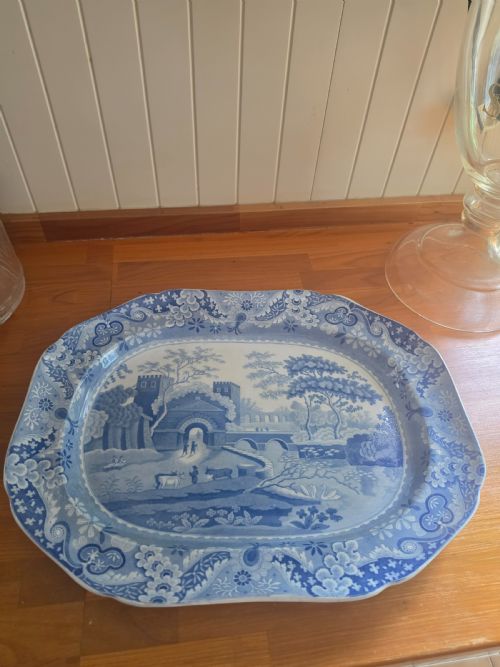
The version most commonly met on this page is the large blue and white transfer printed earthenware meat platter dating from around eighteen hundred to eighteen thirty. Such pieces often feature named topographical views, oriental motifs like Lanje Lijen, or architectural scenes such as the Bridge of Lucano.
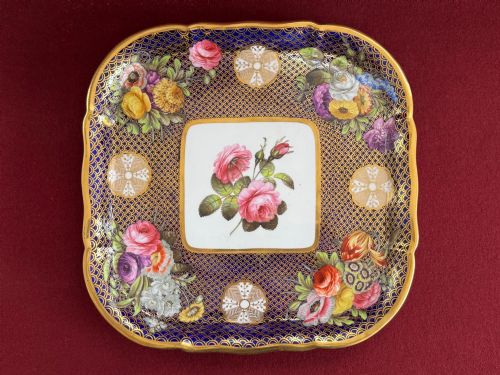
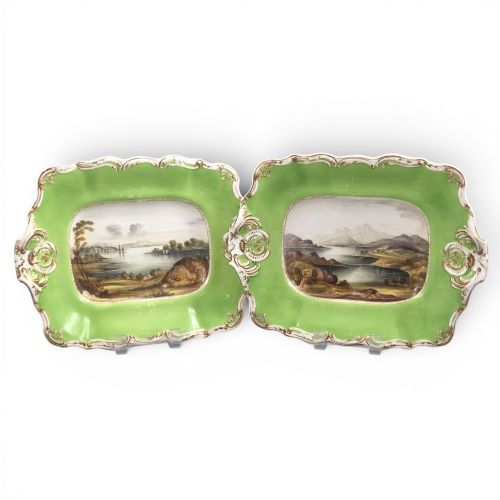
Buyers also encounter finer porcelain variations, including felspar porcelain dishes and hand-painted cabinet plates from later periods. Copeland and Garrett productions from the eighteen thirties frequently appear alongside earlier Spode works.
How they were made
Potters shaped these serving vessels from earthenware, pearlware, and porcelain before applying detailed blue and white transfer printing or hand-painted enamel decoration. Selected pieces incorporate gold leaf and gilt highlights to enrich the ceramic surface.
A clear glaze seals the body and fixes the underglaze transfer print during high-temperature kiln firing. Makers such as Copeland and Garrett refined these chemical and thermal processes to produce durable servingware and refined cabinet plates.
Spode Ceramic Platter Retail Price Guide 2026
Typical asking prices for spode ceramic platter among the pieces listed under this phrase on Sellingantiques today, from the lower quarter to the upper quarter. They describe what is for sale here now, not the wider market.
Listings span Georgian, Regency, and nineteenth-century periods, utilising earthenware, pearlware, and porcelain.
What varies in quality
Quality rests in the crispness of the blue and white transfer print and the balance of the ceramic form. Finer platters display precise registration without blur, while lesser examples show smudged printing lines.
The choice of body material also elevates a piece, moving from standard earthenware to felspar porcelain or hand-painted porcelain. Richer enamel palettes and intact gold leaf or gilt detailing separate standard utility wares from high-status display items.
Spode·Copeland and Garrett
The Spode Ceramic Platter Glossary
- Transfer print
- A method where a design is engraved on a copper plate, inked, transferred to tissue paper, and rubbed onto the ceramic surface before glazing. This technique allowed factories to produce complex patterns consistently across multiple meat plates and serving platters.
- Pearlware
- A refined earthenware developed in the late eighteenth century featuring a subtle bluish glaze that pooled in recesses to mimic Chinese porcelain. It forms the base body for many early nineteenth-century blue and white dishes.
- Felspar porcelain
- A patented ceramic body introduced by Spode containing Cornish stone, which increased the whiteness and translucency of the porcelain. It provided a stable surface for detailed painting and gilding on large dishes.
- Sauce tureen stand
- A small, often oval serving plate designed to sit beneath a matching tureen to catch drips during table service. These stands frequently share the same transfer-printed patterns as larger platters.
- Gilt
- A thin layer of gold applied to the rim or border of porcelain dishes for decorative effect. It indicates a piece intended for display or formal dining rather than heavy daily kitchen use.
Spode Ceramic Platter: Frequently Asked Questions
What were spode ceramic platters used for?
These large vessels served joints of meat, poultry, and fish at formal dining tables throughout the nineteenth century. Smaller versions acted as sauce tureen stands or decorative dishes.
Their robust earthenware and porcelain construction allowed them to withstand heavy daily use in grand households before transitioning to display pieces.
How do I date a spode ceramic platter?
Dating relies on body material, backstamps, and the style of the transfer print. Early nineteenth-century pieces often use pearlware bodies with Georgian architectural or oriental views.
Later items from the eighteen thirties frequently carry Copeland and Garrett marks or feature floral and scenic series associated with that partnership.
Are all spode ceramic platters blue and white?
While blue and white transfer printing dominates the available inventory, polychrome examples do exist. Some pieces feature hand-painted enamel colours combined with gold leaf or gilt borders.
Porcelain cabinet plates from the eighteen thirties often showcase floral or Scottish landscape views painted directly onto the white ground.
How should I care for an antique platter?
Antique ceramics require gentle hand washing in warm water with mild soap. Avoid dishwashers and harsh scrubbers that can damage the historical glaze, transfer print, or gilt edges.
Display them securely using padded plate hangers or stable stands to protect the rims from chipping.