






Chinoiserie Accent Table
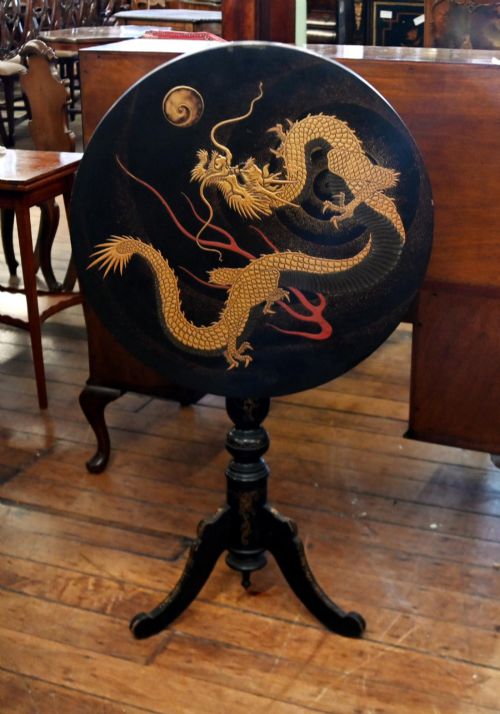
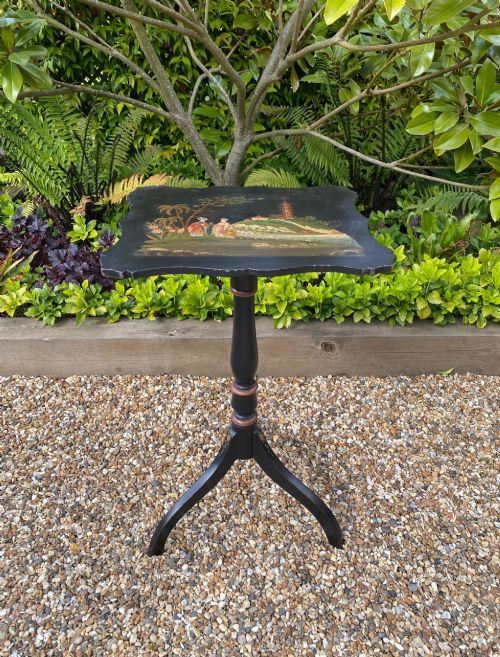
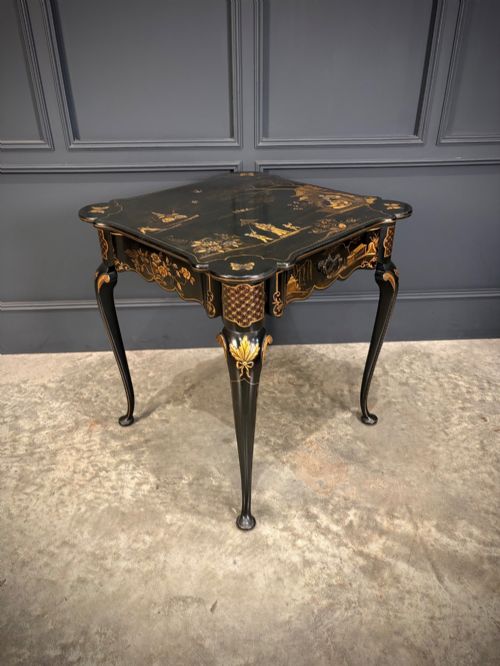
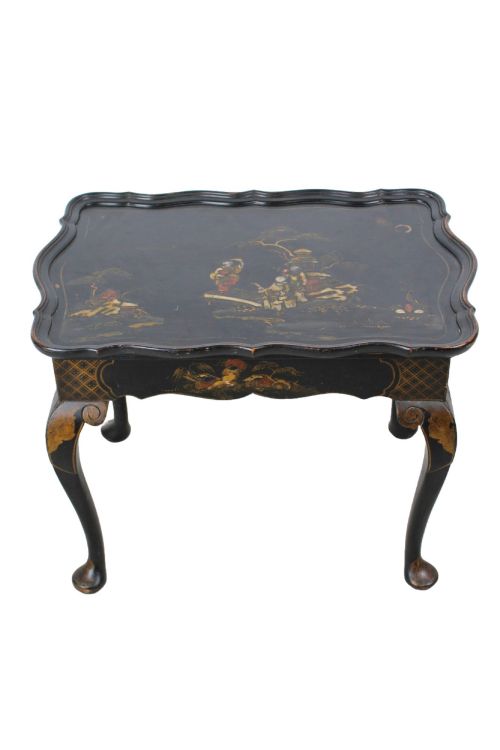
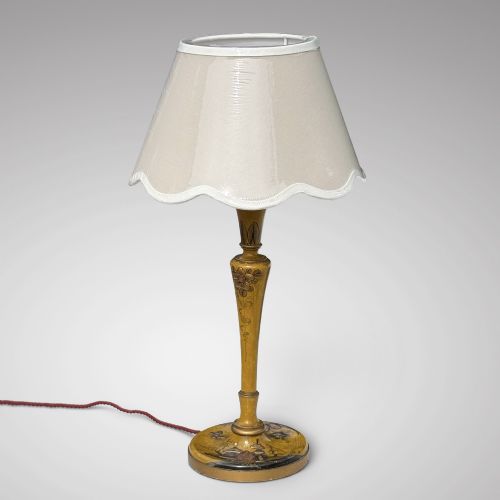
These chinoiserie accent table pieces bring hand painted lacquer, gilded detail and oriental motifs into a room.
Chinoiserie Accent Table
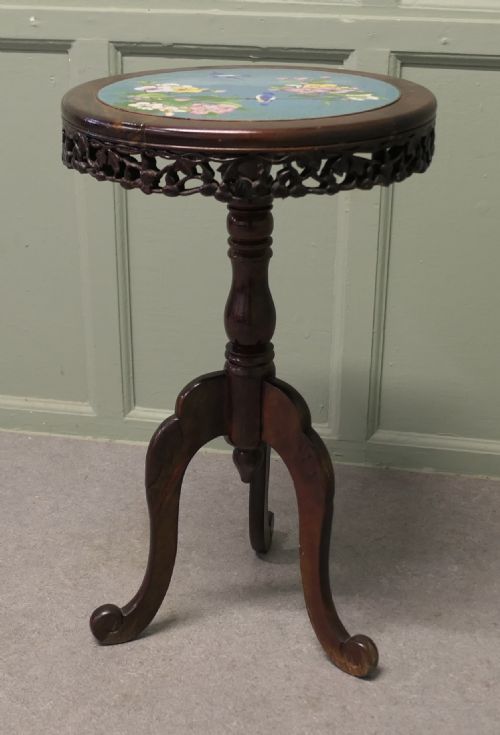
A chinoiserie accent table delivers decorative surface pattern inspired by Asian motifs across compact furniture forms. Buyers seeking this style will encounter side tables, occasional tables, coffee tables and nest of tables designed for small spaces.
The pieces span several periods, from eighteenth century George III and Sheraton designs to nineteenth century Victorian and Regency examples, alongside early twentieth century Edwardian and nineteen thirties items. Side tables and low lamp tables appear frequently among the listings.
Materials and Construction
Construction relies upon hardwood, bamboo and constructed wood panels finished with layers of lacquer. Surfaces receive hand painted decoration augmented by gold leaf, gilt and painted details depicting figures, birds and floral scenes.
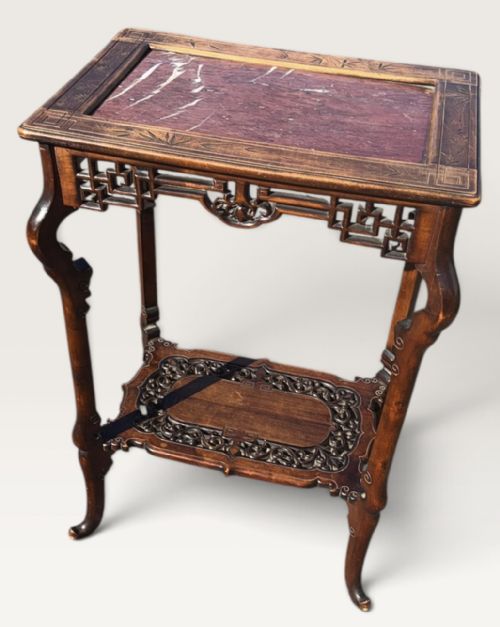
Detailing incorporates brass mounts, marble tops and occasional Boulle-work inlay alongside faux bamboo turnings. The application of lacquer and gold pigment creates the smooth, reflective finish characteristic of these works.
Chinoiserie Accent Table Retail Price Guide 2026
Typical asking prices for chinoiserie accent table among the pieces listed under this phrase on Sellingantiques today, from the lower quarter to the upper quarter. They describe what is for sale here now, not the wider market.
Judging Quality
Quality rests upon the depth of the lacquer finish and the precision of the hand painted motifs. Pieces displaying crisp brushwork and well preserved gold leaf demonstrate superior craftsmanship compared to simpler decorative applications.
Structural integrity of the wood, bamboo or tripod supports dictates the standard of the piece. Well executed joinery and intact marble inserts or brass fittings distinguish finer examples from standard production.
Gabriel Viardot
The Chinoiserie Accent Table Glossary
- Chinoiserie
- European decorative style imitating Chinese and East Asian artistic traditions. It manifests in painted lacquer furniture and decorative accessories.
- Lacquer
- A durable resin finish applied in multiple coats to wood surfaces. It provides a smooth, glossy base for painted and gilded ornamentation.
- Japonisme
- Nineteenth century Western interest in Japanese art and design. This influence appears in certain decorative tables and furnishings.
- Boulle-work
- Inlay technique utilising tortoise-shell, brass and other materials. It adorns select nineteenth century black lacquer tables.
- Tripod Table
- A small freestanding table supported by three legs. This form appears frequently among nineteenth century side tables.
Chinoiserie Accent Table: Frequently Asked Questions
How do I style a chinoiserie accent table?
Place a small side or occasional table beside a neutral sofa to let the painted lacquer and gold detail stand out. Keep surface items minimal to showcase the hand painted artwork.
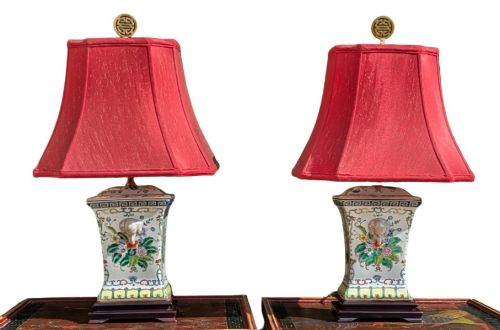
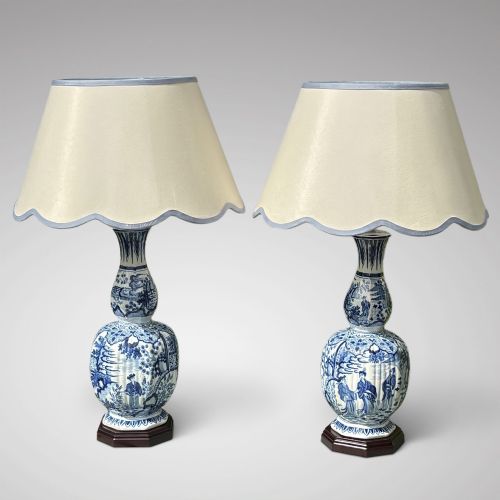
Combine the table with simple modern lamps or plain ceramics to balance the ornate oriental decoration.
Are these tables suitable for daily use?
Most occasional and side tables function well for everyday placement of lamps or small items. Use coasters to protect the lacquer surface from moisture and heat.
Avoid placing lacquered furniture in direct sunlight to prevent fading of the gold leaf and painted pigments.
What is the difference between Regency and Victorian pieces?
Regency examples often feature faux bamboo turnings, papier-mâché trays or clean classical lines reflecting early nineteenth century taste. Victorian pieces tend towards heavier proportions and more ornate surface decoration.
Both styles utilise black or red lacquer grounds with detailed hand painting.