






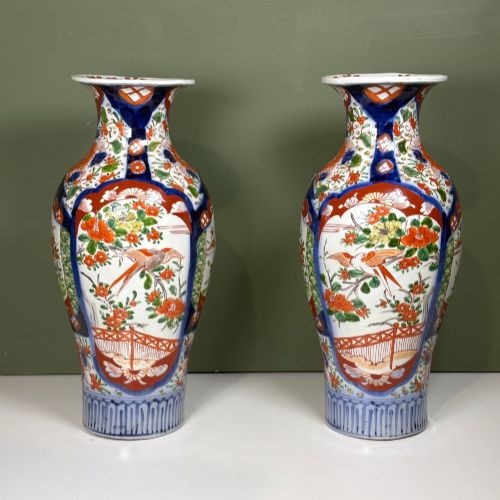
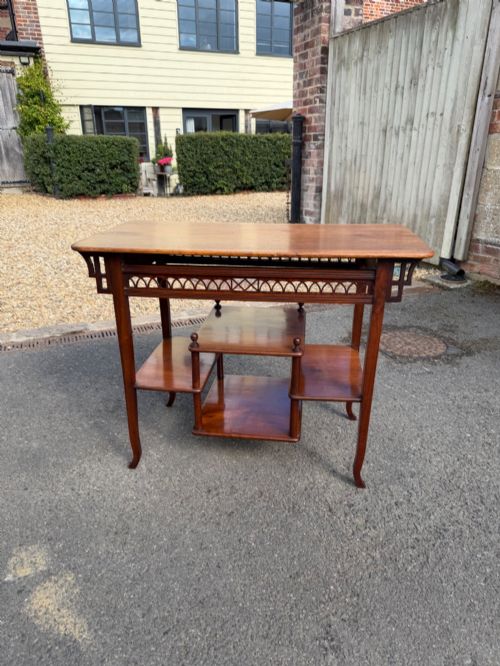
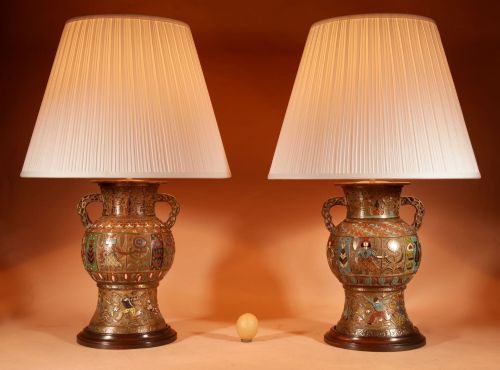
Antique Japanese Table
An antique japanese table brings distinct Meiji period craftsmanship and rich lacquer or bronze work directly into domestic spaces.
Antique Japanese Table
The term antique japanese table encompasses low tea surfaces, sake stands, and occasional tables originating from the late nineteenth and early twentieth centuries. Many examples reflect cross-cultural dialogues, incorporating British Aesthetic Movement and Anglo-Japanese sensibilities alongside traditional forms.
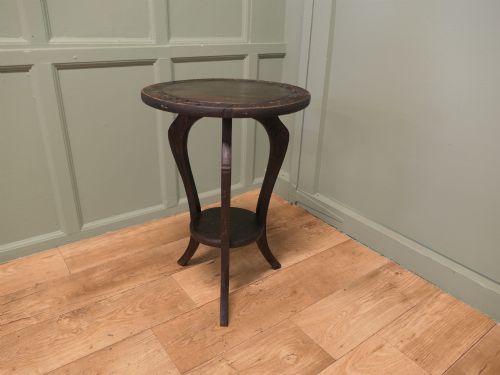
Buyers frequently encounter compact lacquer cabinets, nesting tables, and plant stands designed for display rather than heavy dining. These pieces utilise hardwoods, bamboo, and carved elements to create functional display surfaces for domestic interiors.
Materials and Construction
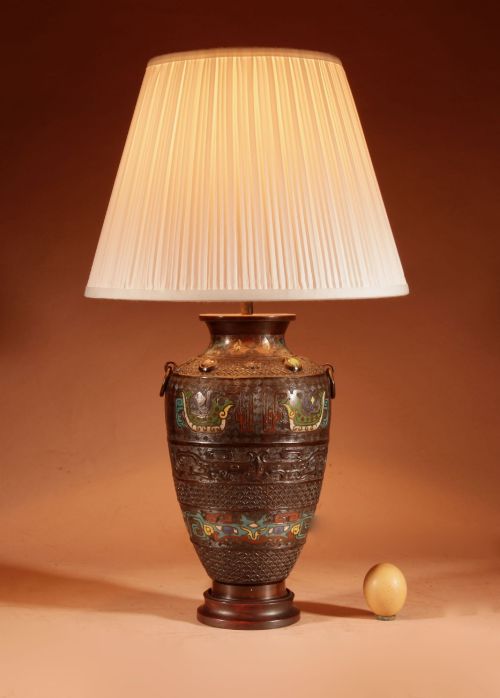
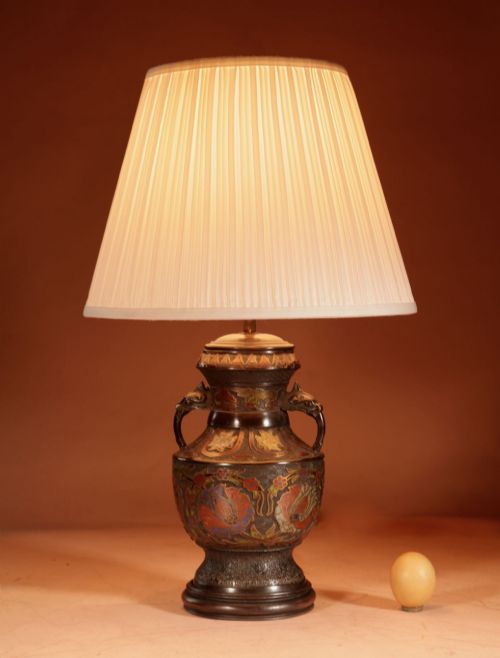
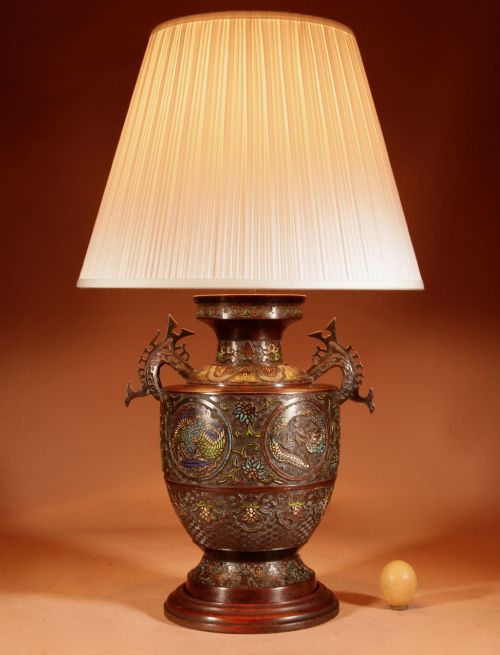
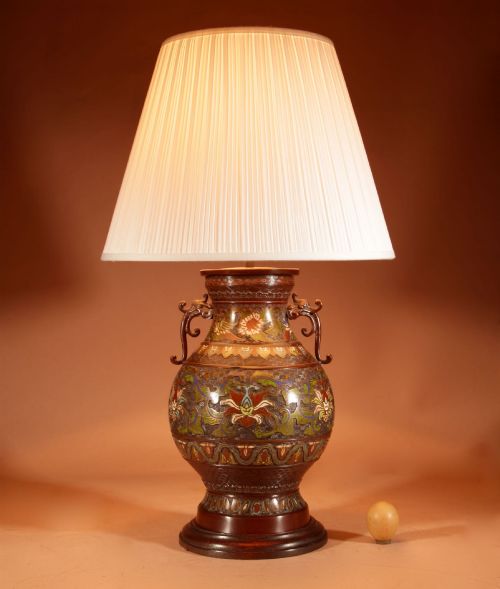
Artisans applied layers of urushi lacquer, gold leaf, and intricate inlay to dense hardwoods and bamboo frames. Metal components rely on bronze, brass, and champlevé or cloisonné enamel work to provide decorative accents.
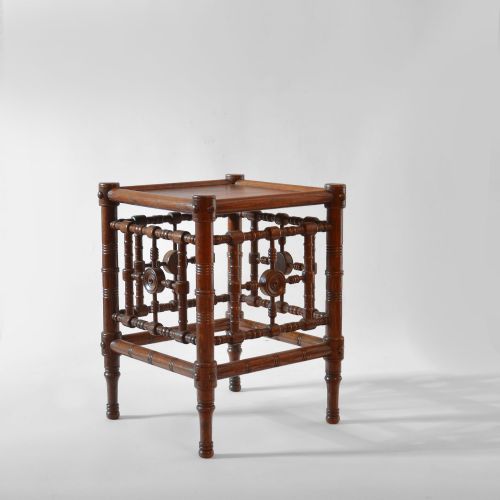
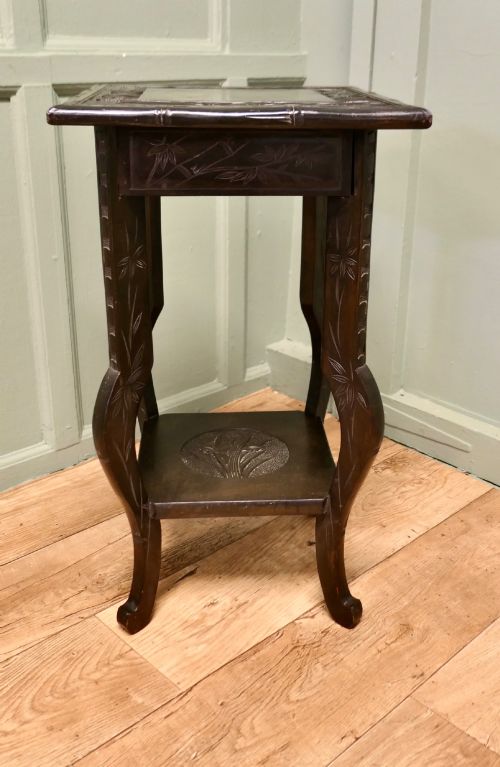
Joinery techniques often mirror traditional Japanese cabinetry methods, combined with ebonised finishes favoured by contemporary European designers of the period. Many surfaces integrate hand-carved panels, Shibayama inlay, or painted motifs.
Antique Japanese Table Retail Price Guide 2026
Typical asking prices for japanese table among the pieces listed under this phrase on Sellingantiques today, from the lower quarter to the upper quarter. They describe what is for sale here now, not the wider market.
Listings feature items spanning the late seventeenth century through the Edwardian period, with a strong concentration of Meiji period lacquer and bronze pieces.
Distinguishing Quality
Quality rests upon the depth of the lacquer finish, the precision of metal inlay work, and the integrity of the carved timber. Superior pieces exhibit crisp details in bronze dragons and clean registration in layered lacquer panels.
The reputation of retailing houses and makers also influences standing, particularly where British design firms collaborated with Japanese workshops to produce bespoke furniture for the domestic market.
Liberty of London·E W Godwin·Gabriel Viardot·Blyth and Son·Masaaki
The Antique Japanese Table Glossary
- Meiji Period
- The era spanning from 1868 to 1912, characterised by opening trade with the West and exceptional metalwork and lacquer production. This period produced the majority of decorative items found in current collections.
- Champlevé
- An enamel technique where troughs or cells are cast into a bronze or brass surface and filled with vitreous enamel before firing. It creates vibrant coloured patterns across lamp bases and decorative vessels.
- Shibayama
- A meticulous inlay technique utilising mother-of-pearl, ivory, bone, and tortoise shell set into a wood or lacquer base. It depicts detailed natural scenes and figures.
- Japonisme
- A Western artistic movement describing the widespread influence of Japanese art on European design during the late nineteenth century. It heavily inspired the Aesthetic Movement and Anglo-Japanese furniture.
- Kodansu
- A small portable tabletop cabinet or jewellery chest featuring multiple internal drawers and fine lacquer decoration. These miniature storage pieces often display elaborate metal mounts.
Antique Japanese Table: Frequently Asked Questions
What is an antique Japanese sake table?
A low surface originally utilised for serving sake and accompanied by small matching cups or stands. These compact pieces date predominantly from the Meiji period and early twentieth century.
They function well as display stands for small objects or low centrepieces in modern living spaces due to their distinct proportions and fine lacquer work.
How do I identify an Aesthetic Movement Japanese table?
These pieces combine British furniture forms, such as ebonised wood and bamboo frames, with Japanese decorative panels or motifs. They reflect the late nineteenth-century fascination with Eastern design.
Look for clean geometric lines paired with lacquer surfaces, low profiles, and occasional retailer attributions from London firms of the era.
Where were Liberty and Co Japanese tables made?
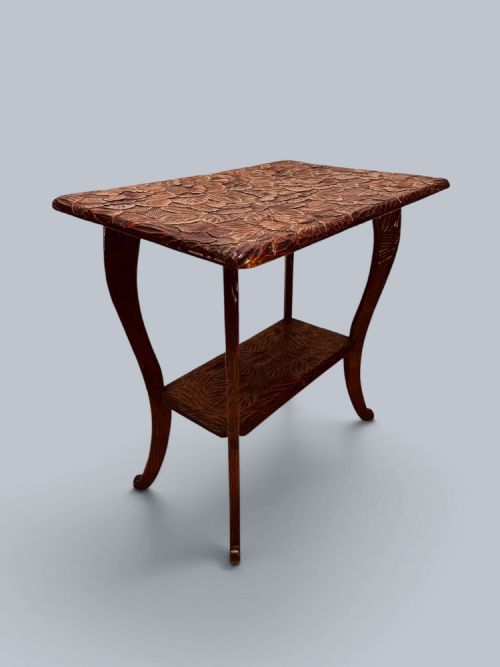
Liberty of London retailed heavily carved wooden side tables, plant stands, and occasional furniture inspired by Japanese aesthetics during the late nineteenth and early twentieth centuries. These items catered to the British demand for exotic domestic goods.
They often feature distinctive hand-carved floral or dragon motifs executed in hardwood and oak.
How should I care for lacquered antique tables?
Lacquered surfaces require gentle dusting with a soft, dry cloth and protection from direct sunlight and extreme humidity changes. Avoid using modern chemical polishes or abrasive cleaners.
Maintaining a stable indoor climate prevents the historic lacquer and wood substrate from drying out or cracking over time.