


Chinese Wood Statue
These chinese wood statue pieces span centuries of sculptural craft, offering tactile depictions of deities, scholars, and mythical beasts desired by collectors.
Chinese Wood Statue
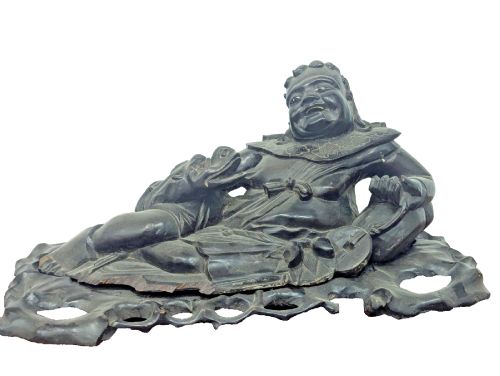
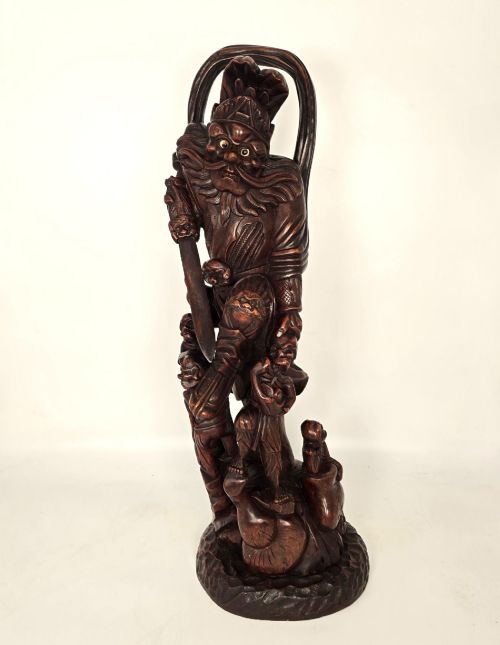
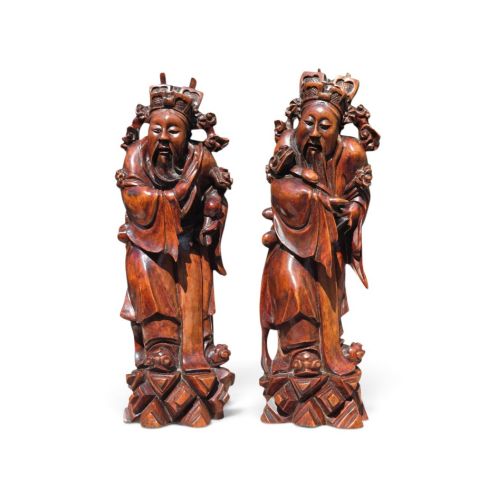
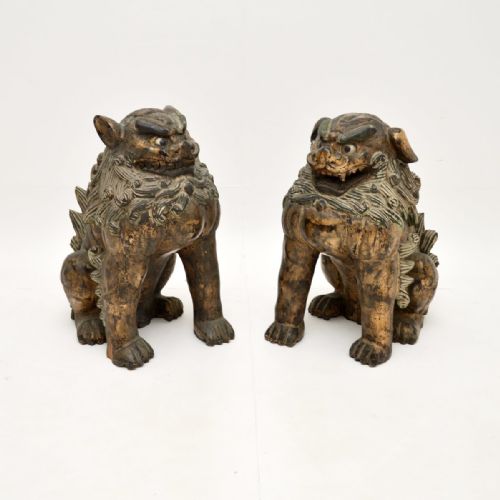
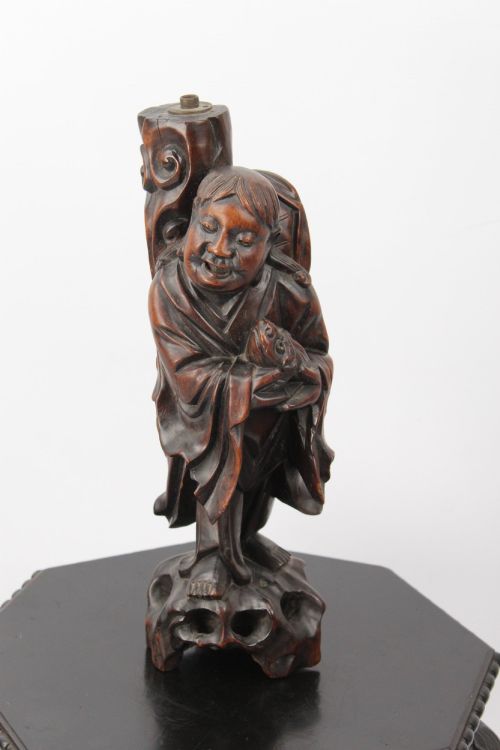
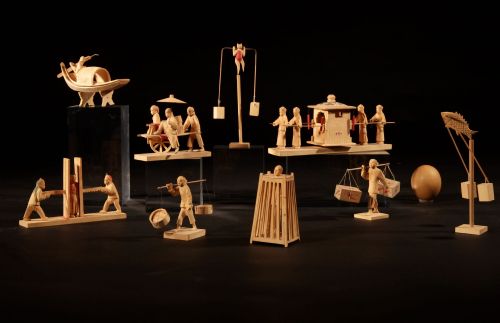
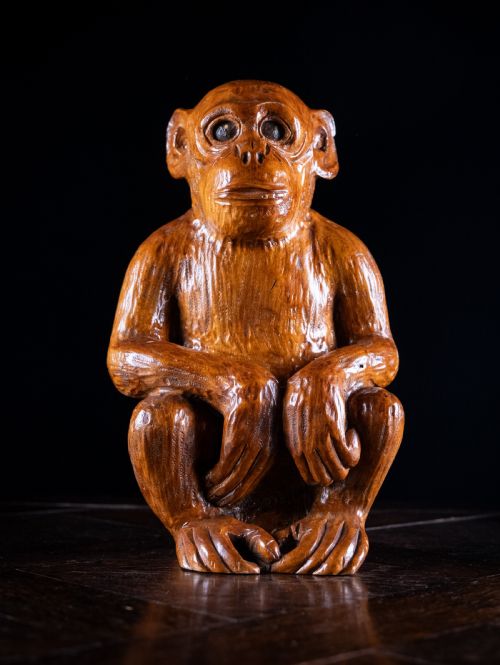
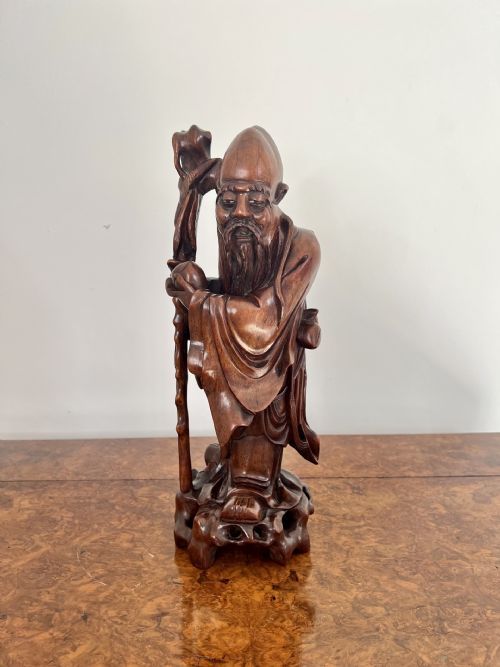
A chinese wood statue represents a tradition of sculptural work spanning from the late Ming and Qing dynasties into the early twentieth century. Buyers encounter depictions of Daoist immortals, Buddhist figures, guardian kings, scholars, and animals such as Foo dogs, water buffaloes, and elephants.
The selections on this page include monumental temple figures alongside intimate domestic carvings and root wood creations. Pieces range from single standing deities to matched pairs created for ritual or decorative purposes.
Materials and methods
Carvers utilised dense timbers, including native hardwoods, boxwood, and gnarled root wood, allowing for intricate detailing across figures and animals. The natural grain of the timber often dictates the energetic posture of root carvings and scholars.
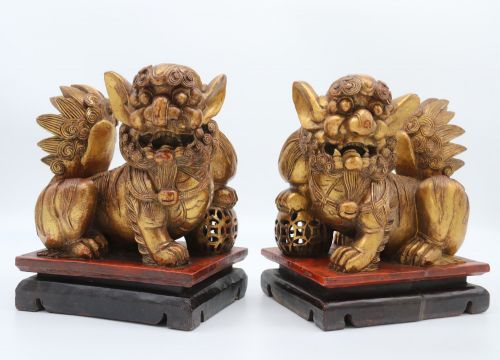
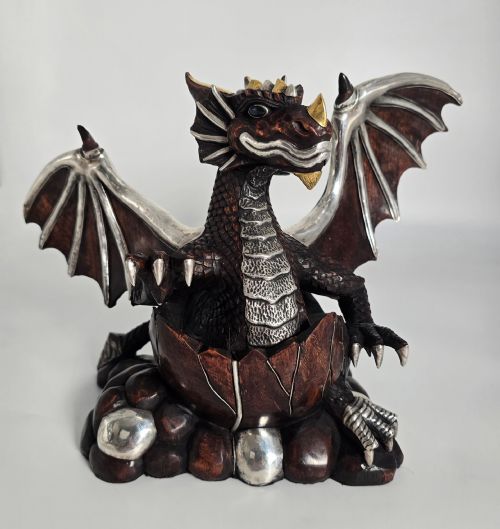
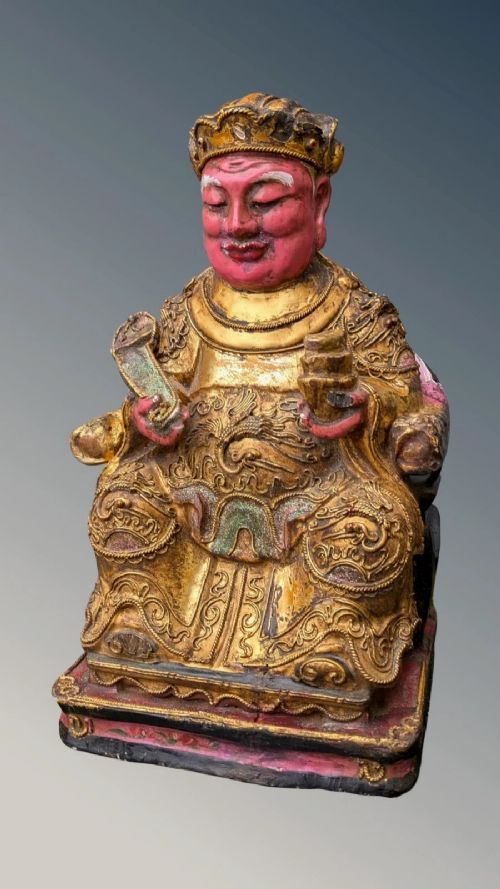
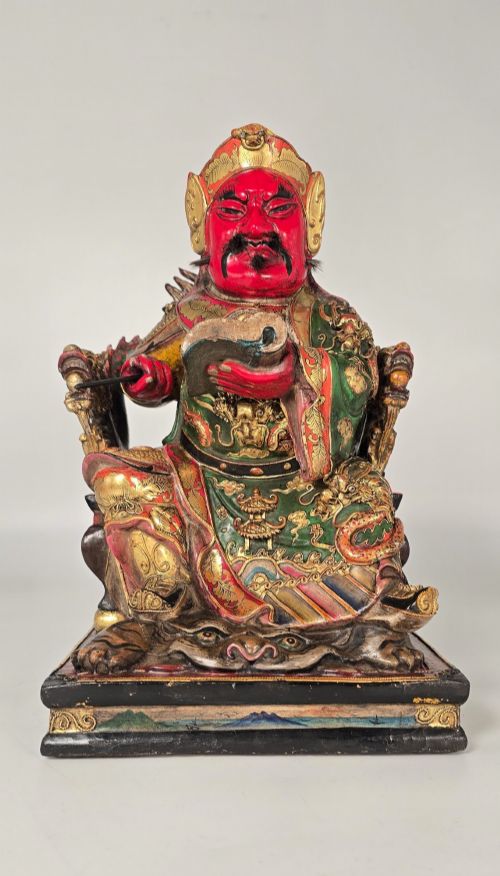
Many surfaces received layers of lacquer, gold leaf, or polychrome paint, while others incorporate metal mounts or silver inlay. Artisans combined deep relief carving with fine hand-painting to delineate robes, facial expressions, and ritual attributes.
Listings feature items dated from the eighteenth century through the early twentieth century, utilising hardwood, root wood, and boxwood.
Judging the work
Quality rests upon the ambition of the carving and the fidelity of the anatomical and sculptural form. Master carvers exploited the natural knots and twists of root wood to create expressive movement, whereas lesser examples remain rigid.
The preservation of original surface treatments, such as early polychrome paint, gold leaf, and layered lacquer, defines the upper tier of pieces. Intricate details like metal inlays or multi-figure compositions require sustained execution.
The Chinese Wood Statue Glossary
- Budai
- A representation of the Laughing Buddha, often depicted as a stout monk with a sack, symbolising contentment and good fortune. These statues frequently appear in carved hardwood.
- Foo Dog
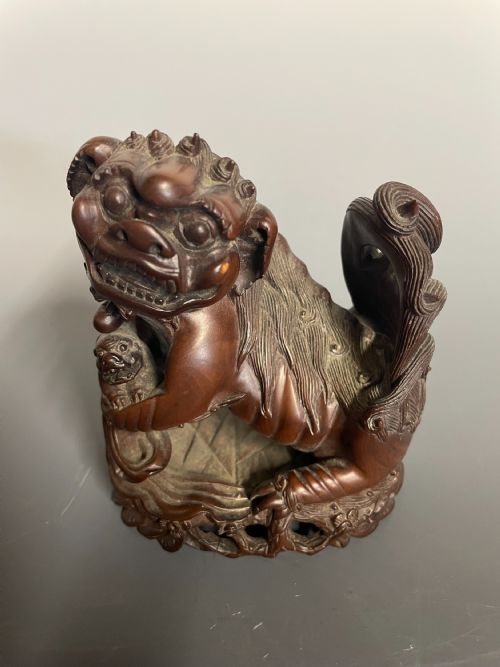
- Guardian lion-dogs placed as protective pairs outside temples and homes, typically shown with a ball or cub. Their stylised manes and fierce expressions are rendered in wood or root wood.
- Guanyin
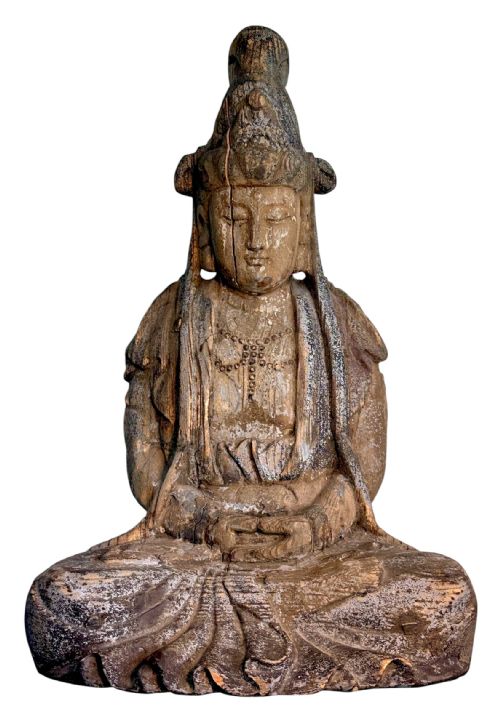
- The Bodhisattva of Compassion, commonly portrayed in a relaxed posture holding ritual objects or seated on a lotus throne. Surviving wooden figures often display remnants of polychrome pigment.
- Root Wood
- Timber sections taken from the root systems of trees, prized by carvers for their gnarled, organic shapes. Artisans incorporated natural twists into figures of scholars, fishermen, and mythical beasts.
- Lokapala
- A Heavenly King or temple guardian standing in armour to ward off malevolent forces. These monumental sculptures are carved in high relief with dynamic drapery.
Chinese Wood Statue: Frequently Asked Questions
What do these statues represent?
These sculptures depict figures from Chinese religion, folklore, and daily life, including Daoist immortals, Buddhist deities, scholars, and mythological animals. They served various roles in temples, domestic shrines, and scholarly spaces.
Subjects such as the Budai, Guanyin, and guardian lions carry specific symbolic meanings relating to protection, wisdom, and prosperity. The choice of subject often reflects the spiritual and cultural priorities of the Qing period.
Where were these figures made?
Carvings originated across various regions of China, spanning major workshops in urban centres as well as rural folk art traditions. Temple figures were produced specifically for sacred architecture.
Regional preferences influenced timber selection, ranging from dense southern hardwoods to local root woods fashioned by provincial artisans. Each workshop brought distinct regional techniques to the finishing of surfaces.
How should I care for antique wood?
Antique wooden statues require stable environmental conditions away from direct sunlight and dramatic humidity shifts. Maintaining consistent indoor climates prevents the timber from splitting or warping.
Surfaces finished with gold leaf, lacquer, or polychrome paint should be dusted gently with a soft, dry cloth without chemical polishes. Preserving the original patina protects both the artistic and historical integrity of the piece.