
Chinese Carved Statues
Chinese carved statues bring centuries of ritual, folklore, and skilled handwork into a room.
Chinese Carved Statues
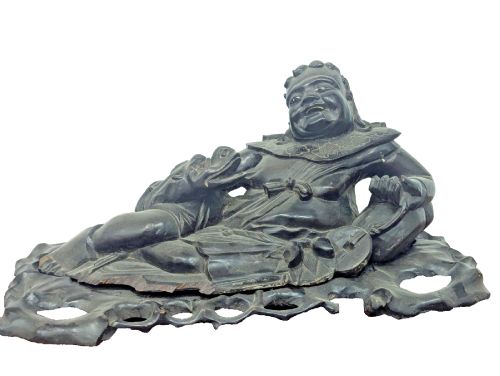
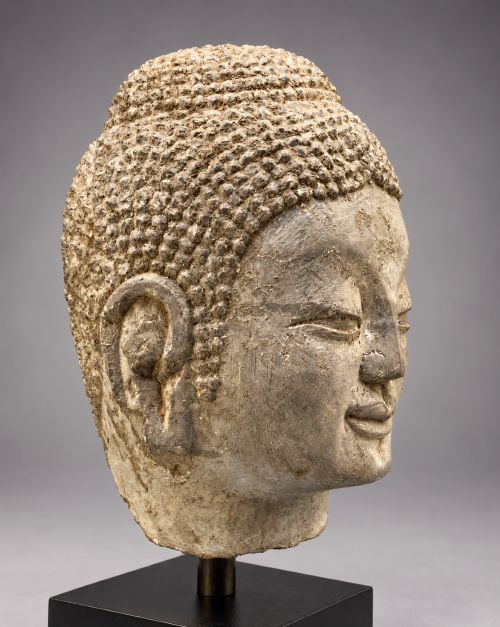
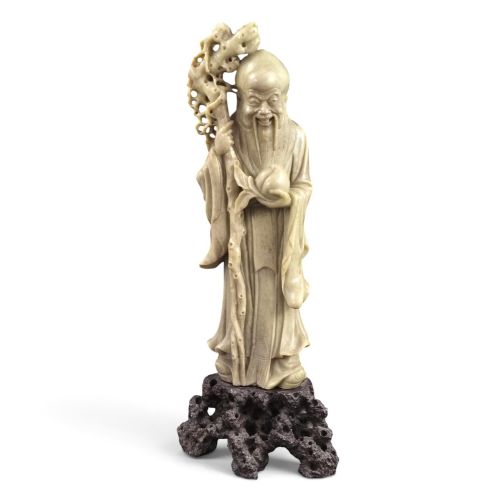
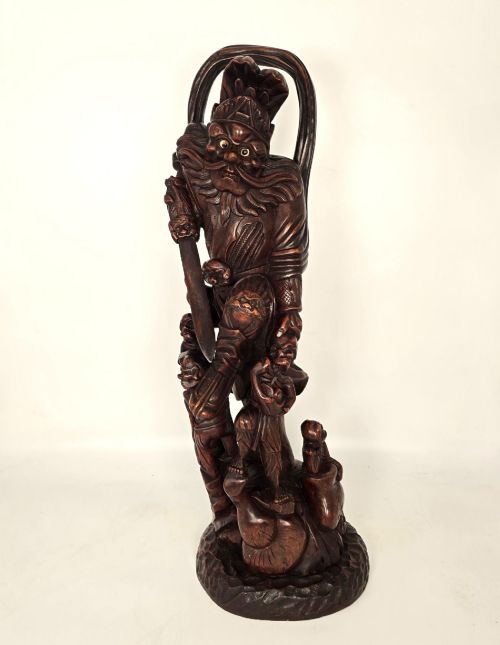
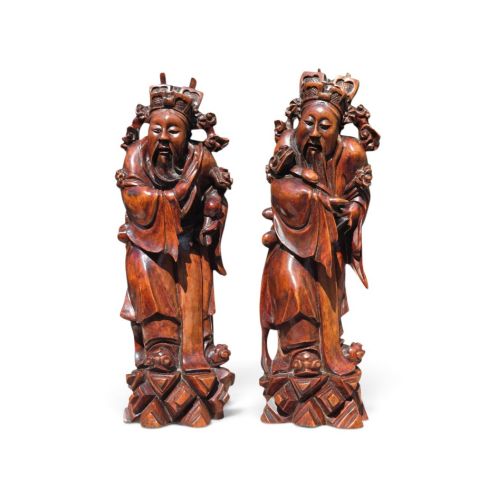
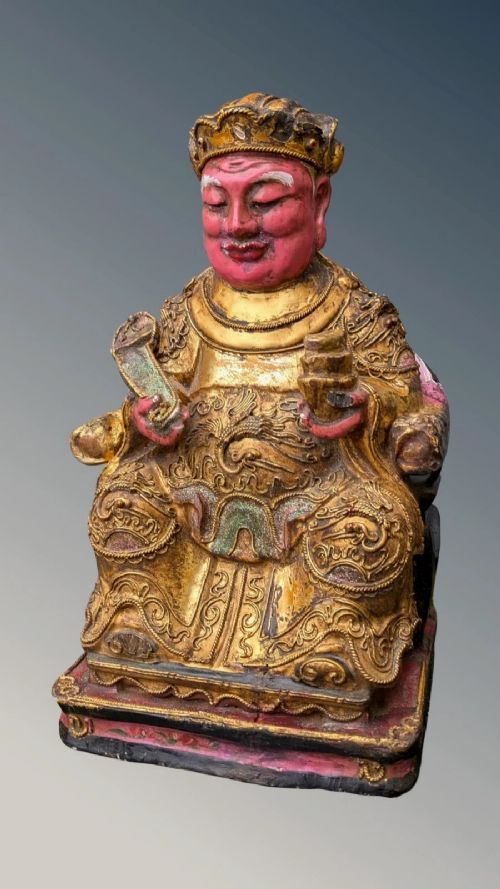
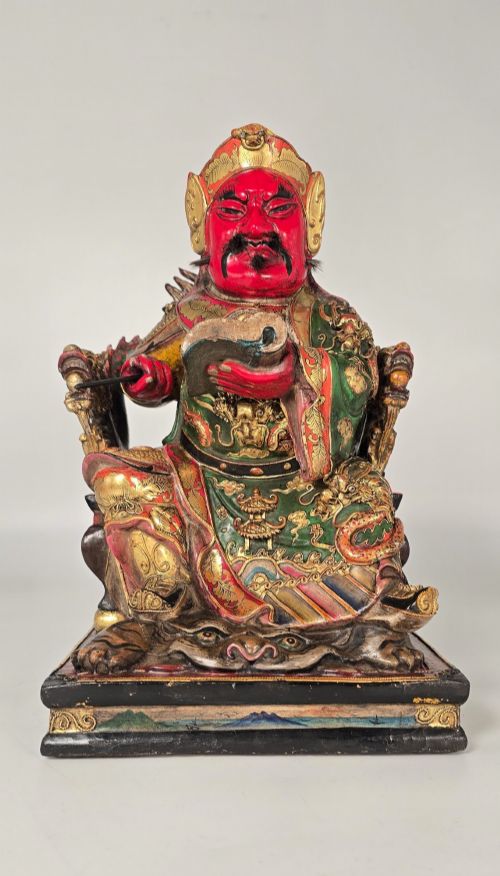
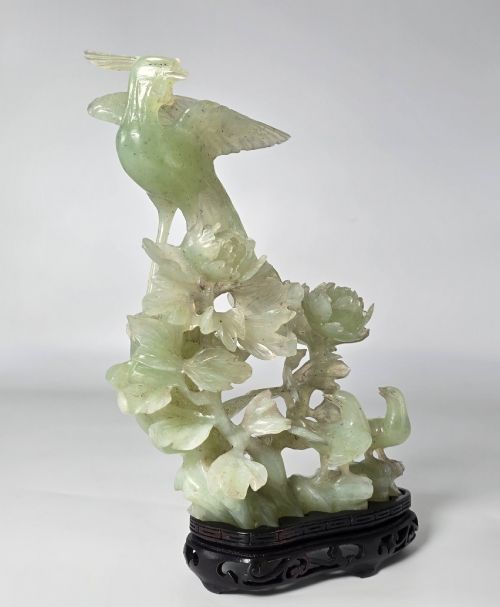
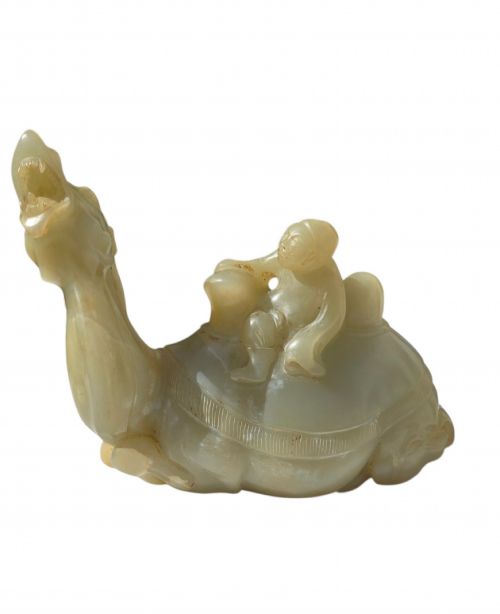
Chinese carved statues encompass figures of deities, guardians, scholars, animals, and mythological beasts shaped from timber, stone, and minerals. Buyers encountering this selection will find an array dominated by hardwood, soapstone, and root wood sculptures dating from the Ming and Qing dynasties through the early twentieth century.
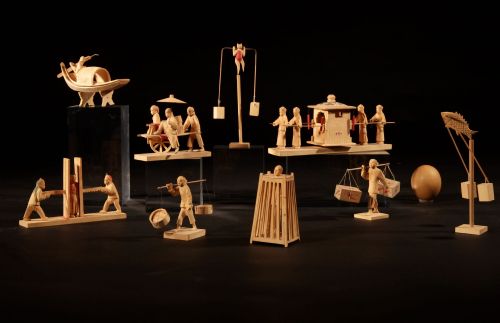
The forms range from monumental temple figures and matched pairs of Daoist immortals to intimate depictions of daily life and natural subjects. Many pieces reflect traditional Chinese folk art and Buddhist or Daoist iconography, produced for both domestic ritual and decorative display.
How they were made
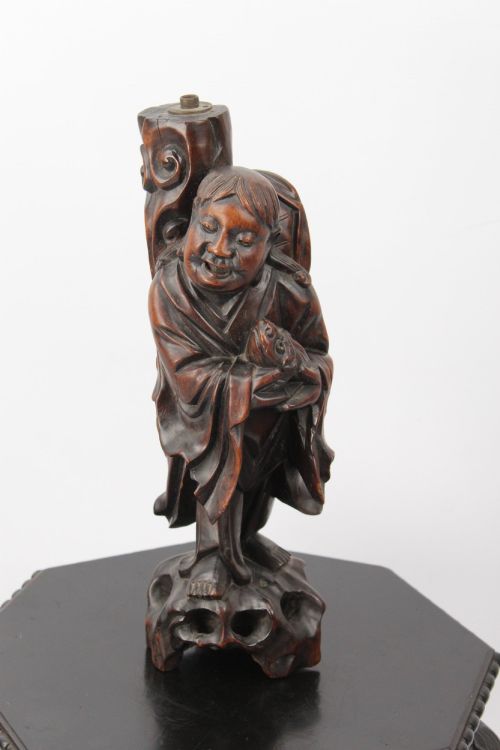
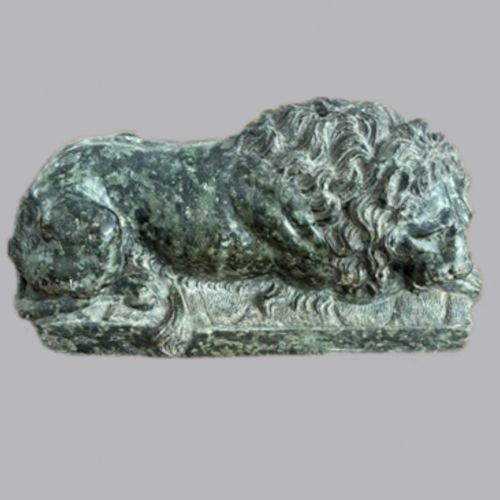
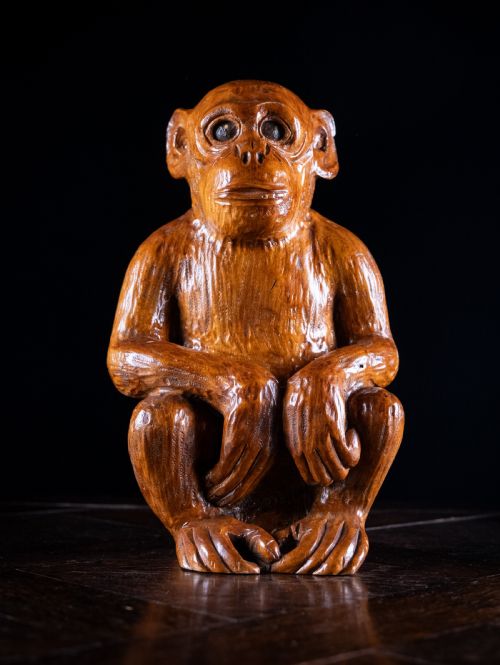
Carvers utilised native timber such as boxwood, hardwood, and gnarled root wood, exploiting the natural grain and knots of the material to define the movement of robes, hair, and fur. Stone carvers worked with soapstone, jadeite, agate, bowenite serpentine, and green marble, shaping dense mineral blocks with patient abrasion and incision.
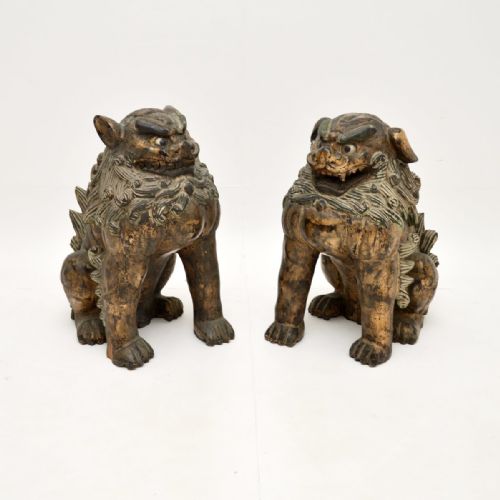
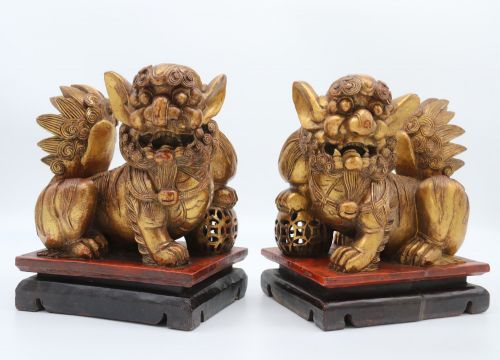
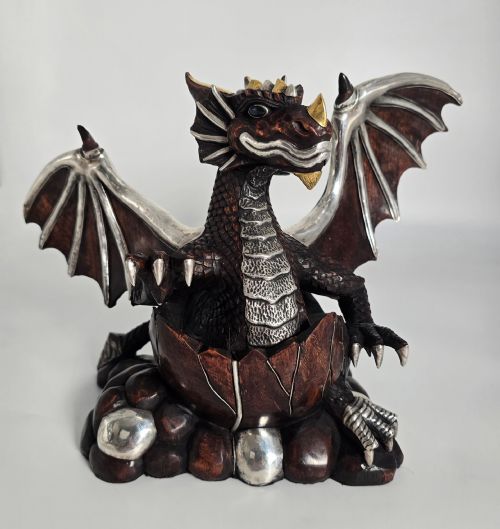
Many wooden sculptures received a layer of gesso, polychrome paint, lacquer, or gold leaf to heighten surface detail and provide rich colour. Metal mounts and mixed media elements occasionally supplement the primary carved body, adding contrasting texture to the finished figure.
Several figures portray Daoist immortals accompanied by mischievous monkeys and fierce water buffaloes.
What varies in quality
The choice and preservation of material also govern the standing of a piece, with dense burr root and unblemished hardstones commanding attention through their natural figuring. Remnants of original polychrome paint, lacquer, or gilding that survive intact add considerable visual depth and historical integrity to temple and ritual figures.
The Chinese Carved Statues Glossary
- Foo Dog
- A traditional guardian lion figure, often found in pairs outside temples and domestic spaces to ward off malevolent spirits. These mythical beasts typically display one paw resting upon a ball or a cub.
- Soapstone
- A talc-schist mineral favoured by carvers for its soft, soapy texture and ease of incision. It permits intricate detail and is frequently seen in figures dating from the nineteenth century onwards.
- Root Wood
- Timber sourced from the gnarled underground roots of trees, shaped by carvers who incorporate natural twists and hollows into the finished sculpture. This technique celebrates organic asymmetry.
- Polychrome
- Painted in several colours, usually applied over a prepared gesso ground on wood or stone. This finish brings life to temple guardians and deities through vivid pigments.
Chinese Carved Statues: Frequently Asked Questions
What materials are used for Chinese carved statues?
These sculptures utilise a variety of organic and mineral substances, most notably hardwoods, boxwood, root wood, and soapstone. Other pieces are shaped from jadeite, agate, limestone, and marble, occasionally enriched with gold leaf or polychrome paint.
Makers selected each material for its durability and natural texture, allowing carvers to render flowing robes or muscular forms with equal precision.
How can I tell the age of a Chinese statue?
Dating relies on stylistic markers associated with dynasties such as the Ming and Qing, alongside the natural ageing of the timber or stone surface. Tool marks, the type of joinery, and the wear patterns on polychrome or gilt finishes also provide clues to the period of production.
Comparing the iconography and facial proportions with dated examples helps narrow down whether a piece belongs to the imperial eras or the early twentieth century.
Were these statues meant for temples or homes?
The intended setting depended on the subject and scale of the carving, ranging from monumental temple guardians down to domestic figures of scholars and immortals. Large temple sculptures occupied sacred spaces to offer protection and command reverence.
Smaller figures of deities, animals, and scenes from daily life served as scholarly desk ornaments or protective household talismans within private rooms.
How do I care for antique carved wood and stone?
Preserving these pieces requires stable environmental conditions away from direct sunlight, excessive heat, and sudden humidity fluctuations. Dusting should be done gently with a dry, soft brush to avoid abrading delicate surfaces or flaking old paint.
Avoid applying modern polishes or oils, as traditional wood and stone finishes can be permanently altered or damaged by chemical treatments.