






Carved Wooden Group
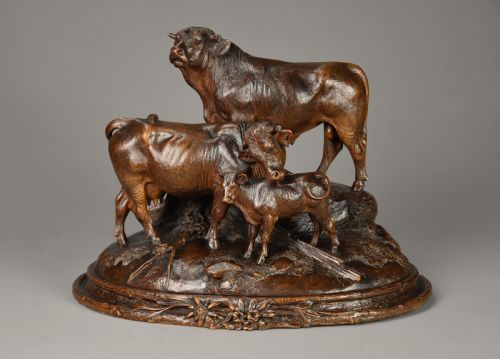
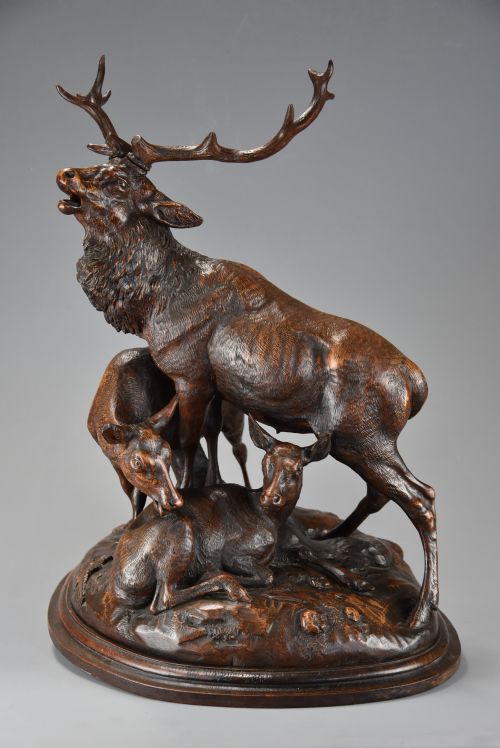
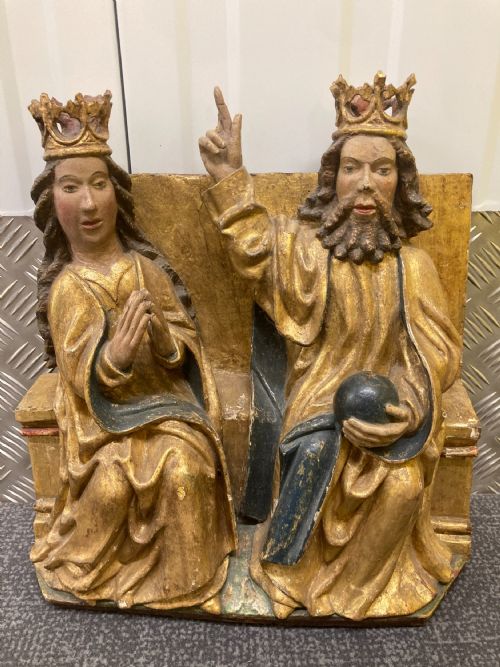
A carved wooden group brings multiple figures together in a single sculpted block, capturing narrative moments from Black Forest cattle scenes to Renaissance religious depictions.
Carved Wooden Group
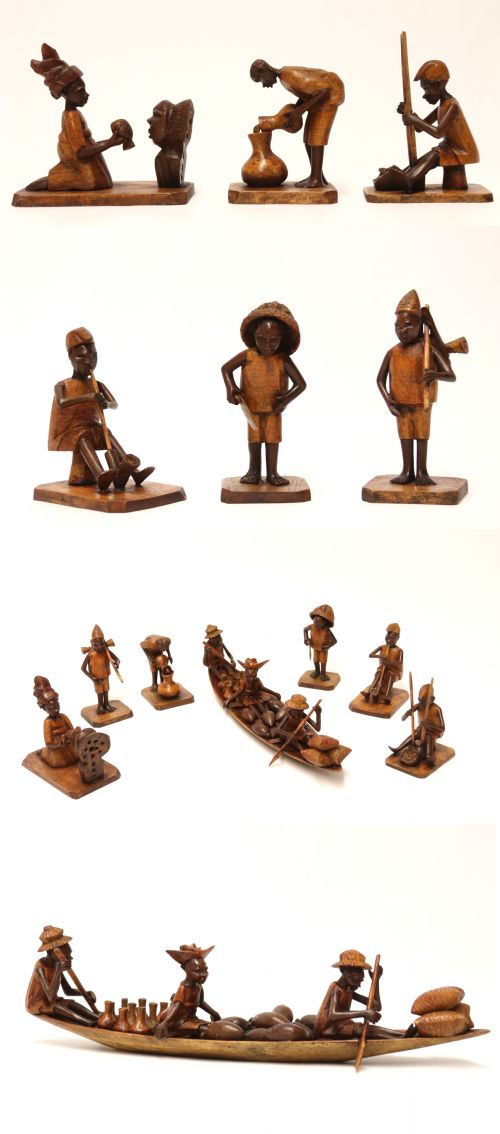
A carved wooden group unites several figures or animals within a single composition, moving beyond solitary statues to tell a visual story. When exploring a carved wooden group, you encounter diverse origins ranging from European folk art and religious altarpieces to African and Chinese traditions.
The selections span distinct periods, including sixteenth-century Flemish and giltwood ecclesiastical carvings alongside nineteenth-century Black Forest linden wood and walnut works. Alongside figurative sculptures, listings occasionally include sets of dining chairs or architectural door frames grouped together.
Black Forest animal groupings and painted soldier figures represent some of the most frequent iterations on this page. These multi-figure pieces rely on dynamic arrangement and shared subjects to create visual depth and character.
Materials and Methods
Carvers shaped these multi-figure compositions primarily using regional timbers such as walnut, linden wood, hardwood, and olive wood. Selection of the wood dictated the level of detail achievable, with fine-grained linden allowing for intricate animal forms and flowing drapery.
Many historical pieces incorporate polychrome paint and gold leaf applied over the carved timber to enhance sacred narratives or military uniforms. Hand tools guided by skilled artisans defined the surface texture, leaving subtle chisel marks that evidence manual labour.
Materials recorded on this site include walnut, linden wood, hardwood, and olive wood, alongside paint and gold leaf.
Evaluating the Craft
Quality rests in the anatomical precision of the figures and the organic fluidity of their arrangement within the timber. Superior pieces display thoughtful depth and spatial awareness, whereas lesser examples crowd the figures stiffly without natural interaction.
The handling of surface finishes further separates standard workshop production from master carving. Intricate detailing in the grain, well-preserved polychrome pigments, and clean undercutting elevate the presence of the group.
J HUGGLER·H S Andy Anderson
The Carved Wooden Group Glossary
- Giltwood
- Wood that has been treated with a thin layer of gold leaf or gold paint. This technique frequently highlights important religious sculptures from earlier centuries.
- Linden wood
- A pale, fine-grained timber commonly used by nineteenth-century carvers. Its soft nature permitted deep undercut details without splintering.
- Polychrome paint
- Multiple colours applied to the surface of a sculpture. It brought realism and vibrancy to religious and secular figure groups alike.
- Black Forest
- A style of wood carving originating from the mountain region in Germany. These works often depict local fauna, particularly cattle and deer, rendered with realistic textures.
Carved Wooden Group: Frequently Asked Questions
What defines a carved wooden group?
A carved wooden group consists of two or more figures or animals sculpted from a single piece or joined pieces of timber. It differs from a single statue by creating an interactive scene or narrative.
These pieces range from religious tableaux to naturalistic animal groupings and folk art figures.
How do I care for antique carved wood?
Keep wooden sculptures away from direct sunlight and sudden temperature shifts to prevent the timber from splitting. Dust them gently with a soft, dry cloth rather than using liquid polishes.
Maintaining stable indoor humidity preserves both the bare wood and any historic painted or gilded surfaces.
How do I identify a Black Forest carving?
Black Forest carvings typically feature naturalistic animals such as deer, bears, or cattle rendered in linden wood or walnut. They often display deep undercutting and highly textured fur or foliage.
Many originate from the nineteenth century and reflect the alpine craftsmanship of the region.
What is the difference between religious and secular groups?
Religious groups, such as Renaissance giltwood carvings or olive wood figures, usually depict biblical narratives and saints for devotional use. Secular groups focus on wildlife, soldiers, or folk scenes intended for domestic display.
Examining the subject matter and materials helps distinguish between ecclesiastical commissions and decorative parlor pieces.