

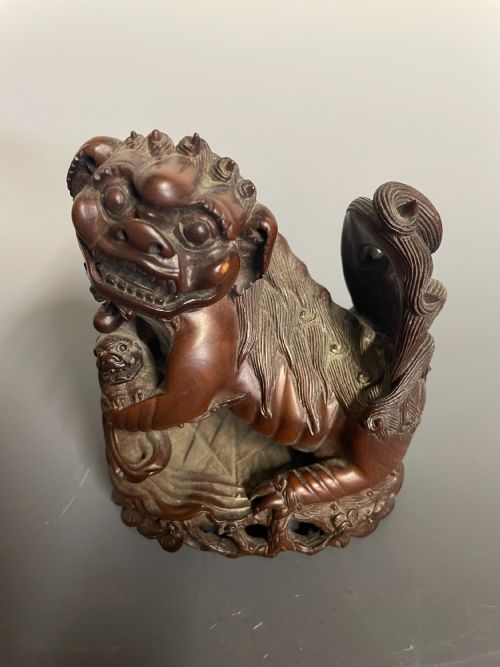


Chinese Temple Dog
A chinese temple dog stands as a guardian figure, bringing traditional craftsmanship and striking sculptural presence to any interior space.
Chinese Temple Dog
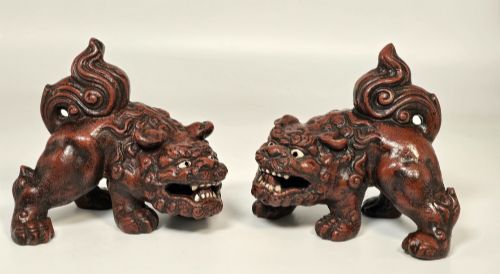
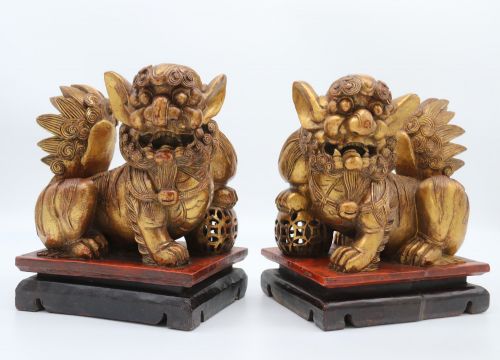
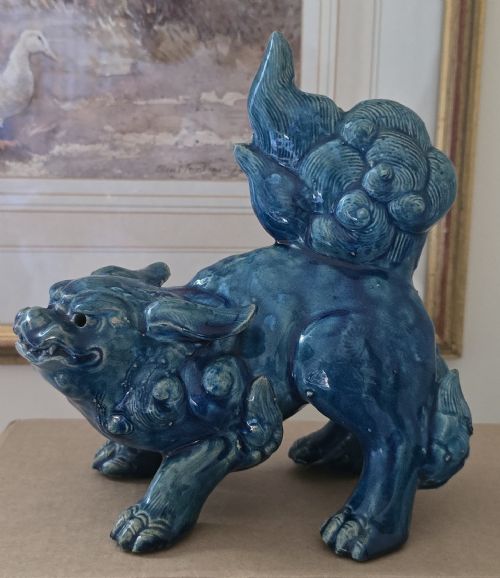
A chinese temple dog represents protective guardian figures traditionally placed outside sacred spaces or homes. These figures appear frequently as ceramic sculptures, carved wood statues, and bronze temple lions across the listings on this page.
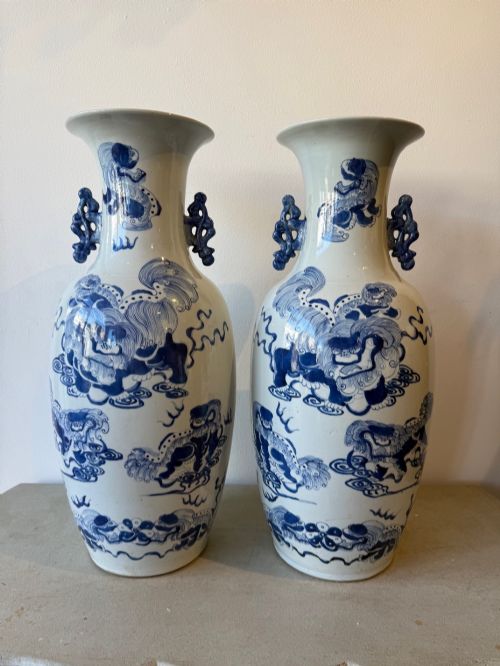
The material range spans porcelain, pottery, and terracotta alongside carved options in boxwood, hardwood, and gilt wood. Pieces frequently date from the eighteenth and nineteenth centuries, reflecting Qing dynasty styles and traditional Chinese motifs.
Materials and construction methods
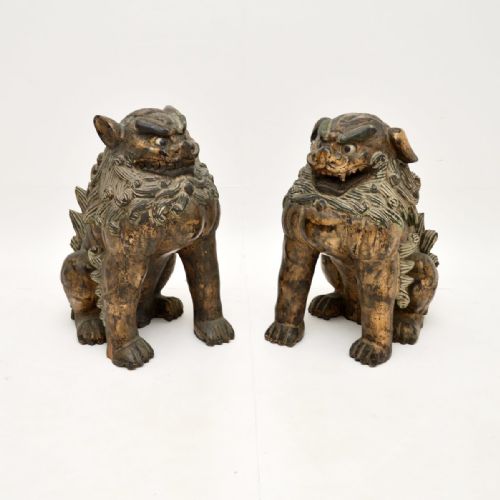
Makers shaped these guardian figures through wood carving, ceramic moulding, and metal casting. Artisans utilised boxwood, gilt wood, and hard stone alongside bronze and cast iron for heavier sculptural forms.
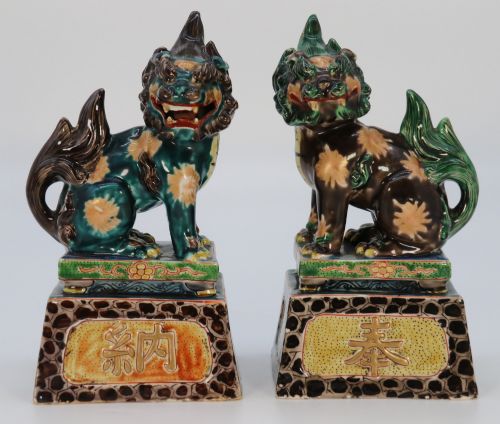
Surfaces receive detailed treatment through turquoise glaze, sancai glazes, gold leaf application, and lacquer work. These finishes highlight the musculature and ceremonial trappings of the temple lions.
Chinese Temple Dog Retail Price Guide 2026
Typical asking prices for chinese temple dog among the pieces listed under this phrase on Sellingantiques today, from the lower quarter to the upper quarter. They describe what is for sale here now, not the wider market.
Materials recorded on this page range from porcelain and ceramic to carved wood, bronze, stone, and cast iron.
Assessing quality in guardian figures
The distinction between standard and superior pieces rests on the depth of carving and the crispness of the moulded detail. Skilled artisans rendered the facial expressions, manes, and claws with distinct personality and sharp definition.
Surface preservation significantly influences the standing of a piece, particularly on gilt wood, lacquer, and glazed ceramics where original patination remains intact. Greater sculptural presence often accompanies larger monumental forms and balanced pairs.
The Chinese Temple Dog Glossary
- Foo dog
- A traditional western term for a Chinese guardian lion or temple dog. These mythical beasts protect sacred thresholds and domestic spaces.
- Buddhistic lion
- An alternative designation for temple dogs derived from Buddhist iconography. They symbolise protection and majesty.
- Qing dynasty
- The imperial dynasty spanning the seventeenth to early twentieth centuries. Many traditional ceramics and carvings originate from this period.
- Famille rose
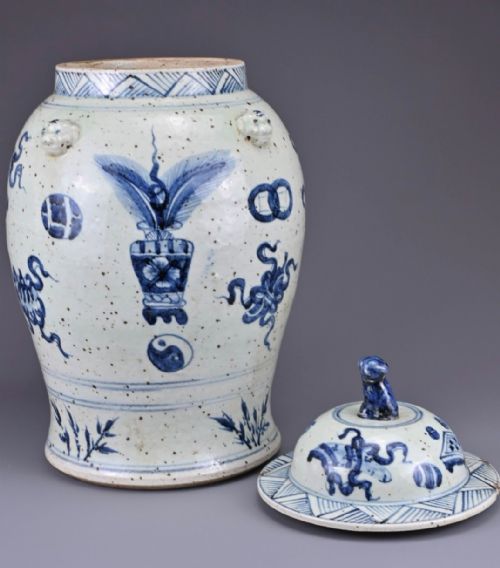
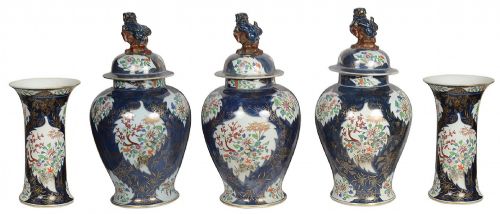
- A prominent palette of opaque enamel colours used on Chinese porcelain. The style developed during the Qing dynasty and appears on decorative jars and vases.
- Sancai
- A traditional three-colour glaze technique utilised on pottery. The method typically combines amber, green, and cream tones.
Chinese Temple Dog: Frequently Asked Questions
Where were chinese temple dogs placed?
Guardians traditionally stood outside temple gates, imperial tombs, and important administrative buildings to ward off harmful spirits.
Domestic versions served as interior table ornaments or protective figures within domestic courtyards.
What materials are temple dogs made from?
Carved wood, porcelain, terracotta, and bronze form the primary substances used by makers of these guardian figures.
Surface treatments such as gold leaf, lacquer, and coloured glazes frequently enhance the appearance of the base material.
How do I identify the age of a temple dog?
Dating relies on stylistic markers from specific eras such as the Qing dynasty alongside material patination and wear patterns.
Ceramic types and glaze compositions like sancai or turquoise also provide clear indicators of period origins.
Are temple dogs always found as pairs?
Many examples survive as balanced pairs intended to flank an entrance or altar, with one male holding a brocade ball and a female with a cub.
Single statues and individual jars also appear frequently across historical archives and current listings.