
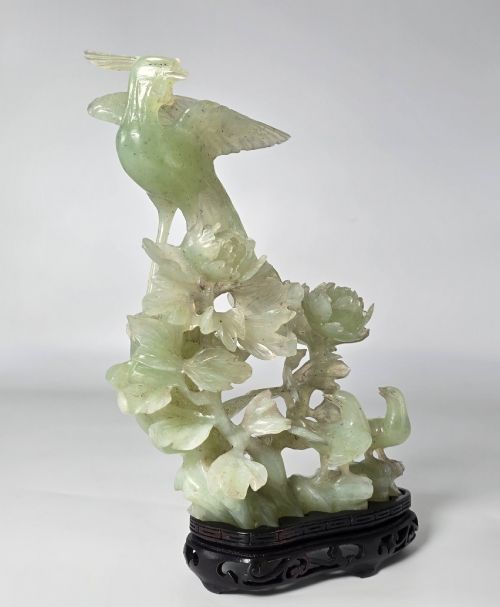


Asian Decorative Sculptures
Asian decorative sculptures bring figurative presence and material craft into a room, spanning bronze animals, carved wood figures, and cloisonne enamel forms.
Asian Decorative Sculptures
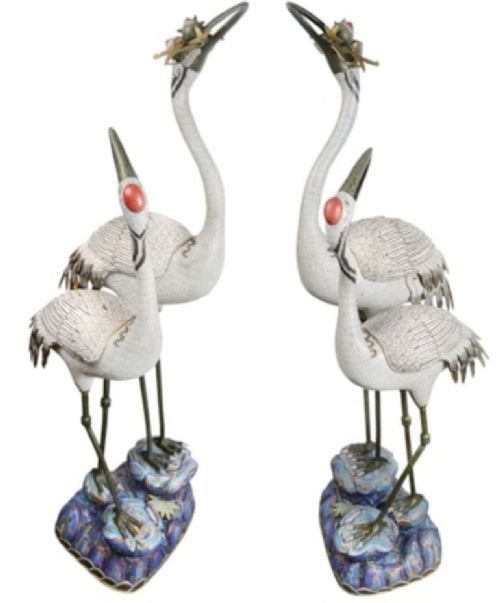
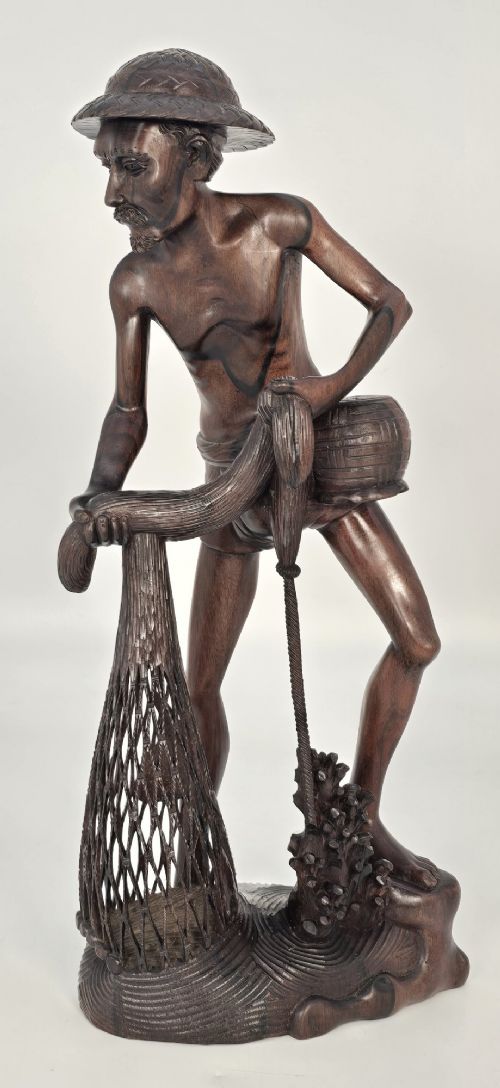
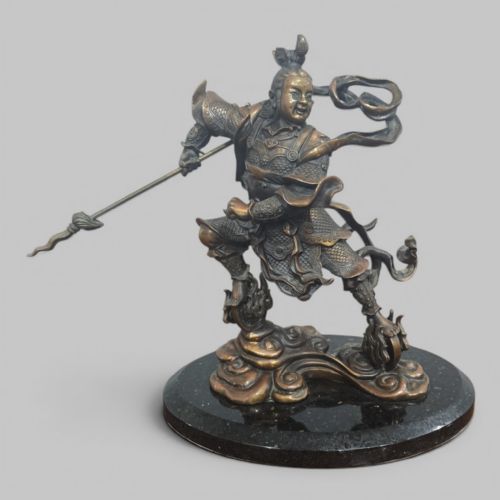
Asian decorative sculptures encompass carved figures, animals, and ritual subjects produced across different regions and centuries. You encounter bronze deities, hardwood fishermen, and cloisonne birds that reflect both traditional iconography and decorative arts of their period.
The selections available here range from eighteenth-century carved wood temple dogs to early twentieth-century bronze figures and cloisonne enamel animals. Many pieces take the form of pairs designed for symmetrical display.
Makers drew on established idioms including Chinese Imperial, Meiji Period, and Chinoiserie styles. Figures of Buddha, Guanyin, and mythological beasts appear alongside naturalistic studies of quails, horses, and elephants.
Methods and materials
Metal sculptures utilise bronze, copper, and gilt metal, often cast in detailed moulds and finished by hand. Cloisonne enamel pieces combine wired metal cells filled with coloured pastes and fired to a smooth finish.
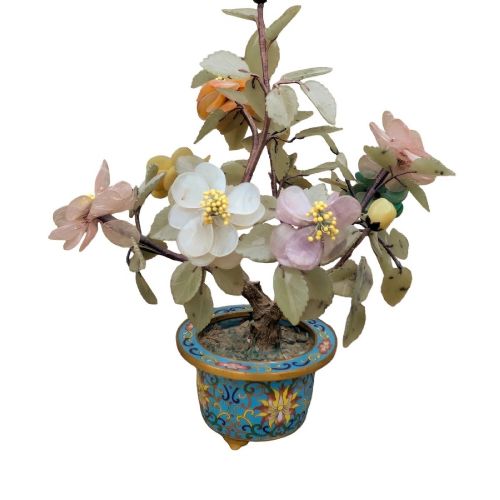
Carved works rely on dense materials such as hardwood, bamboo, antler, and hardstone like jade. Artisans exploited the natural grain of gnarled wood or the layered colours of stone to define figures and foliage.
Current listings feature pieces spanning the eighteenth century through the 1930s, utilising materials from bronze and jade to terracotta and gnarled wood.
Judging quality
Quality rests on the precision of the carving or casting and the fidelity of the detailing. Fine bronze or wooden figures show expressive faces, clear musculature, and careful finishing to feather or hair textures.
In cloisonne and hardstone works, quality appears in the neatness of the wirework, the richness of the enamel, and the skilful integration of jade leaves and blossoms within jardiniere arrangements.
The Asian Decorative Sculptures Glossary
- Cloisonne enamel
- A metalwork technique where fine wires are soldered to a base to form compartments filled with enamel paste and fired. This method creates colourful patterned surfaces on vessels and animal figures.
- Okimono
- A Japanese decorative statue or sculpture intended for display in a domestic interior. These figures frequently depict deities, historical figures, or animals.
- Foo dog
- A traditional guardian lion sculpture originating in China, typically shown protecting a building or sacred space. Pairs often feature one animal holding a ball and another with a cub.
- Hardstone
- A term for semi-precious stones such as jade, quartz, and agate used for carving small sculptures and decorative foliage. Artisans carved these dense materials into flowers, birds, and miniature trees.
Asian Decorative Sculptures: Frequently Asked Questions
What materials are used in these sculptures?
These sculptures utilise a variety of traditional materials including cast bronze, carved hardwood, bamboo, and terracotta. Many pieces incorporate cloisonne enamel, gold leaf, copper, and hardstone elements like jade.
Makers selected materials to suit the specific subject, using metal for imposing animals and dense woods or stone for intricate figurative carvings.
How do I identify different periods?
Dating relies on stylistic markers associated with periods such as the Meiji era, Qing dynasty, or the early twentieth century. Listings often reference specific stylistic movements like Chinoiserie or regional traditions.
Examination of tool marks, patination, and material preparation helps distinguish eighteenth-century examples from later twentieth-century interpretations.
Where were these sculptures displayed?
Asian decorative sculptures were created for interior display in homes, temples, and halls. Pairs of figures like cranes, quails, or foo dogs were positioned symmetrically on tables, mantelpieces, or as part of larger room ensembles.
Jardinieres and bonsai sculptures served as permanent botanical displays within reception rooms and studies.
Are these pieces made as pairs?
Many sculptures and decorative figures were produced as matching pairs, particularly temple guardians, birds, and large ceremonial animals. Symmetrical arrangements were a central feature of traditional interior placement.
Single figures also appear frequently, including standalone deities, human figures, and individual animal studies.