
Oriental Carved Sculptures
Oriental carved sculptures encompass tactile wooden deities, jade scholars and stone figures crafted across centuries of Asian tradition.
Oriental Carved Sculptures
When searching for oriental carved sculptures, buyers encounter an eclectic mixture of religious figures, mythical animals and scholarly desk ornaments spanning multiple dynasties. The selection centres heavily upon wooden and stone creations originating from Chinese workshops, alongside specific regional works from India, Japan and Southeast Asia.
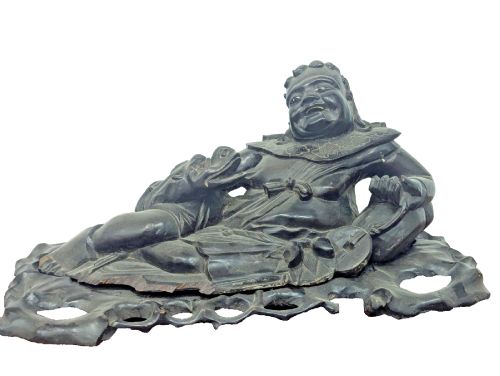
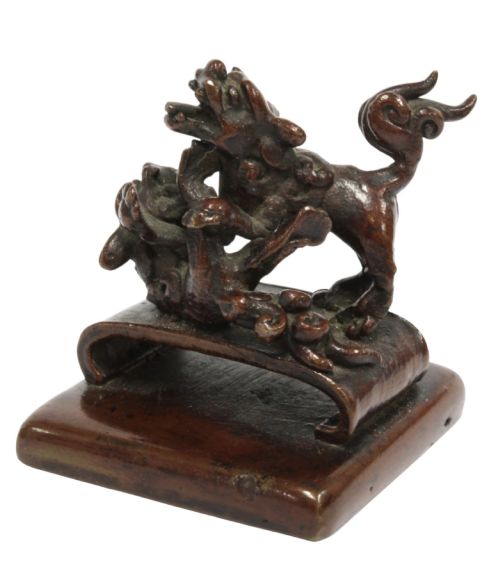
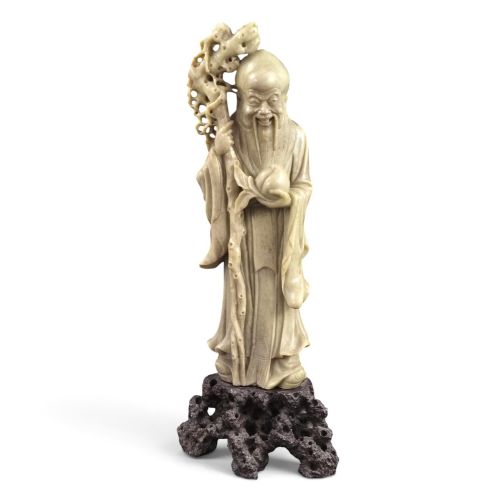
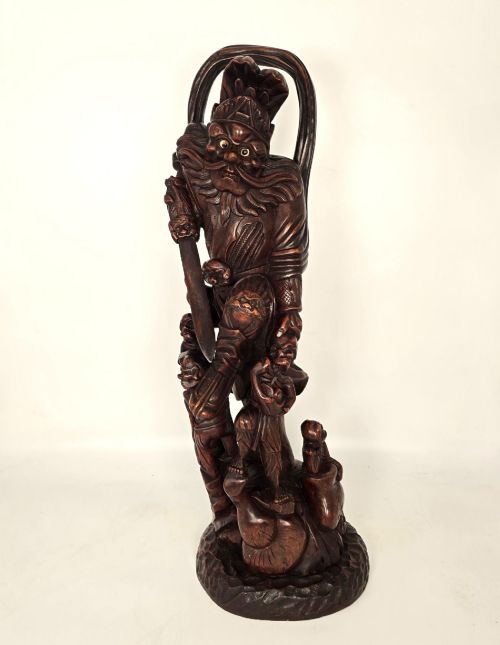
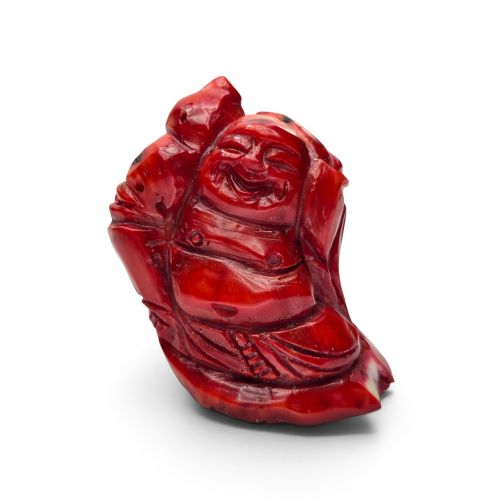
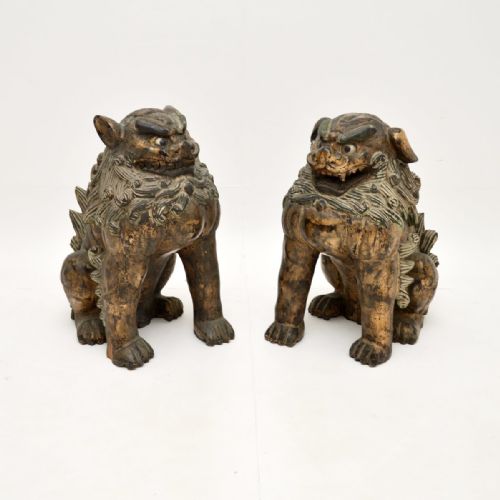
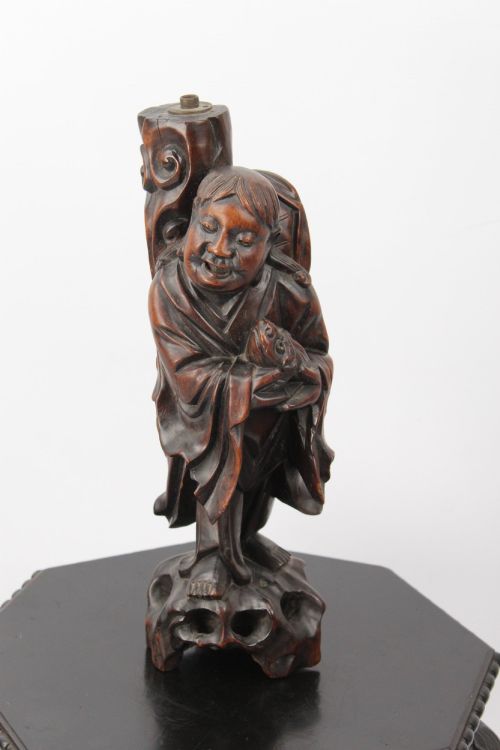
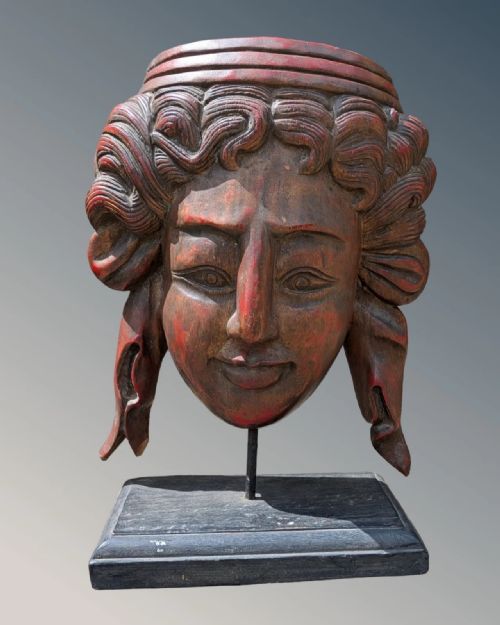
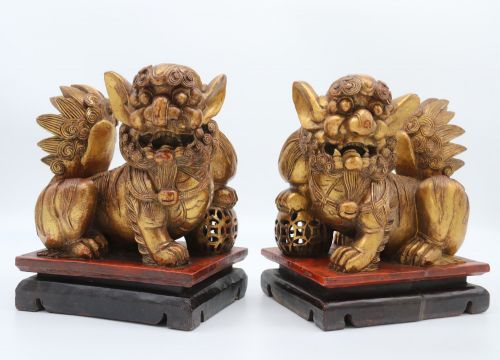
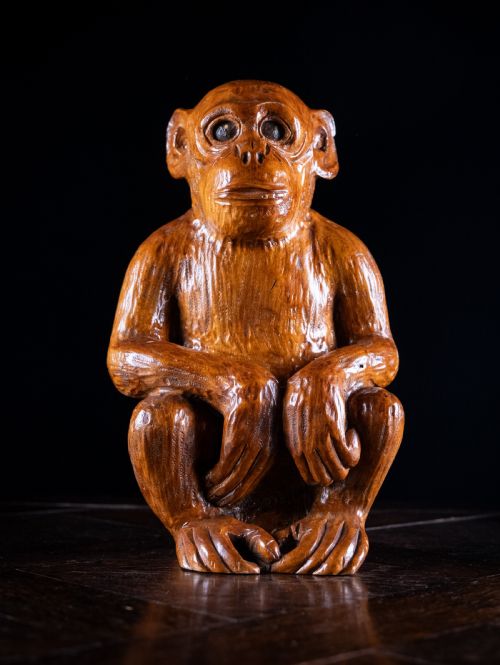
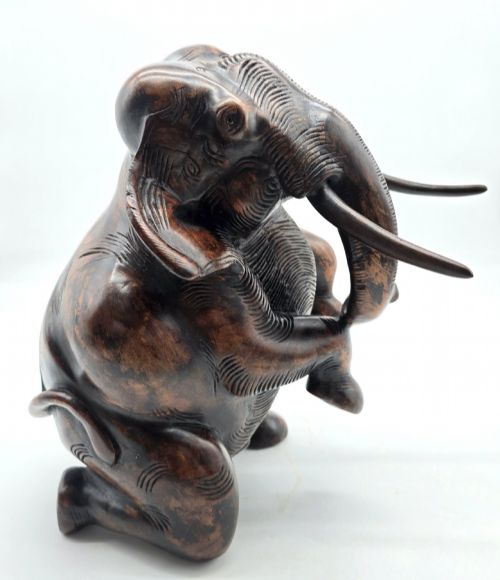
Most examples materialising on this page hail from the nineteenth and early twentieth centuries, taking the form of guardian kings, temple guards, deities and naturalistic animals. Common iterations include boxwood foo dogs, soapstone immortals and hardwood guardian figures presented on fitted wooden bases.
Materials and Techniques
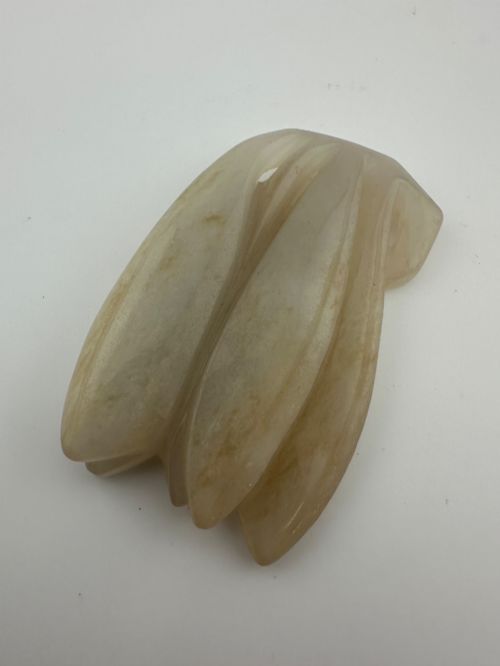
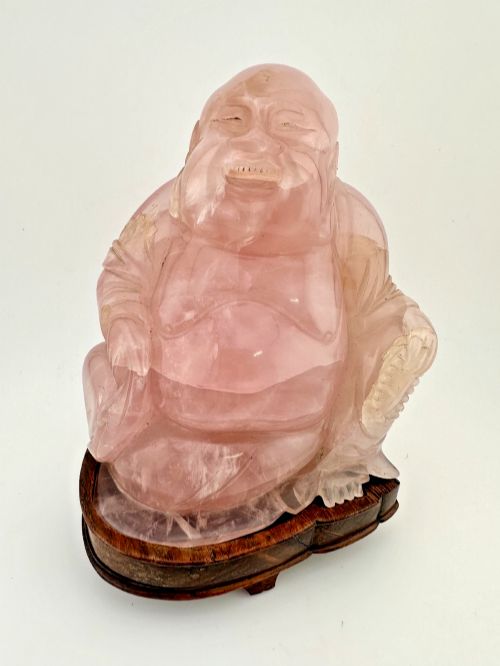
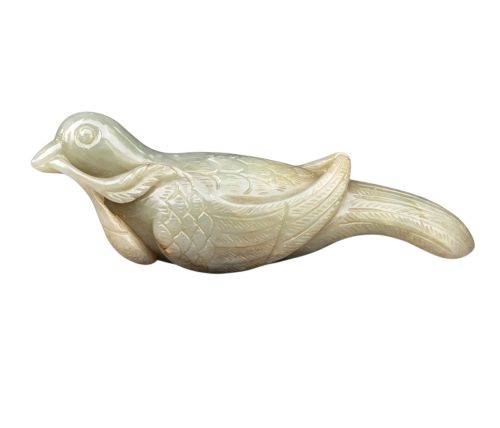
Makers utilised dense timbers such as hardwood and boxwood, employing deep relief carving to define flowing robes, musculature and facial expressions. Delicate details often emerge from natural minerals including jade, soapstone, bowenite and rose quartz.
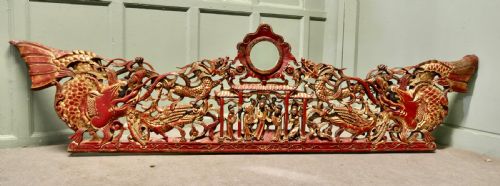
Surface treatment frequently involves applied lacquer, gold leaf and polychrome pigments to enrich wooden and stone substrates. Bronze mounts and mixed metals also appear, securing structural integrity or adding contrasting decorative elements to organic forms.
Listings feature hardstone, lacquer and carved wood across centuries ranging from the seventeenth to the twentieth.
Judging Quality
Distinction at the upper tier rests upon the crispness of the chisel work and the natural figure of the chosen material. Superior carvings display anatomical fluency and confident depth, whereas lesser pieces rely on mechanical repetition and shallow incision.
The integration of the material dictates refinement, as seen in jade and hardstone works where natural inclusions enhance the composition rather than obscure the form. Original surfaces, retainable patination and matching fitted stands elevate the standing of any sculptural group.
Haruyama Shunzan
The Oriental Carved Sculptures Glossary
- Qing Dynasty
- The final imperial dynasty of China, lasting from 1644 until 1912. Pieces from this era often display intricate jade work and naturalistic wood carving.
- Hardwood
- Dense timber derived from broad-leaved trees such as rosewood or boxwood. These durable woods were favoured for substantial temple guards and scholar objects.
- Soapstone
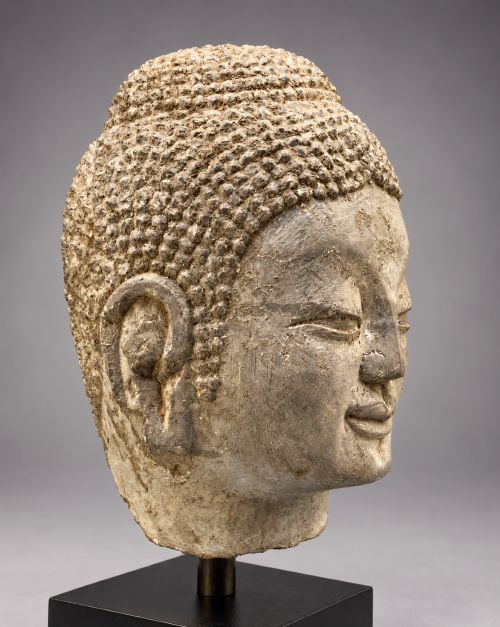
- A relative soft metamorphic rock easily shaped by hand tools. It permitted carvers to achieve smooth transitions and translucent effects in figures.
- Shishi
- A mythical lion guardian traditionally placed outside temples and palaces. Sculptors rendered these creatures with curling mannes and energetic postures.
Oriental Carved Sculptures: Frequently Asked Questions
What are oriental carved sculptures made from?
Makers carved these objects from various dense hardwoods, roots and regional stones including soapstone, jade and serpentine. Surface enrichment often includes lacquer, giltwood and polychrome paint.
Certain items incorporate bronze elements, brass bells or hardstone inserts to create complex decorative groups.
How do I care for antique wooden sculptures?
Keep wooden pieces away from direct sunlight and sudden temperature shifts to prevent the timber from splitting. Dust gently with a dry, soft brush rather than using wet cloths.
Applied finishes like lacquer and gold leaf require gentle handling to preserve their original surface integrity over time.
How can I tell the age of a stone carving?
Examine the tool marks left behind on the unpolished areas of the stone using a loupe. Hand-carved surfaces display subtle irregularities distinct from modern mechanical production.
Material choice and stylistic conventions aligned with specific imperial periods or dynasties also offer reliable clues to dating.
Where were these sculptures originally displayed?
Many large wooden guardians and temple figures stood inside religious shrines or elite domestic ancestral halls. Smaller jade and soapstone pieces functioned as scholar desk objects or meditation aids.
Pairs of animals and deities were frequently arranged symmetrically on tables, stands or architectural pediments within wealthy interiors.