

Antique Chinese Lions
These antique chinese lions encompass bronze censers, carved wood guardians and porcelain figures forged through centuries of tradition.
Antique Chinese Lions
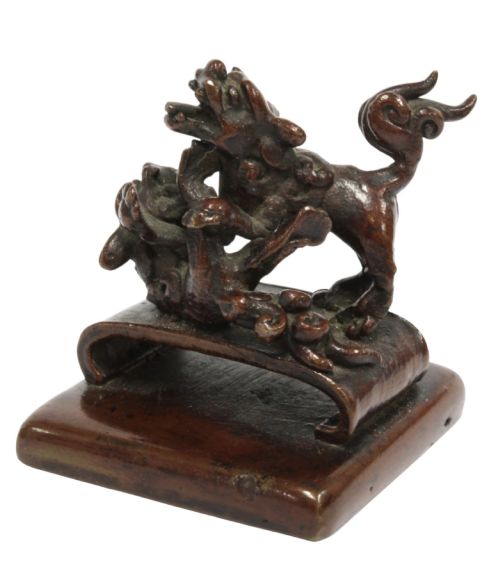
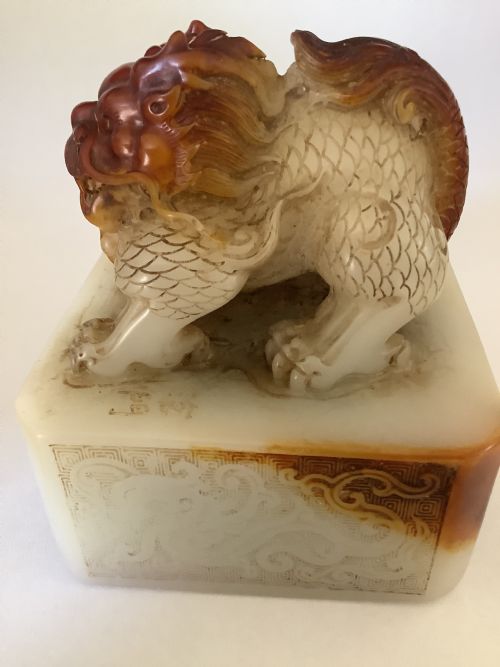
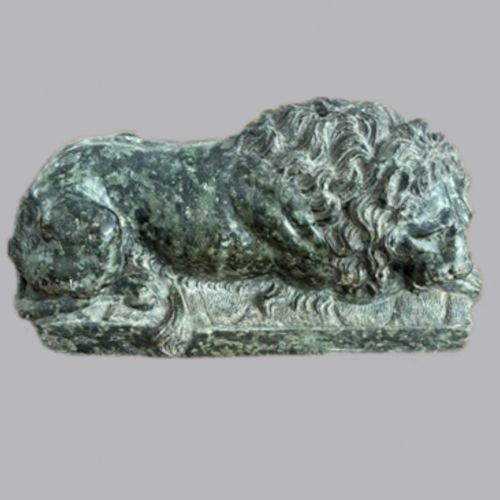
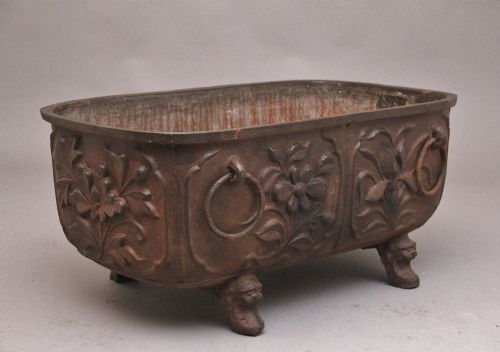
When searching for antique chinese lions, buyers encounter a diverse range of objects including temple guards, scholar seals, incense burners and decorative figures. The pieces span periods from the Ming dynasty and seventeenth century through to the nineteenth and early twentieth centuries, reflecting enduring cultural motifs. Forms vary from monumental bronze temple figures to smaller carved wood, soapstone and porcelain sculptures.
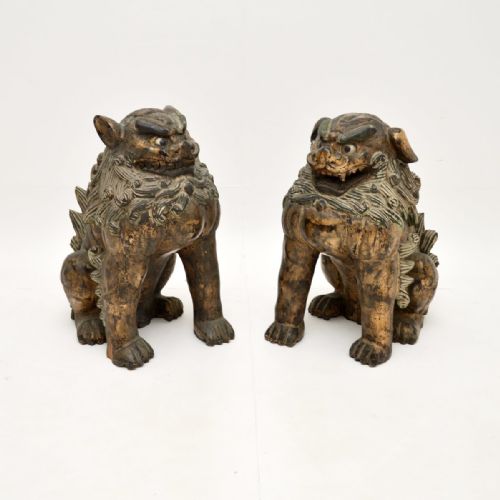
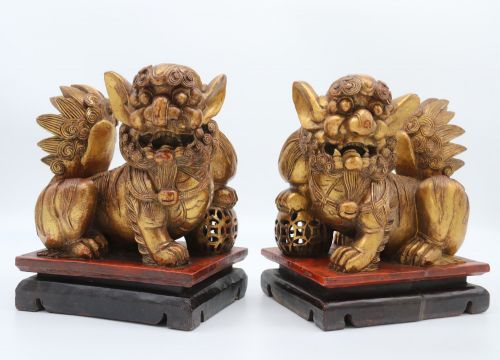
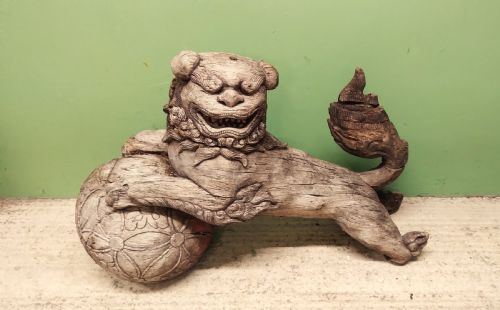
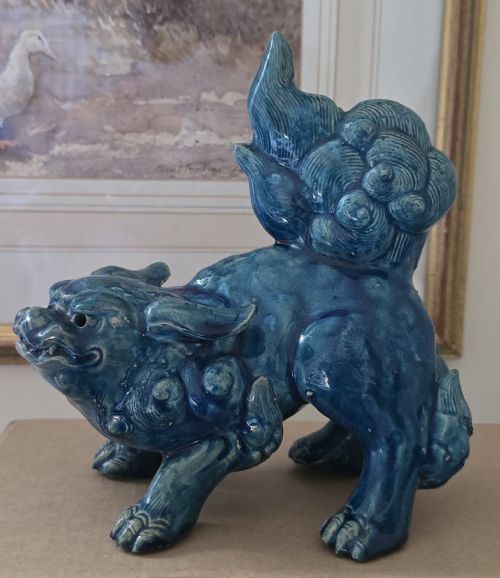
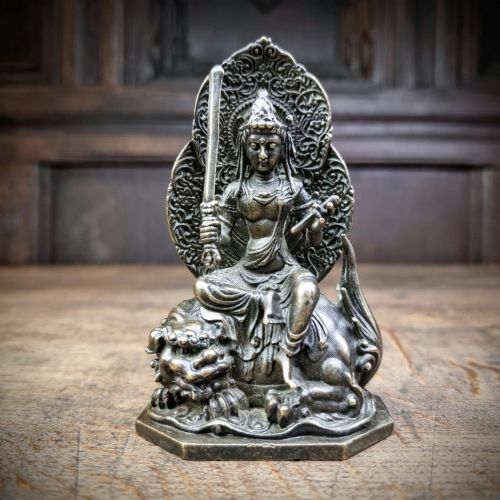
The version most commonly met on this page is the traditional Foo Dog or Buddhist lion, often rendered in pairs for display as guardians or bookends. These figures appear in various media such as cast bronze, glazed ceramic, carved boxwood and root wood, linking domestic scholar settings with larger architectural temple contexts.
Materials and construction
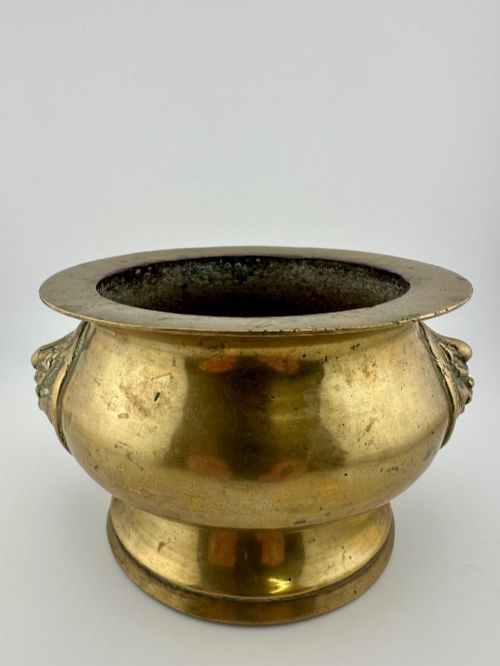
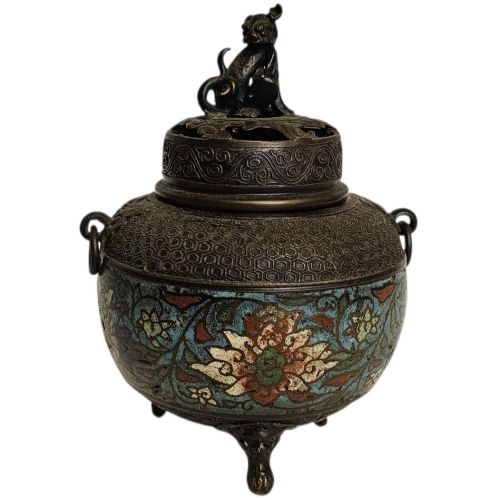
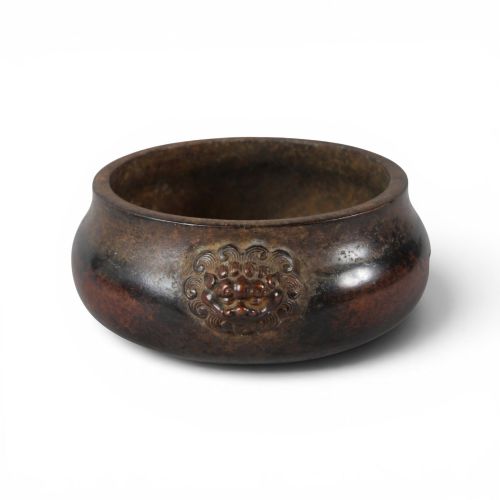
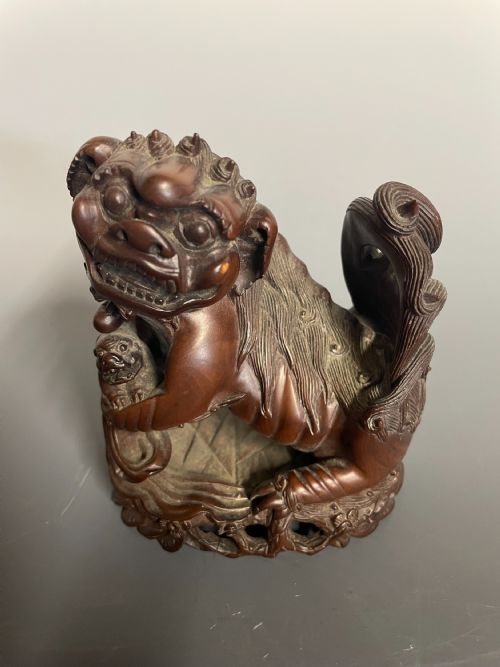
Bronze and brass casting form the backbone of many ritual and scholar pieces, frequently incorporating intricate details like lion-mask handles, cloisonne enamel or gilt accents. Artisans also utilised carving techniques on organic materials such as boxwood, root wood and soapstone to achieve fluid movement and textured coats.
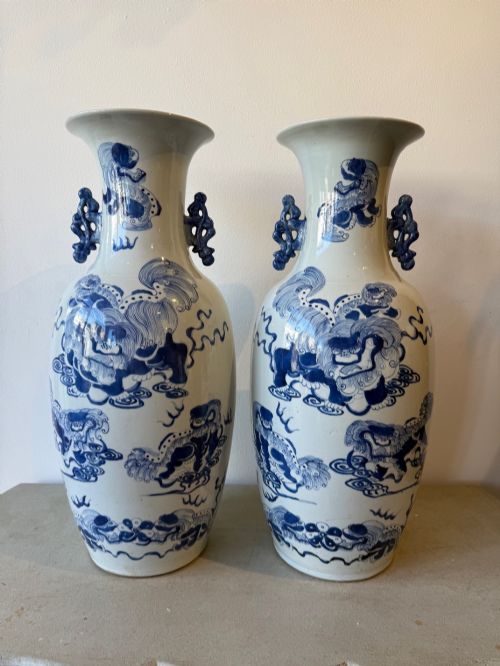
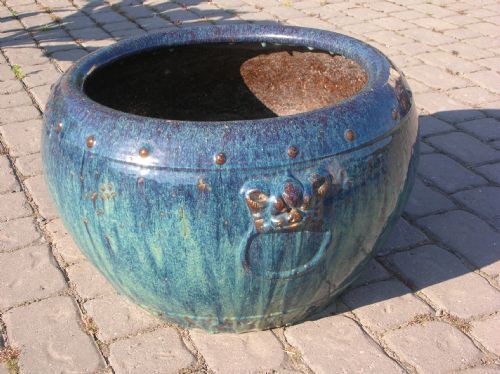
Ceramic works rely on specialised glazes, including blue and white, blanc de chine, turquoise and wucai enamels applied to porcelain or pottery bodies. These varied production methods ensure that each medium dictates the crispness of the carving and the depth of the finish.
Some fierce guardian lions clutch playful cubs beneath their paws, softening their formidable temple duties.
Assessing quality
Material selection and surface preservation further separate the standard from the exceptional, as seen in the translucency of a fine blanc de chine glaze, the richness of original gilding, or the density of carefully chosen hardwoods and soapstones.
The Antique Chinese Lions Glossary
- Shi Shi
- A traditional term for a stone guardian lion or Foo Dog stationed outside temples and palaces. These mythical creatures symbolise protection and authority.
- Blanc de Chine
- A type of white porcelain made in Dehua, Fujian province, featuring a distinct ivory or milk-white glaze. It is particularly prized for smooth figural sculptures and censers.
- Wucai
- A polychrome ceramic decoration style meaning five colours, typically combining underglaze blue with overglaze iron red, green and other enamel pigments. This technique appears on transitional jars and vessels.
- Qilin
- A mythical hooved Chinese creature often associated with auspicious omens, occasionally grouped with lion figures in early metalwork and bronzes.
Antique Chinese Lions: Frequently Asked Questions
What is a Foo Dog?
A Foo Dog is actually a representation of a Chinese guardian lion rather than a canine. They traditionally stood outside gates and temples to ward off evil spirits.
Over time, smaller versions became popular for domestic use as mantel ornaments, bookends and desk seals.
How were these bronze lions used?
Many bronze lion figures function as incense burners, censers or scholar's desk accessories. The smoke would drift through movable parts or open mouths during ritual or meditative practices.
Larger bronzes served as temple guards or heavy architectural elements within sacred spaces.
How do I care for wooden carvings?
Carved wood and root wood figures require stable humidity and temperature to prevent splitting or drying. Regular dusting with a soft, dry cloth preserves the natural patina without stripping the surface oils.
Keep them away from direct sunlight and heat sources to maintain the integrity of the lacquer or timber.
How do I identify ceramic glazes?
Ceramic glazes range from the transparent pale greens of the Qing period to the bright multi-coloured palettes of wucai wares. Examining the base, crazing patterns and interaction with the underlying body helps determine the period.
Blanc de chine pieces display a distinct unified body and glaze where the material fuses seamlessly during high-temperature firing.