

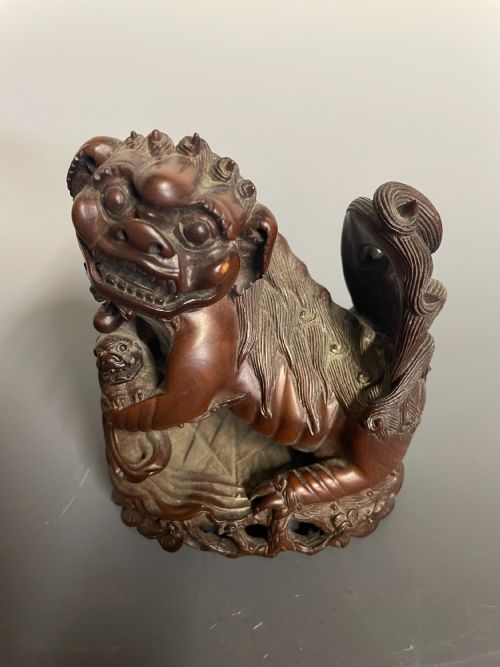


Antique Shishi Dog
An antique shishi dog is a guardian lion of myth and temple entrance, rendered in bronze, porcelain or carved wood to protect domestic spaces.
Antique Shishi Dog
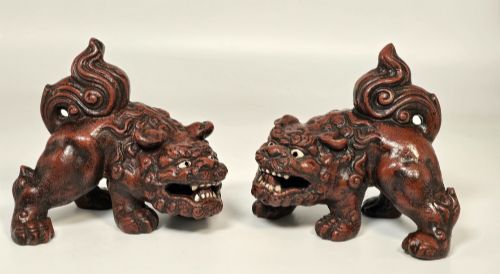
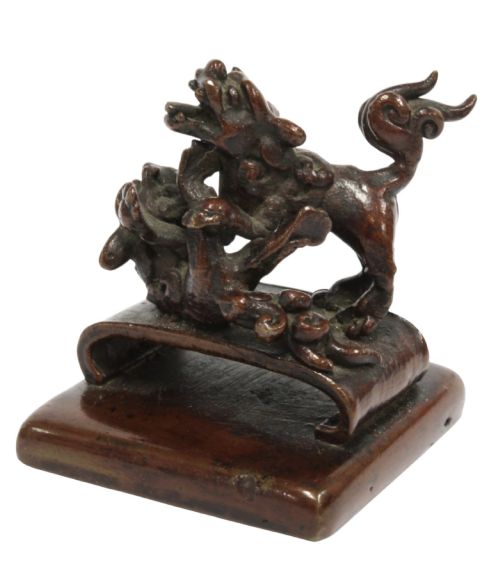
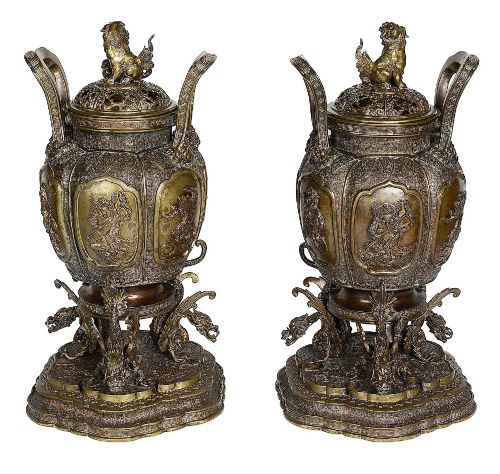
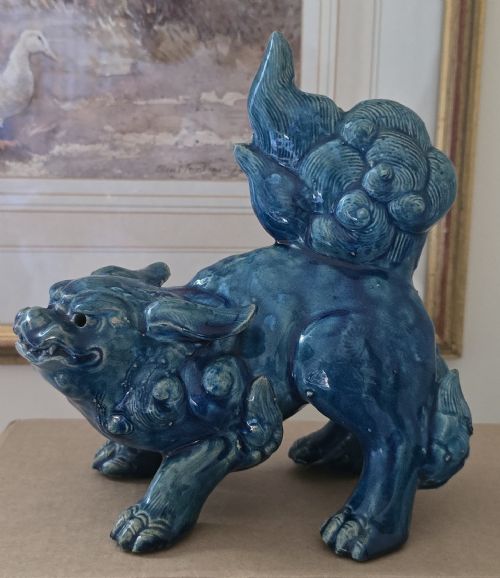
When you search for an antique shishi dog, you look at sculpted guardian figures rooted in Asian iconography, often known interchangeably in the market as foo dogs or lion dogs. The pieces gathered here span centuries of craftsmanship, taking the form of ceramic sculptures, bronze scholar seals, lidded urns and carved wooden figures.
You are most likely to meet Japanese Meiji period examples in porcelain, particularly Kutani wares, alongside Chinese bronzes and carved wood figures from earlier dynasties. These guardian beasts appear singly or in pairs, sometimes serving as decorative vessels, incense burners or architectural protectors.
The materials and origins shift across the selection, moving from vibrant Japanese Imari enamels to austere 17th-century Chinese bronze. Each object carries the traditional stance of the mythical lion, balancing ferocity with a stylized domestic charm.
How they were made
Makers shaped these guardian figures using traditional casting, carving and ceramic techniques appropriate to each material. Bronze and iron pieces involve lost-wax casting or direct metalwork, often finished with gilt or fine chiselling to define the musculature and curls of the mane.
Ceramic shishi utilise porcelain or earthenware bodies, painted with enamel palettes such as Japanese Imari or glazed in turquoise and vibrant colours before high-temperature firing. Wood and boxwood carvings rely on meticulous hand-chisel work to capture the dense grain and intricate surface details.
Gilding and gold leaf appear across metallic and wooden surfaces, adding a layer of surface enrichment that highlights the ferocious facial expressions and ornate collars characteristic of the subject.
Antique Shishi Dog Retail Price Guide 2026
Typical asking prices for shishi dog among the pieces listed under this phrase on Sellingantiques today, from the lower quarter to the upper quarter. They describe what is for sale here now, not the wider market.
Beneath a fierce exterior, many shishi sport curly locks resembling overgrown poodles.
What varies in quality
The distinction between ordinary and exceptional work rests on the crispness of the carving and the vitality of the posture. Superior examples display deep, deliberate cuts in wood and bronze or precise, vibrant enamel work on porcelain that brings the mythical beast to life without stiffness.
Unno Shomin
The Antique Shishi Dog Glossary
- Shishi
- A mythical guardian lion originating in Buddhist tradition. These figures symbolise protection and prosperity in East Asian art.
- Foo dog
- A Western colloquial term for the shishi or Chinese guardian lion. Collectors frequently use this alongside lion dog.
- Kutani
- A style of Japanese coloured porcelain known for vibrant enamel decoration. Pieces from this tradition often depict figures and animals in rich palettes.
- Imari
- A type of Japanese porcelain decorated in underglaze blue and overglaze red, gold and black. It remains one of the most recognisable export wares.
- Okimono
- A Japanese ornamental figurine designed for display in a tokonoma alcove or cabinet. They demonstrate exceptional metal or ivory carving skill.
- Koro
- A traditional Japanese incense burner, often lidded and tripod-based. Shishi frequently top these vessels as sculptural guardians.
Antique Shishi Dog: Frequently Asked Questions
What is a shishi dog?
A shishi dog is a mythical guardian lion derived from Buddhist iconography, traditionally placed at temple gates to ward off evil spirits.
Over time, these protective figures entered domestic spaces as decorative sculptures, incense burners and scholarly desk accessories.
How do I tell Chinese from Japanese figures?
Chinese examples frequently utilise heavy cast bronze, carved wood or archaic styles reflecting dynastic periods like the Ming and Qing.
Japanese versions often appear in vibrant Kutani porcelain, Imari enamels or refined Meiji period bronzes and ironwork.
Where should I display a guardian lion?
These figures traditionally flank entryways, doorways or prominent mantelpieces to project their protective symbolic duties.
In a modern interior, they function effectively as sculptural centrepieces on sideboards or within display cabinets.
Are shishi dogs always found in pairs?
While many guardian lions are created as symmetrical pairs representing yin and yang, many survive as single figures.
Single pieces were often made as standalone scholars' objects, incense burners or individual decorative sculptures.