



Qing Dynasty Foo Dogs
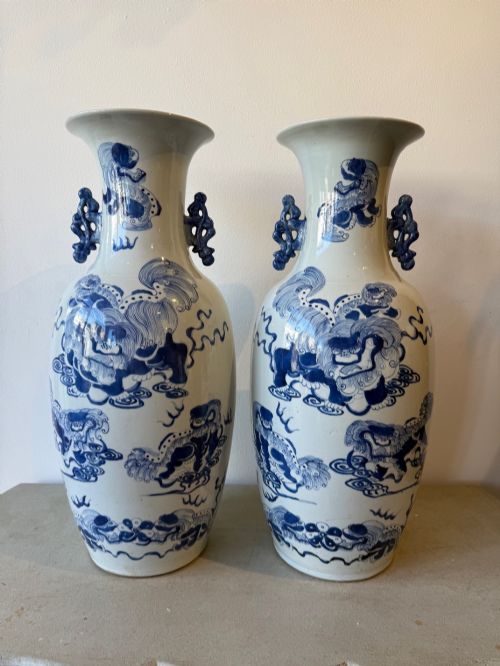
Qing dynasty foo dogs are protective guardian figures modelled in porcelain, bronze, wood and pottery to watch over sacred spaces.
Qing Dynasty Foo Dogs
When you search for qing dynasty foo dogs, you encounter guardian figures that combine mythological symbolism with traditional Chinese craftsmanship. These pieces appear as statues, incense burners and decorative sculptures originating across the nineteenth and eighteenth centuries.
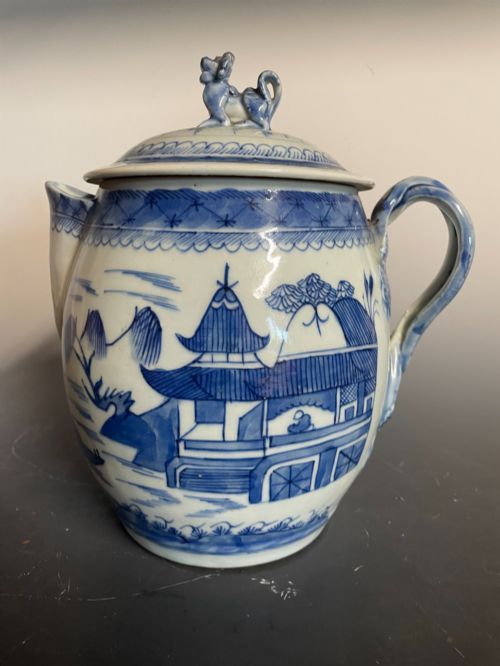
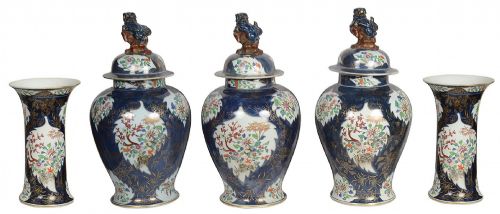
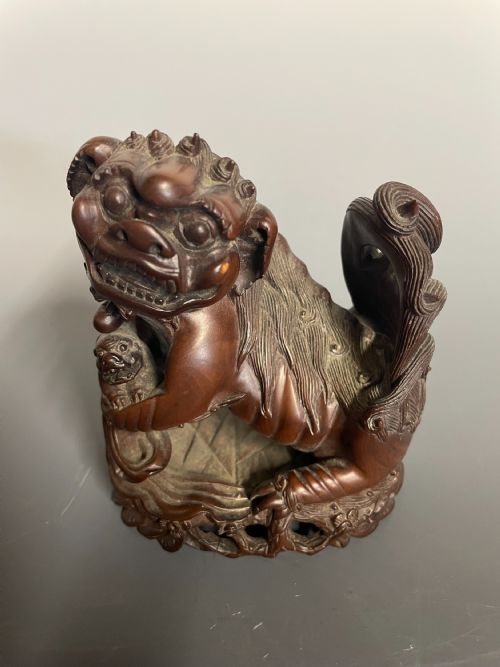
The selections on this page are most commonly pairs of Buddhist lions rendered in carved wood, painted porcelain, bronze or pottery. They reflect both domestic household shrines and larger export pieces designed for Western interiors.
Materials and construction methods
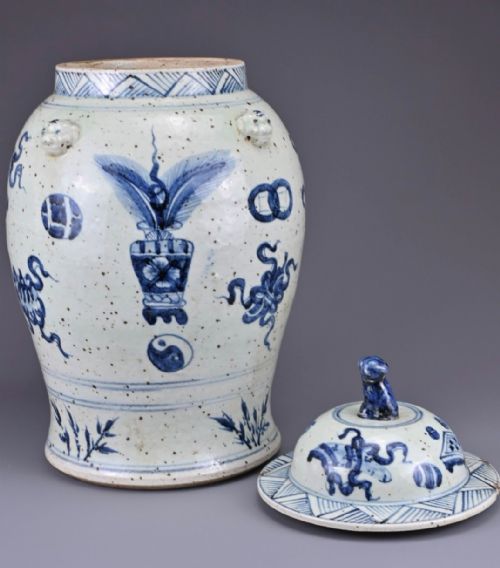
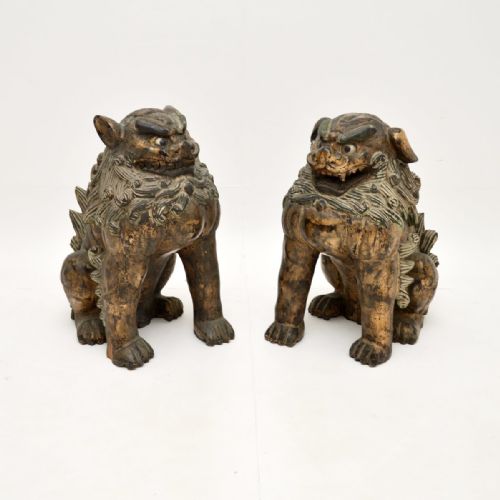
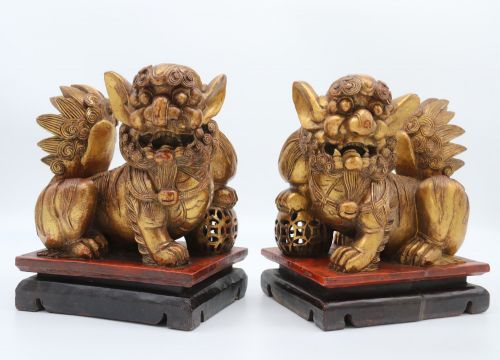
Carvers shaped dense boxwood, root wood and padouk into dynamic guardian figures, often finishing the surfaces with gold leaf and lacquer. Potters utilised porcelain and earthenware bodies, applying cobalt blue, sancai glazes and famille rose enamel colours before firing.
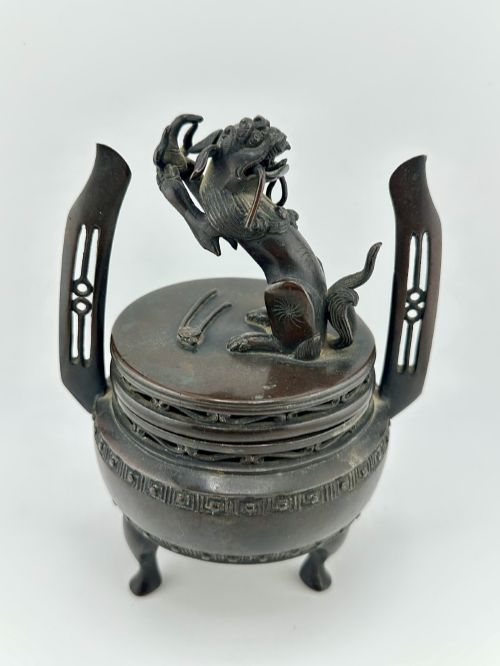
Metalworkers cast bronze using traditional techniques to create heavy incense burners and figural statues with intricate surface details. Artisans combined these durable materials to produce objects capable of enduring centuries of handling and display.
The listings on this page span the 18th and 19th centuries, featuring materials such as porcelain, bronze, carved wood and cloisonné enamel.
Judging the quality of guardian figures
Condition and originality also dictate the standing of a piece, particularly the preservation of hand-painted enamel colours, gilding and original wooden surfaces. Intact matching pairs command greater attention from collectors than mismatched or heavily restored single figures.
The Qing Dynasty Foo Dogs Glossary
- Foo dog
- A traditional guardian lion figure placed outside temples and homes to ward off malevolent spirits. These mythical beasts are also known as Buddhist lions or dogs of Foe.
- Famille rose
- A palette of opaque enamel colours dominated by pink, introduced to Chinese porcelain during the Qing dynasty. This technique allowed artists to create delicately shaded floral and figurative compositions.
- Sancai
- A three-colour glaze technique typically combining green, amber and creamy white tones. Potters applied these lead-glazed colours to earthenware bodies during firing.
- Cloisonné
- An enamelwork technique where metal wire creates raised compartments on a bronze or copper base. Artisans fill these cells with coloured paste before firing and polishing the surface smooth.
- Tripod censer
- A ritual vessel supported by three legs, frequently cast in bronze with a guardian animal perched on the lid. These incense burners served both practical and ceremonial functions in Chinese interiors.
Qing Dynasty Foo Dogs: Frequently Asked Questions
What are foo dogs actually supposed to be?
Foo dogs represent mythical guardian lions rather than actual canine breeds. They derive from Buddhist tradition and symbolize protection, power and prosperity.
Traditionally stationed outside sacred buildings, smaller versions were brought indoors to guard domestic spaces and household altars against negative influences.
How do I know if a piece is from the Qing dynasty?
Dating relies on examining the materials, potting techniques, glaze characteristics and wear patterns consistent with eighteenth and nineteenth-century workshops. Stylistic markers and historical manufacturing methods provide the primary clues.
Comparing the object to documented examples helps establish its period of origin.
Why do some foo dogs have balls under their paws?
Guardian figures depicted with a brocade ball typically represent males and symbolize imperial supremacy and energy. Figures with a cub beneath the paw usually represent females and symbolize maternal nurture and protection.
Traditionally, pairs are displayed with the male on the left and the female on the right from the viewer's perspective.
How should I display wooden and bronze foo dogs?
Place them on stable surfaces away from direct sunlight and dramatic temperature fluctuations to protect delicate wood finishes and patinated bronze. Keeping them clear of heating vents preserves the integrity of the material.
Allowing adequate space around each sculpture highlights their powerful postures and detailed craftsmanship.