



Chinese Porcelain Platter
When you search for a chinese porcelain platter, you find centuries of ceramic skill made for dining and display.
Chinese Porcelain Platter
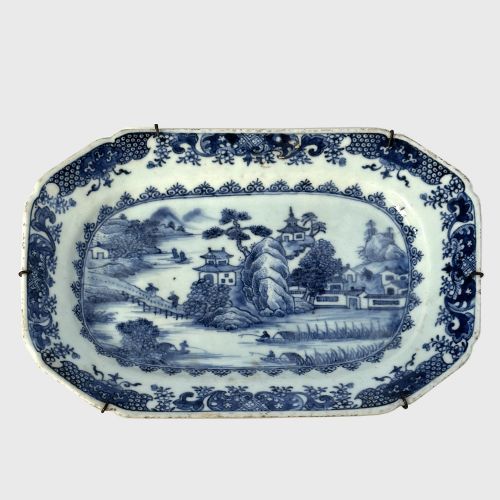
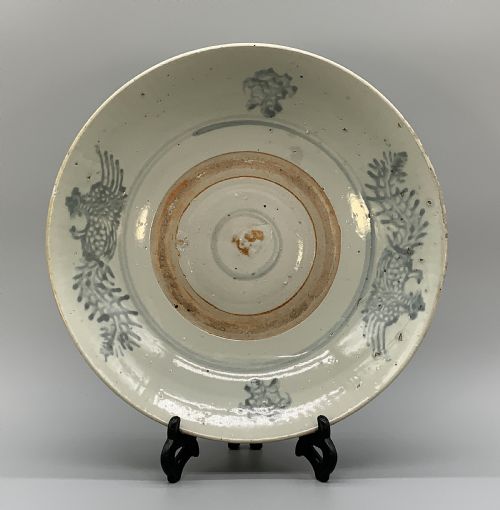
A chinese porcelain platter bridges functional serving ware and decorative display, appearing in forms such as chargers, serving dishes, and meat drainers. These objects originate from various periods including the Ming, Qing, and Yuan dynasties, as well as the 18th and 19th centuries.
The version most commonly encountered on this page is the blue and white porcelain platter or charger from the 18th century, often associated with Chinese Export porcelain made for international markets. Buyers also frequently meet Canton Famille Rose and Famille Verte pieces alongside Imari decorated wares.
Forms range from large circular chargers and lobed bowls to rectangular serving platters and octagonal trays. Their original purpose involved presenting food at grand tables, though today they function primarily as decorative centrepieces.
How they were made
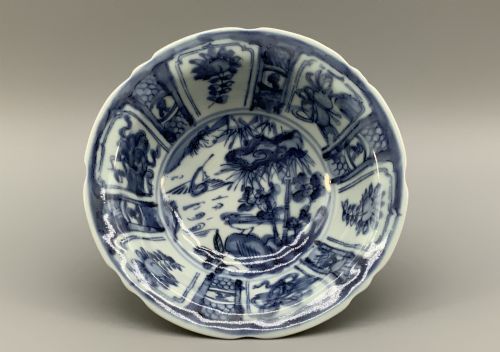
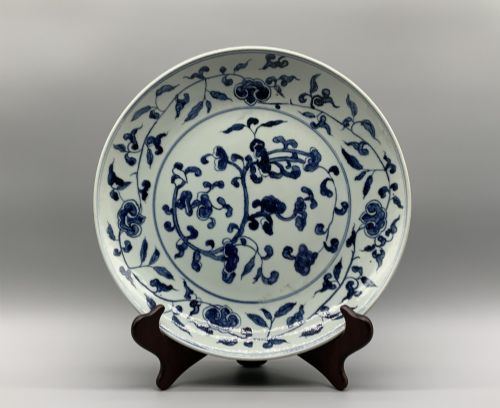
Makers utilised hard-paste porcelain combined with cobalt glaze and cobalt pigment to produce the enduring blue and white designs seen across the Ming and Qing periods. Underglaze painting allowed intricate botanical and figurative scenes to endure beneath a clear glossy finish.
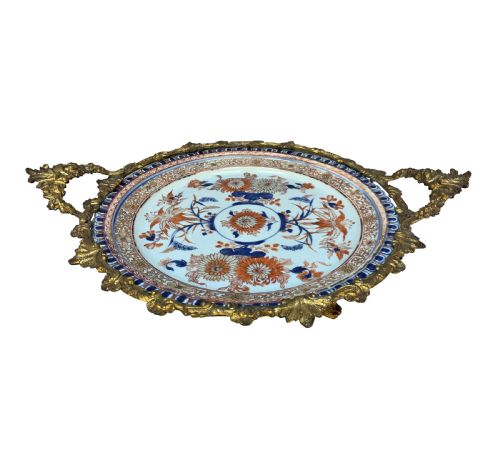
Polychrome decoration relied on enamel and specific palettes such as Famille Rose, Famille Verte, and Chinese Imari, applied over or under the glaze by hand. Artisans also shaped pieces through moulding, creating floral scrolls, barbed rims, and trefoil trays.
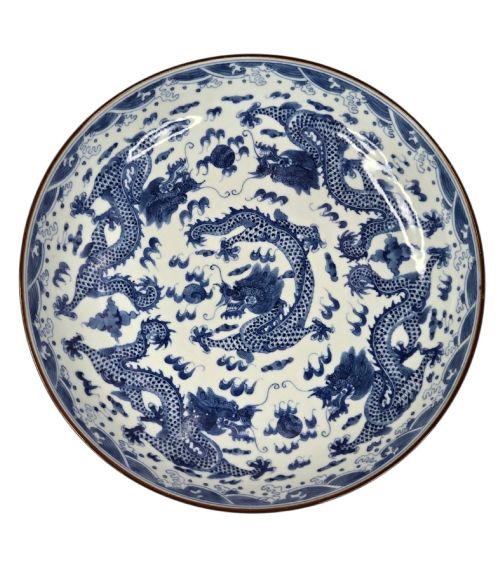
Dragons with five claws chase sacred pearls across 19th-century porcelain while court figures gossip nearby.
What varies in quality
Quality rests in the precision of the hand-painted brushwork and the clarity of the cobalt blue or enamel colours against the white porcelain ground. Superior examples exhibit fluid, confident lines in complex court life or floral scenes rather than rushed execution.
The crispness of moulded elements, such as barbed rims, floral scrolls, and recessed meat drainer perforations, distinguishes finer production. Additionally, the presence of correct period marks and unblemished glaze surfaces separates ordinary utility wares from collector-grade pieces.
Bluett and Sons London
The Chinese Porcelain Platter Glossary
- Charger
- A large decorative plate or platter intended for ceremonial dining or grand display rather than individual use. These substantial dishes measure significantly wider than standard dinner plates.
- Chinese Export
- Porcelain manufactured in China specifically for export to European and American markets from the 16th through the 19th centuries. These designs frequently blended traditional Chinese motifs with Western armorial or geometric preferences.
- Famille Rose
- A palette of opaque enamels introduced in the Qing dynasty featuring a predominant pink or rose colour. Artisans used this technique to render detailed floral and figural compositions.
- Kangxi Period
- The reign period within the Qing dynasty lasting from 1661 to 1722, celebrated for brilliant cobalt blue underglaze porcelain and exceptional technical refinement. Pieces from this era often display deep sapphire tones and crisp potting.
- Swatow Ware
- A category of coarse Chinese ceramic wares produced in Guangdong province during the late Ming dynasty for export across Southeast Asia and Japan. These pieces typically feature bold, spontaneous brushwork under a crackled glaze.
Chinese Porcelain Platter: Frequently Asked Questions
How were these platters used?
These large ceramic vessels served grand dining tables for presenting meats, fish, and communal dishes during feasts. Specialist forms like meat drainers sat inside serving platters to separate juices from the roast.
Over time, owners transitioned them from the dining room to display cabinets and walls. Their scale and visual impact made them prized decorative objects in European and Asian interiors.
How do I tell Qing dynasty pieces apart?
Qing dynasty platters display distinct palette shifts, moving from the intense cobalt blues of the Kangxi era to the vibrant pinks and greens of Famille Rose and Famille Verte enamels. Form and mounting also offer clues, with later 19th-century Canton pieces showing denser, more colourful panel decorations.
Examining the foot ring, glaze texture, and any reign marks helps narrow down the specific decade of production. Comparative study of standard motifs reveals the evolving aesthetic of the imperial kilns.
Are these platters safe for food?
Historic porcelain can contain stabilised lead or other traditional enamel components, and centuries of wear create microscopic surface vulnerabilities. Using them for serving food risks damaging fragile glazes and surface decoration.
Collectors generally preserve these pieces as display art rather than functional tableware. Gentle dusting maintains the surface without introducing moisture or abrasive cleaners.
What is Chinese Export porcelain?
Chinese Export porcelain refers to goods commissioned by international trading companies for Western households. These objects combined traditional Chinese ceramic bodies with shapes and crests requested by European buyers.
This exchange created unique hybrid designs, including armorial services bearing foreign family crests. They document centuries of global trade between East and West.