
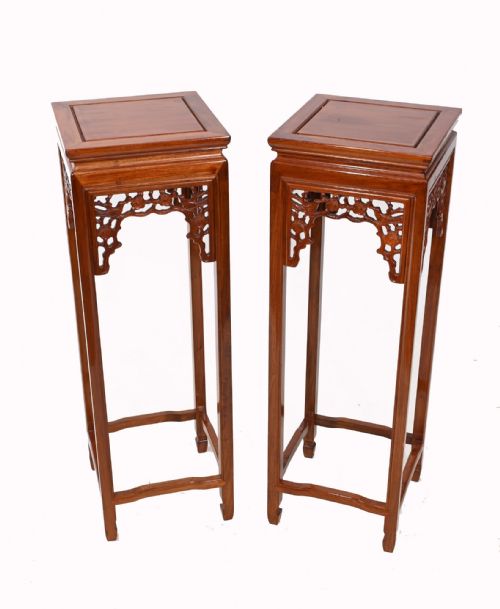
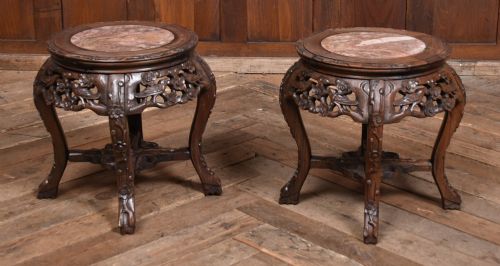
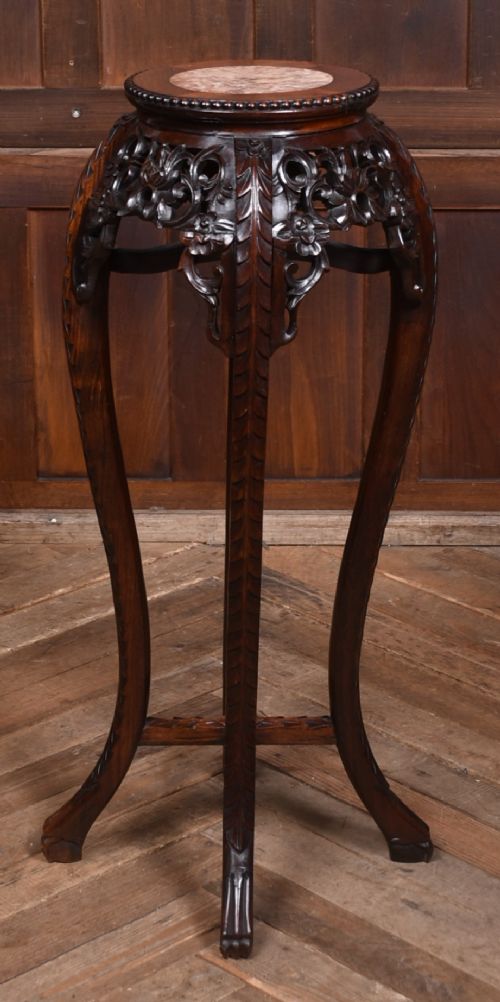


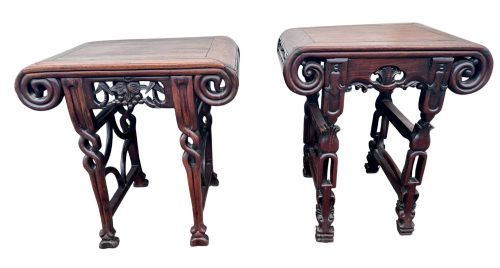

Chinese Oriental Pedestal
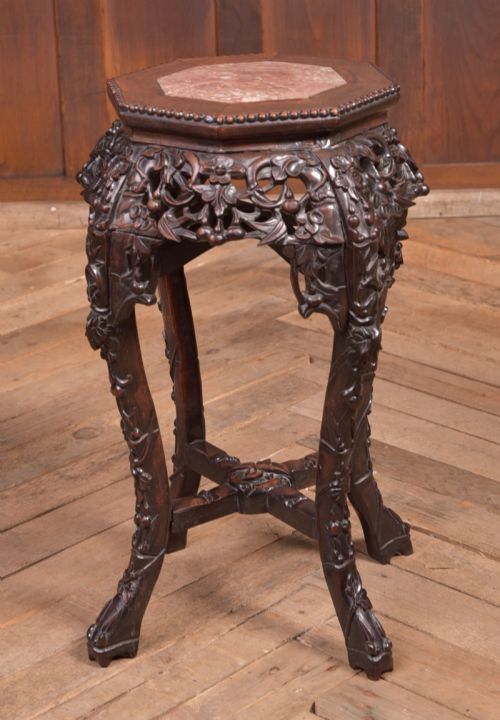
These Chinese oriental pedestal items bring carved timber and inset stone into rooms to elevate heavy plants and vases.
Chinese Oriental Pedestal
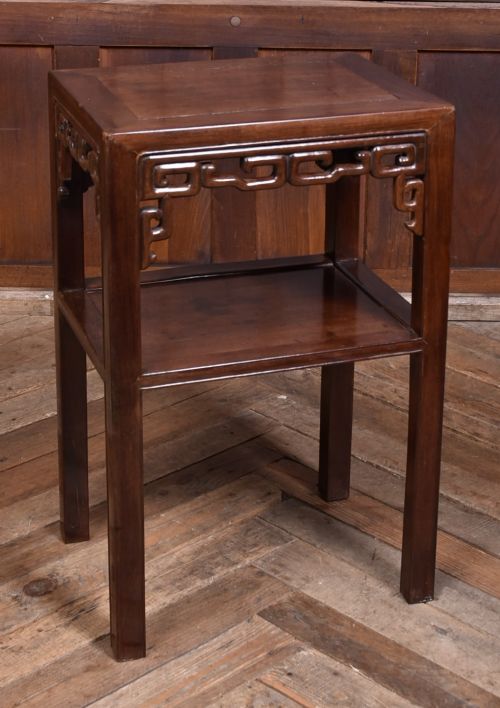
A Chinese oriental pedestal serves as a raised platform for planters, urns and table lamps within domestic interiors. These pieces appear primarily as plant stands, jardiniere stands and vase tables designed to display decorative objects.
Most examples originate from the nineteenth century, spanning Victorian periods down to nineteen-ten. Forms range from tall torchère stands to low rectangular tables and occasional side tables.
Materials and construction
Carpenters utilised dense exotic timbers including rosewood, padouk, hongmu and generic hardwood alongside ebonised wood. These heavy materials provide the structural stability required to support stone inserts and weighty ceramic vessels without tipping.
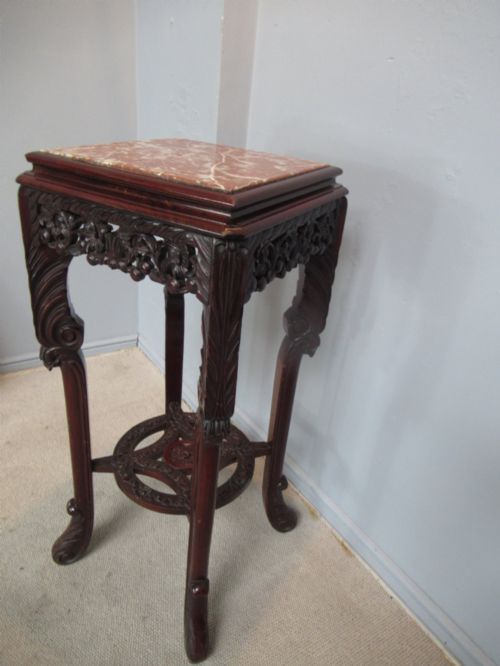
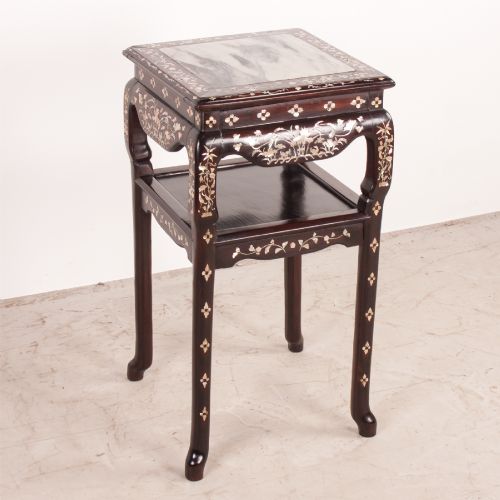
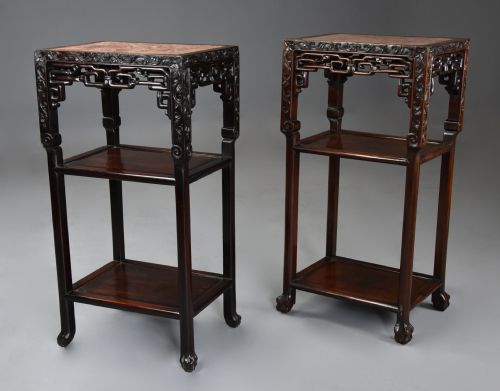
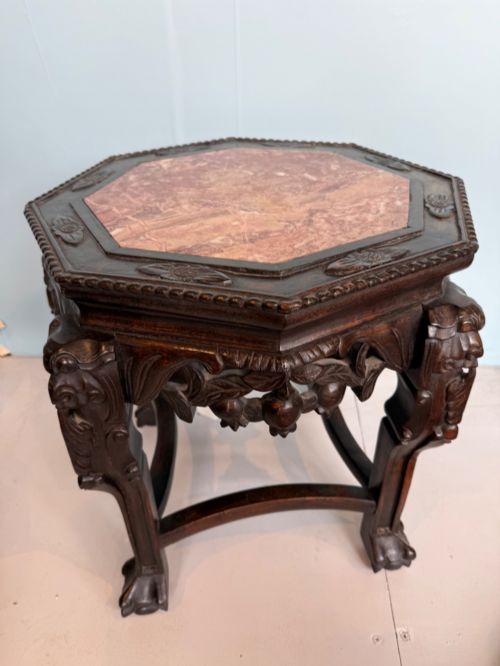
Invention and detail manifest through deeply carved relief work, fretwork aprons and applied mother of pearl inlay. Many tabletops incorporate inset slabs of white or rouge marble, quartz or stone directly into the wooden frame.
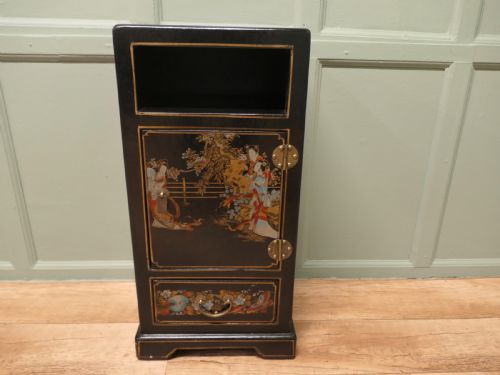
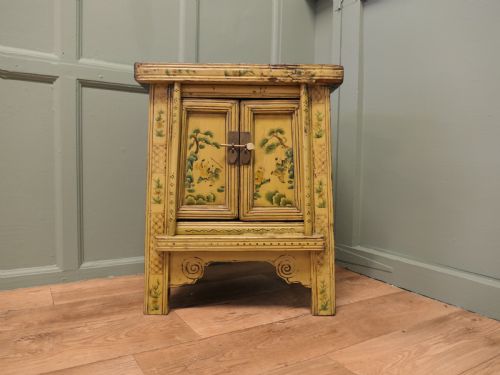
Surface treatments involve traditional clear polishing to reveal timber grain, alongside polychrome paintwork and Chinoiserie lacquer decorations. Structural joints rely on traditional joinery methods that accommodate the natural movement of dense Asian timbers.
Some rootwood tables incorporate natural organic twists of timber paired with deep quartz tops, bringing raw forest shapes directly indoors.
Distinctions in execution
The standard of carving dictates the visual hierarchy of these stands, separating mechanical repetition from fluid, deeply undercut foliage and dragon motifs. Crisp detailing along aprons and legs requires substantial time from skilled artisans.
Material selection creates division between common timber frames and dense, heavy padouk or rosewood structures fitted with unblemished marble or quartz inserts. The integration of stone tops requires precise carpentry to ensure level surfaces flush with the surrounding wood.
Proportion and scale influence desirability, as taller freestanding torchères and matched pairs demand greater structural integrity than smaller single occasional tables. The preservation of original lacquer, polychrome paint or polished timber surfaces preserves the integrity of the piece.
The Chinese Oriental Pedestal Glossary
- Jardiniere stand
- A tall piece of furniture designed to hold a ceramic flower pot or plant container. These stands elevate heavy flora to eye level within a room.
- Padouk
- A heavy tropical hardwood valued for its strength and rich reddish-brown colour. Makers utilised this stable timber for intricately carved stands and tables.
- Chinoiserie
- European interpretations and adaptations of Chinese artistic styles and motifs. This decorative tradition appears on cabinets and lacquered surfaces.
- Hongmu
- A category of dense Chinese red hardwoods used in traditional furniture making. The material permits crisp, sharp carving without splintering.
Chinese Oriental Pedestal: Frequently Asked Questions
What is a Chinese oriental pedestal used for?
These pieces serve as elevated display surfaces for heavy ceramic vessels, bronze urns, large table lamps and potted plants. Their primary function is to lift decorative objects off the floor to showcase them within a room.
Historically, they occupied corners and hallways to display prized items of porcelain or flora, bringing height variation to domestic interior layouts.
How do you style a plant stand at home?
Place a single tall stand in an empty corner to support a trailing houseplant or a decorative ceramic jardiniere. Alternatively, utilise a matched pair of stands on either side of a doorway or fireplace to create symmetry.
Ensure the weight of the object matches the stability of the stand, keeping heavy marble-topped variants for substantial ceramic vessels.
What is the difference between a jardiniere stand and a side table?
Jardiniere stands possess narrow tops and tall, slender proportions specifically engineered to support heavy pots and planters. Side tables offer wider surfaces intended for holding books, lamps or beverages.
Many jardiniere stands incorporate inset marble or stone tops to resist moisture damage from watering plants, whereas standard side tables rely entirely on wood surfaces.
How do you identify nineteenth century Chinese stands?
Nineteenth century pieces exhibit dense Asian hardwoods like rosewood or padouk combined with traditional Chinese joinery techniques. Look for hand-carved floral or dragon motifs executed in high relief alongside inset marble slabs.
Older examples display patination on the timber and hand-finished construction details that distinguish them from twentieth-century reproductions.