


Vintage Oriental Display Stand
A vintage oriental display stand elevates an urn, a plant or a vase, bringing carved timber and inset stone into a room.
Vintage Oriental Display Stand
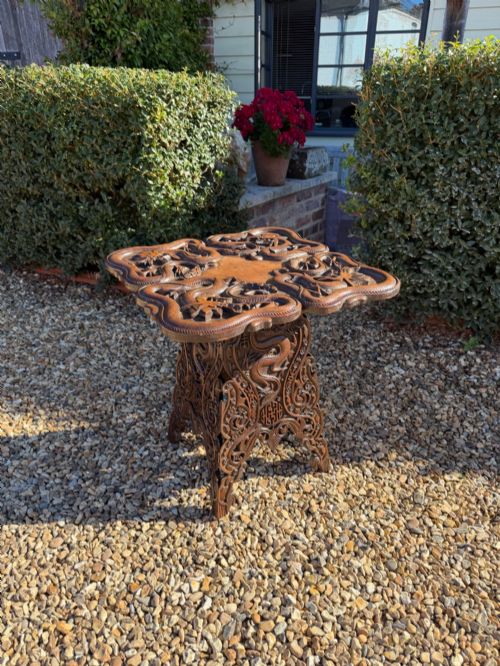
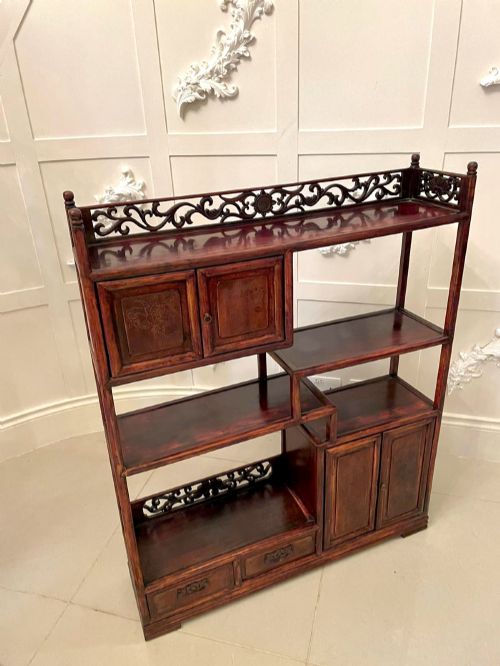
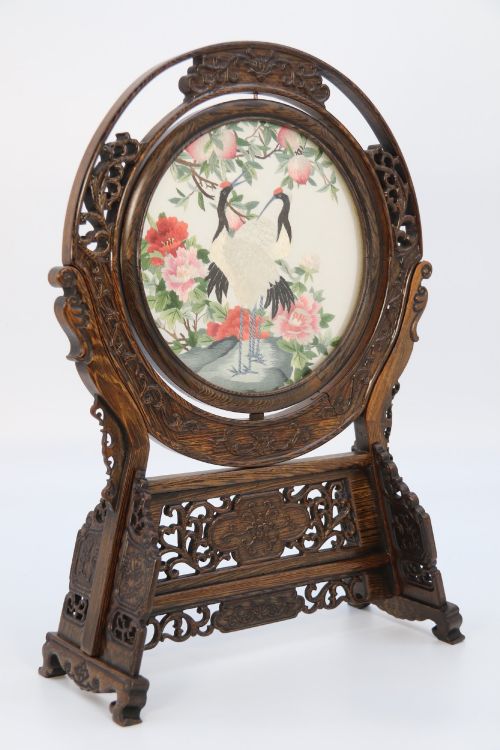
A vintage oriental display stand serves primarily to elevate decorative objects such as jardiniere bowls, vases and table screens. Pieces matching this description span plant stands, side tables, occasional tables and display cabinets originating from nineteenth and early twentieth century periods.
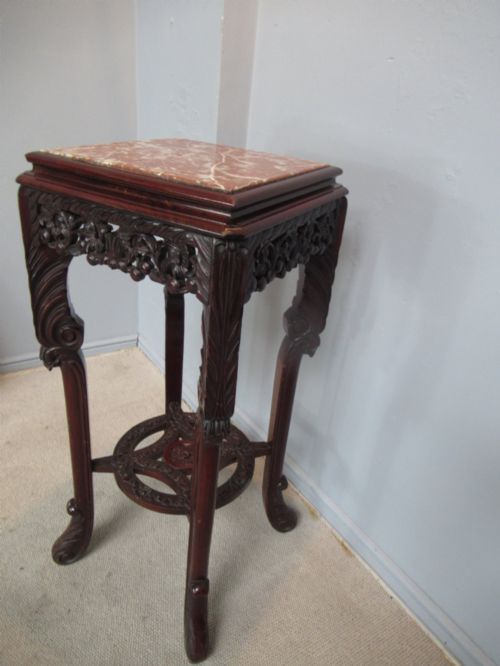
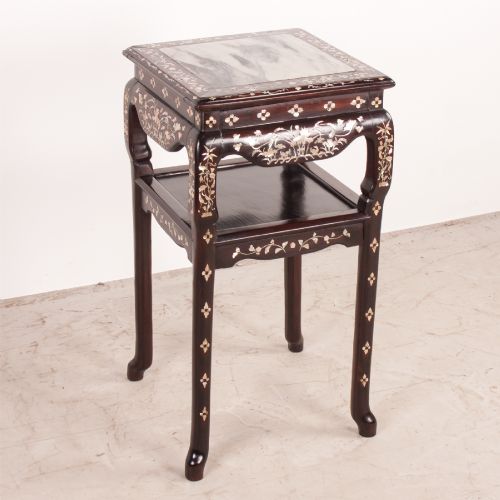
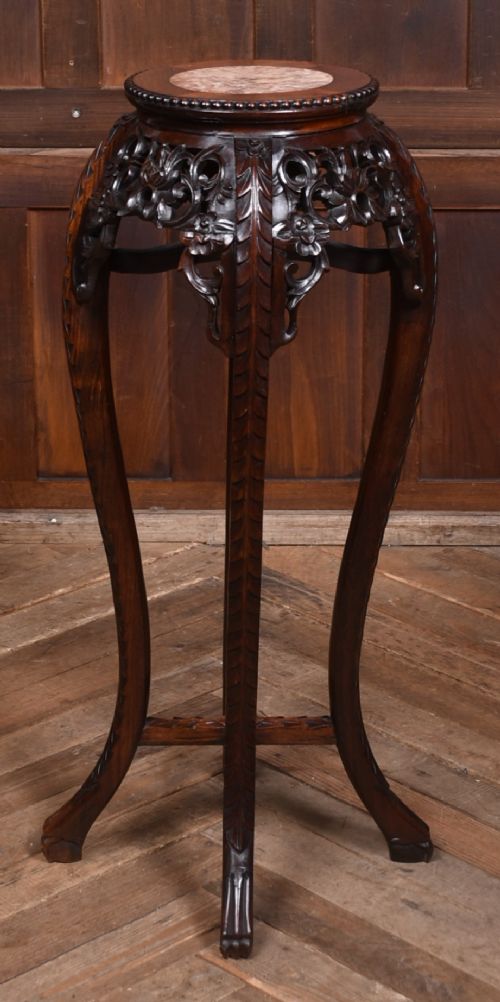
The most common examples encountered on this page are circular or multi-sided plant and vase stands featuring inset marble tops. These forms draw on Chinese Export, Qing style and Chinoiserie traditions, employing sturdy timbers to support heavy ceramics.
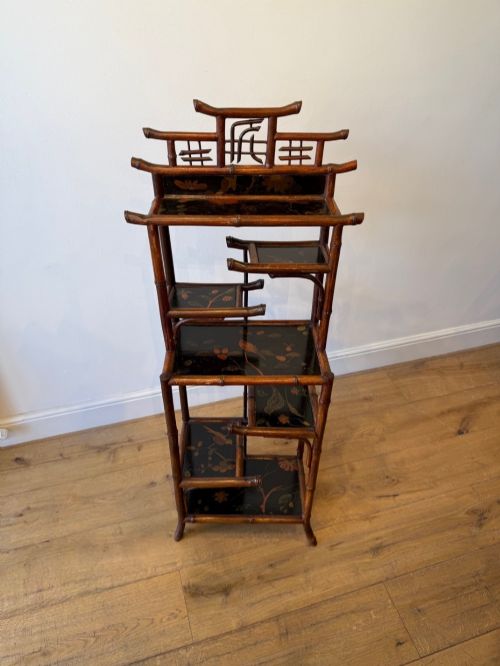
Buyers also encounter related occasional tables, pedestals and smaller display shelves alongside the core stands. These items combine utility with decorative carving, reflecting both Victorian taste and traditional Eastern craftsmanship.
Materials and construction methods
Makers utilised dense hardwoods such as rosewood, hongmu, teak and general hardwood alongside bamboo. These strong timbers allowed craftsmen to carve intricate openwork aprons and slender cabriole legs without compromising structural integrity.
Many stands incorporate inset slabs of veined marble or rouge marble into the timber surface to provide a stable, cool platform for damp plant pots and heavy urns. Other examples utilise lacquer, mother of pearl inlay, brass or enamel details to enrich the surface texture.
Current listings feature items in hardwood, marble, rosewood, bamboo and lacquer across Victorian, Edwardian and early twentieth century periods.
Distinctions in craftsmanship
Quality rests in the depth and crispness of the wood carving, the snugness of the joinery, and the selection of the materials. Superior pieces display tightly fitted mortise and tenon joints and heavy, dense timbers that bear weight firmly.
The choice of secondary materials marks another tier, distinguishing standard bamboo and painted surfaces from finely polished rosewood and carefully polished marble inserts. Attention to detail in the grain, inlay and symmetry separates standard utility stands from finer decorative works.
The Vintage Oriental Display Stand Glossary
- Jardiniere stand
- A tall piece of furniture designed specifically to hold a large plant pot or flower bowl. These often feature marble tops to protect the wood from moisture.
- Hongmu
- A dense, dark traditional Chinese hardwood frequently used in fine nineteenth century furniture. It takes a high polish and supports intricate carving.
- Chinoiserie
- European artistic tradition reflecting Chinese motifs and styles. It appears frequently in lacquer and painted decoration from the Victorian and Edwardian eras.
- Cinnabar lacquer
- A technique involving numerous layers of red lacquer carved with detailed patterns. It produces a rich, tactile surface texture.
Vintage Oriental Display Stand: Frequently Asked Questions
What goes on an oriental display stand?
These stands suit ceramic vases, bronze sculptures, table screens and heavy plant pots. They lift decorative objects to eye level.
Traditional interiors used them primarily for jardiniere bowls and ornamental plants, protecting floors and tabletops while creating a focal point in a room.
How do I identify the wood?
Asian stands often employ dense hardwoods such as rosewood and hongmu, which feel heavy for their size and show dark grain. Other examples use bamboo or lighter woods.
Closer inspection of the underside reveals the weight and grain structure, distinguishing solid native timbers from secondary woods used in export pieces.
Why do many stands have marble tops?
Marble provides a cool, flat and water-resistant surface that tolerates damp plant pots and heavy ceramic urns without warping the surrounding timber.
This practical feature also adds visual contrast against dark carved hardwoods, reflecting the aesthetic preferences of nineteenth century workshops.
Are these stands purely decorative?
While ornamental in nature, these pieces function effectively as small side tables, lamp tables or pedestals for displaying art objects.
Their sturdy construction allows them to support significant weight despite delicate proportions and intricate pierced aprons.