

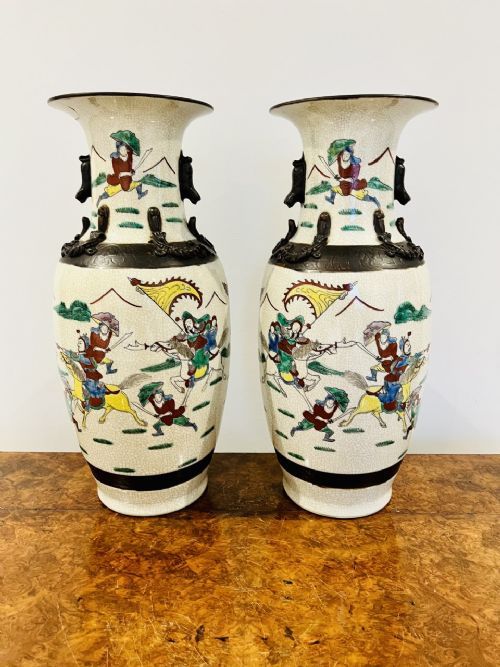
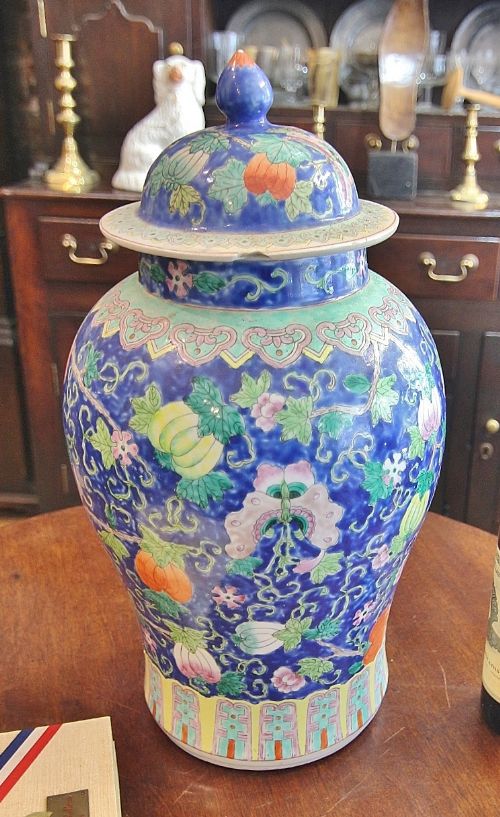
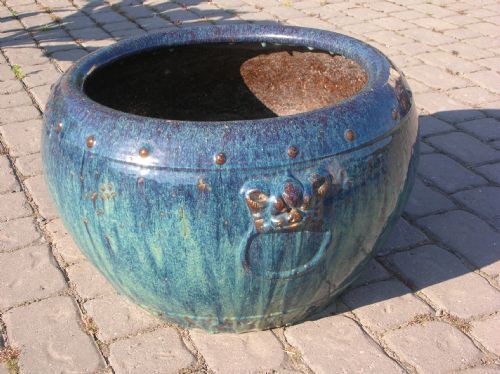
Chinese Oriental Ceramic Urn
These pieces sold as a chinese oriental ceramic urn bring painted porcelain and rich glazes into a room, shaped for display.
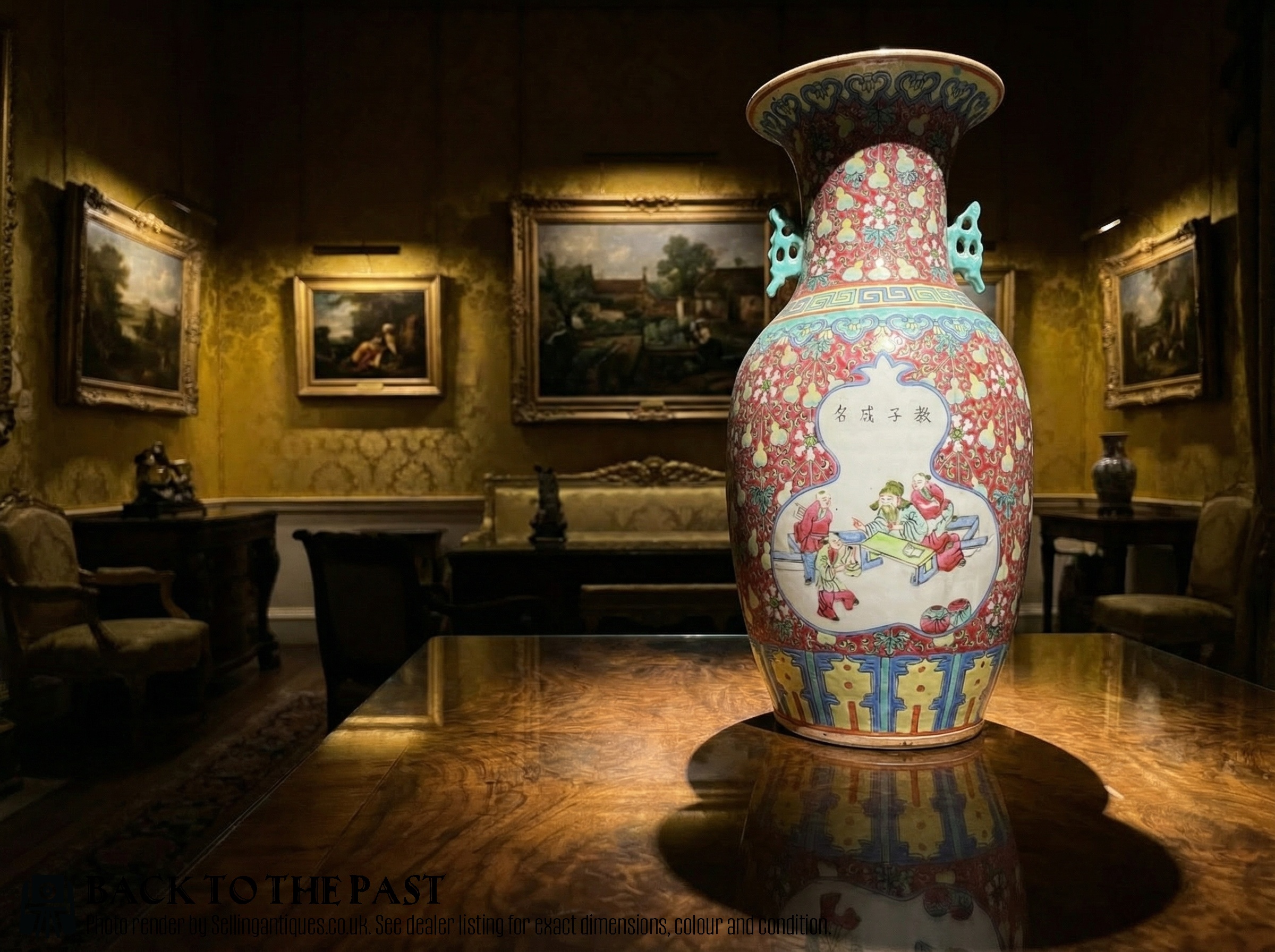
Chinese Oriental Ceramic Urn
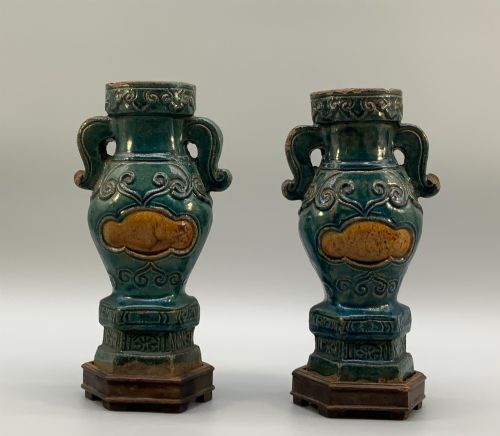
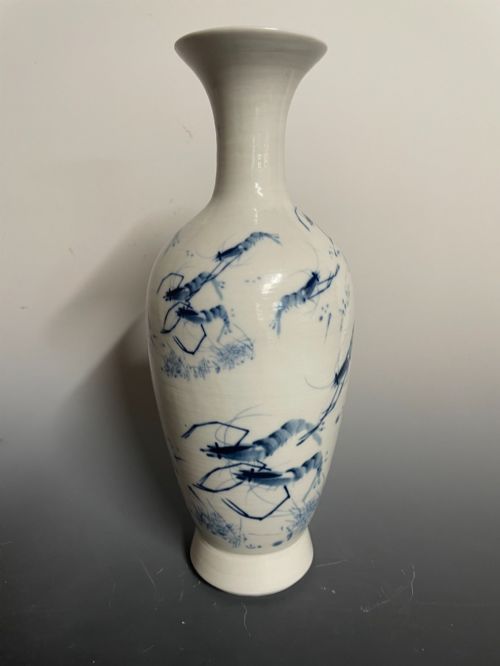
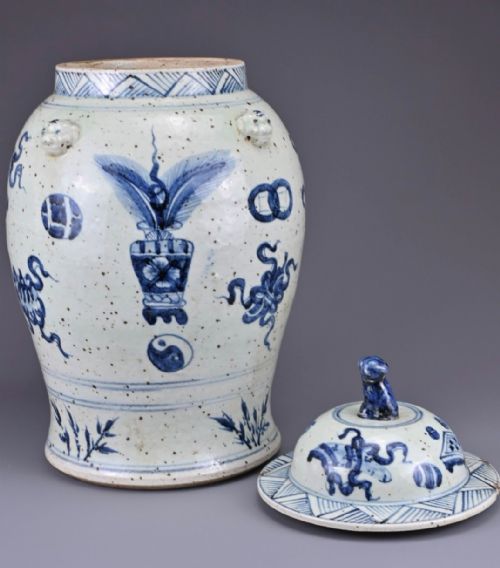
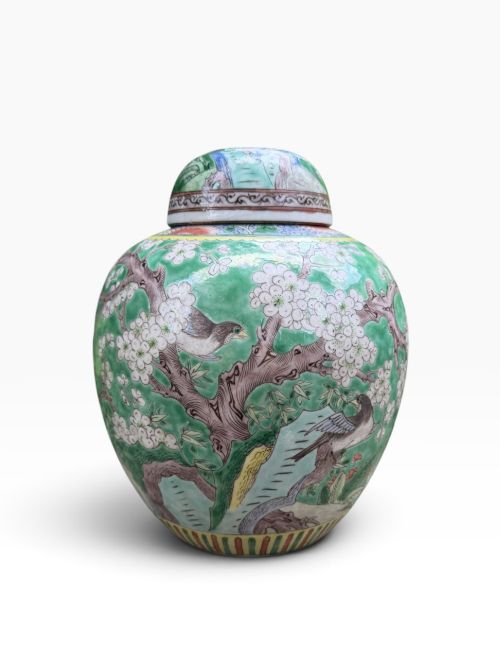
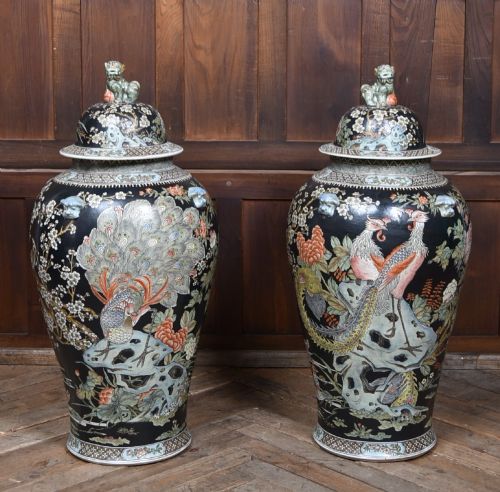
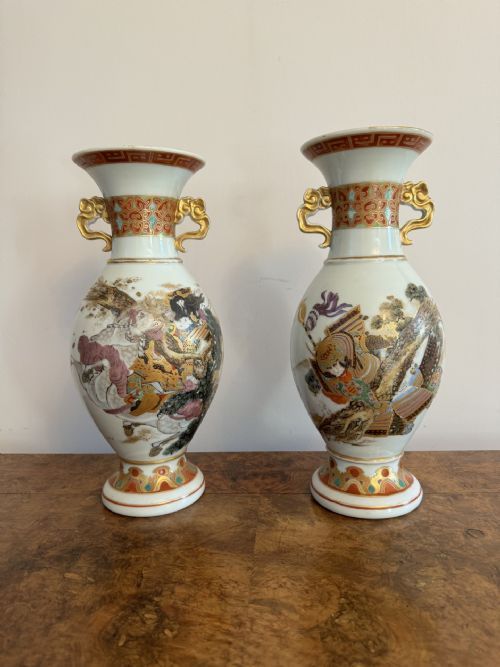
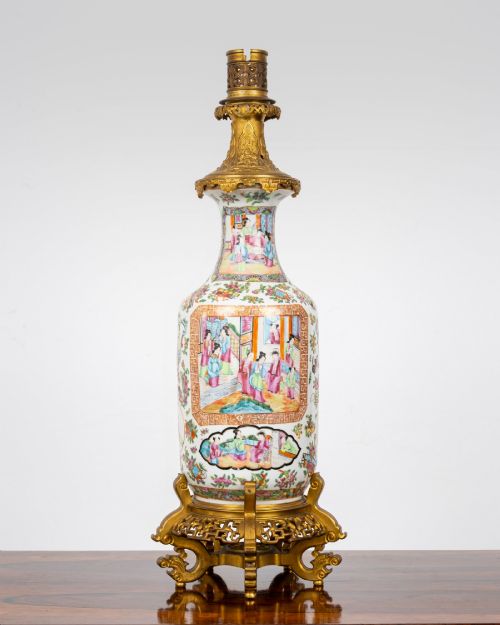
A chinese oriental ceramic urn encompasses a variety of large vessels including ginger jars, floor vases, table lamps, and decorative jars. The selections span multiple eras, notably the 18th century, 19th century, and the Republic period, reflecting traditional forms such as baluster shapes and moon flasks.
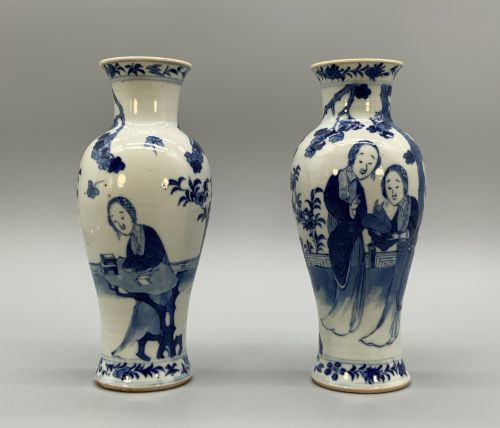
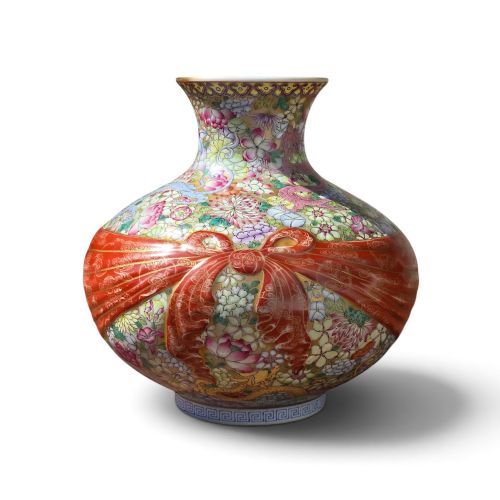
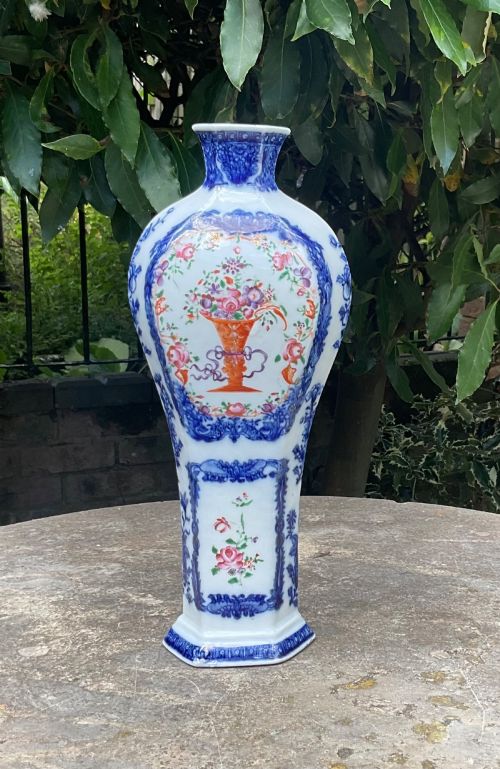
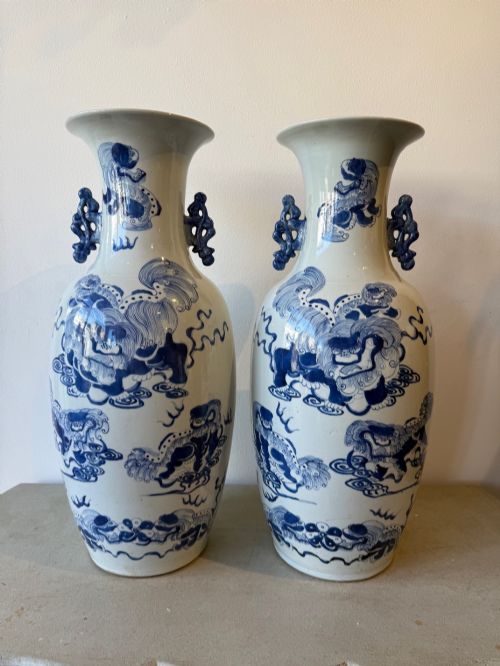
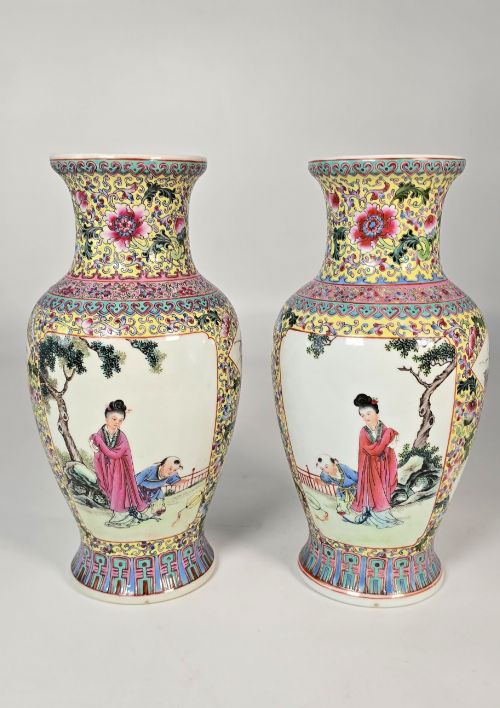
The objects often display traditional decorative schemes including blue and white painting, famille rose enamels, and celadon glazes. Pieces range from matched pairs to monumental floor vessels, drawing on styles from the Ming and Qing dynasties.
Materials and construction
The primary material is porcelain, decorated with cobalt glaze, iron-red, enamel, and gold leaf additions. Many items feature hand-painted figural scenes, floral motifs, or dragons applied directly onto the ceramic body.
Mounts in brass, ormolu, and gilt bronze appear on pieces adapted into lamps or fitted with metal hardware. Subsidiary materials like wood bases and fabric elements complete certain items.
Several grumpy dragons guard these jars, staring out from underglaze blue washes and vibrant famille rose enamels across the centuries.
Evaluating the pieces
Quality rests in the precision of the hand-painted detail and the depth of the glaze, whether cobalt blue, cracked glaze, or famille rose. Superior examples exhibit balanced proportions across large floor vases and jars, with crisp control over enamel and pigment application.
The presence of reign marks or signatures on the base contributes to the distinction of individual pieces. Integration with period mounts, such as ormolu or gilt bronze, also separates standard items from more elaborate works.
The Chinese Oriental Ceramic Urn Glossary
- Famille rose
- A palette of opaque enamels dominated by pink or rose colours, introduced during the Qing dynasty. This technique allowed for shaded floral and figural compositions.
- Celadon
- A pale green jade-like glaze applied to porcelain. It results from iron oxide in the glaze mixture firing in a reduction kiln.
- Ginger jar
- A wide-mouthed storage jar with a rounded shoulder and flat base. Originally used for spices, they frequently appear with matching fitted covers.
- Doucai
- A decorative technique combining underglaze blue outlines with overglaze enamel infill. The style requires multiple firings in the kiln.
- Moon flask
- A flattened circular flask supported by a narrow base and fitted with twin handles. The flat faces provide large panels for painted designs.
Chinese Oriental Ceramic Urn: Frequently Asked Questions
What were Chinese ceramic urns used for?
These vessels originally served practical functions for storage or as decorative items within elite interiors. Over time, many were collected purely for their aesthetic display.
Later adaptations converted some jars and vases into table lamps fitted with bronze or ormolu mounts while retaining their ceramic bodies.
How do I identify a Qing dynasty piece?
Identification relies on observing specific glaze types, painting styles, and characteristic forms such as baluster vases or moon flasks. Many pieces carry reign marks or stylistic references to earlier periods like the Kangxi era.
Examining the handling of the porcelain body and the richness of the enamel colours helps determine the correct century of origin.
How do I live with a ceramic jar?
These large vessels function well as floor vases, centrepieces on stable furniture, or converted table lamps. Their substantial presence suits both traditional rooms and minimalist spaces.
Placement should avoid areas of heavy foot traffic or unstable surfaces to protect the fragile porcelain bodies and mounted hardware.
What is the difference between famille rose and famille verte?
Famille verte relies predominantly on a green enamel palette combined with iron-red and other contrasting tones. This style flourished particularly during the 17th and early 18th centuries.
Famille rose introduces opaque pink and purple enamels, offering a softer tonal range that developed towards the latter part of the Qing dynasty.