

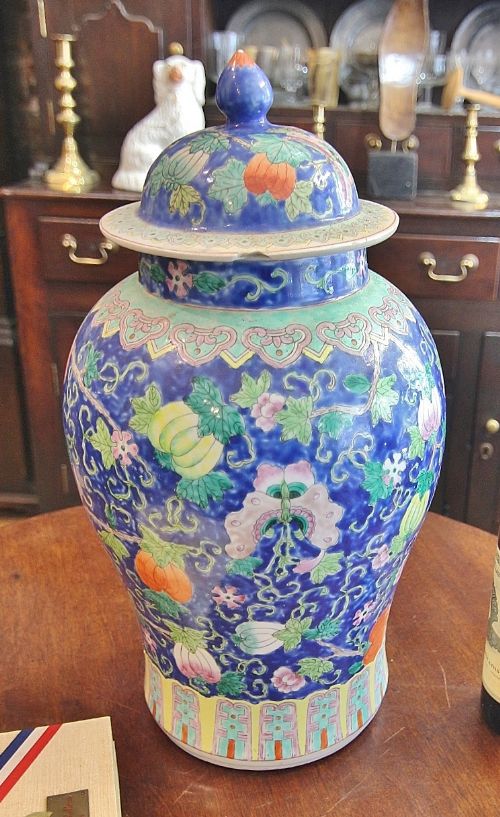
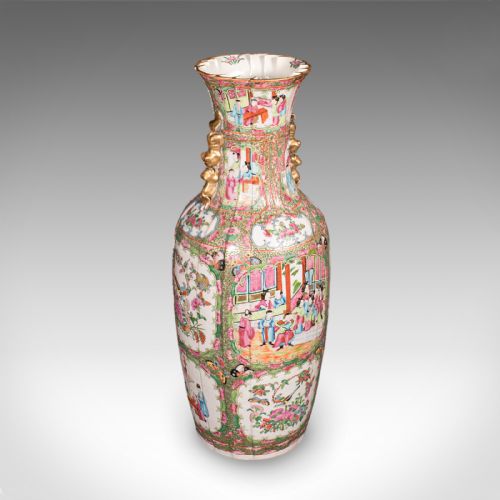


Chinese Enamel Ceramic Vessel
A Chinese enamel ceramic vessel brings vibrant colour and intricate hand-painted detail to any room, offering centuries of artistry for the discerning collector.
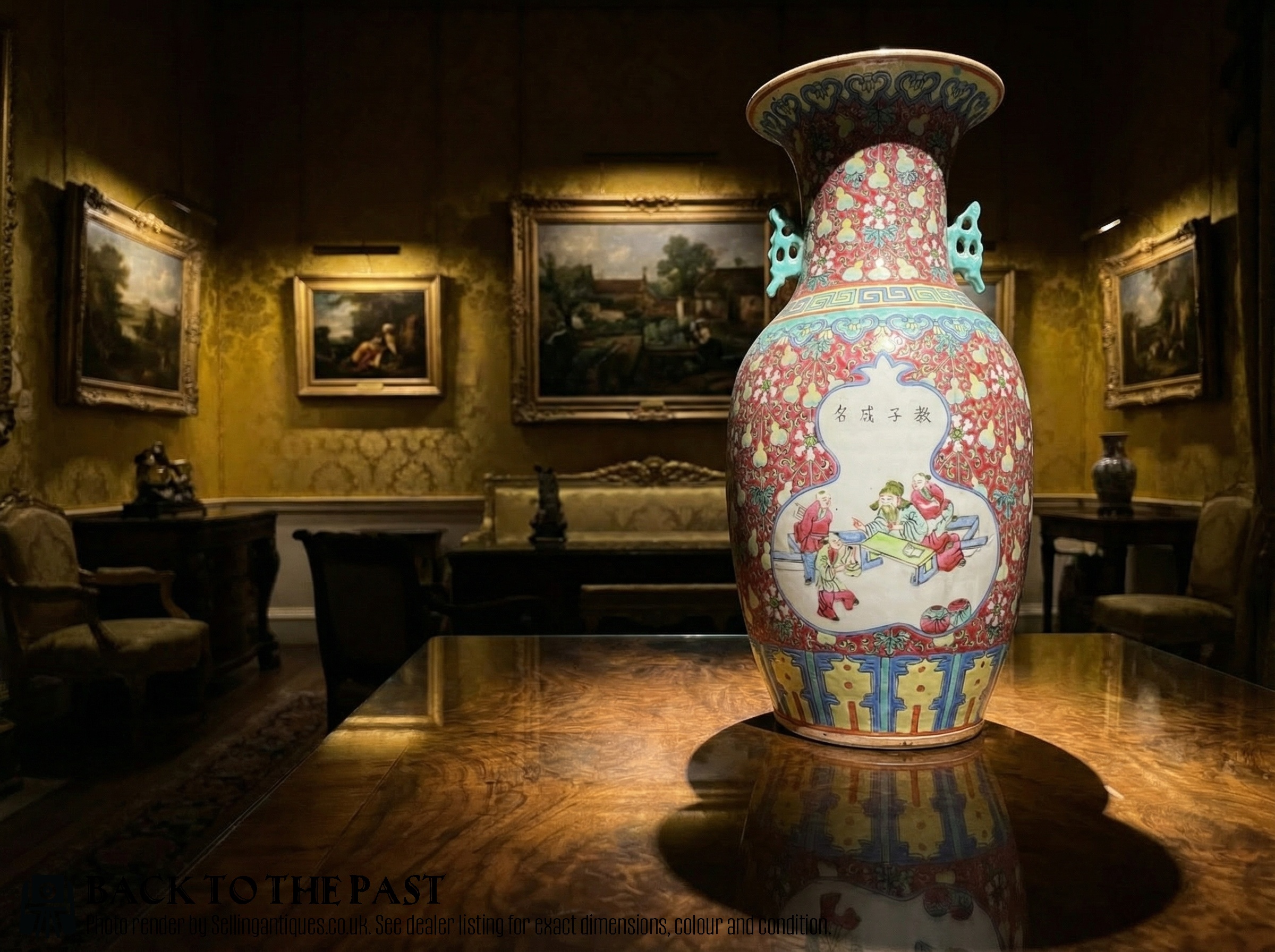
Chinese Enamel Ceramic Vessel
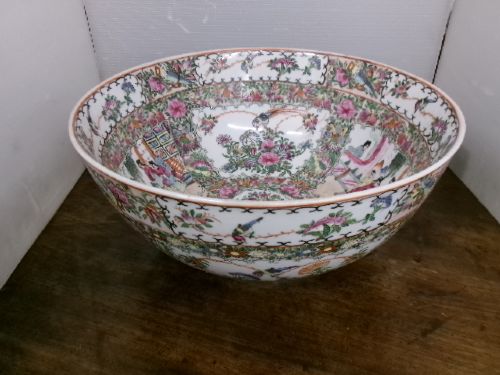
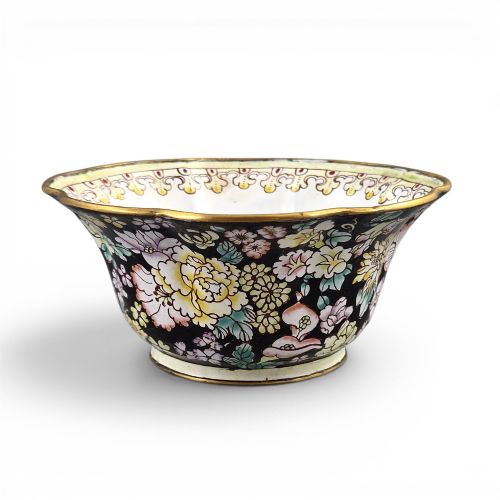
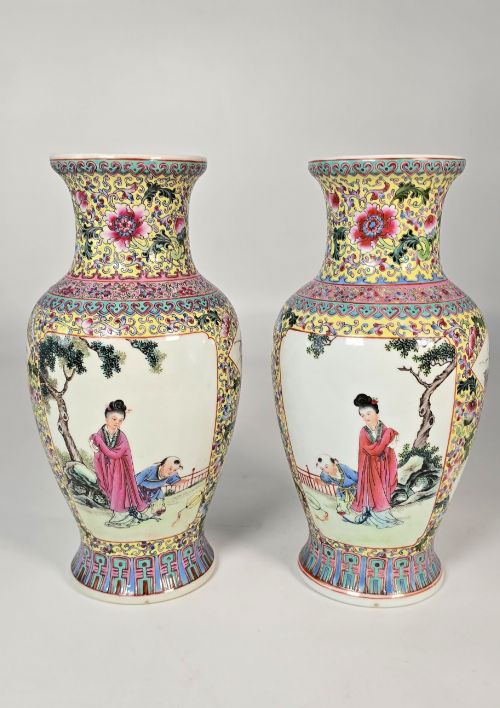
A Chinese enamel ceramic vessel encompasses a diverse range of historic forms, from large centrepiece vases and ginger jars to delicate snuff bottles and decorative bowls. When exploring this selection, buyers will encounter pieces spanning the eighteenth century through to the twentieth century, reflecting shifting aesthetic traditions across successive dynasties and periods.
The objects listed display rich decorative programmes characteristic of Qing Dynasty production, Chinese Export wares, and the Chinese Republic period. Common functional forms include lidded jars, brush pots, and double-walled vessels designed for display or scholarly use in traditional settings.
Victorian imports and pieces bearing Guangxu or Yongzheng marks indicate the global reach of these goods during the nineteenth century. These items offer tangible connections to historical workshops in Beijing and Canton, where skilled artisans combined ceramic potting with vibrant surface decoration.
Materials and Manufacturing Techniques
The foundation of these works relies on high-fired porcelain and pottery bodies, shaped by hand or wheel before receiving detailed surface treatments. Artisans applied overglaze enamels, copper alloy, and bronze elements to create textured, multicoloured surfaces that required multiple firings in kilns.
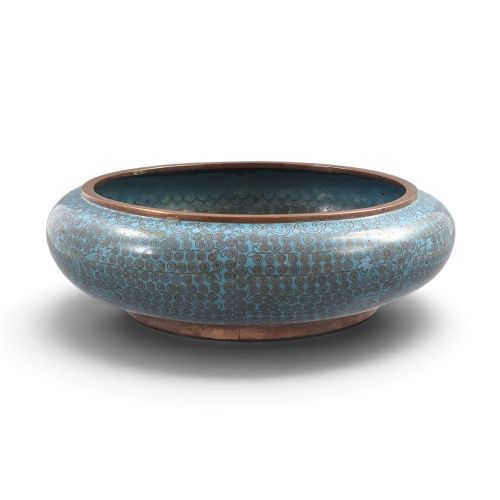
Many pieces incorporate gold leaf, gilt highlights, and intricate cloisonné wirework to delineate complex floral and figurative motifs. The mastery of enamel adhesion to both ceramic and metal substrates defines the technical achievement of these historic workshops.
Listings feature vessels spanning the eighteenth to twentieth centuries, including Qing dynasty pieces, Victorian imports, and Republic period works.
Assessing Craftsmanship and Execution
The distinction between standard commercial wares and exceptional pieces lies in the precision of the brushwork and the complexity of the enamel palette. Superior examples demonstrate remarkable control in fine line work, particularly in depicting intricate bird, flower, and figurative scenes.
The depth of the glaze, the uniformity of the gilt or gold leaf application, and the crispness of imperial reign marks or workshop signatures distinguish finer productions. Balance in form and the harmonious distribution of colours across complex ceramic surfaces further elevate the standing of a vessel.
The Chinese Enamel Ceramic Vessel Glossary
- Famille rose
- A prominent palette of opaque pink and rose enamels introduced during the Qing dynasty. This versatile colour scheme allowed for subtle tonal gradations in floral and figurative designs.
- Cloisonné
- A metalwork technique where thin wires are soldered to a metal base to form compartments, which are then filled with enamel paste and fired. This method creates bold, compartmentalised patterns on vessels and scholar's objects.
- Doucai
- A decorative technique combining underglaze blue outlines with overglaze polychrome enamels. The contrasting elements create a vibrant, layered visual effect on porcelain bodies.
- Canton
- A major trading port associated with colourful, export-oriented ceramics decorated with dense patterns. Wares from this region often feature exuberant hand-painted motifs tailored for Western markets.
- Ginger jar
- A ceramic storage vessel characterised by a broad shoulders and a domed cover. Originally utilised for spices and dried goods, these forms became popular decorative centerpieces.
Chinese Enamel Ceramic Vessel: Frequently Asked Questions
How do I date an antique Chinese enamel ceramic vessel?
Dating relies on examining the potting style, the specific enamel palette used, and any reign marks stamped or painted on the base. Comparing the vessel's form and decorative motifs to established historical periods helps determine its era of origin.
Secondary indicators include the wear patterns on the foot ring and the chemical composition of the glaze. Consulting expert references regarding imperial marks provides further clarity on the year of manufacture.
Where were most of these vessels made?
Production centred around major manufacturing hubs such as the imperial kilns at Jingdezhen for porcelain bodies and Beijing or Canton for specialised enamel work. These centres housed specialised artisans who perfected specific glazing and painting techniques.
Export wares were frequently decorated in southern coastal workshops before being shipped to international markets. Regional variations in clay and enamel styles often point directly to these specific geographic origins.
How should I care for a fragile enamel ceramic piece?
Display vessels in stable environments away from direct sunlight and sudden temperature fluctuations to protect the delicate overglaze enamels and gilt highlights. Dusting should be done gently with a soft, dry brush.
Avoid using water, chemical cleaners, or abrasive cloths on the decorated surfaces, as historical enamels can be sensitive to moisture and friction. Secure placement on a level surface prevents accidental tipping.
What is the difference between famille rose and famille verte?
Famille rose relies primarily on opaque pink and purple enamels derived from gold, allowing for soft shading and naturalistic floral depictions. This palette became dominant during the eighteenth century.
Famille verte utilises a translucent green-dominated palette combined with iron red, yellow, and blue. This earlier style creates a brighter, more vivid aesthetic on porcelain surfaces.