
Chinese Hardwood Stand
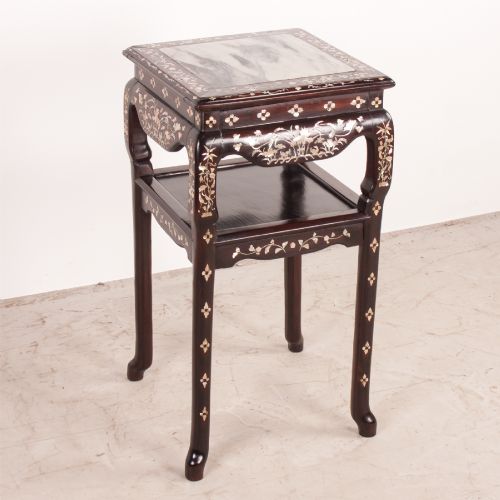
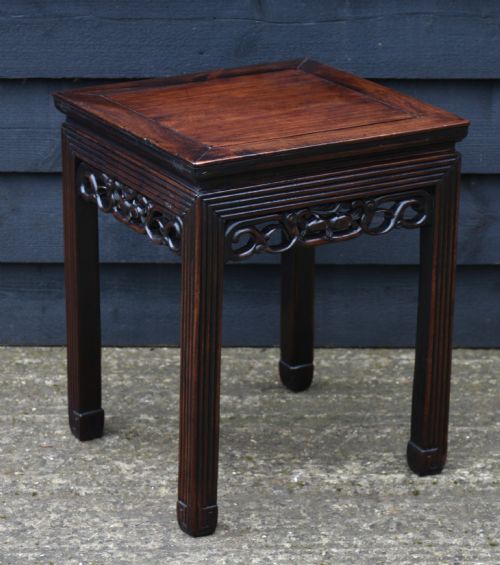
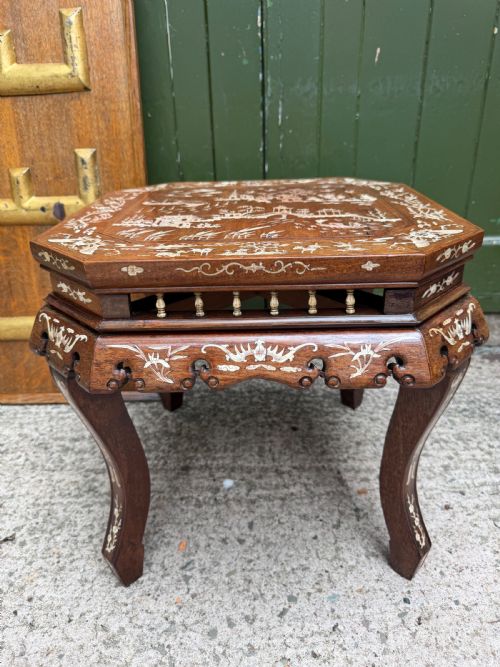
When you select a chinese hardwood stand, you acquire a finely carved elevation designed to support planters, vases, and ornamental objects.
Chinese Hardwood Stand
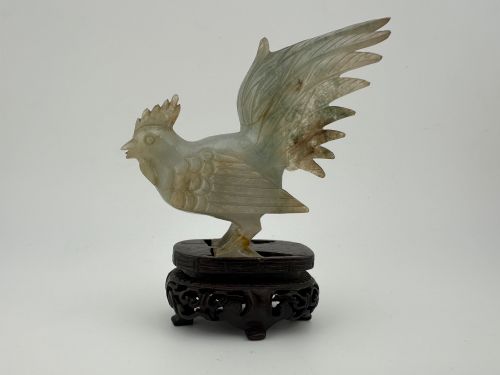
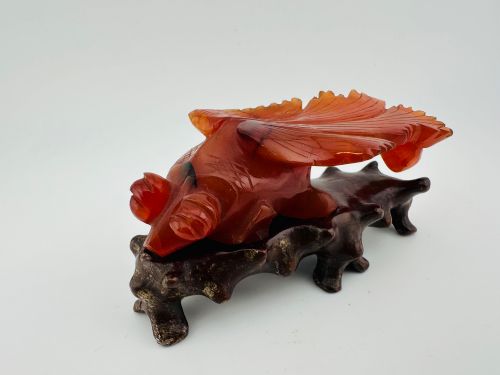
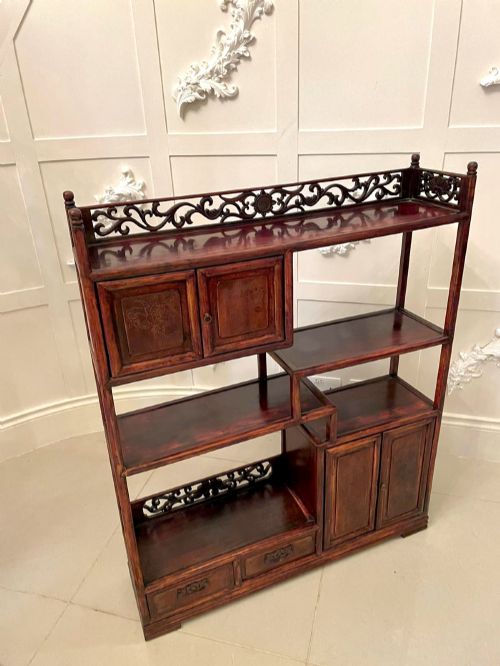
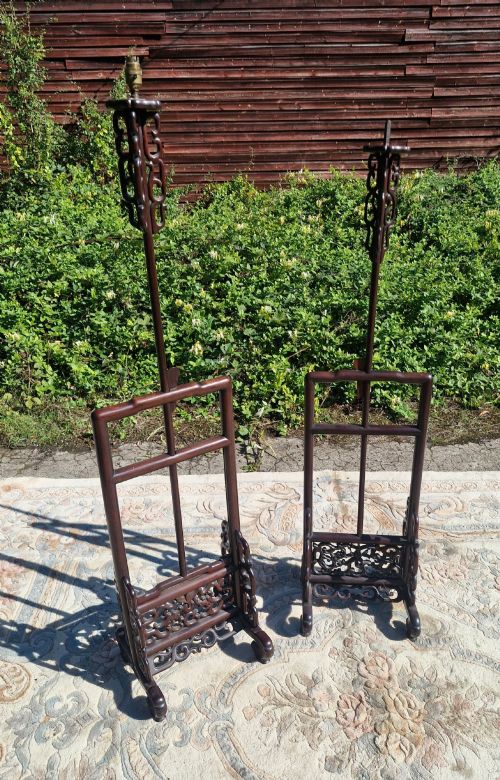
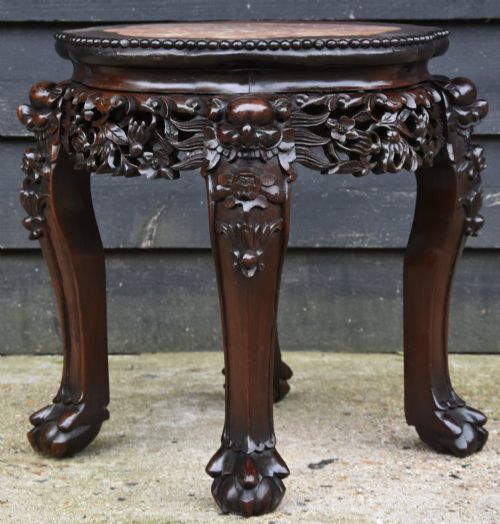
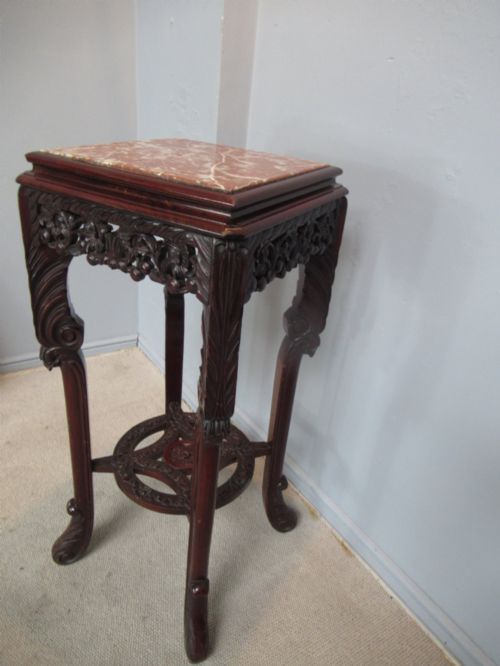
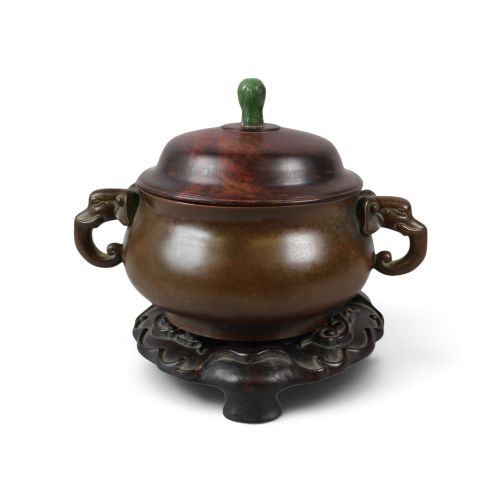
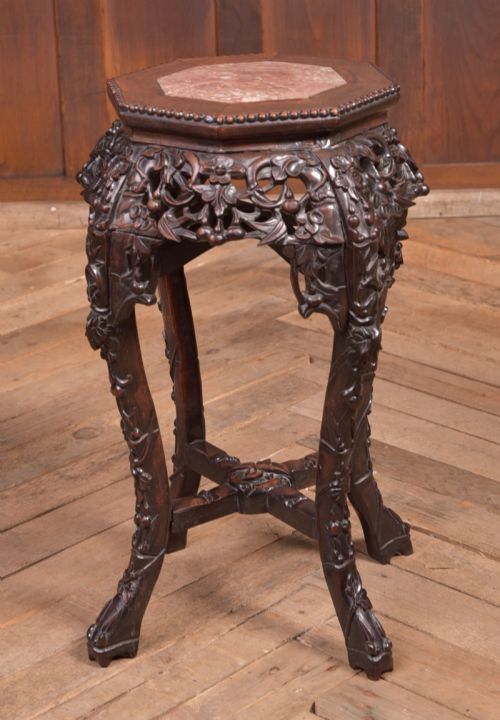
A chinese hardwood stand serves primarily to elevate decorative objects such as porcelain vases, jade sculptures, and bronze censers. These pieces range from low tables and jardiniere stands to multi-tier display units and tall pedestals intended for lamp standards.
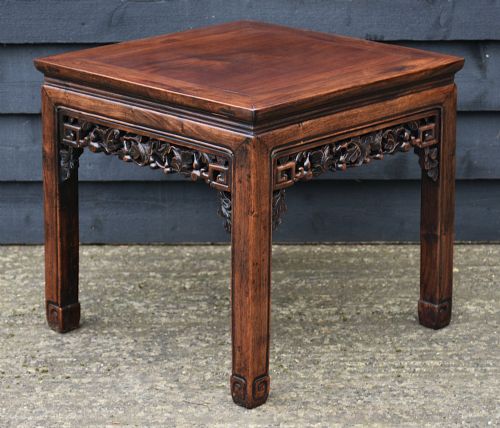
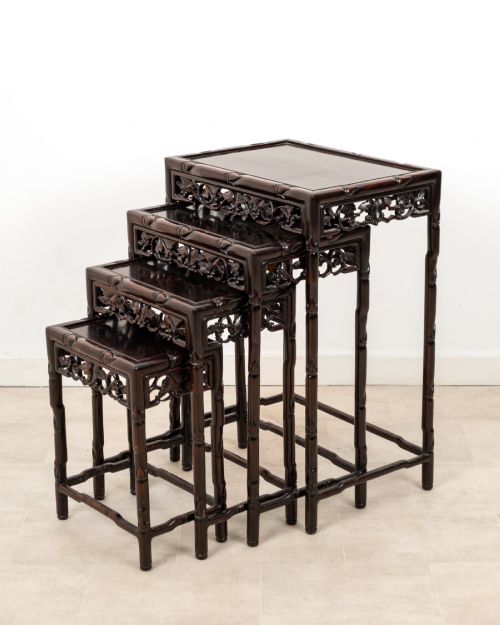
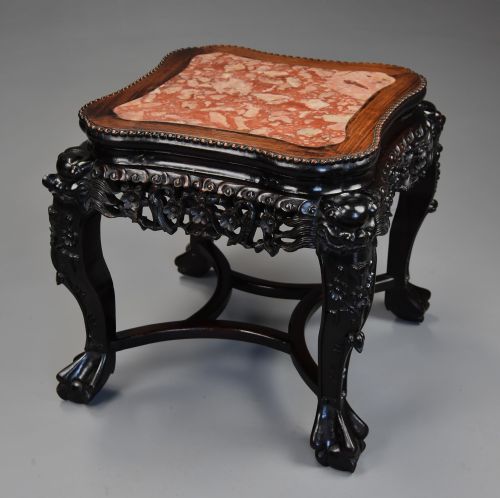
The dominant period represented is the late nineteenth century, spanning the Qing dynasty and extending into the Edwardian era with occasional early twentieth-century examples. Forms vary from square low tables and circular pot stands to nested sets and barrel stools designed for domestic interiors.
Makers utilised dense timbers to create stable platforms that complemented the objects placed upon them. Whether acting as a standalone occasional table or a dedicated base for a fish-bowl, the structural purpose remains centred on display and elevation.
Distinctions in Execution
The degree of refinement in the hand-carving separates standard domestic furniture from exceptional examples. Skilled joinery that employs traditional interlocking joints without modern hardware indicates superior craftsmanship.
The choice of timber and the quality of the grain pattern significantly influence the desirability of a piece. Dense, heavy rosewood or figured huanghuali with rich natural colour represents the upper echelon of production.
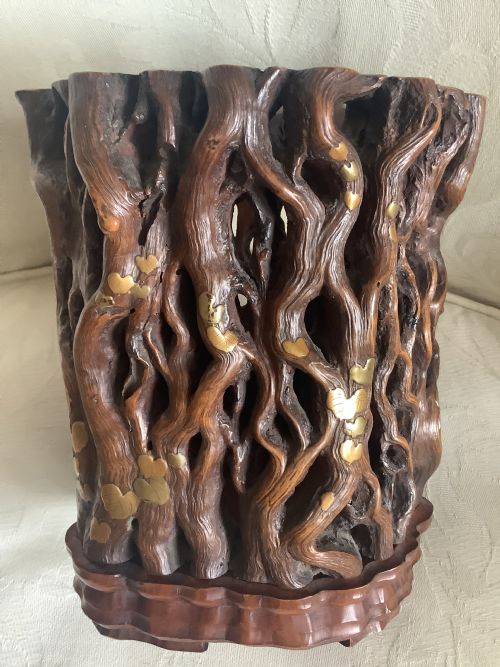
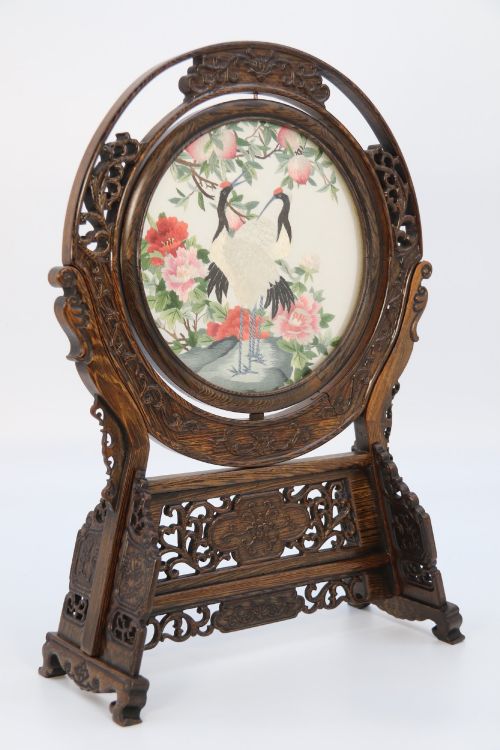
Several stands double as habitats for carved hardwood elephants and spinning display circles.
The Chinese Hardwood Stand Glossary
- Hongmu
- A category of dense, dark Asian hardwoods frequently translated as red wood. It encompasses several heavy species prized for cabinetmaking and carving.
- Jardiniere stand
- A tall or low table specifically constructed to hold a ceramic flower pot or plant container. These often feature inset marble tops to protect the wood from moisture.
- Archaistic
- A design style that consciously imitates ancient forms and motifs from earlier historical dynasties. It appears frequently in bronze, jade, and associated furniture supports.
- Padouk
- A heavy, durable timber with a reddish tint that darkens over time to a deep brown. It provides a stable base for heavily carved decorative stands.
Chinese Hardwood Stand: Frequently Asked Questions
What were chinese hardwood stands used for?
These pieces were built to elevate heavy ceramic vessels, bronze censers, and large jardiniere bowls within traditional interiors. They provided a stable platform that protected delicate surfaces and displayed decorative arts at an advantageous height.
Over time, collectors adapted them to support table lamps, sculptures, and occasional items. Their sturdy construction allowed them to function both as independent small tables and as dedicated bases for larger objects.
How do I identify a Qing dynasty stand?
Qing dynasty examples typically feature deep, crisp hand-carving in dense timbers like rosewood or hongmu. They often incorporate inset marble tops and traditional joinery methods that avoid modern fasteners.
Examining the natural patina and the weight of the timber helps distinguish nineteenth-century production from later reproductions. The presence of traditional motifs and scholarly aesthetic choices further supports period attribution.
Why do many stands have marble inserts?
The inset marble panels provided a cool, smooth, and moisture-resistant surface for wet plant pots and heavy vases. This prevented water damage and staining to the surrounding hardwood frame.
Additionally, the contrasting texture of the stone against the dark timber added visual interest. The marble was often selected for its natural veining and colour variation.
Are nested tables considered stands?
Graduated sets of nested tables share the same materials and carving techniques as dedicated pot stands. They functioned as flexible occasional furniture that could be stacked together when not in use.
Both categories utilise dense rosewood or padouk and exhibit the characteristic craftsmanship of late nineteenth-century workshops. Their primary distinction lies in their multi-part configuration rather than their material composition.