






Chinese Hardwood Lamp Stand
A Chinese hardwood lamp stand brings rich grain and carved weight into a room, serving as a sturdy base for lighting or display.
Chinese Hardwood Lamp Stand
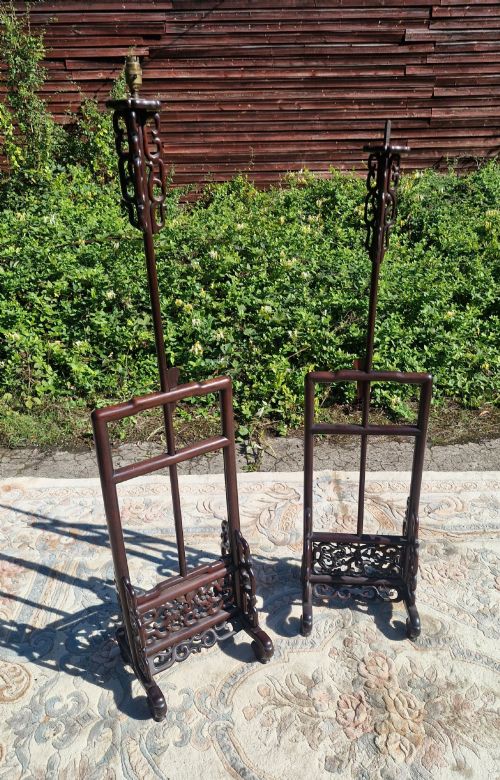
When searching for a chinese hardwood lamp stand, buyers encounter pieces that bridge functional lighting and traditional oriental furniture. These items range from tall standard lamps and torchieres to lower plant stands, jardiniere stands, and occasional tables that double as lamp bases.
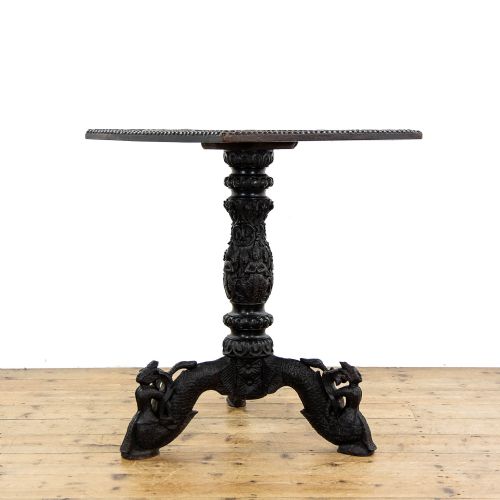
The selection on this page draws heavily from the nineteenth century and the early twentieth century, including Victorian interpretations and Qing Dynasty styles. Forms vary from simple square low tables and tripods to elaborate carved dragon lanterns and multi-tiered stands.
Buyers are most likely to meet pieces constructed from dense exotic timbers, frequently paired with inset marble tops or brass details. Many items originate from Chinese export workshops or regional traditions adapted for Western interiors.
Materials and Construction Techniques
The pieces rely on dense, durable timbers such as rosewood, padauk, huali, and ebonised hardwood, selected for their strength and deep colour. Artisans used traditional joinery alongside hand-carving to shape intricate dragons, floral motifs, and geometric patterns into the solid wood.
Marble inserts appear frequently on table tops, providing a cool, smooth surface that contrasts with the dark timber frames. Metal elements like brass fittings and occasional fabric components complete the construction of the taller standards and lamp tables.
Chinese Hardwood Lamp Stand Retail Price Guide 2026
Typical asking prices for chinese hardwood lamp stand among the pieces listed under this phrase on Sellingantiques today, from the lower quarter to the upper quarter. They describe what is for sale here now, not the wider market.
Several stands double as multi-tiered platforms, proving that Victorian botanists and lamp collectors shared a deep appreciation for vertical living.
Markers of Quality and Craftsmanship
The distinction between standard examples and the finest items rests upon the depth and crispness of the hand carving. Superior pieces display sharply defined dragon motifs and botanical details that retain their clarity across the entire wooden surface.
The selection of the timber and the precision of the joinery dictate the overall stability and presence of the stand. Heavier, tightly grained hardwoods and perfectly fitted marble inserts separate workshop pieces of high ambition from simpler export items.
The Chinese Hardwood Lamp Stand Glossary
- Hardwood
- Dense, slow-growing timber sourced from broad-leaved trees, prized in Chinese furniture for its weight and durability. Rosewood and padauk are typical examples found in these stands.
- Torchiere
- A tall standing lamp or candleholder designed to project light upwards into a room. These pieces often feature substantial carved columns and tripod bases.
- Jardiniere Stand
- A small raised table specifically built to support a heavy ceramic plant pot or flower bowl. Their sturdy construction makes them suitable for holding heavy lamps.
- Huali
- A traditional Chinese hardwood known for its attractive grain and resilience. It frequently appears in Qing Dynasty export furniture.
- Ebonised
- Wood treated with a dark finish to imitate expensive ebony. This technique was popular in Victorian adaptations of oriental designs.
- Qing Dynasty
- The final imperial dynasty of China, lasting from the seventeenth to the early twentieth century. Pieces from this era often display formal carved ornamentation.
Chinese Hardwood Lamp Stand: Frequently Asked Questions
How were these stands used originally?
In historical interiors, these pieces functioned as pedestals for lanterns, decorative vases, or potted plants before being adapted for modern electric lighting.
Their robust construction allowed them to support heavy objects securely while adding decorative weight to a room.
How do I style a lamp stand at home?
These versatile stands work effectively beside seating or in corners where a tall lighting source or a surface for a table lamp is required.
The rich wood tones and carved details pair well with both traditional period interiors and contemporary spaces seeking textural contrast.
How can I tell the period of a stand?
Dating relies on examining the timber type, the style of the hand carving, and the construction methods used in the frame.
Nineteenth-century examples often feature deep, hand-chiseled dragon motifs, while later pieces from the early twentieth century may show transitional export styles.