
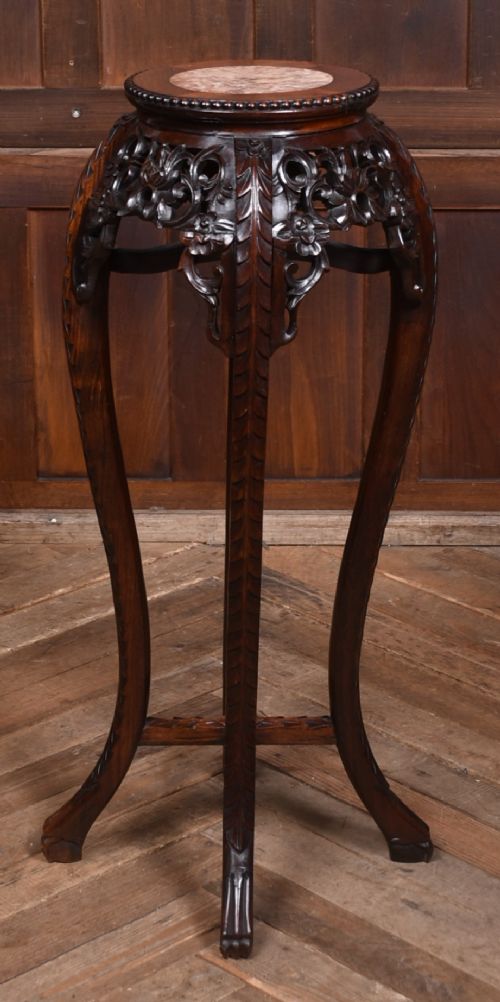


Chinese Carved Urn Pedestal
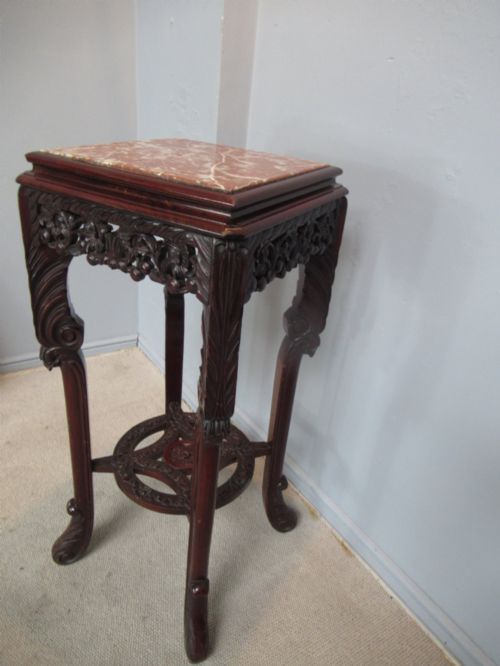
A Chinese carved urn pedestal anchors a display of plants, vases or decorative objects with substantial timber and stone.
Chinese Carved Urn Pedestal
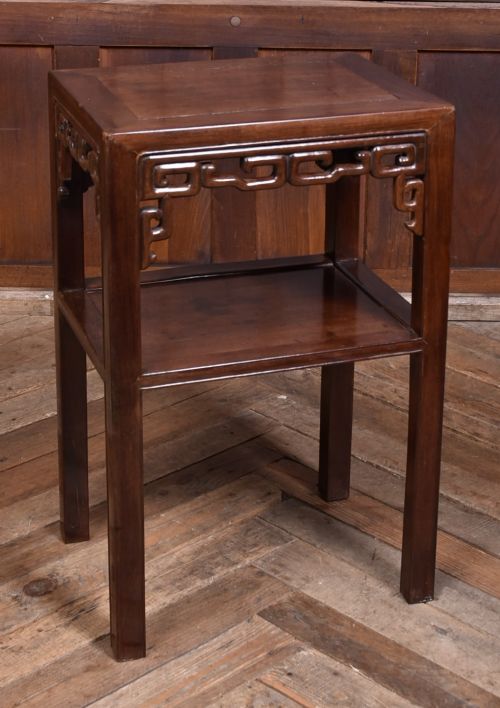
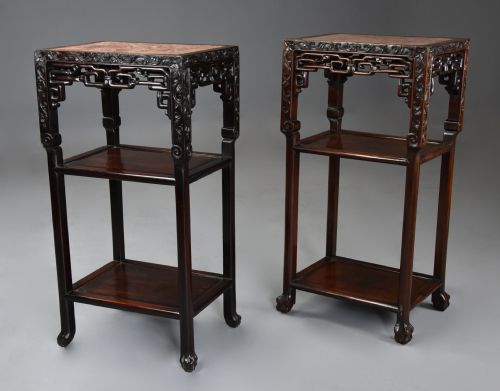
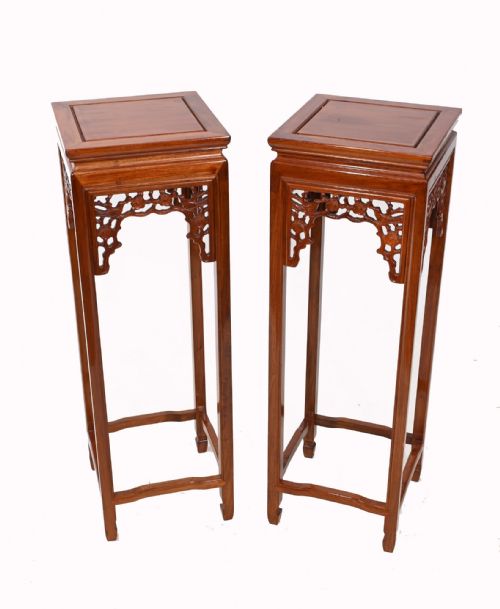
A Chinese carved urn pedestal takes the form of a low table, jardiniere stand or torchère designed to support heavy display pieces. Buyers searching for a chinese carved urn pedestal typically encounter heavy timber stands dating from the nineteenth century to the early twentieth century.
Most examples originate from the Qing Dynasty period, featuring traditional Chinese construction methods and dense exotic woods. These pieces function primarily as plant stands, vase tables or occasional tables within domestic interiors.
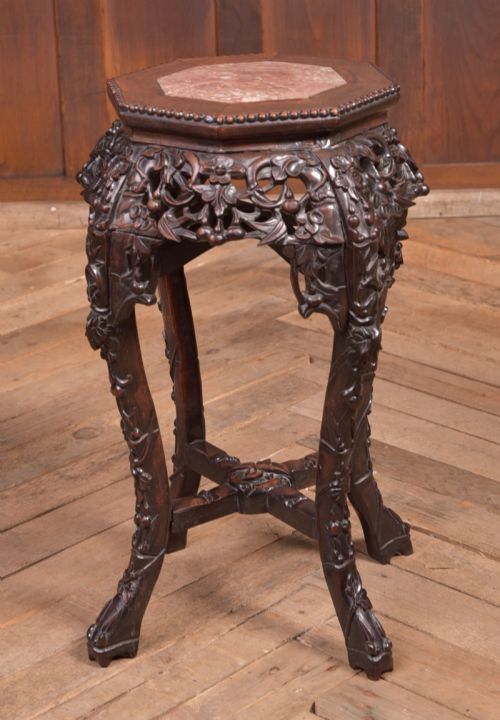
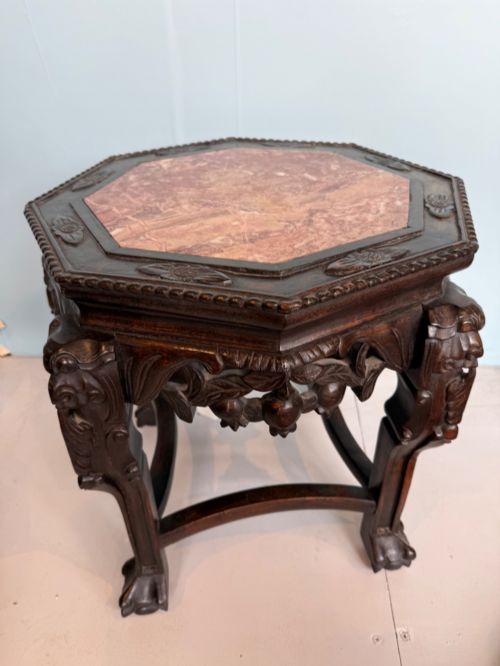
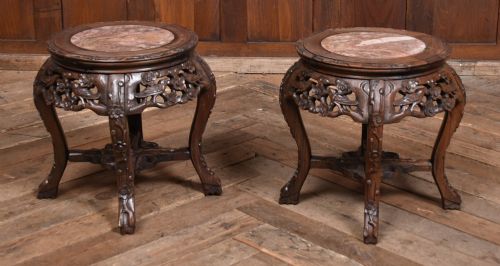
The prevalent formats on this page include freestanding round and rectangular tables, often incorporating inset marble tops. Pairs appear frequently alongside single larger pedestals intended for prominent display positions.
Materials and construction methods
Craftsmen built these pieces using dense tropical hardwoods such as padouk, rosewood, hongmu and ebonised hardwood. These heavy timbers provided the necessary structural integrity to support stone insets without warping.
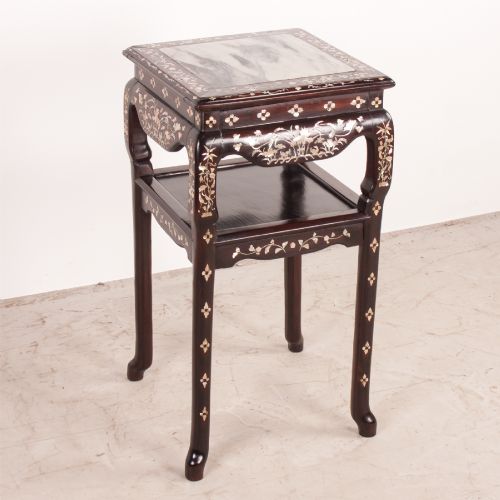
Insets of white or rouge marble form the central surface of many tabletops, secured tightly within carved wooden frames. Detail work incorporates mother-of-pearl inlay and intricate floral or figural wood carving executed in the traditional Chinese style.
Object forms span low jardiniere stands, tall torchères, occasional tables and matched pairs originating from the Qing Dynasty period.
Assessing quality in carved pedestals
Quality rests upon the density of the chosen timber and the depth and crispness of the hand carving. Finer pieces display sharply defined botanical motifs and seamless joinery that conceals structural fixings.
The integration of the marble insert dictates the grade of the stand, with well-fitted stone surfaces sitting flush into deeply rebated wooden channels. Superior examples maintain structural stability without relying on modern fasteners or excessive repairs.
The Chinese Carved Urn Pedestal Glossary
- Jardiniere stand
- A low table or pedestal specifically constructed to hold heavy ceramic plant pots filled with earth and plants. These stands typically feature water-resistant stone or marble insets to protect the wood.
- Torchère
- A tall standing pedestal designed to support an oil lamp, candle holder or ornamental vase. They possess slender proportions and elevated platforms.
- Padouk
- A heavy, durable tropical hardwood with a reddish hue utilised frequently in Qing Dynasty furniture production. This timber resists moisture and accepts fine carving work.
- Hongmu
- A traditional Chinese term denoting dense red hardwoods used in high-grade furniture. It encompasses several heavy species known for deep natural colour.
- Qing Dynasty
- The final imperial dynasty of China, spanning from sixteen forty-four to nineteen twelve. Pieces from this era reflect established traditional woodworking motifs and export styles.
Chinese Carved Urn Pedestal: Frequently Asked Questions
What is a chinese carved urn pedestal used for?
These pieces serve as elevated display platforms for heavy ceramic vessels, large flower pots and decorative vases. Their sturdy construction handles considerable weight while raising ornamental objects to eye level.
Historically placed in reception rooms and parlours, they integrate easily into modern spaces as lamp tables or plant stands.
How do I date a nineteenth century pedestal?
Dating relies upon timber selection, construction techniques and the specific style of the carving. Nineteenth-century examples utilise dense Asian hardwoods and hand-cut joinery consistent with Qing Dynasty output.
Examine the underside and joints for signs of age, tool marks and the natural patination of the exposed wood.
Why do many stands have marble tops?
Marble insets provide a durable, heat-resistant surface that withstands moisture from watering plants or heat from oil lamps. The cool stone contrasts visually with the dark tropical timber.
This insertion method also prevents the solid wooden top from splitting due to seasonal changes in atmospheric humidity.
Are these stands suitable for modern homes?
Their compact footprints make them versatile for placing in corners, beside seating or in hallways. They function effectively as lamp tables or independent display surfaces.
Regular maintenance involves simple dusting and occasional waxing to preserve the natural finish of the dense hardwood.