


Chinese Foo Dogs
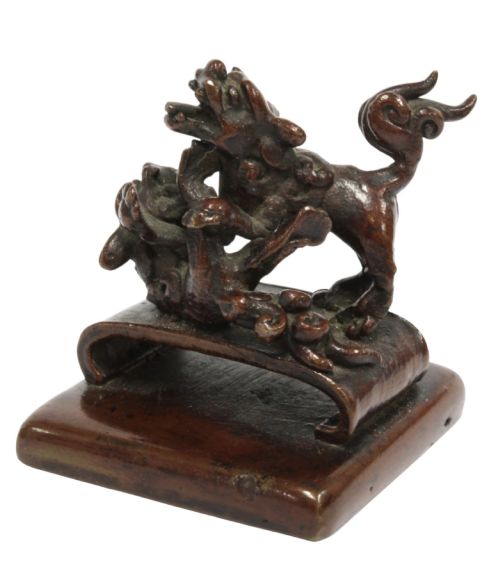
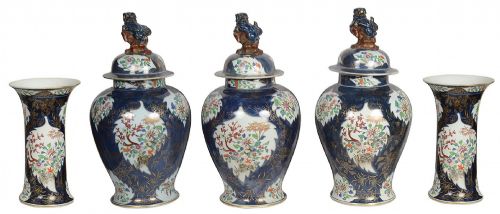
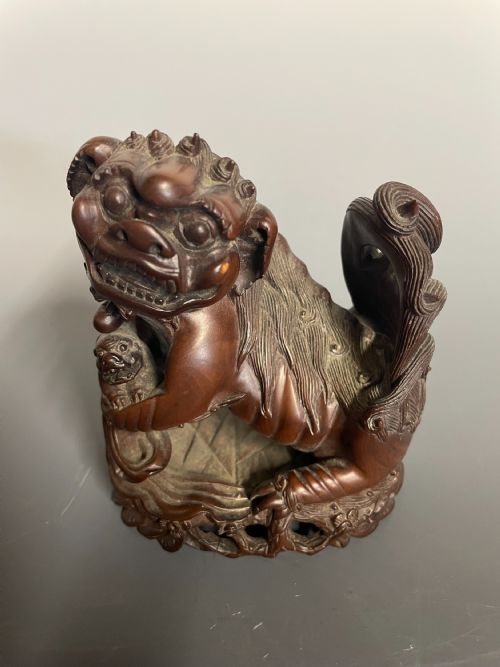
Chinese foo dogs are mythical guardian figures of stone, bronze, wood and porcelain that bring presence to a room.
Chinese Foo Dogs
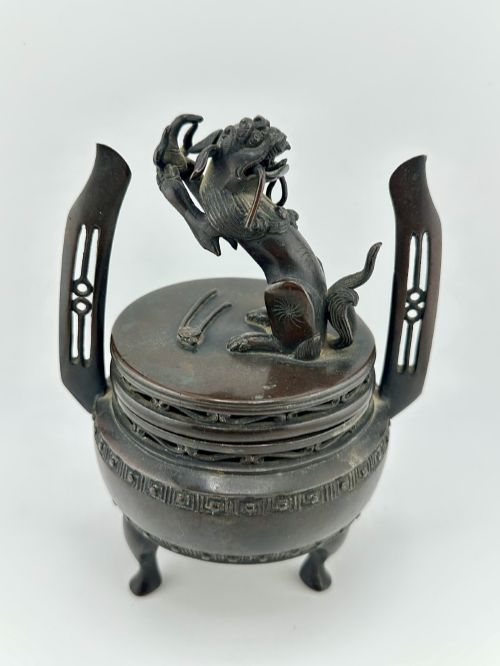
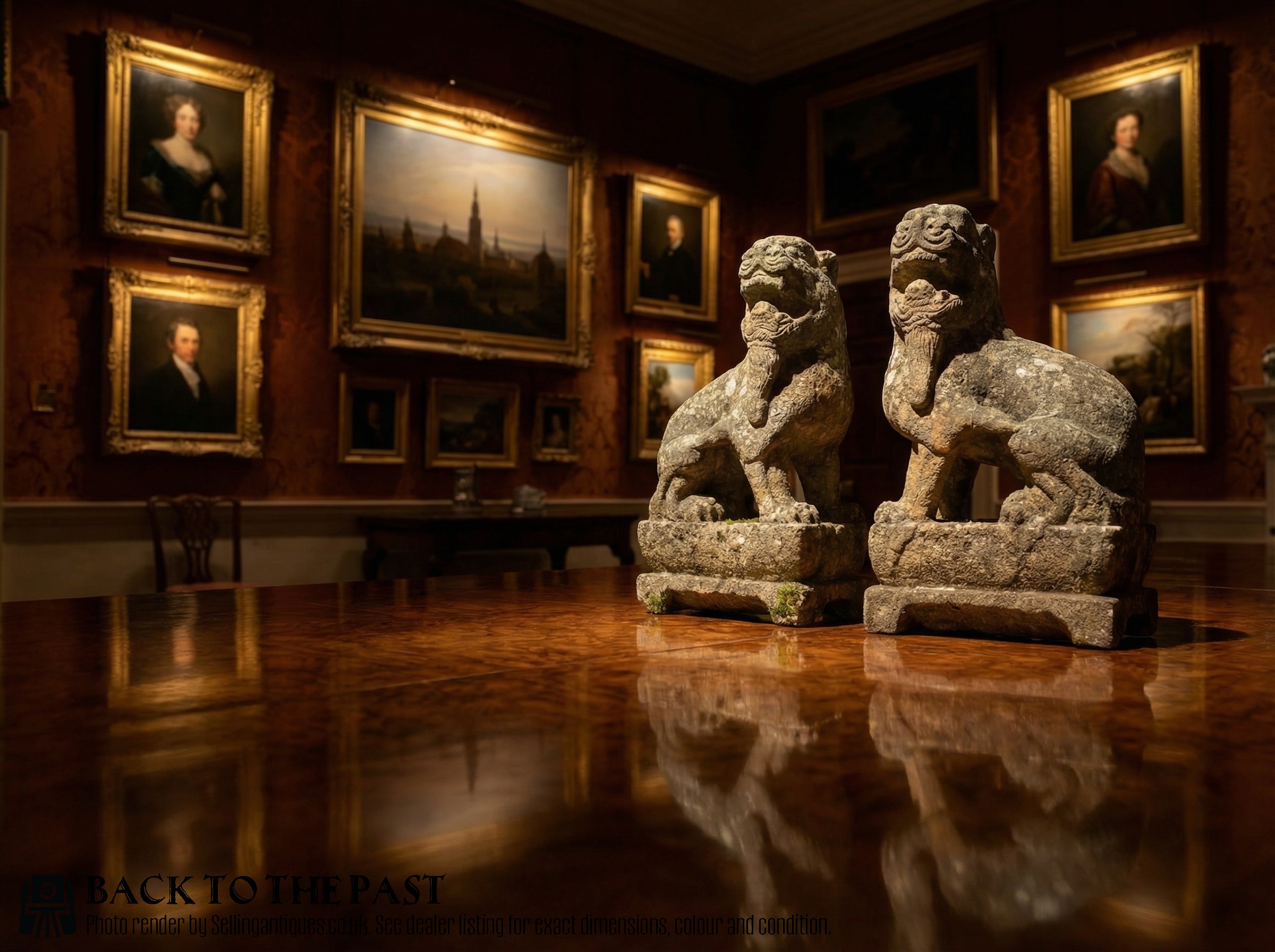
Chinese foo dogs, also known as temple lions, guardian lions, or shishi, represent mythical protectors traditionally placed outside palaces, temples, and tombs to ward off harmful spirits. When searching for chinese foo dogs, buyers encounter figures rendered as standalone sculptures, incense burners, bookends, table lamps, and architectural ornaments.
The pieces appearing most frequently on this page span the late seventeenth century through the early twentieth century, encompassing the Qing Dynasty, Victorian, and Edwardian periods. These guardian figures frequently appear in matched pairs, with one animal holding a ball under its paw and the other tending to a cub.
How they were made
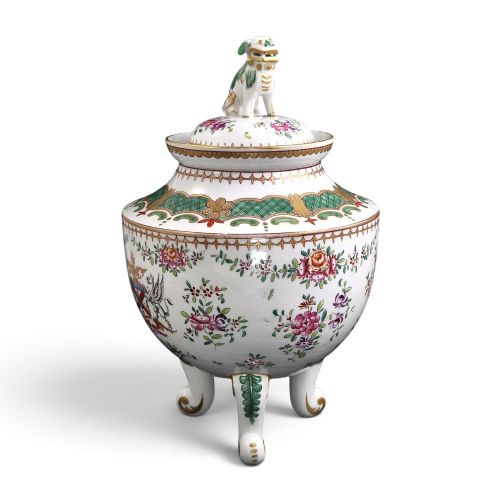
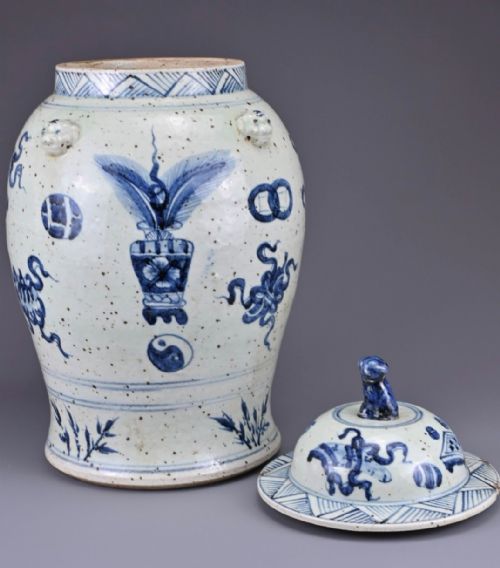
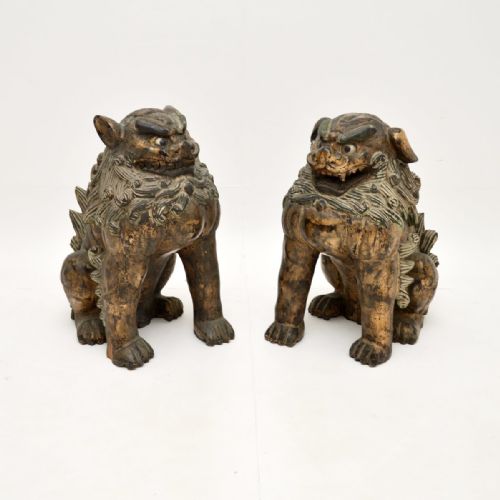
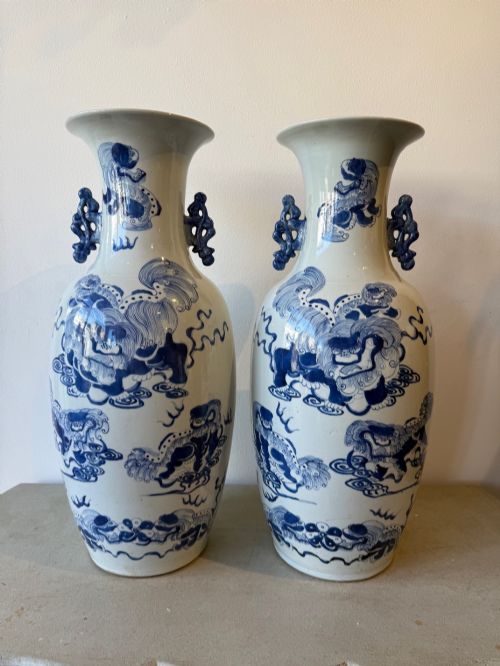
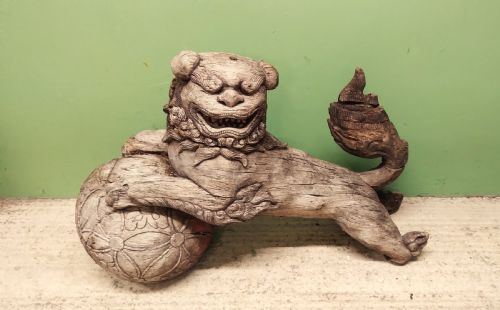
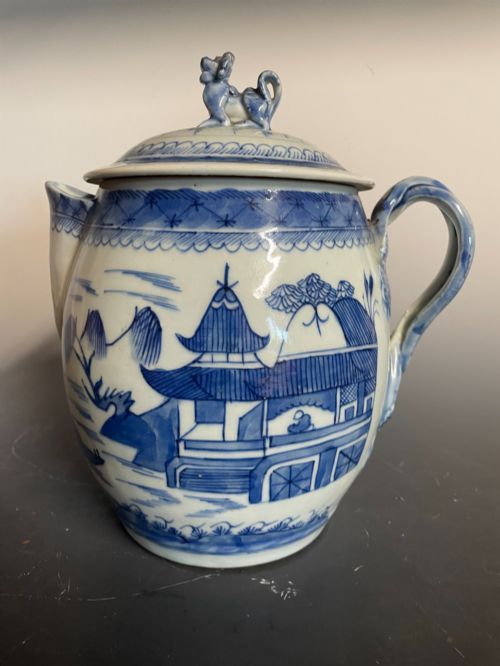
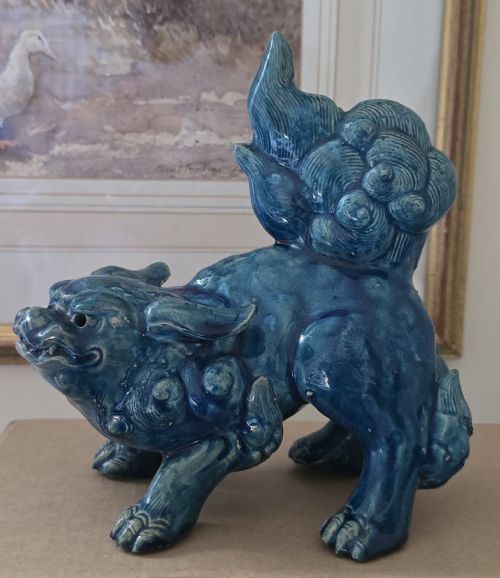
Carved wooden examples utilise dense timbers such as boxwood, padouk, root wood, or softer woods finished with polychrome paint and lacquer. Ceramic and porcelain pieces employ hand-painted blue and white pigments, sancai glazes, turquoise glazes, or famille rose enamel work.
What varies in quality
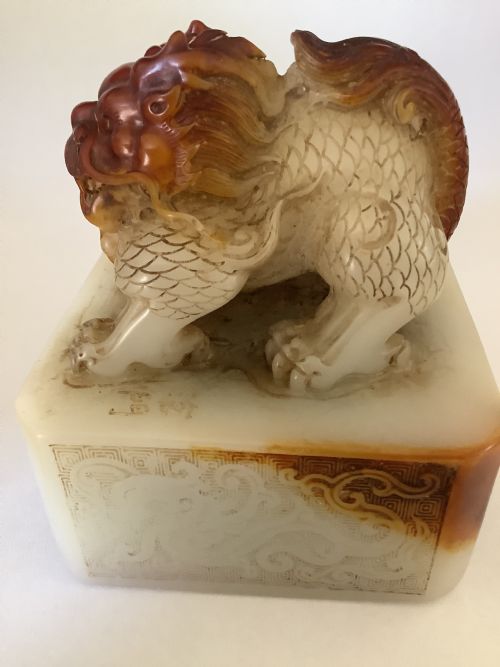
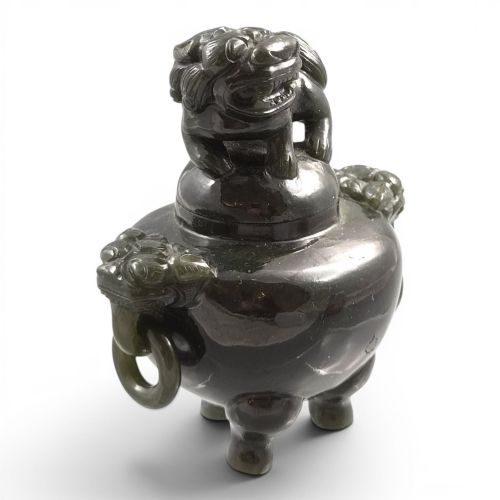
The integrity of the material also dictates distinction, such as the weight and patination of genuine bronze versus lighter alloys, or the purity and translucency of jade and fine porcelain compared to standard ceramic bodies.
Samson Paris
The Chinese Foo Dogs Glossary
- Shishi
- Stone or bronze guardian lions guarding sacred spaces. This Japanese term is frequently applied interchangeably to Chinese foo dogs.
- Sancai
- A traditional three-colour lead glaze technique originating in China. It typically employs amber, green, and creamy white or yellow tones.
- Famille Rose
- A prominent palette of opaque enamel colours introduced in Chinese porcelain decoration during the eighteenth century. Pink enamel derived from colloidal gold defines this decorative group.
- Cloisonné
- An ancient technique for decorating metalwork objects with coloured material. Artisans solder flat metal wires onto a metal base to form compartments before filling them with enamel paste.
Chinese Foo Dogs: Frequently Asked Questions
How do I tell a foo dog from a lion?
Western collectors use the term foo dog to describe Chinese guardian lions, which are modeled after Asian lions rather than domestic dogs. These mythical beasts combine leonine strength with stylized, curly manes and traditional Buddhist iconography.
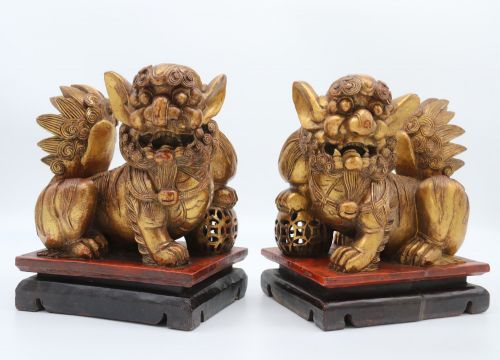
Traditional representations position the male with a brocade ball beneath its paw to symbolize imperial dominion and unity. The female rests her paw on a playful cub to represent nurturing protection and lineage.
Where should I place a foo dog?
Historically, pairs of guardian lions stood flanking the entranceways of palaces, temples, and homes to ward off malevolent influences. Placing them near an entryway or upon a mantelpiece mirrors their traditional guarding role.
Smaller examples function effectively as bookends on a library shelf or as decorative accents atop wooden tables. Heavier bronze and stone pairs anchor larger interior spaces effectively.
What is the difference between porcelain and pottery guardian figures?
Porcelain bodies are fired at higher temperatures using fine white kaolin clay, resulting in a dense, vitreous material that often rings when struck. These pieces frequently feature fine blue and white painting or glossy enamel glazes.
Pottery and earthenware figures utilise coarser clays fired at lower temperatures, often finished with lead-based sancai or monochrome glazes. These ceramic pieces tend to be heavier and more opaque than porcelain counterparts.