





Chinese Enamel Porcelain Jar
A chinese enamel porcelain jar brings vibrant polychrome palettes and intricate hand-painted detail straight from Qing workshops to modern interiors.
Chinese Enamel Porcelain Jar
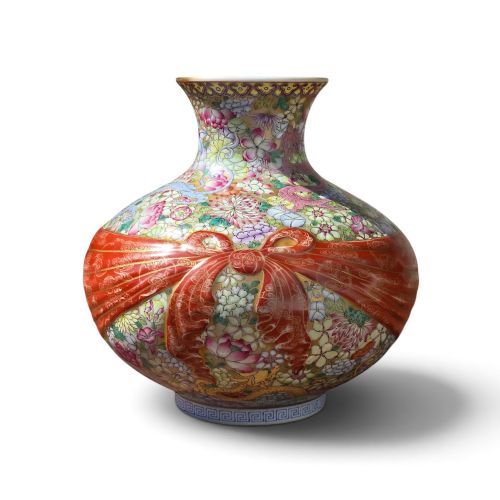
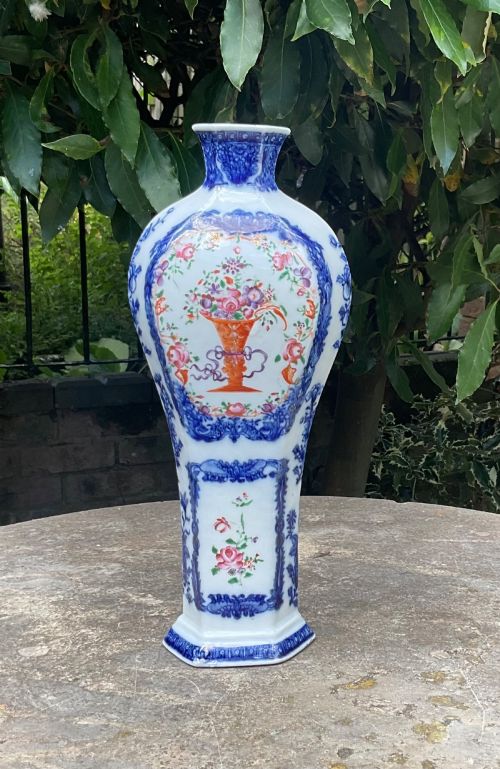
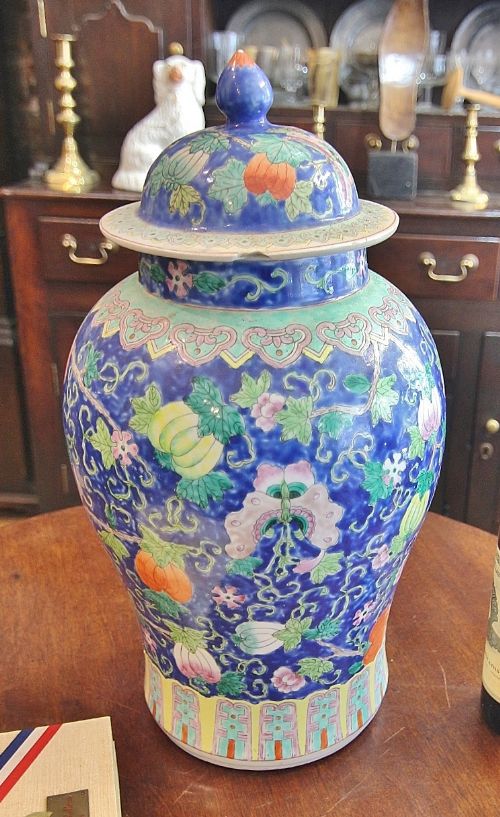
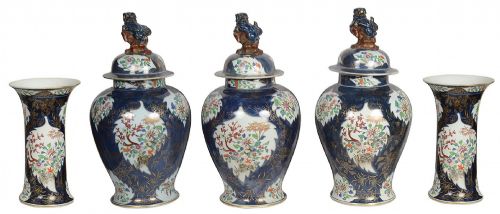
A chinese enamel porcelain jar typically takes the form of a ginger jar, baluster vessel or lidded urn created for export and domestic use. The pieces span from the eighteenth century through the nineteenth century and into the Republic period, reflecting centuries of ceramic tradition.
Buyers will most frequently encounter nineteenth-century examples on this page, particularly Canton and Rose Medallion wares alongside late Qing and Republic period pieces. These vessels often feature fitted covers and balanced proportions designed for display on tables or as converted lamp bases.
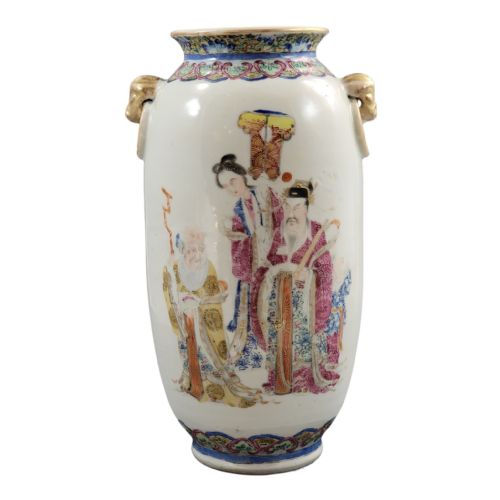
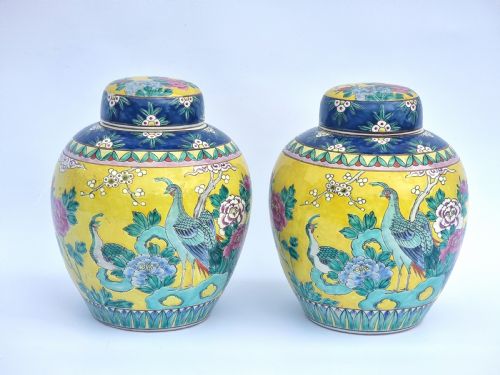
The decorative schemes draw heavily on traditional motifs, depicting birds, flowers, and figures such as Magu and Shoulao. Variations range from massive monumental floor vases to smaller lidded jars suited for cabinet display.
Materials and glazing techniques
Potters shaped the body from fine white porcelain before applying underglaze blue or foundational cobalt elements. Overglaze enamels were then hand-painted across the surface to build up intricate multi-coloured scenes.
Gilt, gold leaf, and rich enamel glazes added shimmering highlights to robes, floral panels, and border designs. The layered pieces underwent secondary firing to fix the vibrant palette firmly to the hard paste ceramic body.
Some nineteenth-century jars spent decades wired as table lamps, wearing silk shades over their hand-painted floral panels before returning to standard lidded form.
Evaluating craftsmanship and execution
Quality rests entirely on the precision of the hand-painting, the clarity of the enamel colours, and the crispness of the porcelain throwing. Superior pieces exhibit confident brushwork with finely delineated facial expressions and botanical details that remain sharp across the entire surface.
The richness of the gilding and the depth of the overglaze palette distinguish standard export items from exceptional imperial or high-status commissions. Consistency in the glaze finish and the harmonious balance of complex motifs separate the finest historical examples.
The Chinese Enamel Porcelain Jar Glossary
- Famille Rose
- A major palette of Chinese ceramic enamels introduced in the eighteenth century, dominated by opaque pink and rose colours derived from colloidal gold.
- Famille Verte
- A porcelain decoration style relying primarily on a transparent green enamel, supported by iron red, yellow, and blue pigments.
- Canton
- A major export ceramic production centre in southern China known for colourful compartmentalised panel scenes featuring figures and flowers.
- Ginger Jar
- A broad-shouldered ceramic storage vessel with a short neck and a fitted cover, originally made for spices and tea.
- Wucai
- A traditional polychrome ceramic technique meaning five colours, combining underglaze blue with contrasting overglaze iron red, green, yellow, and aubergine.
Chinese Enamel Porcelain Jar: Frequently Asked Questions
How do I date a Chinese enamel jar?
Dating relies on assessing the style of the overglaze enamels, the quality of the porcelain body, and any reign marks present on the base. Comparing the brushwork against established periods from the eighteenth to the twentieth century helps narrow the timeframe.
Changes in palette preferences, such as the emergence of Famille Rose or the distinct tones of the Republic period, provide reliable chronological markers for the experienced eye.
What is the difference between Canton and Rose Medallion?
Canton refers broadly to decorated ceramics exported through the southern port, encompassing various pictorial styles and floral borders. Rose Medallion is a specific sub-style within Canton ware featuring distinct alternating panels of figures and birds.
Both utilise the same brilliant palette of pinks, greens, and gilt, but Rose Medallion is instantly recognised by its geometric layout and segmented medallions.
Were these jars made for export?
Many of these vessels were manufactured specifically for the Western export market, meeting a European and American demand for ornate oriental goods. Kilns in Jingdezhen and workshops in Canton produced forms tailored to foreign tastes while retaining traditional Chinese motifs.
Export pieces often emphasise bright colours and dense gilding designed to catch the light in nineteenth-century drawing rooms.
How should I display a lidded jar?
A lidded jar works well as a standalone centrepiece on a mantelpiece, sideboard, or occasional table where its vertical form can command attention. Placing the piece away from direct sunlight protects the delicate overglaze enamels and gilt highlights from fading.
Pairing matching baluster vases or ginger jars creates symmetry, though single monumental examples hold their own presence in a room.