


Chinese Enamel Basin
A chinese enamel basin brings brilliant palettes and heavy metalwork into a room, offering both decorative presence and deep historical craft.
Chinese Enamel Basin
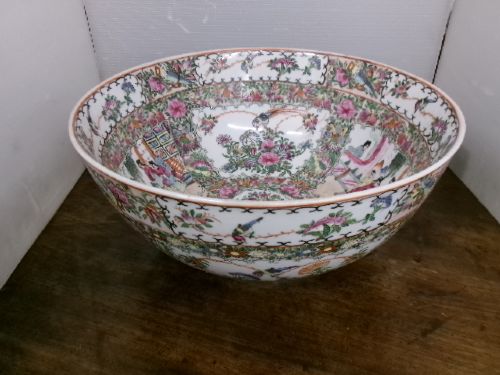
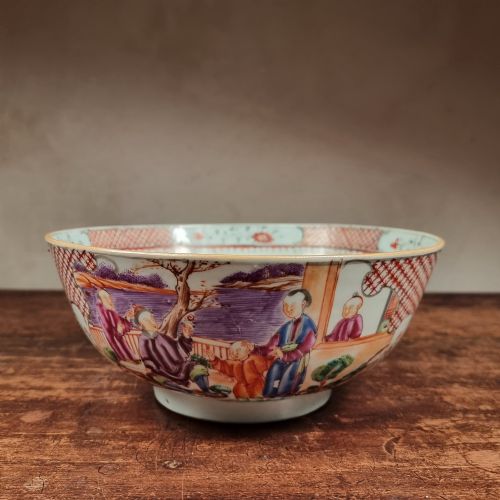
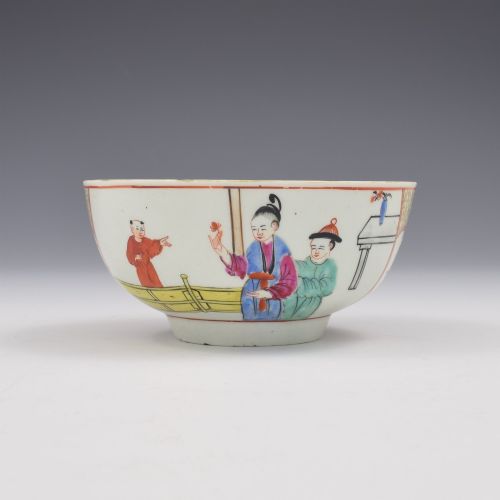
A chinese enamel basin encompasses large punch bowls, jardinières, and decorative vessels originating from various imperial and export periods. These pieces serve as striking centrepieces, often featuring intricate hand-painted motifs depicting figures and floral scenes.
Buyers most frequently encounter items hailing from the nineteenth century, including Canton Famille Rose and Rose Medallion examples. Earlier specimens spanning the eighteenth century and sixteenth century appear with porcelain and enamel-on-copper constructions.
Materials and construction
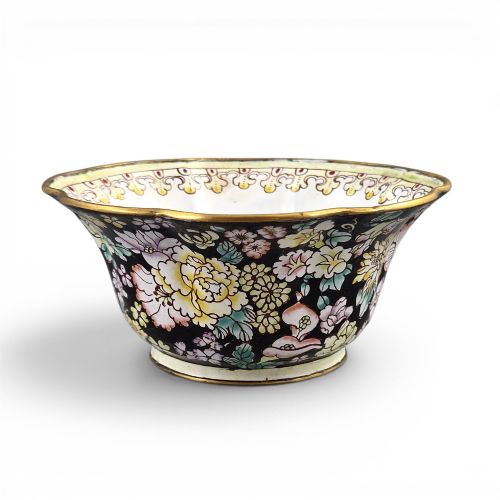
Artisans fused vitreous enamel to copper substrates or applied detailed overglaze enamels directly onto soft-paste and hard-paste porcelain bodies. Gilding and gold leaf often highlight the rims and key decorative borders of these vessels.
Firing techniques allowed cobalt blue motifs and polychrome palettes to bond permanently with the glaze, resulting in durable finishes that withstand centuries of handling.
Some nineteenth-century bowls are large enough to comfortably bathe a small terrier, though past owners sensibly stuck to punch.
Assessing quality and execution
Superior examples display precise brushwork in the hand-painted figures and botanical details, showing deliberate control rather than hurried application. The clarity of the overglaze enamels and the richness of the underlying copper or porcelain body separate fine decorative items from standard commercial wares.
The weight and balance of the vessel, alongside the preservation of any gilt highlights and surface glaze, indicate the level of care taken during the original manufacture.
The Chinese Enamel Basin Glossary
- Famille Rose
- A palette of opaque pink and rose enamel colours introduced during the Qing dynasty. This palette defines many traditional export bowls.
- Jardiniere
- A large ornamental pot or basin designed to hold plants or flowers. These vessels often feature robust proportions and flat bases.
- Overglaze enamel
- Pigments applied over a fired and glazed ceramic surface before undergoing a secondary, lower-temperature firing. This technique produces vibrant, raised surface details.
- Punch bowl
- A large, wide-rimmed bowl historically utilised for mixing and serving communal drinks. They frequently measure over fifteen inches in diameter.
- Cloisonne
- Enamel work created by soldering wire compartments onto a metal base before filling them with paste and firing. The metal outlines separate the distinct colour fields.
Chinese Enamel Basin: Frequently Asked Questions
What is a chinese enamel basin used for?
These vessels function primarily as decorative centrepieces, punch bowls, or large jardinières for holding plants within a domestic interior. Their considerable size makes them natural focal points on large tables or stands.
Historically, similar basins served functional roles in dining, hand-washing, or displaying large floral arrangements during formal gatherings.
How do I date a chinese enamel basin?
Dating relies on examining the style of the overglaze enamels, the characteristics of the porcelain or copper body, and any reign marks present on the base. Nineteenth-century pieces often display dense Canton Famille Rose or Rose Medallion patterns.
Earlier examples from the eighteenth century or sixteenth century reveal distinct potting techniques, weight differences, and variations in the cobalt blue or polychrome pigments.
Are these basins made of porcelain or metal?
The inventory includes both ceramic pieces formed from porcelain and metal pieces constructed using copper bases. Enamel is applied to the metal surfaces or fused over glazed porcelain bodies.
Examining the underside and rim typically clarifies whether the core material is hard-paste ceramic or beaten copper.
How should I display a large bowl?
Large bowls and jardinières require sturdy tables, sideboards, or dedicated stands capable of supporting their substantial weight and diameter safely. Placing them away from high-traffic areas prevents accidental knocks.
Keeping them clear of direct, intense sunlight helps preserve the vibrancy of the hand-painted overglaze enamels and gold leaf highlights.