




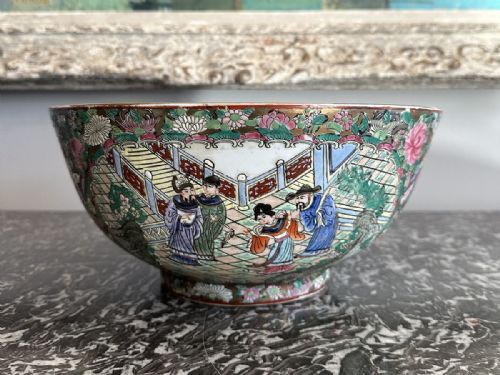
Canton Punch Bowl
These large canton punch bowl examples bring vibrant Cantonese porcelain and intricate Chinese export styles straight to your dining table.
Canton Punch Bowl
A canton punch bowl represents a grand tradition of Chinese export porcelain made for Western markets during the nineteenth century and earlier. These substantial vessels take the form of decorative bowls and centrepiece bowls designed for display or communal drinking.
You are most likely to meet nineteenth-century examples on this page, often spanning periods like the Victorian era alongside pieces dated around 1880, 1890, and 1900. Forms range from simple porcelain bowls to grand items sitting on hardwood stands or fitted with gilt bronze mounts.
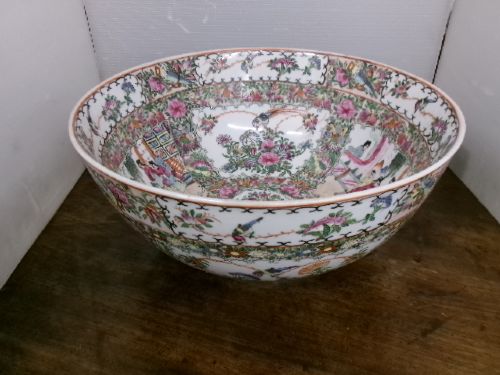
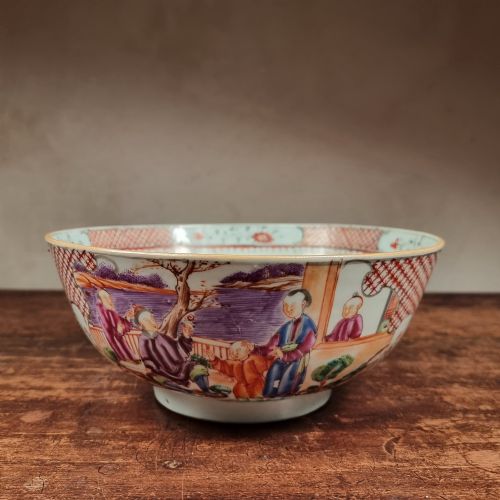
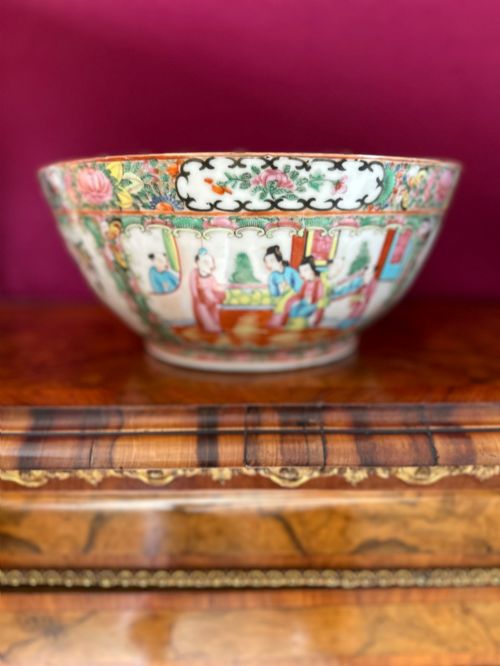
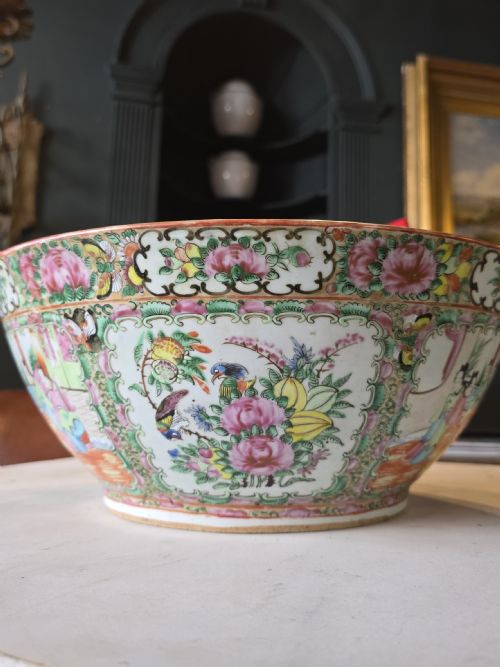
The decorative vocabulary encompasses Chinese Export, Qing Dynasty styles, Chinoiserie, and Cantonese Famille Rose. Many pieces display rich figurative scenes in the Mandarin or Rose Medallion taste, filled with intricate panels and border motifs.
How they were made
Potters shaped these vessels from fine porcelain before applying elaborate overglaze enamel decoration by hand. Artisans utilised brilliant colour palettes featuring pinks, greens, and golds to build up complex narrative or floral compositions.
Many items incorporate gilding and gold leaf highlights to accentuate the intricate panel borders and figural details. Certain pieces also integrate structural or decorative elements in gilt bronze, or rest upon carved hardwood bases.
Canton Punch Bowl Retail Price Guide 2026
Typical asking prices for canton punch bowl among the pieces listed under this phrase on Sellingantiques today, from the lower quarter to the upper quarter. They describe what is for sale here now, not the wider market.
Listings feature nineteenth century pieces alongside items dated to the eighteenth century and early twentieth century.
What varies in quality
The distinction between ordinary and exceptional work rests on the precision of the hand-painted brushwork and the density of the enamels. Superior vessels display crisp delineation in the figures and faces, alongside richly saturated overglaze colours that cover the porcelain harmoniously.
Scale and proportion define the upper tier of these pieces, where sheer diameter commands attention and challenges kiln stability. The presence of sophisticated mountings, such as ormolu frames or custom hardwood stands, elevates the visual weight of the bowl.
The Canton Punch Bowl Glossary
- Famille Rose
- A palette of opaque overglaze enamels dominated by pink or rose colours, introduced to Chinese porcelain during the Qing dynasty. This technique allowed artists to render delicate floral and figural motifs with subtle tonal shading.
- Rose Medallion
- A specific style of Chinese export porcelain featuring partitioned panels filled with alternating scenes of court figures, birds, and butterflies. These panels are typically arranged around a central medallion against a dense background of green foliage and gilt details.
- Mandarin
- A decorative style within Cantonese porcelain depicting official figures and court scenes in domestic or garden settings. The compositions often fill the interior and exterior walls with vibrant narrative storytelling.
- Chinese Export
- Porcelain manufactured in China specifically for trade and export to Western markets from the seventeenth through the nineteenth centuries. These goods blended traditional Eastern forms and techniques with European decorative preferences.
- Gilt Bronze
- An alloy of copper and zinc finished with a layer of gold, frequently employed for nineteenth-century mounts and stands. This material adds structural support and a metallic contrast to the porcelain bowl.
Canton Punch Bowl: Frequently Asked Questions
What is a canton punch bowl?
A canton punch bowl is a large decorative porcelain vessel made in China for export during the nineteenth century and earlier periods. These bowls typically feature colourful hand-painted enamel designs in styles such as Famille Rose or Rose Medallion.
Historically utilised for serving punch at large gatherings, these substantial bowls functioned as centrepieces for dining tables and formal rooms. Today, collectors value them for their vibrant artistry and historical connection to global trade.
How do I date a canton punch bowl?
Dating these bowls involves examining the porcelain body, the style of the overglaze enamels, and the specific decorative motifs present. Nineteenth-century examples frequently exhibit characteristic Rose Medallion or Mandarin patterns executed in bright enamel palettes.
Archival records and market evidence show that pieces span from the eighteenth century through the Victorian era and into the early twentieth century. Comparing the brushwork and enamel texture helps distinguish earlier export pieces from later reproductions.
How should I display a large bowl?
Displaying a large punch bowl requires a stable, sturdy surface capable of supporting considerable weight and significant diameter. Many collectors place them on dedicated dining tables, sideboards, or heavy furniture where their scale can be appreciated.
Some pieces are designed to sit upon carved hardwood stands or incorporate ormolu mounts, which provide both elevation and structural security. Proper placement protects the rim and body from accidental bumps while highlighting the interior and exterior painted scenes.
What motifs appear on these bowls?
The surface decoration typically includes complex figural scenes depicting court life, warriors, or domestic gatherings within architectural settings. Surrounding these panels, artists often painted dense arrangements of birds, butterflies, and floral compositions.
Border designs frequently incorporate gilded motifs, geometric patterns, and intricate medallion structures that frame the central narrative. This layered approach creates the rich visual density characteristic of nineteenth-century Cantonese export porcelain.