



Decorative Chinese Bowl
A decorative chinese bowl brings vibrant colour and centuries of craftsmanship into a room, offering both practical utility and striking visual presence.
Decorative Chinese Bowl
When you search for a decorative chinese bowl, you encounter a diverse range of objects spanning multiple centuries, from eighteenth-century punch bowls to nineteenth-century Canton porcelain. These pieces serve primarily as ornamental centrepieces, table vessels, or scholarly desk items.
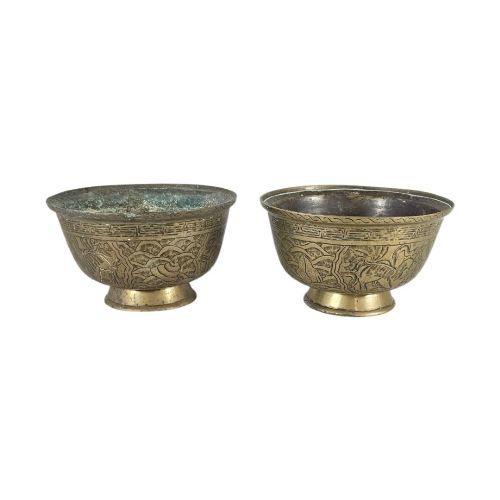
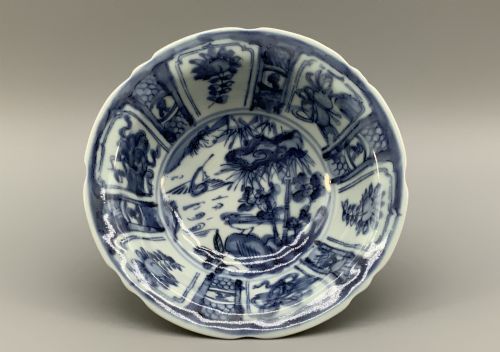
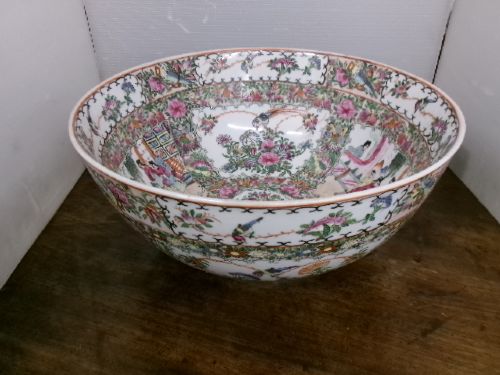
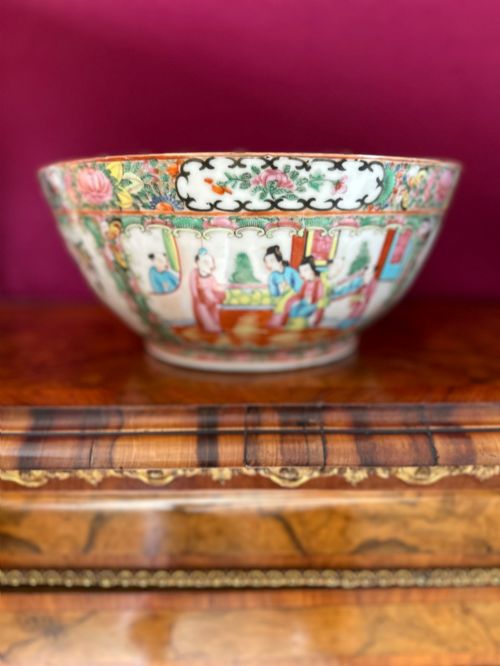
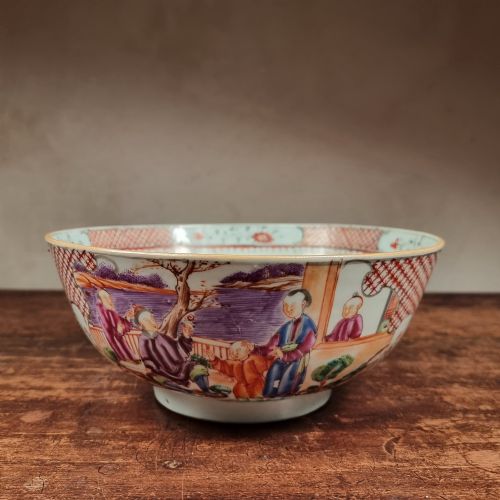
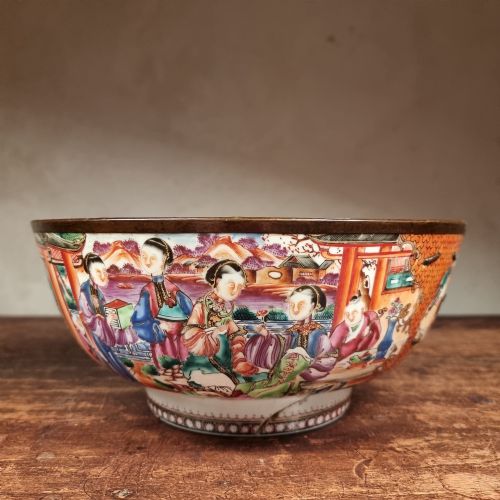
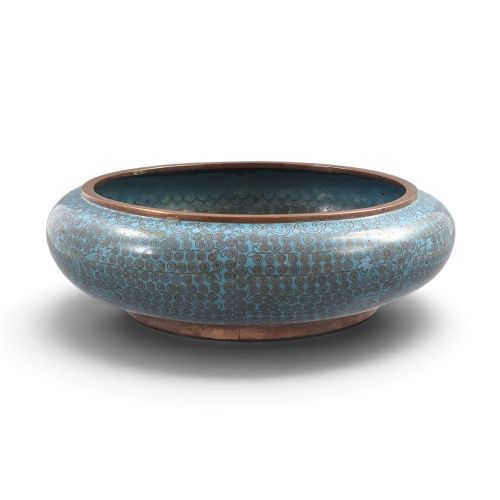
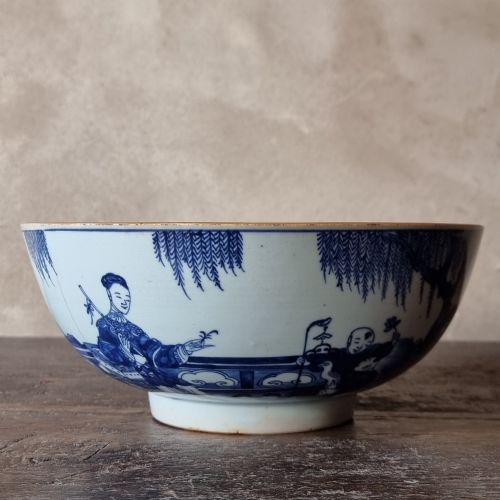
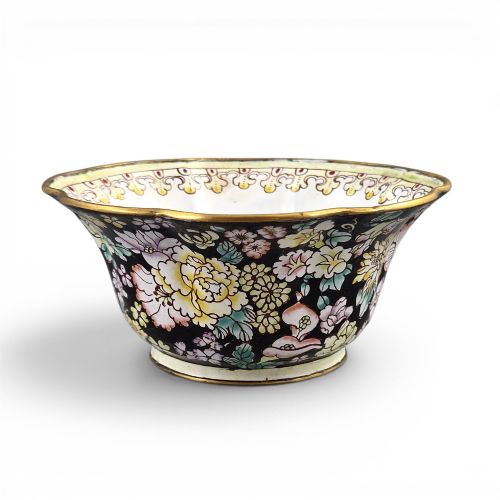
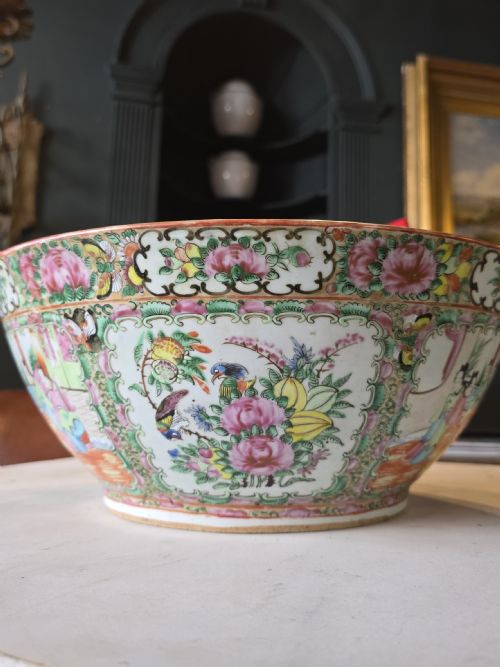
The versions most frequently found here include large porcelain punch bowls adorned with hand-painted famille rose palettes, robust bronze vessels, and delicate blue and white wares. Alongside traditional ceramic forms, the selection encompasses cloisonné enamel work and carved coconut or hardwood pieces.
Originating predominantly from distinct historical periods such as the Qing Dynasty and the early twentieth century, these items reflect both native imperial tastes and wares produced specifically for export. Buyers select them to anchor a room's aesthetic or to collect specific historical techniques.
How they were made
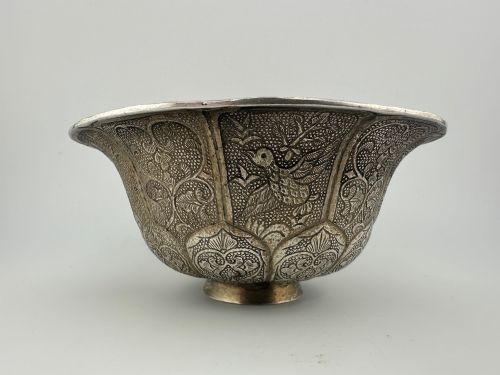
Potters and artisans utilised high-fired porcelain as the primary substrate, applying cobalt blue pigments under the glaze or enamel colours over the glaze. Metalworkers shaped bronze, brass, and white metal into heavy vessels, frequently incorporating cloisonné wirework or gilding.
Surface decoration often involved meticulous hand-painting, intricate carving into hardwood or coconut shells, and the application of gold leaf. Skilled craftspeople also employed specialised techniques such as plique-à-jour and enamel-on-copper to achieve translucent or richly coloured finishes.
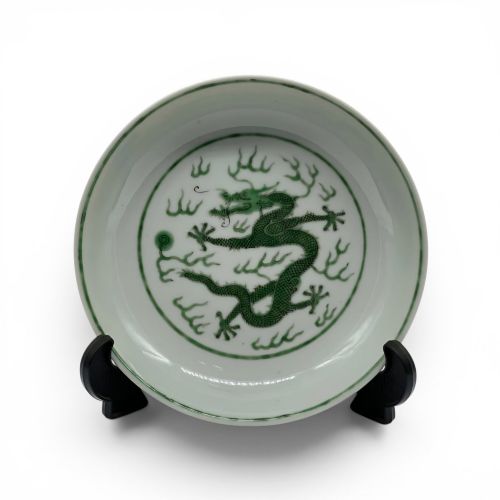
American eagles make unexpected appearances alongside traditional Chinese dragons on early twentieth-century export porcelain.
What varies in quality
The standard of a piece depends heavily on the precision of the hand-painted motifs and the complexity of the palette employed by the artisan. Finer examples display crisp detail in multi-coloured enamel work, carefully controlled cobalt underglaze, and substantial weight in bronze or porcelain bodies.
Execution of secondary elements, such as intricate cloisonné cell-work, gilded highlights, or carved wooden stands, distinguishes superior specimens. Greater artistic ambition in the design, such as imperial-style dragon motifs or complex figural scenes, elevates the character of the object.
Daisy Makeig-Jones Wedgwood·Samson
The Decorative Chinese Bowl Glossary
- Famille Rose
- A palette of opaque rose-pink enamel introduced in the eighteenth century. This distinctive coloration defines much of later Canton porcelain.
- Cloisonne
- A metalworking technique where thin wire partitions are soldered to a metal base to create cells filled with enamel paste. These cells are subsequently fired and polished.
- Punch Bowl
- A large, deep vessel originally designed for mixing and serving communal drinks. These wide bowls provide an expansive canvas for detailed pictorial decoration.
- Qing Dynasty
- The final imperial dynasty of China, spanning from sixteen-forty-four to nineteen-or-twelve. Many decorative bowls originate from its later decades.
- Plique-a-jour
- A vitreous enamelling technique where enamel is applied within a network of metal cells without a backing, allowing light to shine through the transparent material.
Decorative Chinese Bowl: Frequently Asked Questions
What are decorative chinese bowls made of?
These vessels appear in a variety of materials, predominantly porcelain, bronze, brass, and white metal. Artisans frequently added enamel, gold leaf, and gilding to enrich the surfaces.
Some unusual examples incorporate carved coconut shells, mother-of-pearl, or specialised glass-like enamels such as plique-à-jour.
How were punch bowls used historically?
Large punch bowls functioned as communal vessels for serving mixed beverages during social gatherings and banquets. Their generous proportions made them central fixtures on dining tables.
Over time, many of these durable porcelain and metal pieces transitioned into purely decorative display items within domestic interiors.
How do I identify a Qing Dynasty bowl?
Identification relies on stylistic markers such as specific enamel palettes, cobalt blue tones, and traditional motifs like dragons, phoenixes, or floral sprays. Certain pieces may also bear period marks on their bases.
Comparing the manufacturing technique, weight, and glaze characteristics against established historical examples helps clarify the dating.
Can I use these bowls for daily dining?
Most antique bowls serve primarily as decorative objects or centrepieces rather than everyday tableware. Their age, delicate enamels, and historical significance make careful handling advisable.
Displaying them on stands or within cabinets protects the hand-painted surfaces and gilt detailing from modern wear.