
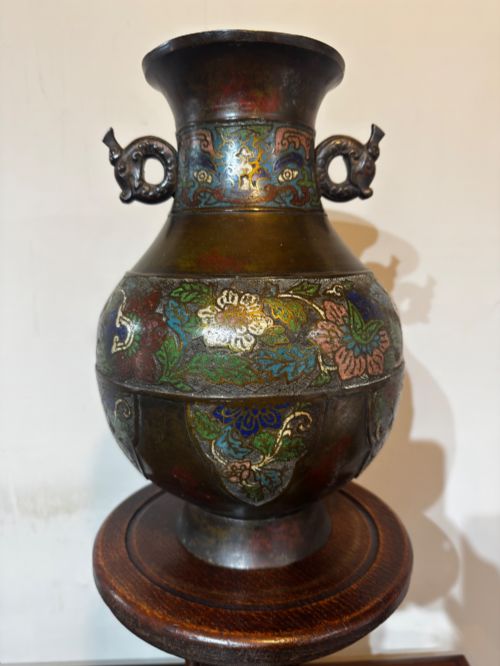
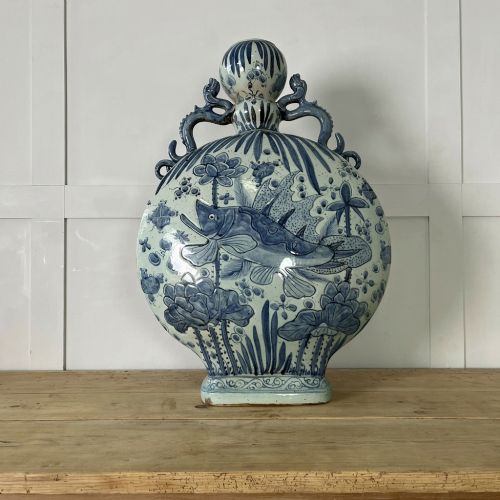


Chinese Dragon Vase
A Chinese dragon vase brings centuries of symbolic power and imperial artistry straight into a room, making it a striking centrepiece for any serious collection.
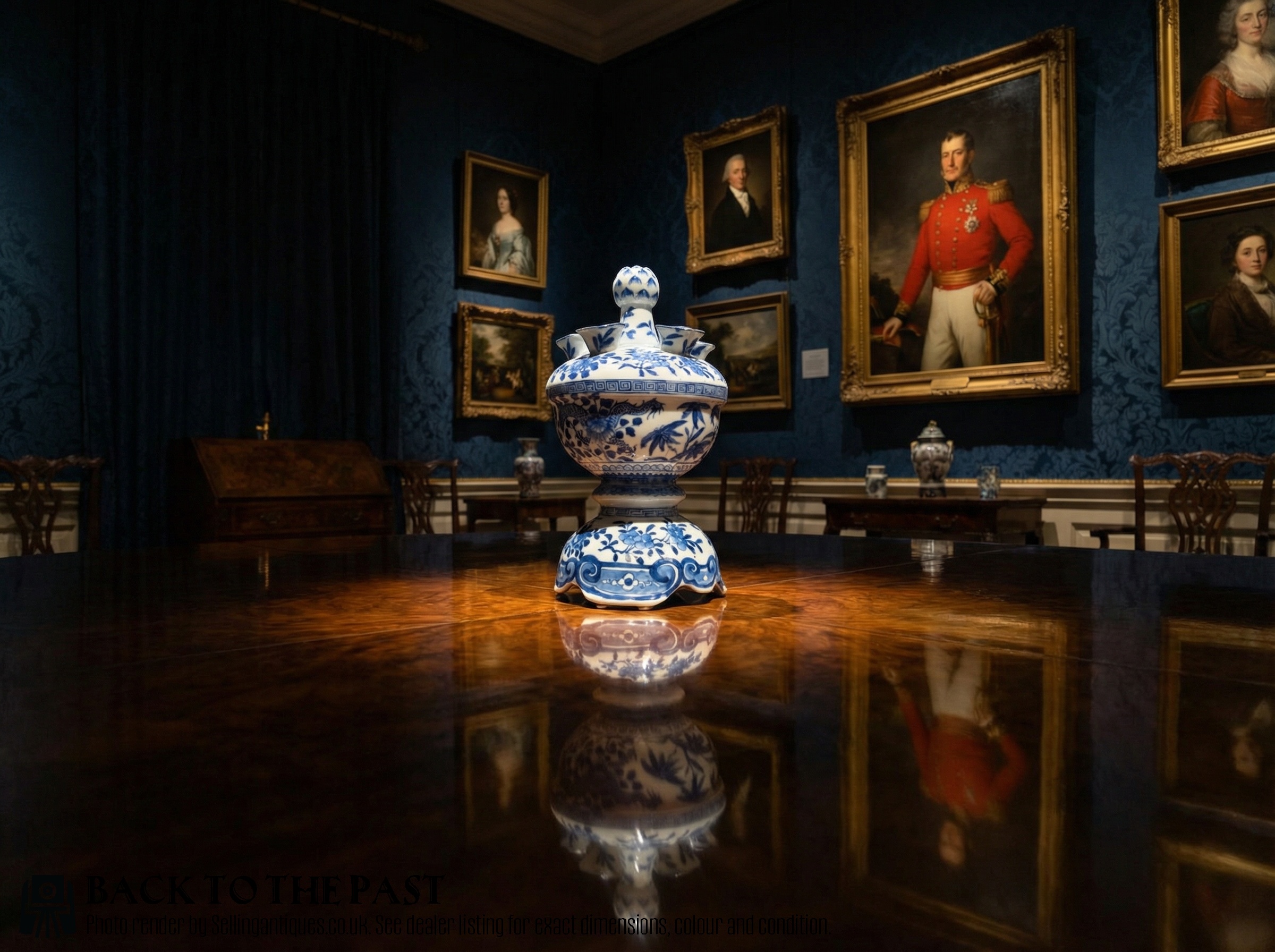
Chinese Dragon Vase
A chinese dragon vase embodies the rich aesthetic of imperial workshops, featuring mythical beasts coiled around ceramic or metallic bodies. Collectors searching this phrase encounter vessels ranging from blue and white porcelain to heavy bronze castings.
The pieces on this page span the 17th century through to the early 20th century, capturing Qing Dynasty traditions alongside Victorian and Edwardian export interpretations. Formats vary from tall baluster shapes and moon flasks to altar vessels and converted table lamps.
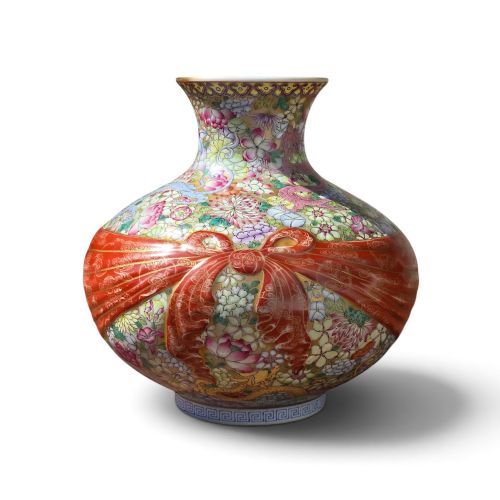
Porcelain examples frequently showcase cobalt underglaze or famille rose enamels, while metal versions display intricate champlevé or high-relief copper-alloy work. These vessels served both ritual and decorative roles in historic interiors.
Materials and construction
Potters shaped high-fired porcelain bodies before applying cobalt blue pigments or multi-coloured enamel palettes, sealing the design beneath a clear glaze. Metalworkers cast bronze and brass using detailed moulds, often applying gilt highlights or champlevé enamel cells to enhance the relief.
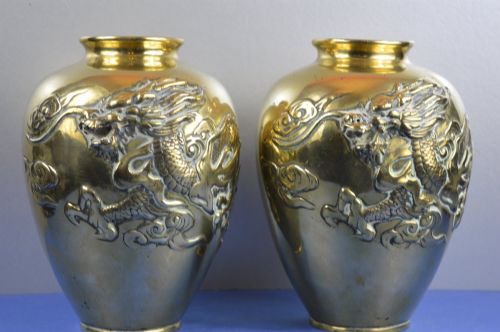
Surface decoration required immense precision, with artisans hand-carving scales, claws, and swirling clouds into the medium. Many bronze examples incorporate high-relief casting techniques that make the scaled serpentine bodies project outward from the vessel wall.
Some dragons appear so fierce they might scorch the mantelpiece, while others look delightfully surprised to find themselves on a lamp.
Assessing craftsmanship and execution
The weight and stability of the vessel also dictate its standing, with thicker bronze castings and balanced porcelain forms commanding greater respect. Finer pieces maintain crisp enamel separation and well-preserved gilding without muddying of the secondary pigments.
The Chinese Dragon Vase Glossary
- Baluster
- A tall vase form with a rounded body that tapers toward the base and flares slightly at the neck. This silhouette provides an expansive canvas for wrapping dragon motifs.
- Champlevé
- An enamelling technique where troughs or cells are hollowed out of a metal surface and filled with vitreous enamel paste before firing. It creates vibrant colour contrasts against bronze or brass backgrounds.
- Famille Rose
- A palette of opaque enamel colours dominated by pink or rose hues, introduced during the Qing Dynasty. It allowed artisans to achieve nuanced tonal gradations in floral and figural scenes.
- Meiping
- A traditional plum vase shape characterised by a narrow base, wide shoulders, and a very small neck. Originally designed for holding single plum branches, these vessels often feature dragons chasing flaming pearls.
- Doucai
- A ceramic technique combining underglaze blue outlines with overglaze enamel infills. The resulting designs possess a distinctive outlined clarity.
Chinese Dragon Vase: Frequently Asked Questions
How do I date a chinese dragon vase?
Dating relies on examining the clay body, glaze characteristics, and stylistic conventions tied to specific imperial reigns or export periods. Base marks, when present, offer further clues but require careful cross-referencing against period manufacturing standards.
Material composition also guides attribution, as 19th-century bronzes and export porcelain exhibit distinct patina and potting traits compared to earlier Qing dynasty outputs.
What do five-clawed dragons signify?
In imperial China, the five-clawed dragon symbolised the Emperor himself and was strictly regulated for use on imperial wares. Finding this motif on a vessel points to high-status commission or court-adjacent production.
Export pieces occasionally featured similar motifs, though domestic imperial pieces carried the strictest limitations on claw counts and symbolic framing.
Why are some mounted as lamps?
Many vases were converted into table lamps during the late 19th or early 20th centuries to suit Western domestic lighting trends. This practice was common among European and American collectors who favoured oriental aesthetics in their drawing rooms.
These conversions often utilise drilled bases or custom brass mounts designed to secure electrical fittings without destroying the core vessel.