
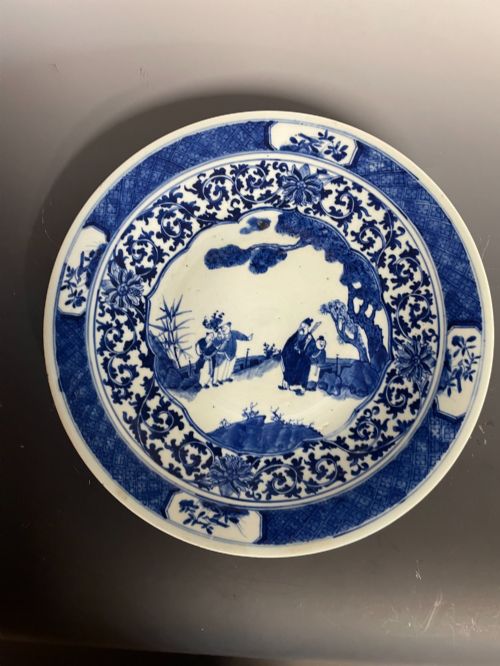
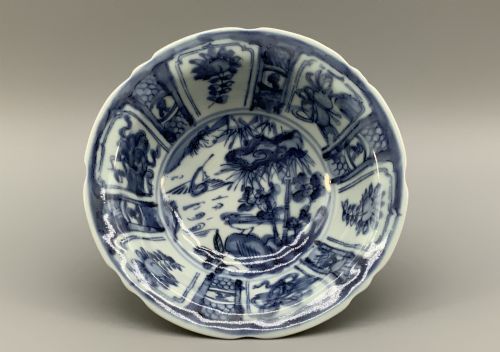
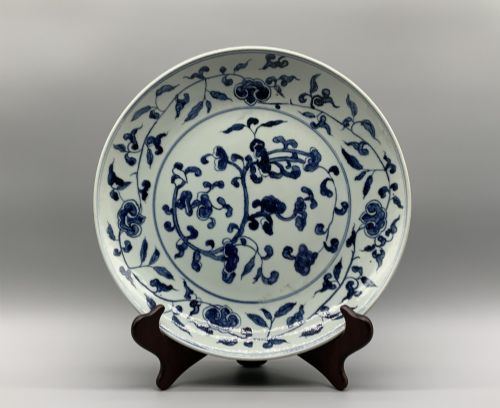
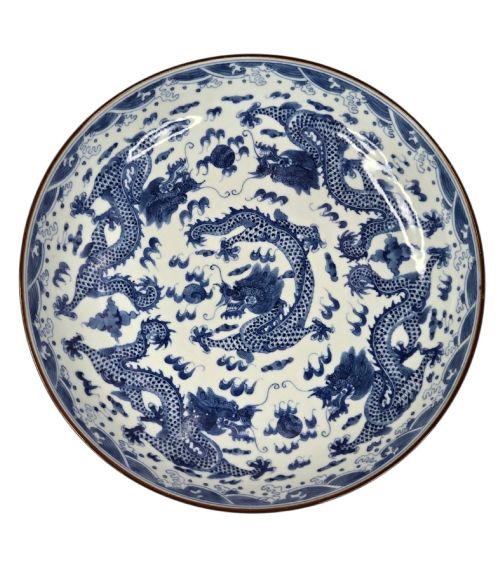



Chinese Cobalt Blue Dish
A chinese cobalt blue dish brings deep blue pigment and hard-paste porcelain together across centuries of export and imperial production.
Chinese Cobalt Blue Dish
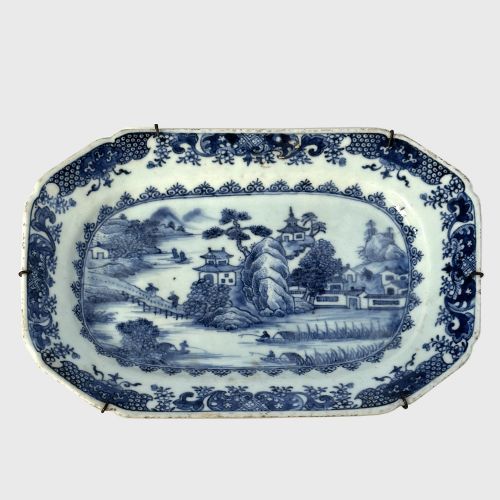
When you examine a chinese cobalt blue dish, you look at items spanning the 16th century through to the 19th century, covering periods such as the Ming Dynasty, Qing Dynasty, Kangxi Period, and Qianlong Period.
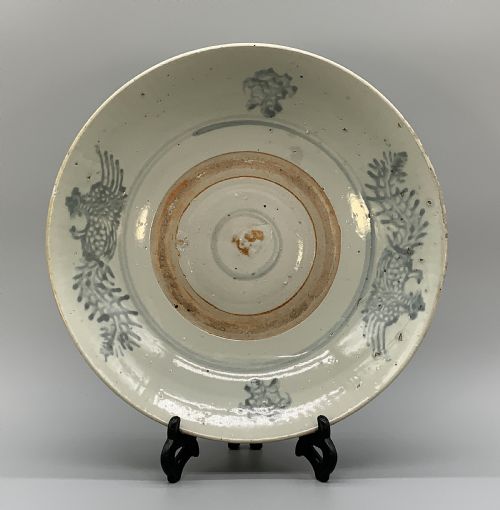
The selection on this page centres on chargers, platters, deep dishes, and bowls, including forms like Swatow ware, Kraak klapmuts bowls, and moulded floral dishes with barbed rims.
Most examples originate from Chinese export and imperial workshops, though related ceramic traditions like Japanese Arita Imari and Delft interpretations also appear.
How they were made
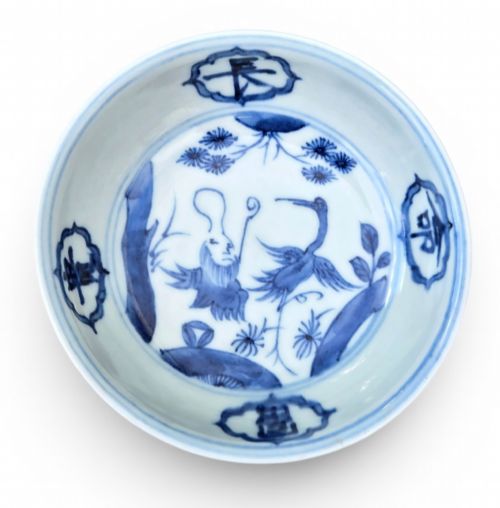
Potters painted cobalt pigment directly onto hard-paste porcelain or ceramic bodies before applying a clear glaze and firing at high temperatures.
Cobalt underglaze methods allowed the vivid blue decoration to fuse permanently with the glaze during the kiln process, protecting the hand-painted details.
Certain pieces combine this cobalt underglaze work with subsequent enamel additions or rely on moulded floral forms and barbed rims.
Listings span multiple centuries, ranging from 16th-century Wanli period items to 19th-century Qing Dynasty pieces.
What varies in quality
Quality rests upon the crispness of the cobalt pigment against the porcelain body, distinguishing strong, controlled brushwork from blurred or muddy application.
The precision of the form, whether a heavily potted charger or a delicate lobed bowl, dictates the success of the piece.
Period markings and reign marks, such as those of the Kangxi era, add context, but the strength of the painting remains the primary distinction.
The Chinese Cobalt Blue Dish Glossary
- Cobalt underglaze
- Pigment applied to the ceramic body before glazing and firing, producing a stable blue colour beneath the glass surface. This technique prevents the design from wearing away with use.
- Hard-paste porcelain
- A dense, vitrified ceramic made from petuntse and kaolin fired at high temperatures. It rings when struck and absorbs no moisture.
- Kraak porcelain
- Chinese export porcelain characterised by panelled border decorations and central motifs of flowers or birds. It dates principally from the late Ming dynasty.
- Swatow ware
- A loose category of larger Chinese ceramic chargers and dishes made for export during the late Ming period. They often display vigorous, freehand cobalt painting.
- Kangxi period
- The reign during the Qing dynasty noted for technical brilliance in blue and white porcelain production. Pieces from this era frequently display vibrant cobalt tones.
Chinese Cobalt Blue Dish: Frequently Asked Questions
How do I date a blue and white dish?
Dating relies on examining the painting style, potting characteristics, and any reign marks present on the base. Comparing these details to established dynasties helps place the object within a specific century.
Changes in the shade of the cobalt pigment and the composition of the porcelain body also provide useful clues for determining the period of manufacture.
Were these dishes meant for daily use?
Many larger chargers and serving platters served functional roles in dining and food presentation. Others, particularly finer saucer-dishes and imperial wares, functioned primarily as display pieces.
Export wares made their way to European and Asian markets where households utilised them for both ornamental and practical dining purposes.
What is the difference between export and imperial porcelain?
Imperial porcelain was produced under strict court supervision for use by the emperor and official households. The craftsmanship and materials represented the highest standards of the imperial kilns.
Export porcelain, by contrast, was manufactured in vast quantities to satisfy international demand, incorporating Western shapes and decorative motifs alongside traditional Chinese designs.
How should I display a charger safely?
Chargers require sturdy wall hangers specifically designed for heavy ceramic plates or secure plate stands with adequate depth. Positioning them away from high-traffic walkways protects them from accidental knocks.
Stable cabinet placement on a padded base offers another secure method for showcasing larger dishes without risking a fall.