
Chinese Carved Sculpture
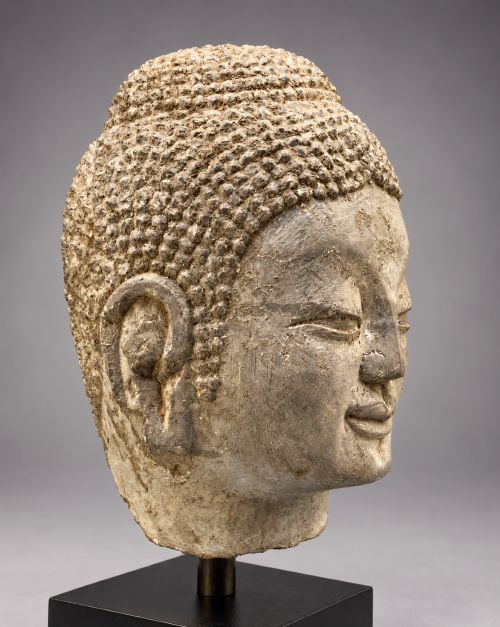
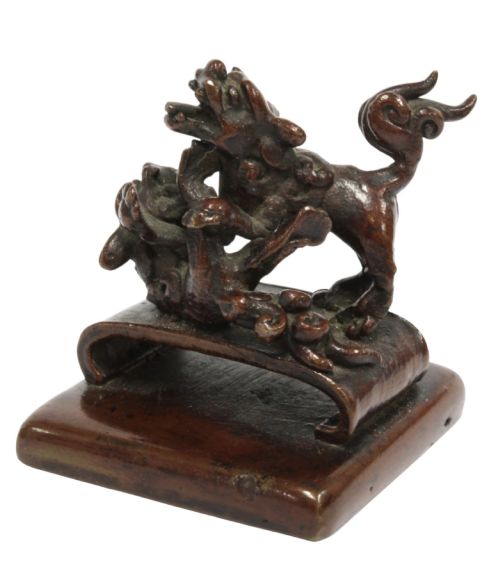
These pieces of chinese carved sculpture range from jade figures to monumental hardwood guardians shaped across centuries of tradition.
Chinese Carved Sculpture
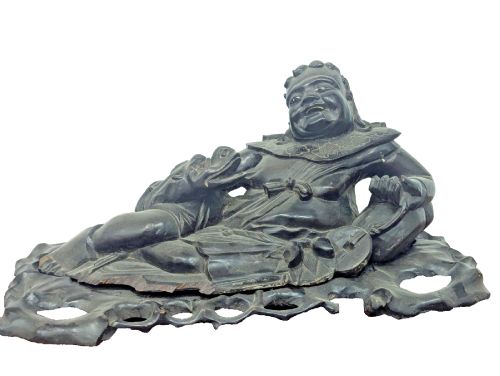
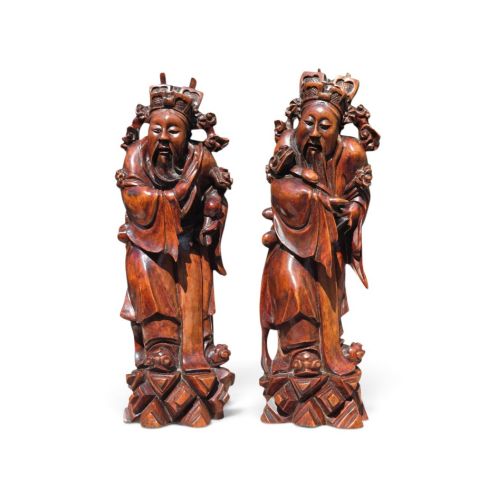
When you examine chinese carved sculpture on this page, you encounter works spanning from the Ming dynasty through the Qing period and into the early twentieth century. The selection includes standalone figures of deities and scholars, temple guards, jade carvings, and ornamental groups fashioned from varied stones and woods.
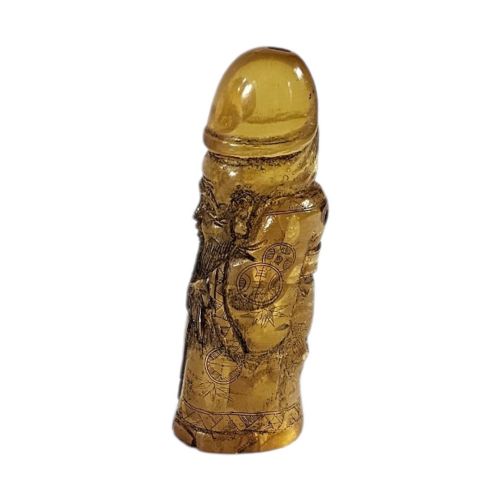
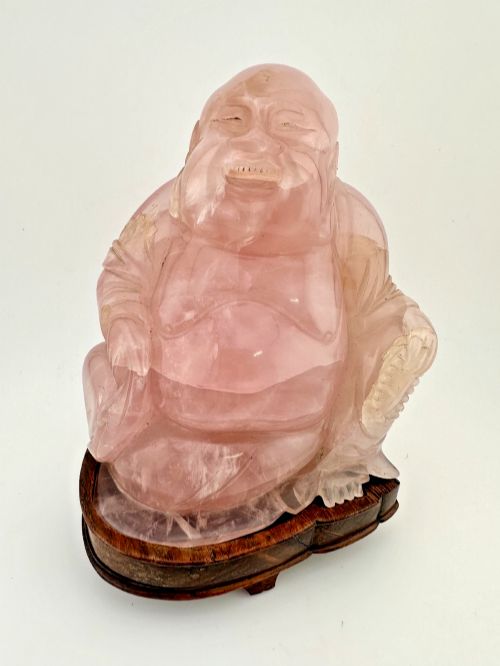
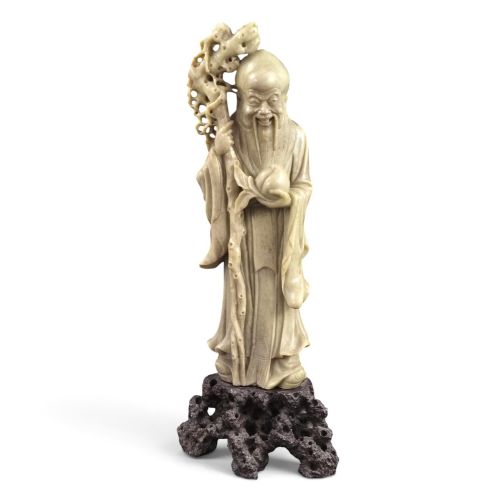
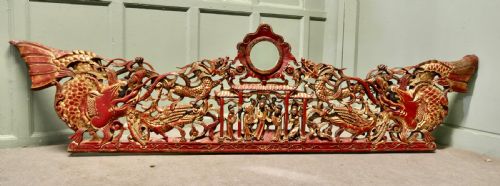
Most items you meet here originate from the nineteenth and early twentieth centuries, capturing traditional subjects such as Shoulao, Budai, Daoist immortals, and mythical beasts. Forms range from miniature pendants and scholar's desk pieces to monumental hardwood guardian figures and temple pediments.
How they were made
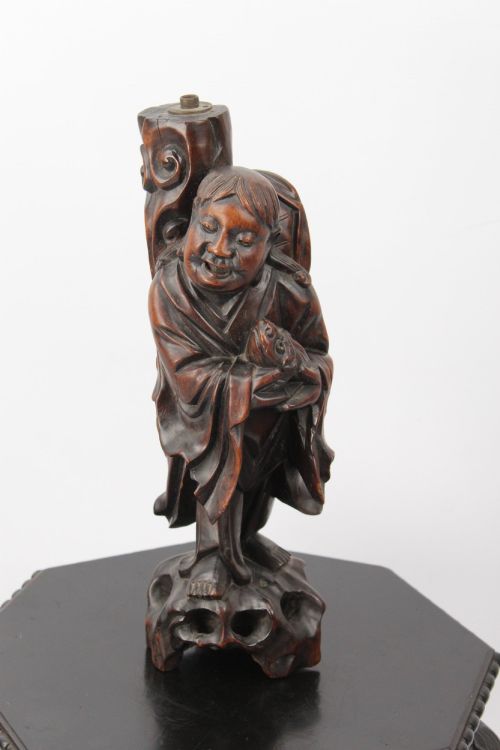
Artisans worked organic materials like boxwood, rootwood, and dense hardwoods using hand chisels to shape complex figural groups and temple animals. When handling stone, carvers utilised jade, soapstone, bowenite serpentine, and limestone, exploiting natural colour variations within the material to define details in drapery and foliage.
Surface treatment varied according to the medium, incorporating lacquer, polychrome paint, or simple polish to highlight the grain of the wood or the translucency of the stone. Many wooden figures and stone landscapes were also paired with bespoke carved hardwood stands designed to support the sculpture securely.
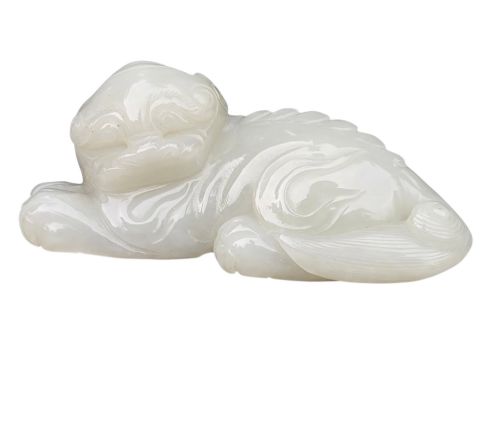
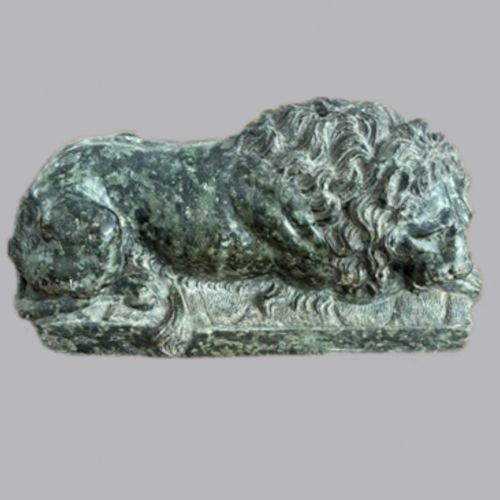
Several pieces include recumbent stone lions and smiling monkeys caught mid-mischief, proving that traditional carvers enjoyed injecting quiet humour into stone.
What varies in quality
The standard of a chinese carved sculpture depends largely on the ambition of the carving and the skill demonstrated in handling difficult materials. Finer examples display confident depth and undercut work that gives vitality to figures and drapery, whereas lesser pieces remain stiff and shallow in relief.
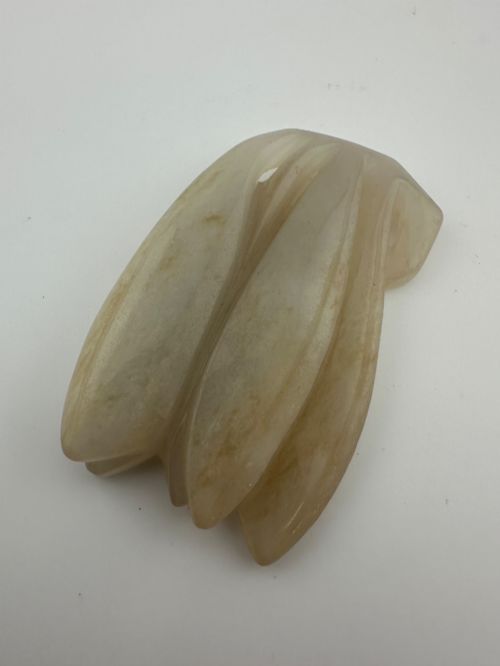
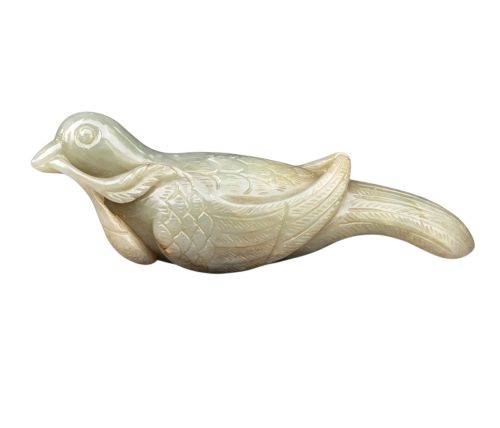
Material selection also dictates standing, with flawless white or pale celadon jade and well-chosen precious coral commanding greater attention than common soapstone or routine wood. The integration of form with the natural characteristics of the raw material distinguishes masterwork scholar's objects from standard decorative carvings.
The Chinese Carved Sculpture Glossary
- Shoulao
- The Taoist god of longevity, commonly depicted with an elongated forehead holding a peach and a staff. This figure appears frequently in carved soapstone and amber pendants.
- Budai
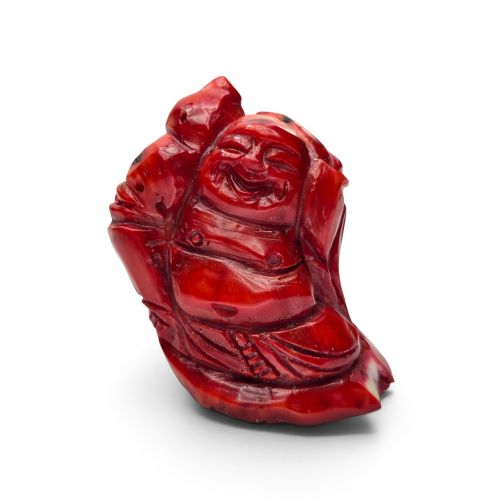
- A popular representation of a plump, laughing monk associated with contentment and good fortune. Sculptures often show him seated alongside children or holding prayer beads.
- Foo Dog
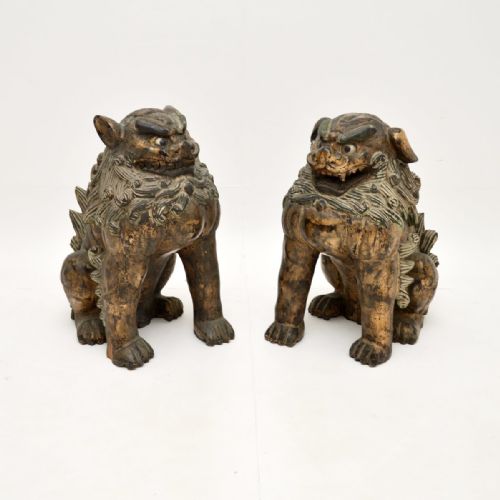
- Guardian lions traditionally placed outside temple gates to ward off evil spirits. Carvers rendered these mythical beasts in wood, stone, and bronze with swirling manes and paws resting on brocade balls.
- Lokapala
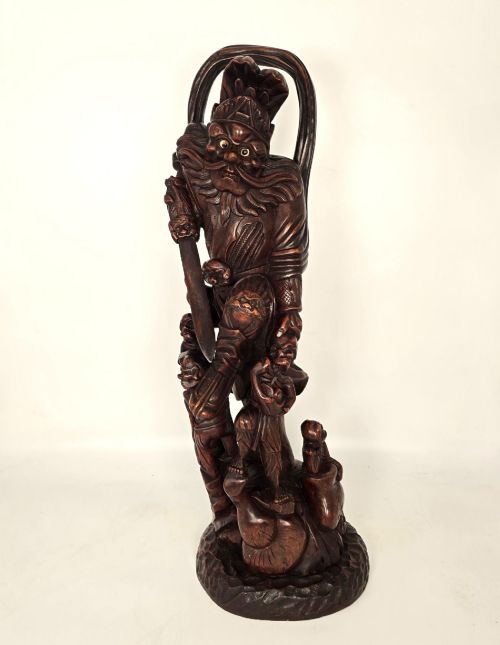
- A celestial guardian king tasked with protecting a specific cardinal direction. Monumental hardwood versions of these figures stand with fierce expressions and elaborate armour.
- Celadon
- A pale green glaze or jade tone reminiscent of sea-water. This colour describes specific jade carvings and scholar's objects from the Qing dynasty.
Chinese Carved Sculpture: Frequently Asked Questions
How do I care for wooden sculptures?
Wooden figures and rootwood stands require stable indoor humidity levels to prevent the timber from splitting or warping over time. Dust them gently with a soft, dry brush rather than applying liquid polishes that can damage historic surfaces.
Keep these pieces away from direct sunlight and strong heat sources to preserve the original lacquer, polychrome paint, or natural wood finish.
What are jade mountain carvings?
Jade mountain carvings are landscape sculptures fashioned from boulders of nephrite jade to represent Daoist immortals, hermits, or scholars travelling through rocky terrain. Carvers utilised the natural skin and inclusions of the stone to depict cliffs, pine trees, and waterfalls.
These tactile objects were created for quiet contemplation on scholar's desks, allowing the owner to mentally journey into the depicted mountain landscape.
How are dynasties identified?
Identifying the dynasty of a carving involves examining the stylistic conventions, tool marks, and characteristics of the material used by the artisan. Ming pieces often display bolder, more robust forms, while Qing carvings tend toward intricate detail and refined polish.
Comparing the sculptural proportions and subject matter with dated examples helps place an antique within a specific historical reign or period.