


Chinese Bronze Urn
A Chinese bronze urn brings weight and ancient form to a room, shifting from ritual vessels to decorative centrepieces.
Chinese Bronze Urn
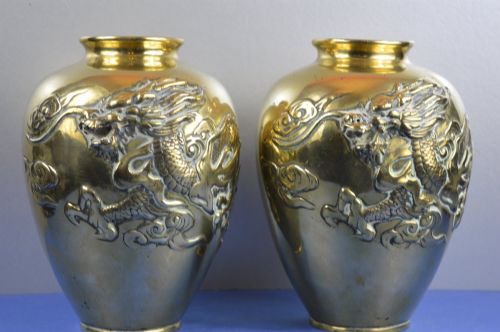
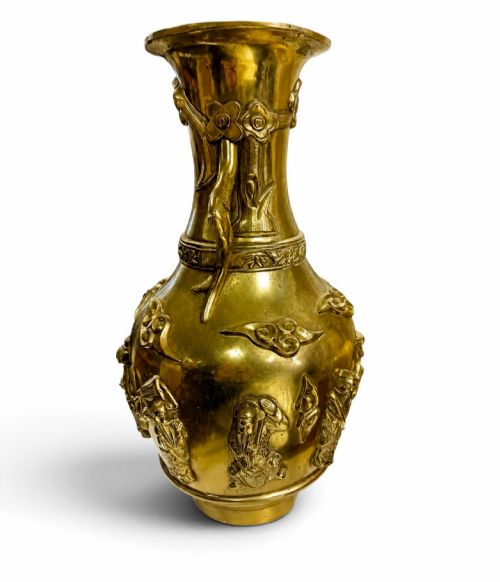
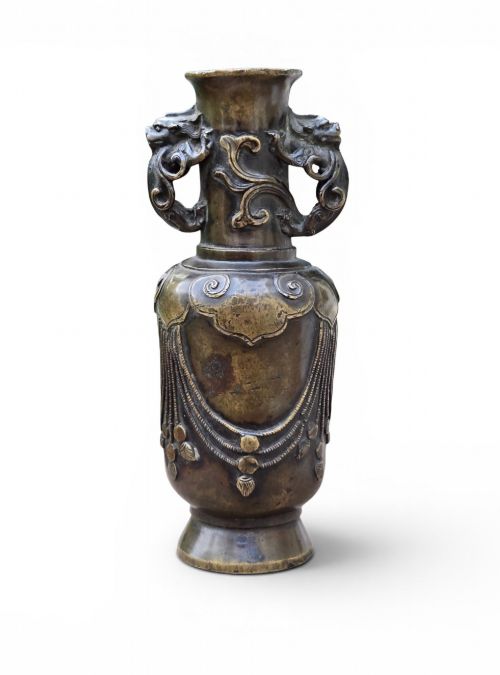
When you search for a Chinese bronze urn, you encounter heavy cast metal vessels originating from dynasties and periods spanning centuries. The forms include ritual vessels, archaic ritualistic food bowls, tripod censers with lion finials, and large baluster vases adorned with dragons.
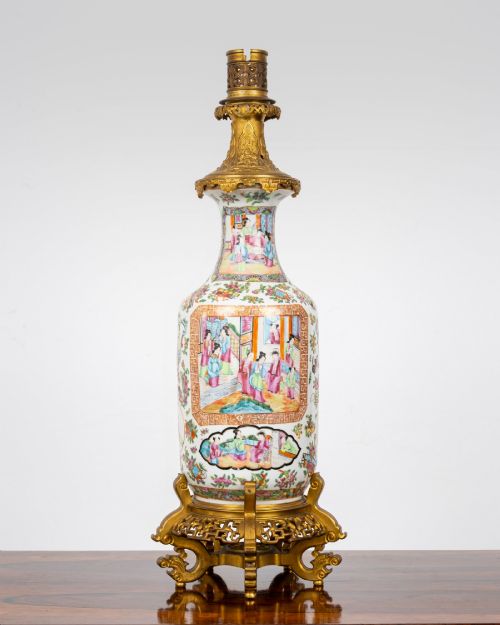
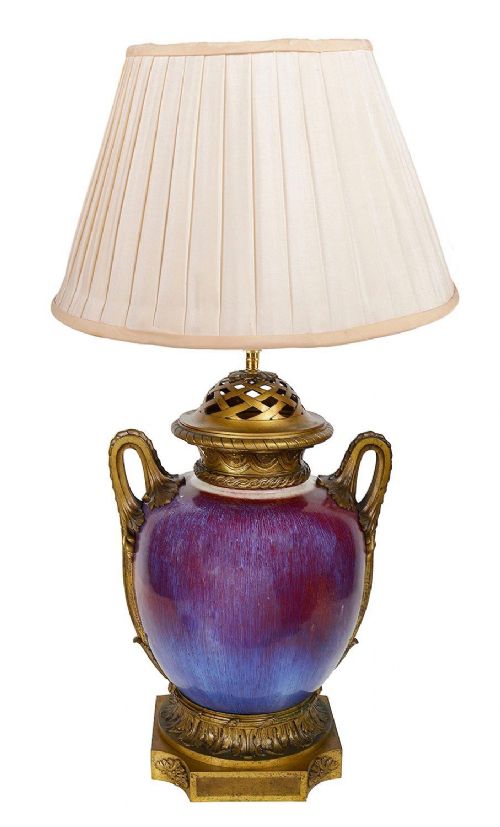
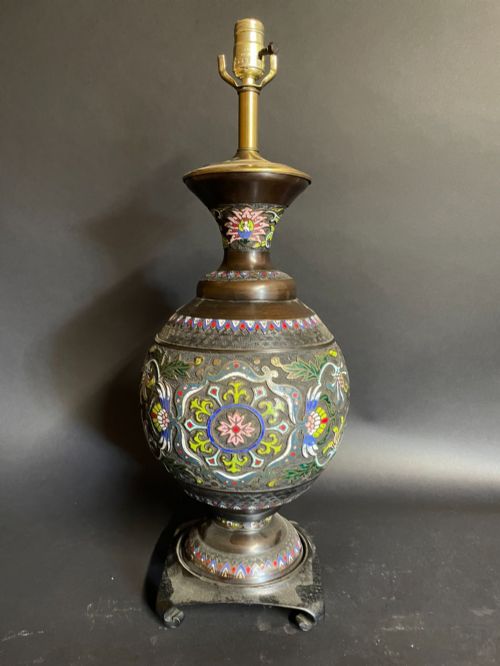
The versions you are most likely to meet on this page date predominantly from the nineteenth century, including Victorian interpretations and later nineteenth-century cast bronzes. These often appear alongside related objects such as cachepots, incense burners, and vases mounted as table lamps.
Many pieces display specific stylistic traits such as Qing Dynasty influence, archaic forms, or Chinoiserie and Chinese Export designs. You will also find items featuring animal motifs like temple lions, qilin, and elephants integrated into the cast metalwork.
How They Were Made
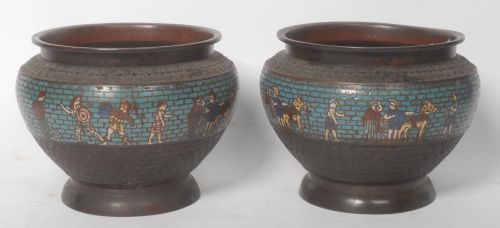
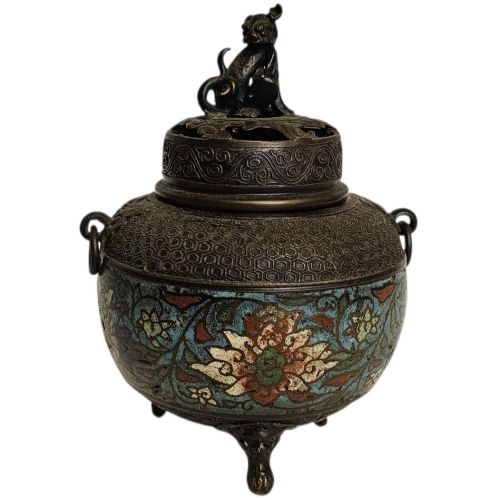
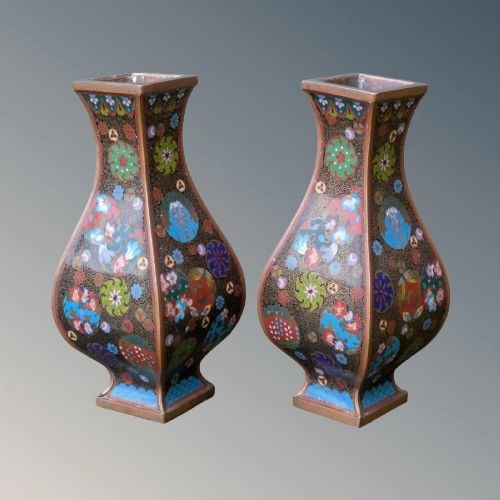
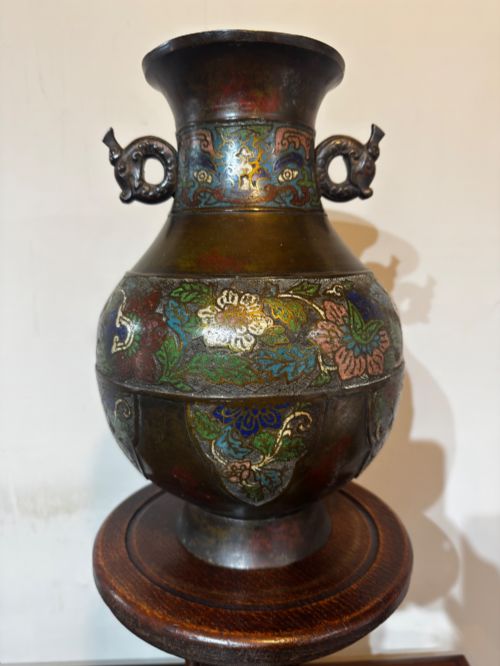
Makers utilised bronze, copper-alloy, and brass, often combining the metal base with intricate coloured inlays. Champleve enamel and cloisonne enamel add vibrant panels of pattern across the dark bronze surfaces.
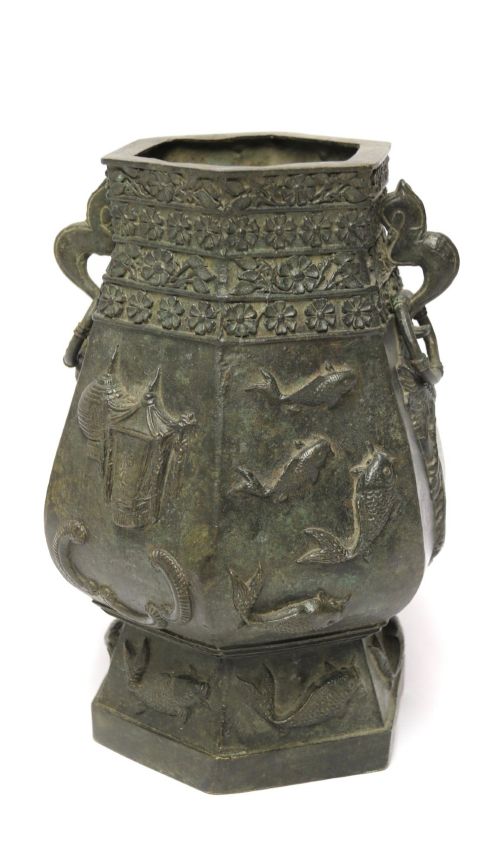
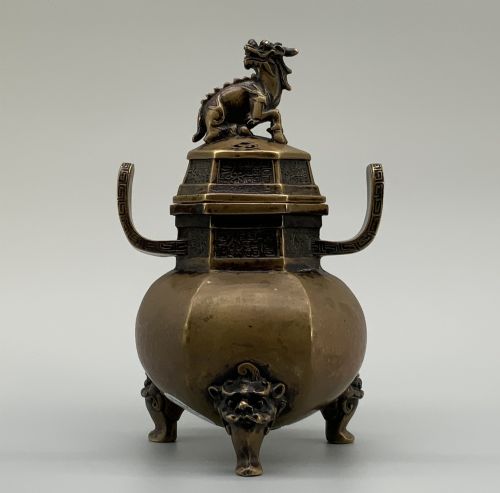
Surface enrichment includes high-relief casting, gilt bronze applications, and ormolu mounts added during later European adaptations. Ritual vessels and censers frequently exhibit tripod supports, carved handles, and fitted covers featuring symbolic beasts.
Chinese Bronze Urn Retail Price Guide 2026
Typical asking prices for chinese bronze urn among the pieces listed under this phrase on Sellingantiques today, from the lower quarter to the upper quarter. They describe what is for sale here now, not the wider market.
Listings span multiple centuries, ranging from seventeenth-century works and eighteenth-century ritual bowls to nineteenth-century Victorian lamps and twentieth-century brass vases.
What Varies in Quality
The distinction between ordinary and exceptional pieces rests upon the crispness of the casting and the depth of the relief work. Masterful handling of high-relief dragons, Daoist immortals, and mythical beasts separates standard production from superior examples.
The integration of enamel work and gilding also dictates the tier of the piece. Cleanly applied cloisonne or champleve cells sitting flush with polished bronze indicate high workshop standards.
The Chinese Bronze Urn Glossary
- Censer
- A vessel designed for burning incense during rituals or domestic use. These often feature tripod legs and pierced covers topped by mythical beasts.
- Cloisonne
- A technique where enamel paste is applied within compartments created by soldered wire on a metal base. This method produces intricate colourful patterns across the bronze body.
- Champleve
- An enamelling method where troughs are hollowed out of the metal surface and filled with enamel before firing. It creates bold bands of colour alongside exposed bronze lines.
- Archaistic
- A design approach that deliberately emulates the shapes, motifs, and patination of ancient ritual bronzes from earlier dynasties. These objects borrow visual authority from antiquity.
- Baluster
- A vase form characterised by a swollen lower body that tapers towards a narrow neck and flared rim. It provides a stable, sculptural silhouette.
Chinese Bronze Urn: Frequently Asked Questions
What is a Chinese bronze urn used for?
These vessels served various functions, from ancient ritual offerings and burning incense in temples to displaying flowers in domestic settings.
Over time, many found their way into Western interiors simply as decorative centrepieces or cachepots for plants.
How do I live with a Chinese bronze urn?
Their substantial weight and dark metal patination allow them to anchor a mantelpiece, sideboard, or entrance hall table without needing excessive styling around them.
Because many nineteenth-century examples were later converted into table lamps or fitted with ormolu mounts, they also function as practical lighting.
How can I tell the period of a bronze vessel?
Dating relies on examining the casting technique, the style of any relief decoration, and the character of the surface patination. Nineteenth-century pieces often incorporate specific dynastic revival styles or Victorian mounting practices.
Base marks, such as Xuande stamps, can also offer clues, though these were frequently utilised as commemorative tributes rather than strict makers' signatures.
What is the difference between a censer and a vase?
A censer is typically a tripod vessel equipped with a perforated cover designed specifically to release smoke from burning incense. They often feature protective mythical beasts like Fu lions or elephants upon the lid.
By contrast, vases and urns are built with solid, closed bases intended to hold flowers, water, or simply to display decorative form.