


Chinese Brass Table Lamp
A chinese brass table lamp brings weight and colour to a room through repurposed porcelain and metalwork.
Chinese Brass Table Lamp
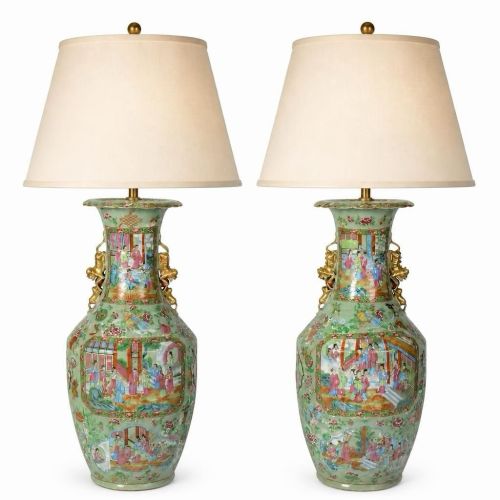
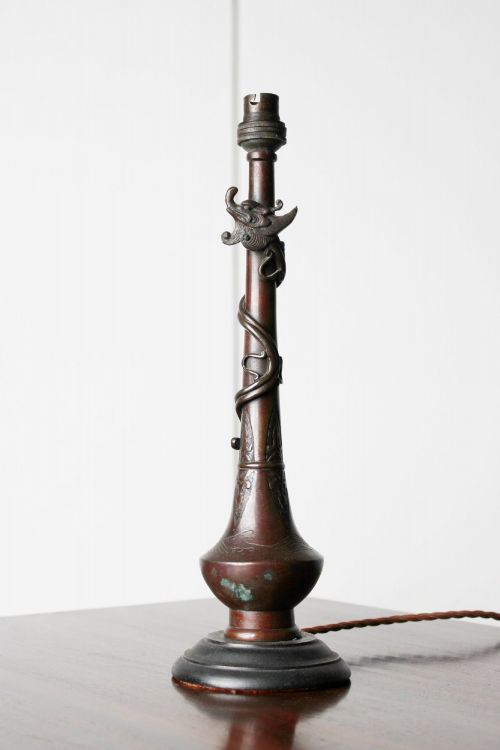
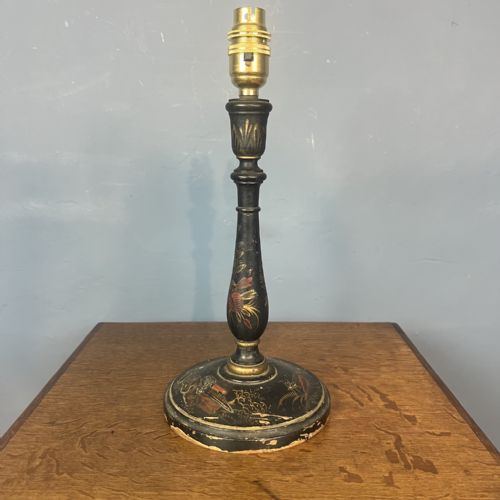
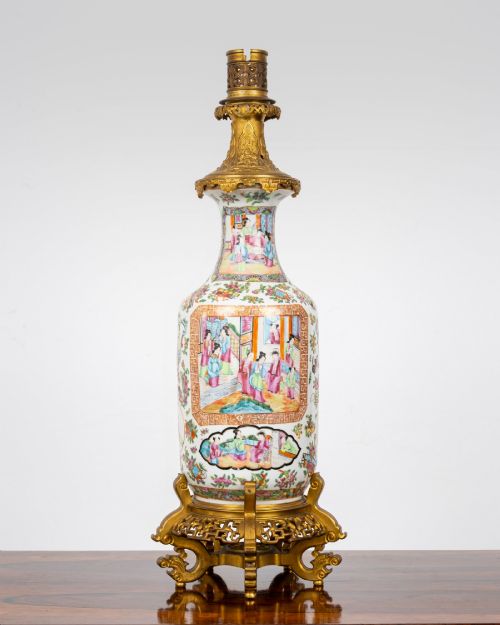
When searching for a chinese brass table lamp, buyers encounter pieces formed from converted 19th-century porcelain vessels, cloisonné enamel vases, and bronze mounts. The selection ranges from ginger jars and baluster vases adapted for electricity to Edwardian lacquer and gilt bronze creations.
Most examples combine eastern ceramics with western mounting techniques, often utilising brass or gilt bronze collars and bases. These pieces frequently appear as matched pairs or monumental single lamp bases originating from the Qing dynasty or early twentieth-century workshops.
The category also encompasses occasional bedside cabinets and tables associated with oriental lighting arrangements. The primary focus remains on ceramic bodies painted in famille rose, famille verte, or blue and white palettes.
Materials and construction
Makers utilised heavy cast brass, gilt bronze, and ormolu to mount imported porcelain vases, ginger jars, and cloisonné enamel vessels. These metal mounts secure the ceramic body while providing a stable footing and housing the electrical components.
The ceramic bodies feature hand-painted glazes, including sang de boeuf, celadon, and detailed enamel work applied over porcelain or stoneware. Many items incorporate lacquered wood or silk fabric elements alongside the primary brass and ceramic structure.
The listings here span the nineteenth century through the 1930s, uniting porcelain, cloisonné enamel, and brass mounts.
Judging the standard
Quality rests upon the proportion and integration of the brass or gilt bronze mounts in relation to the porcelain body. Finer examples display crisply chased metalwork that complements rather than overpowers the hand-painted ceramic details beneath.
The depth of the enamel work, the clarity of the cobalt blue or famille rose pigments, and the preservation of the original vase or jar dictate the upper tier of the selection. Converted vessels that retain their structural integrity without extensive alteration command greater interest from collectors.
The Chinese Brass Table Lamp Glossary
- Famille rose
- A major palette of Chinese ceramic glazes featuring opaque pink or rose enamel, introduced in the Qing dynasty. This palette permits a wide range of soft tonal gradations.
- Cloisonné
- Enamelware created by soldering fine metal wire to a metal base to form compartments, which are then filled with coloured paste and fired. The resulting surface shows intricate decorative patterns separated by thin metal lines.
- Ormolu
- Finely ground high-carat gold applied to a bronze base using mercury, producing a bright yellow metallic finish. This technique appears frequently on nineteenth-century mounts.
- Celadon
- A pale green jade-like glaze applied to porcelain and stoneware, originating in ancient China. The subtle hue varies from olive to grey-green.
- Ginger jar
- A wide-shouldered, high-bellied ceramic vessel with a domed lid, originally designed for storing spices. These jars frequently form the main body of converted table lamps.
Chinese Brass Table Lamp: Frequently Asked Questions
Are these lamps wired for modern use?
Many examples arrive rewired for contemporary electrical standards while retaining their historic ceramic and brass components.
Buyers should verify specific wiring details with individual listings before installation.
How do I date a porcelain lamp base?
Dating relies on examining the characteristics of the ceramic glaze, the painting style, and the construction of the metal mounts.
Nineteenth-century pieces often display hand-applied famille rose or blue and white pigments paired with heavy brass or gilt bronze fittings.
Do these lamps come with shades?
Certain pieces include fabric or silk shades supplied during earlier periods or matched by subsequent owners.
Many listings focus primarily on the ceramic and brass base, allowing buyers to select a shade that suits their interior.
What is the difference between cloisonne and enamel?
Cloisonne specifically uses wire partitions to separate distinct areas of coloured enamel paste on a metal foundation.
Other enamel lamps may feature painted surface designs applied directly to the metal or ceramic body without wire celling.