




Chinese Blue Glaze
Chinese blue glaze items offer rich cobalt and turquoise tones on porcelain and ceramic vessels, bringing historic oriental craftsmanship into domestic spaces.
Chinese Blue Glaze
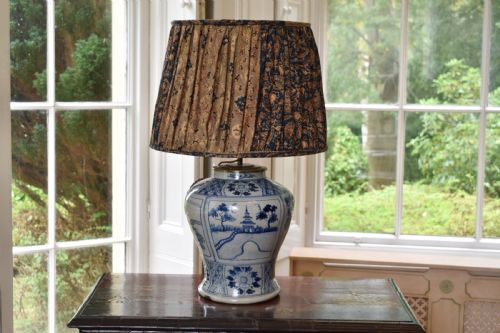
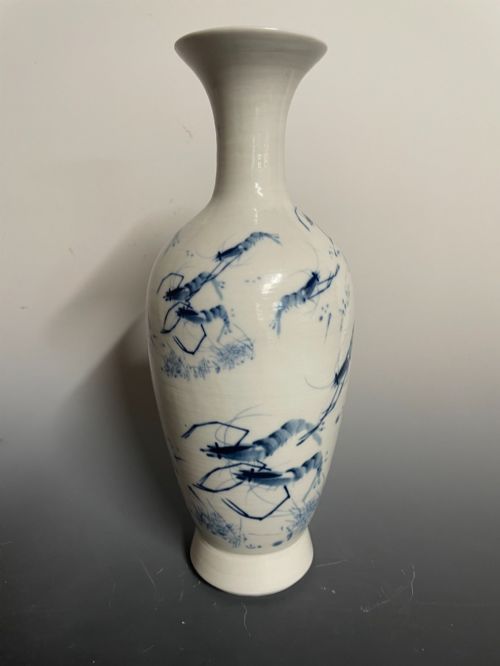
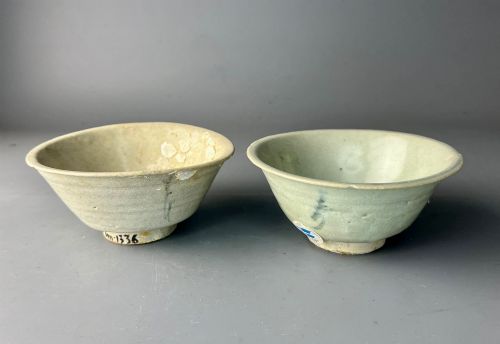
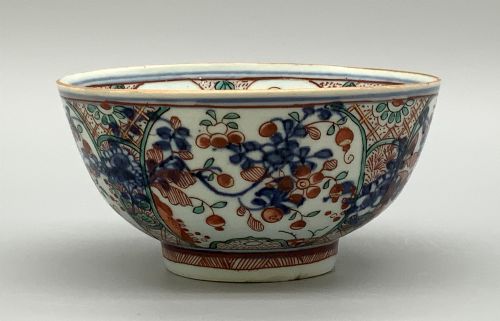
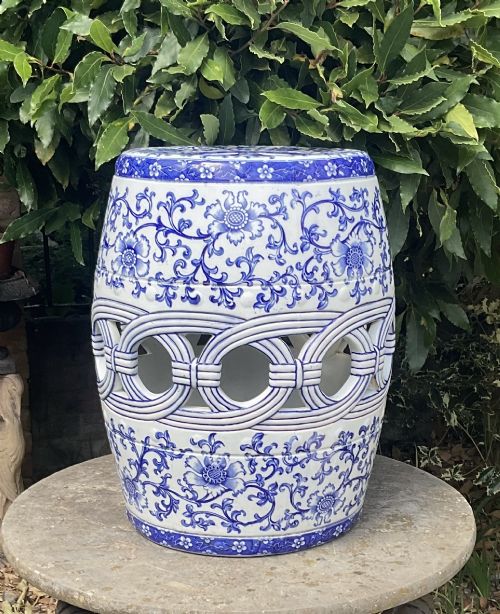
Buyers exploring chinese blue glaze pieces encounter an array of vessels, including vases, ginger jars, and decorative bowls spanning several centuries. Table lamps converted from earlier porcelain bodies also appear frequently across the selection.
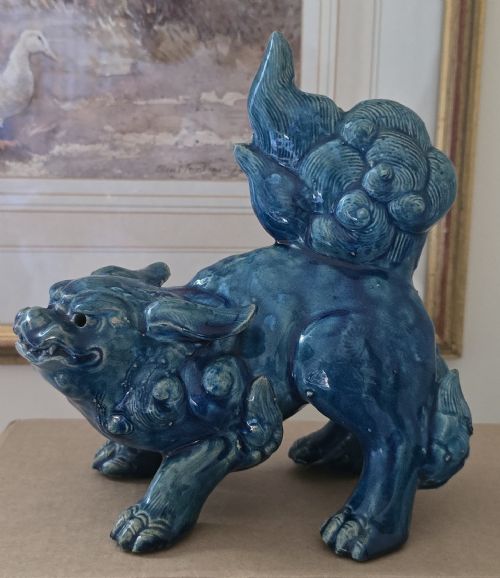
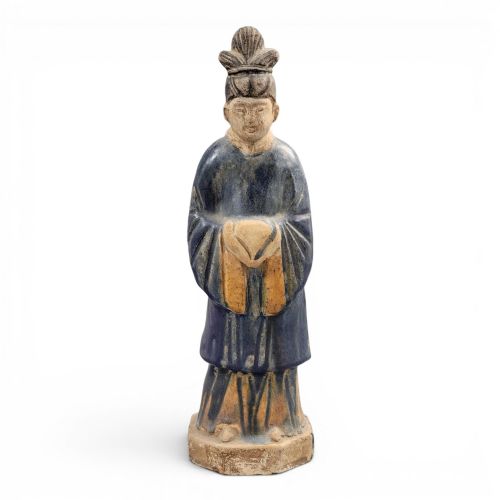
The objects originate primarily from traditional periods such as the Qing Dynasty and the Kangxi era, alongside later nineteenth and twentieth-century interpretations. Garden seats and ceramic animal sculptures provide alternative forms within the category.
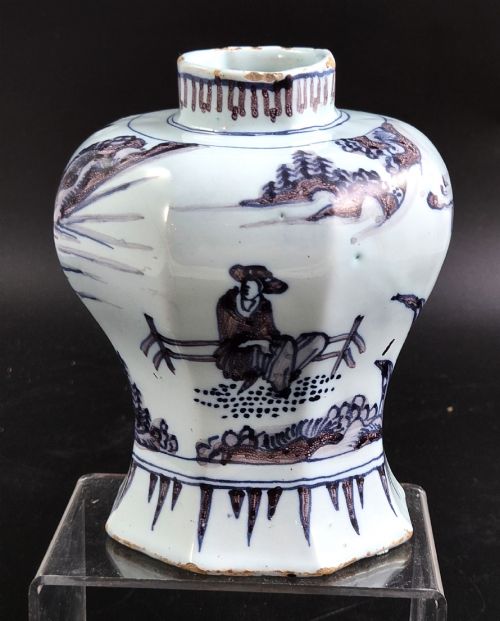
European adaptations, including Dutch Delft and English majolica pieces influenced by oriental design, sit alongside direct imports. This mix reflects long-standing Western enthusiasm for eastern ceramic traditions.
Materials and production methods
The primary substrate is hard-paste porcelain or earthenware, shaped by hand or wheel before firing at high temperatures. Cobalt and turquoise mineral pigments provide the characteristic blue colouration.
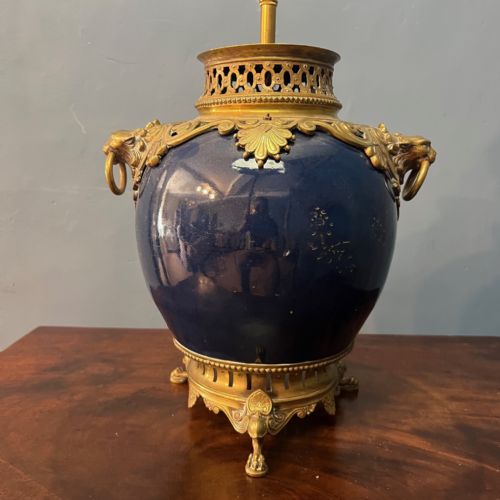
Glazes are applied directly to the ceramic body, sometimes developing intentional crackle effects or monochrome depths during the kiln process. Ormolu mounts in brass or gilt metal occasionally complete European-adapted pieces.
Chinese Blue Glaze Retail Price Guide 2026
Typical asking prices for chinese blue glaze among the pieces listed under this phrase on Sellingantiques today, from the lower quarter to the upper quarter. They describe what is for sale here now, not the wider market.
Listings feature porcelain and earthenware bodies finished in cobalt and turquoise glazes, originating from the seventeenth to the twentieth century.
Judging the quality
Depth and saturation of the pigment distinguish standard items from superior examples, with cobalt and turquoise tones showing controlled variation rather than flat application. Fine incised detailing beneath the glaze reveals greater skill in the ceramicist.
Condition of the glaze surface, stability of fitted mounts, and integrity of the original ceramic body determine the standing of each piece. Intact early forms command attention through their preserved historical state.
Minton·Wedgwood·Joseph Holdcroft
The Chinese Blue Glaze Glossary
- Clobbered
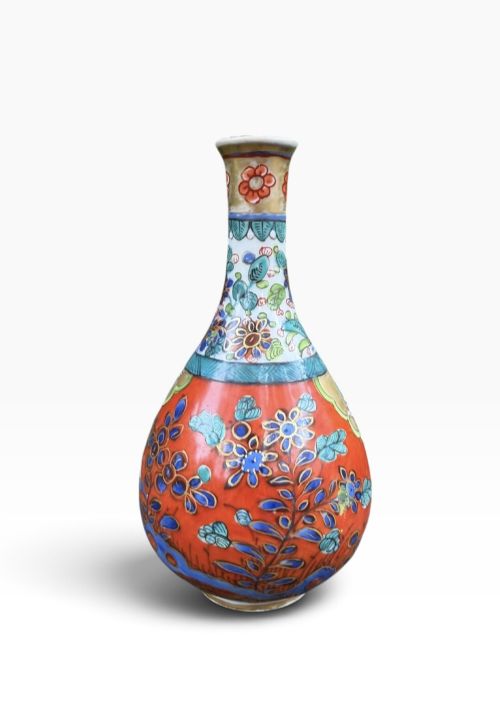
- Decorated porcelain that has been painted over outside its original workshop, often adding extra colour to older blue and white wares.
- Kangxi
- A significant period of the Qing Dynasty associated with refined ceramic production and vibrant cobalt glazing.
- Crackleware
- Pottery featuring a network of fine intentional cracks in the glaze layer, created during the cooling process in the kiln.
- Jardiniere
- A large ceramic pot or planter designed to hold growing plants or flowers.
- Celadon
- A term for pottery denoting both wares glazed in jade green and certain related green-blue ceramic finishes.
Chinese Blue Glaze: Frequently Asked Questions
How do I date a Chinese blue glaze vase?
Dating relies on examining the characteristics of the ceramic body, the depth of the glaze, and any reign marks present on the base. Comparing the potting style to established historical periods helps narrow the timeframe.
Changes in trade and manufacturing techniques across the seventeenth, eighteenth, and nineteenth centuries also leave distinct traces on each vessel.
Are these lamps original or converted?
Many items listed as lamps began life as vases or ginger jars before receiving electrical fittings at a later date. Metal mounts and drilled bases indicate where structural changes occurred during conversion.
Inspectors look at the wiring and the attachment of hardware to understand how the original ceramic vessel was adapted for domestic lighting.
What causes the crackle effect in the glaze?
Crackling occurs when the ceramic body and its glass coating cool at different rates inside the kiln, causing the outer layer to fracture minutely. Potters deliberately controlled this tension to create decorative patterns across the surface.
This technique appears on several nineteenth-century pieces designed to evoke earlier dynastic styles.
How should I clean antique glazed ceramics?
Dusting with a soft, dry cloth removes everyday particles without risking the fragile glaze surface. Strong chemical cleaners or abrasive materials should be avoided entirely to preserve the finish.
For thorough cleaning, lukewarm water and mild soap applied sparingly with a gentle sponge suffice for most porcelain and ceramic bodies.