


Chinese Bamboo Carving
Chinese bamboo carving comprises sculpted vessels, brush pots and decorative objects shaped from natural culms during the Qing period and subsequent decades.
Chinese Bamboo Carving
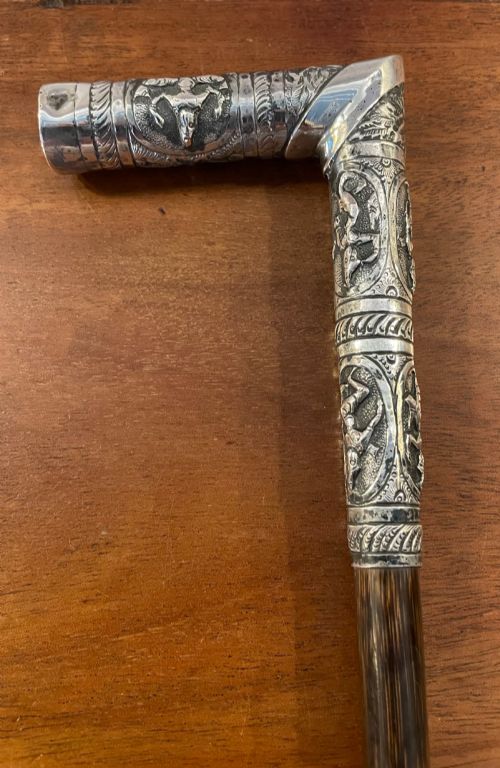
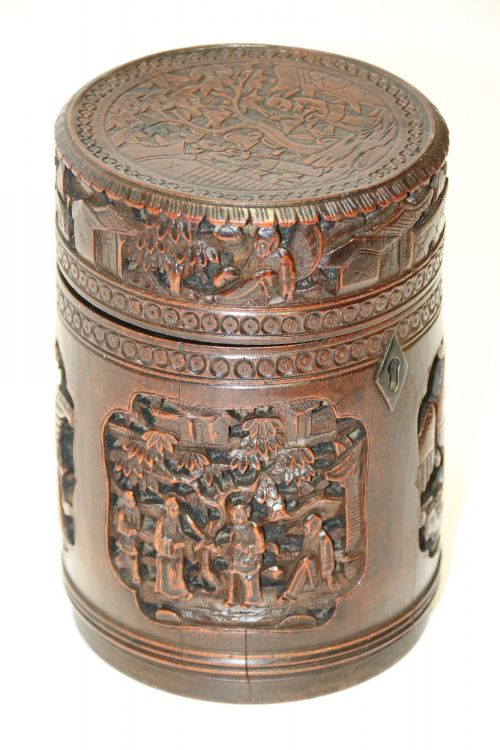
Chinese bamboo carving items include cylindrical brush pots, lidded boxes, figural sculptures and walking sticks formed from organic sections of bamboo culm. These pieces often depict natural motifs, scholarly figures or relief panels reflecting traditional artisan themes.
Materials and Construction
Makers utilised mature bamboo culms, shaping the hollow sections by cutting across the natural nodes to form vessels, boxes and brush pots. Artisans carved intricate relief scenes directly into the dense exterior surface, exploiting the grain and varying wall thicknesses of the plant.
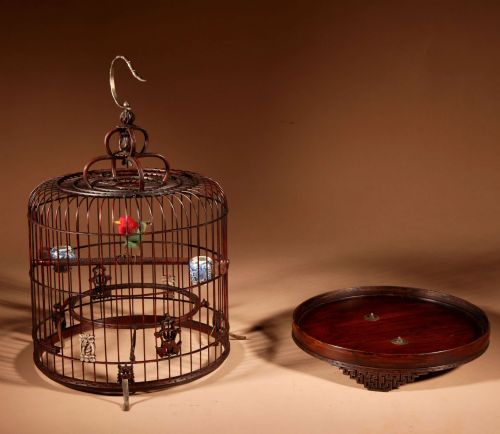
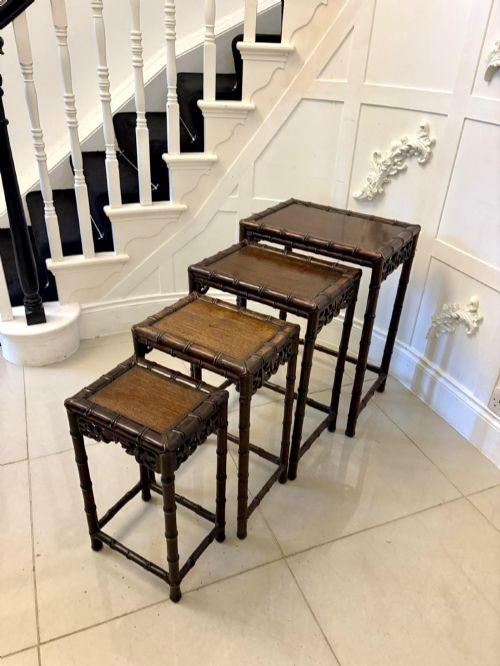
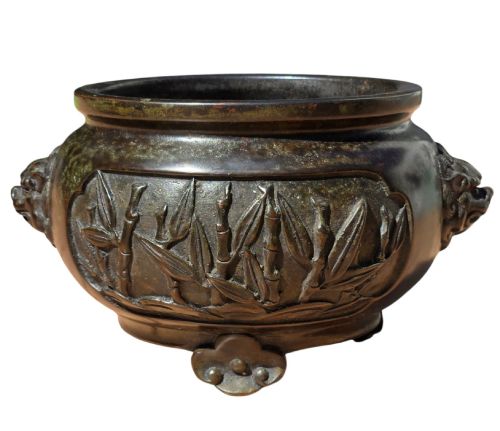
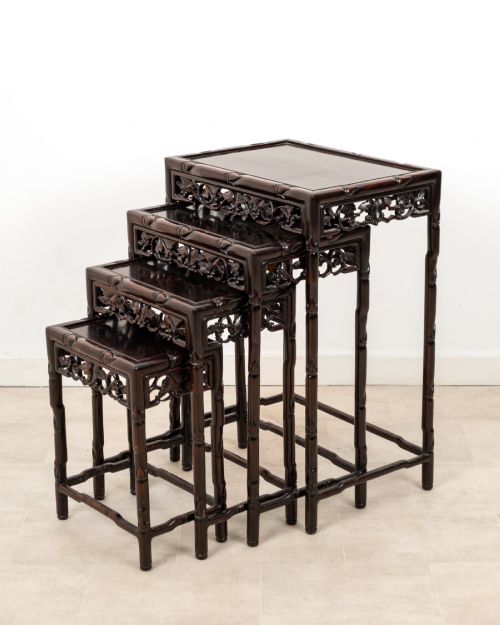
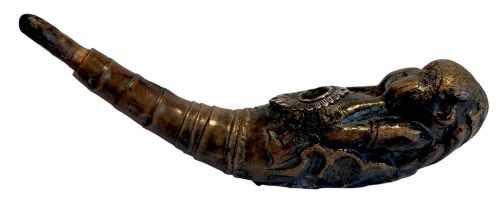
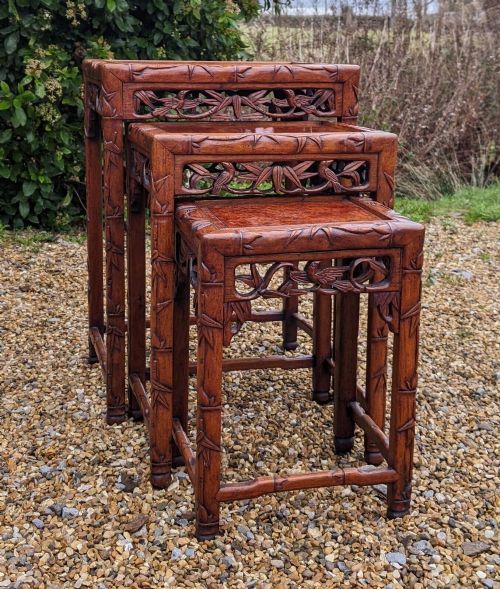
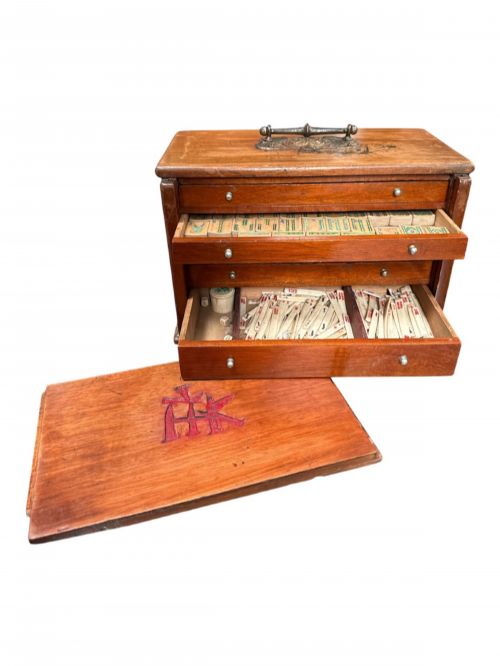
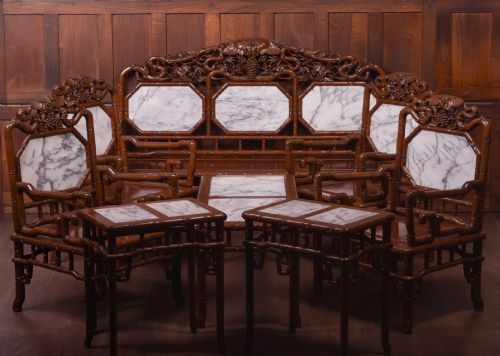
Complementary materials such as hardwood, rosewood, hongmu and bronze appear across related items, alongside metal and marble in composite furnishings. Carving techniques relied on hand tools to execute detailed panels, scholarly subjects and naturalistic textures.
Several items double as walking sticks or tobacco boxes, proving that Victorian gentlemen enjoyed carrying plant stems disguised as functional accessories.
Assessing Quality and Execution
Superior Chinese bamboo carving displays crisp depth in the relief work, where figures and foliage emerge with distinct layering and clean undercutting. Lower quality items show shallow incision with softer, less defined edges and minimal textural variation across the surface.
The condition of the organic material significantly influences the piece, with better examples retaining a rich, warm patina and stable culms free from extensive splitting. Finer works demonstrate confident handling of the natural node and grain, whereas lesser pieces lack intentional placement of the design relative to the bamboo structure.
The Chinese Bamboo Carving Glossary
- Bamboo culm
- The hollow, jointed stem of the bamboo plant. This natural cylinder serves as the primary structural medium for carved brush pots and containers.
- Brush pot
- A cylindrical vessel used by scholars to hold writing brushes. These items form a major category of carved bamboo objects.
- Hongmu
- A dense, dark tropical hardwood utilised extensively in Chinese furniture and display stands. It often accompanies bamboo items in collections.
- Qing Dynasty
- The imperial dynasty ruling China from the mid-seventeenth to the early twentieth century. Many carved bamboo pieces and associated hardwood stands originate from this era.
Chinese Bamboo Carving: Frequently Asked Questions
What is a Chinese bamboo brush pot?
A brush pot is a cylindrical container carved from a section of bamboo culm, historically used by scholars to store writing brushes on a desk.
These vessels often feature intricate relief carving depicting landscapes, figures or traditional motifs around the exterior wall.
How do you date antique bamboo carvings?
Dating relies on stylistic markers, the depth and execution of the carving, and the condition of the patina developed over decades of handling.
Comparative analysis with documented pieces from the Qing Dynasty and later periods helps establish a reliable timeframe for manufacture.
How should bamboo carvings be displayed?
Display these pieces in stable indoor environments away from direct sunlight and sudden humidity fluctuations to prevent the natural material from splitting.
Placing them on flat surfaces or within cabinets allows the relief carving and natural grain to be observed clearly from multiple angles.
What materials accompany carved bamboo items?
Listings frequently couple bamboo objects with dense Asian hardwoods such as rosewood, hongmu and standard hardwood used in furniture and stands.
Bronze, marble and silver elements also appear in related decorative pieces and scholar's table accessories from the same periods.