



Brown Bamboo Carving
Brown bamboo carving denotes organic and turned items spanning the eighteenth century to the twentieth century, valued for natural texture and skilled handwork.
Brown Bamboo Carving
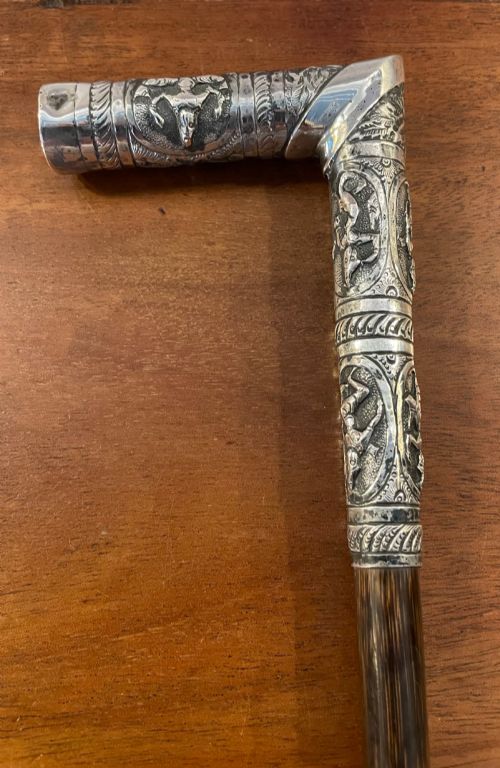
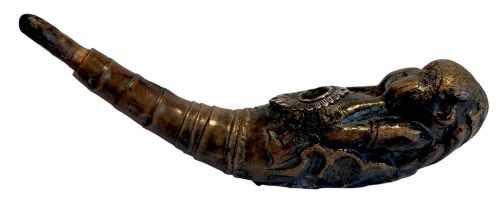
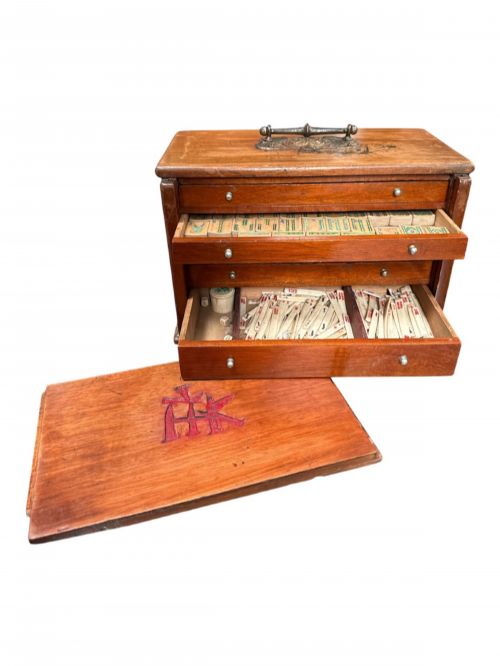
When you search for brown bamboo carving, you encounter pieces that range from small scholar's objects to large furniture, with brush pots being the most common form on this page. These items originate predominantly from Chinese workshops and nineteenth-century European makers influenced by Asian design.
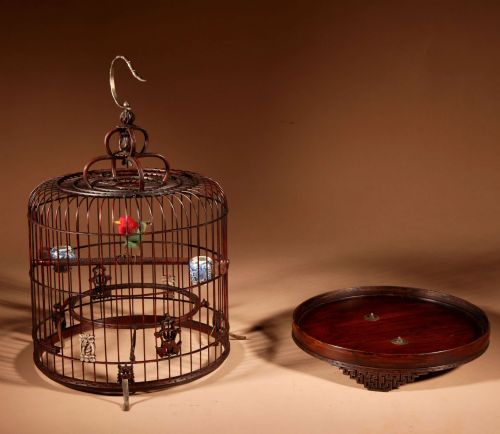
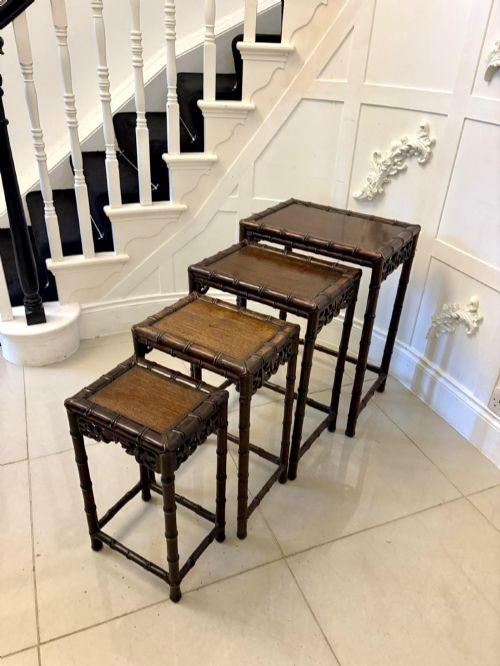
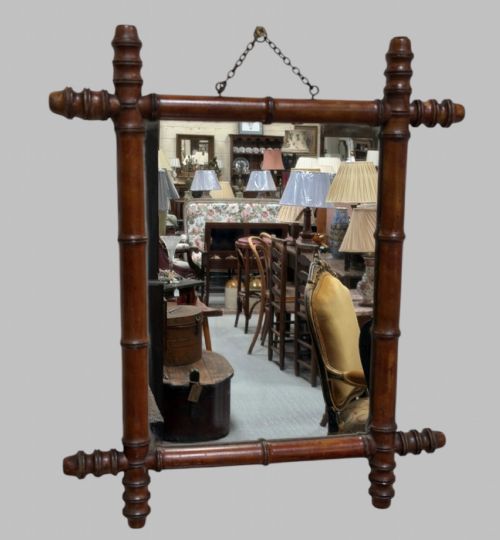
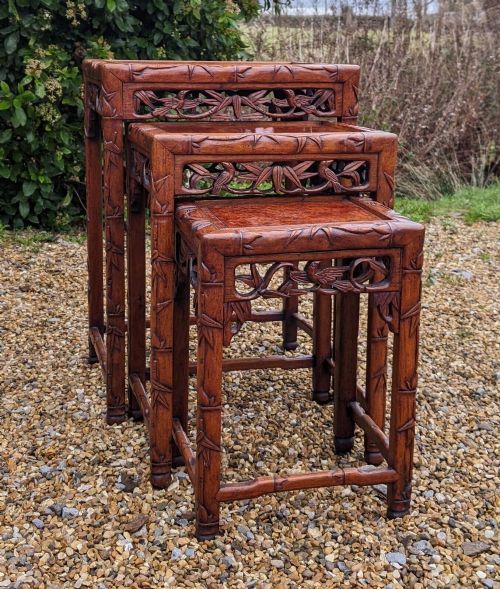
The selection includes Qing dynasty pieces alongside French and English interpretations in faux bamboo, utilising materials like bamboo, hardwood, and glass. Forms vary widely from decorative bird cages and head rests to wall mirrors and nesting tables.
How they were made
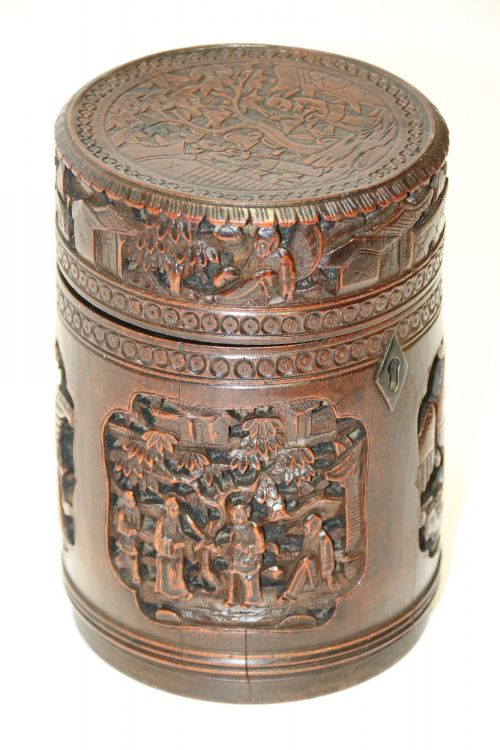
Carvers shaped natural bamboo culms by cutting through the dense outer ring to reveal the fibrous grain underneath, often working with the hollow tubular sections for vessels like brush pots. Artisans utilised hand tools to carve figures, landscapes, and textures directly into the woody surface.
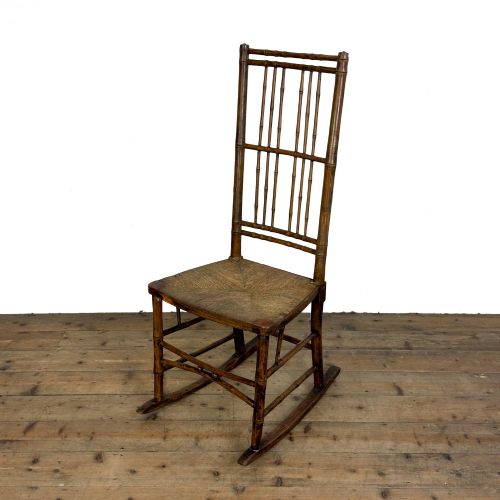
European makers produced faux bamboo furniture by turning beech, birch, or maple on a lathe to mimic the segmented nodes of the natural plant. These turned wooden components were then painted or stained brown to resemble genuine cane before assembly.
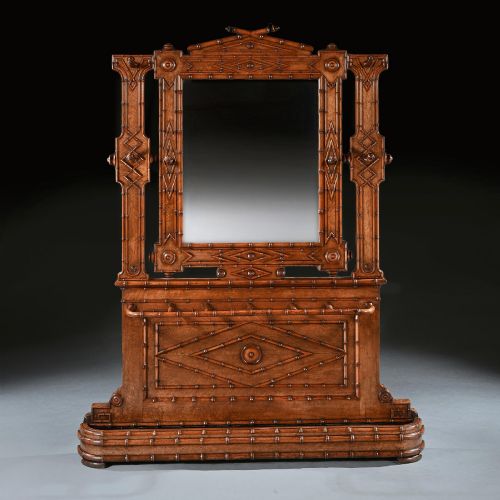
Listings combine traditional Qing dynasty Chinese carvings with nineteenth-century European faux bamboo mirrors, tables, and hall stands.
What varies in quality
The depth and clarity of the carving separate standard items from superior works, particularly in figurative sculptures and scholar's pieces where undercut details and facial expressions reveal the carver's hand. Natural patina also plays a role, with older items showing a warm, handled surface developed through decades of exposure.
In turned wooden furniture, the precision of the simulated nodes and the stability of the joinery determine the standard. Pieces that retain their original dark brown finish without excessive repainting demonstrate better preservation.
The Brown Bamboo Carving Glossary
- Brush pot
- A cylindrical vessel used in East Asian studies to hold writing brushes. These carved containers form a large part of the bamboo objects found here.
- Faux bamboo
- Turned wood made to imitate natural bamboo culms. European cabinetmakers utilised this technique during the nineteenth century.
- Patina
- The surface sheen and colour developed by wood and bamboo over time. Frequent handling and natural oils deepen this appearance.
- Okimono
- A small Japanese decorative carving meant for display on a shelf or tabletop. These miniature sculptures appear in various hard materials.
- Culm
- The hollow or solid stem of a bamboo plant. Carvers utilise sections of this natural material for cylindrical vessels and walking sticks.
Brown Bamboo Carving: Frequently Asked Questions
What is a bamboo brush pot?
A bamboo brush pot is a cylindrical container carved from a section of bamboo culm, historically used by scholars in East Asia to store writing brushes.
These vessels often feature intricate low-relief carvings depicting figures, landscapes, or natural motifs around the exterior.
How do I identify faux bamboo furniture?
Faux bamboo furniture is made from turned timber, such as beech or maple, rather than actual bamboo grass. The wood is shaped on a lathe to mimic the characteristic rings and joints of the plant.
Examining the underside or joints usually reveals solid hardwood beneath the brown finish.
How should I clean carved bamboo?
Carved bamboo requires gentle maintenance using a dry or barely damp microfiber cloth to remove dust from the recessed areas. Avoid soaking the material in water or applying modern chemical polishes.
Maintaining a stable indoor humidity prevents the natural bamboo from drying out and cracking over time.
What periods do these pieces come from?
The items span from the eighteenth century through the Victorian era and into the early twentieth century. Many Chinese pieces date from the Qing dynasty.
European faux bamboo items commonly originate from the aesthetic movement period of the late nineteenth century.