

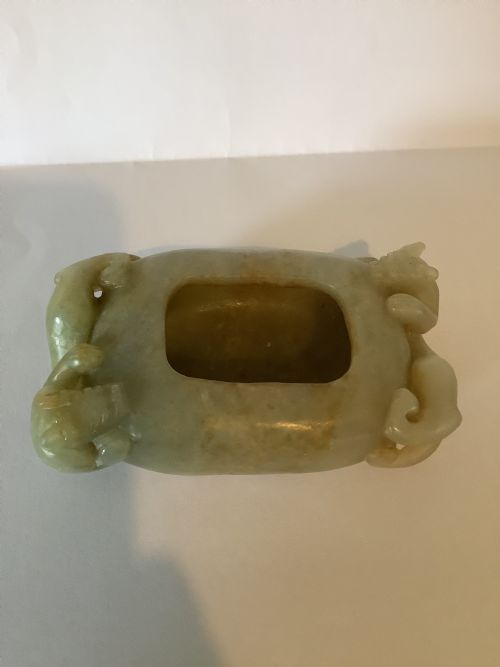


Chinese Scholar Pot
A Chinese scholar pot brings the discipline of the studio into physical form, holding brushes and water vessels for the desk.
Chinese Scholar Pot
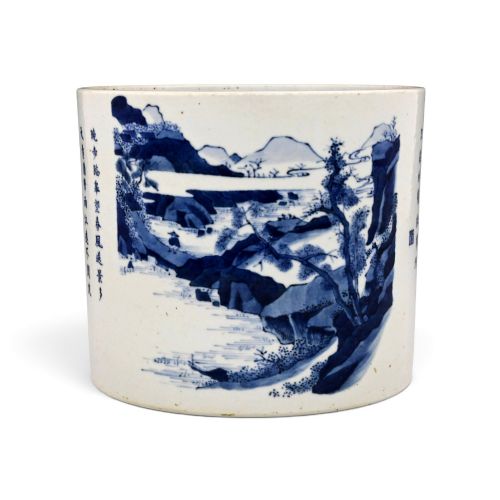
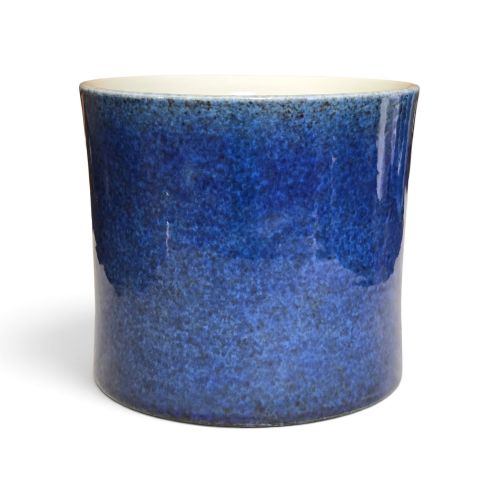
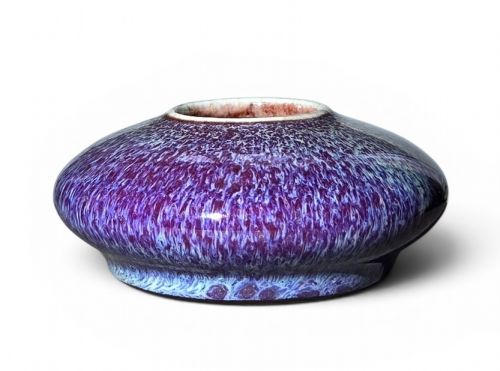
A Chinese scholar pot most commonly takes the form of a cylindrical brush pot, known as a bitong, alongside related desk accessories like brush washers and water vessels. These pieces emerge from periods such as the Ming and Qing Dynasties, extending into the Republic Period and the twentieth century.
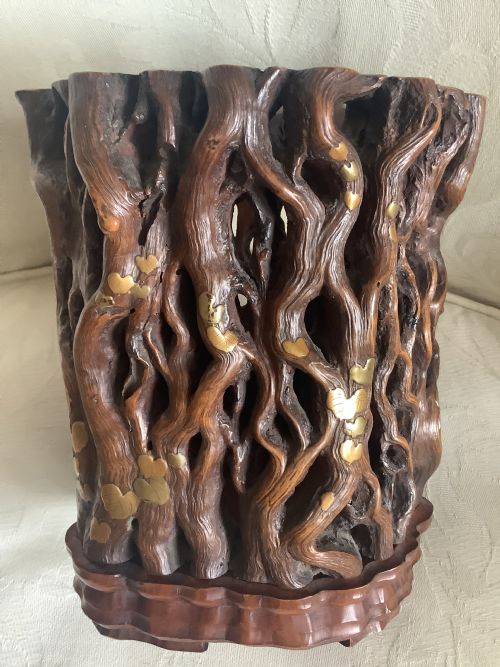
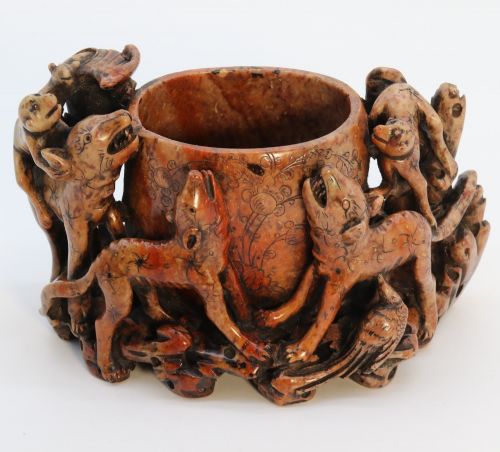
The objects serve the practical needs of the literati class, designed to organise writing implements or hold water for ink preparation on the scholar's desk. The selection available encompasses carved bamboo, dense hardwoods like zitan, and various forms of porcelain including blue and white and famille verte.
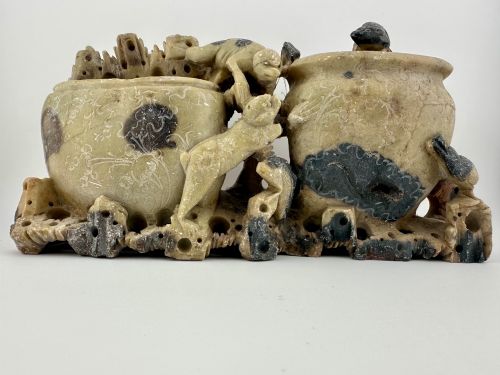
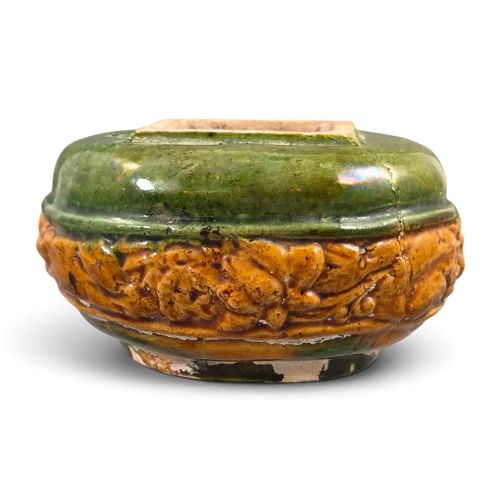
Alongside cylindrical vessels, the listings include larger planters, jardinieres, and fish bowls, reflecting the broader aesthetic of the scholar's studio. Materials range from organic substances like bamboo and soapstone to metals such as bronze and mineral compounds forming jade and ceramic glazes.
What varies in quality
The depth and clarity of the carving separate standard vessels from superior examples, particularly in bamboo and hardwood where undercut relief requires immense skill. On ceramics, the precision of the cobalt painting or the evenness of a monochrome glaze determines the standing of the piece.
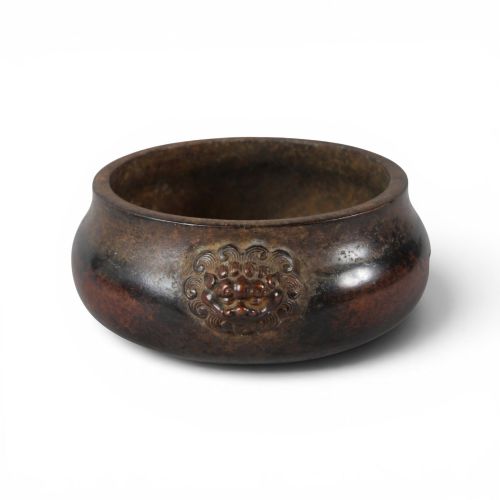
Weight and material density signal quality in bronze censers and stone brush washers, where heavier, more substantial examples demonstrate better metallurgical or geological selection. The harmony between the natural material and the carved design dictates the overall success of the object.
Listings span multiple centuries, incorporating Ming and Qing Dynasty pieces alongside later twentieth-century interpretations in porcelain, bamboo, and bronze.
The Chinese Scholar Pot Glossary
- Bitong
- A traditional Chinese cylindrical brush pot designed to hold writing brushes on a scholar's desk. These vessels appear frequently in bamboo, hardwood, and porcelain.
- Famille Verte
- A porcelain enamel palette dominated by green tones, developed during the Qing Dynasty. Pieces utilising this style often depict figures or natural scenes.
- Zitan
- A dense, heavy Chinese hardwood prized for its dark colour and fine grain. Artisans employed this material for superior desk stands and carved vessels.
- Censer
- A vessel intended for burning incense within the scholar's studio. Examples in the evidence are cast from heavy bronze.
- Jardiniere
- A large ceramic or metal pot used for displaying plants or fish. These items share the decorative traditions of smaller scholar's desk accessories.
Chinese Scholar Pot: Frequently Asked Questions
How were bronze censers used?
Bronze censers were placed on the scholar's desk to burn incense during study or meditation. The smoke created a contemplative atmosphere suited to writing and painting.
Heavier examples often featured patinated surfaces and contemporary stands to protect the desk underneath.
What materials are most common?
Bamboo, porcelain, and hardwood appear most frequently across these listings. Artisans also worked with soapstone, jade, and bronze.
Each material brought distinct tactile and visual qualities to the scholar's studio environment.
How do I identify a Qing Dynasty piece?
Qing Dynasty items often display specific stylistic traits such as blue and white painting, famille rose enamels, or deep relief carving in bamboo. Reign marks can sometimes provide a precise dating framework.
Comparing the glaze type and carving technique against known period examples helps confirm the era of origin.
What is the difference between a brush pot and a washer?
A brush pot is a tall, vertical cylinder designed to store dry brushes when not in use. A brush washer is a shallow vessel used to clean ink from the brush tips during work.
Both items served essential functions in traditional Chinese calligraphy and painting.