


Antique Chinese Bitong
An antique Chinese bitong is a scholarly brush pot that brought order to scholar's desks.
Antique Chinese Bitong
When you search for an antique chinese bitong, you encounter cylindrical containers designed to hold writing brushes in the traditional scholar's studio. The forms recorded here span from the seventeenth century through the nineteenth century during the Qing dynasty.
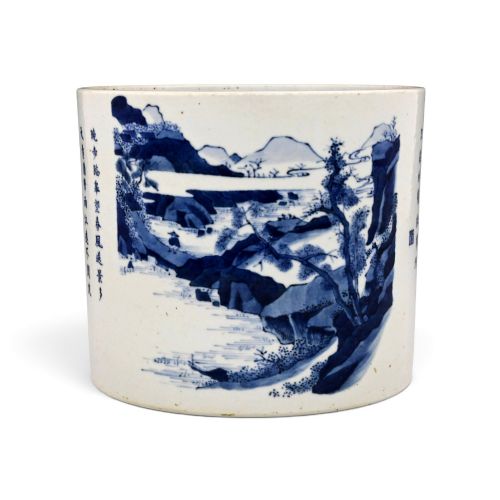
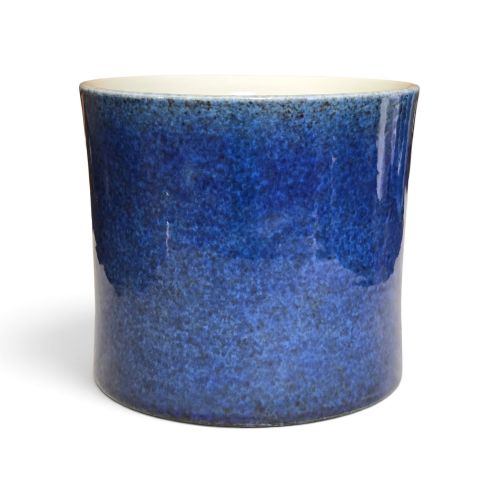
Porcelain and bamboo dominate the selections, alongside carved hardwood examples. The seventeenth century is represented by blue and white, powder-blue, and famille verte porcelains attributed to the Kangxi period.
Nineteenth century pieces bring hand-carved bamboo, Famille Rose official and scholar scenes, and Famille Noire designs depicting the Eight Immortals. These vessels functioned as essential desk accessories for literati scholars.
How they were made
Porcelain bitong pieces rely on cobalt underglaze, cobalt glaze, and overglaze enamel techniques such as Famille Rose and Famille Verte. Potters shaped clay into straight-sided cylinders before applying detailed painted scenes or monochrome glazes.
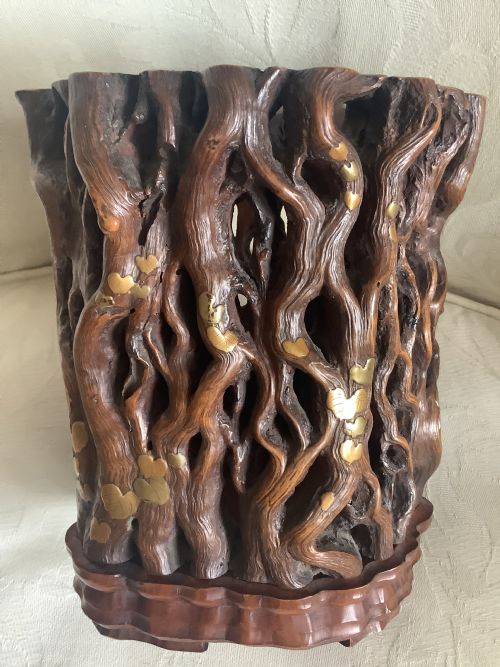
Bamboo and hardwood brush pots depend on deep hand-carving techniques. Artisans worked the natural grain of the timber or the dense sections of bamboo culms to reveal intricate low-relief figural landscapes and scholar scenes.
Eight immortals cross paths on these pots, sharing desk space with scholars who probably wished they possessed immortal focus.
What varies in quality
The distinction between ordinary and exceptional pieces rests upon the crispness of the carving and the control of the glaze. In bamboo and hardwood, superior examples display deep undercut relief with clear facial expressions and naturalistic foliage.
For porcelain, quality shows in the brilliance of the cobalt underglaze or the refinement of the overglaze enamels. Early vessels from the Kangxi period demonstrate precise potting and sophisticated pictorial composition.
The Antique Chinese Bitong Glossary
- Bitong
- A traditional Chinese cylindrical brush pot used in the scholar's studio. These containers held bamboo-handled writing brushes.
- Famille Verte
- A Qing dynasty porcelain palette dominated by green enamels. This style flourished during the Kangxi period.
- Famille Rose
- A palette of opaque rose-pink enamel introduced in the eighteenth century. It allowed for soft tonal gradations in pictorial scenes.
- Underglaze Blue
- Cobalt pigment painted directly onto the raw porcelain clay body before glazing and firing. It creates a deep blue design beneath a clear shiny coat.
- Scholar's Studio
- The private workspace of the traditional Chinese literati class. It housed writing implements, brush pots, and scholarly accessories.
Antique Chinese Bitong: Frequently Asked Questions
What is a bitong used for?
A bitong served as a cylindrical receptacle for holding scholar's writing brushes upright on a desk. They kept delicate bamboo and hair brushes organised and within reach.
Over time, these vessels became prized display pieces that reflected the refined aesthetic of the scholar's studio.
How do I date a porcelain bitong?
Dating relies on examining the characteristics of the glaze, the cobalt blue tone, and the painting style. Seventeenth century pieces often connect to the Kangxi period through robust forms and rich cobalt underglaze.
Later nineteenth century examples exhibit Famille Rose enamels and distinct potting traits typical of the late Qing dynasty.
How are bamboo bitong carved?
Carvers utilised the natural hollow sections of mature bamboo stems to create thick-walled cylinders. Artisans cut deep relief layers into the exterior surface to portray narrative scenes.
Over decades of handling, the exposed bamboo develops a warm honey-brown patina that highlights the original carving.
What subjects appear on these brush pots?
Common motifs include official and scholar scenes depicting scholarly gatherings in natural landscapes. Figures representing the Eight Immortals also appear on Famille Noire vessels.
These narratives celebrated Confucian values, retirement from public service, and the appreciation of nature.