


Chateau Wall Hanging
A chateau wall hanging brings grand French textile art and ornate gilded mirrors into a room.
Chateau Wall Hanging
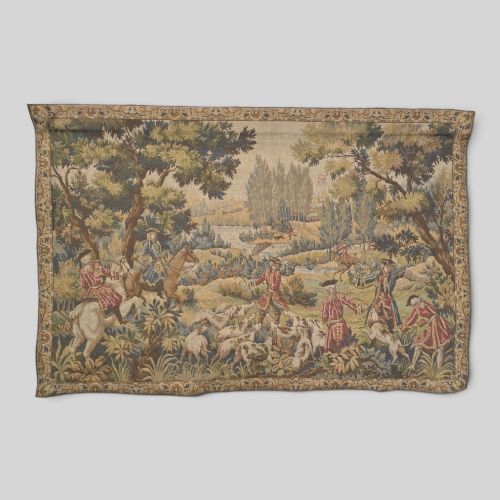
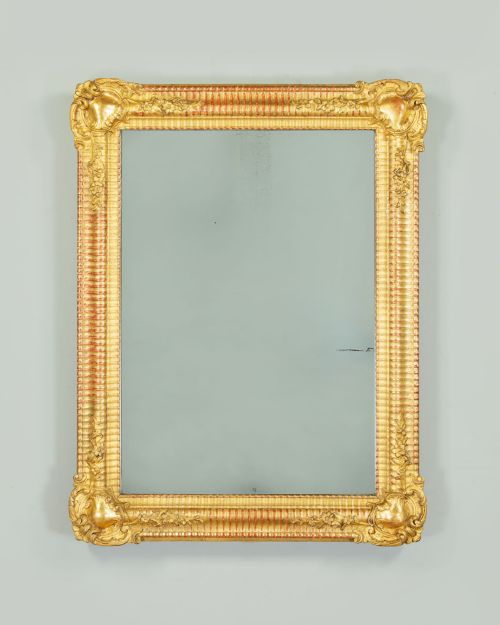
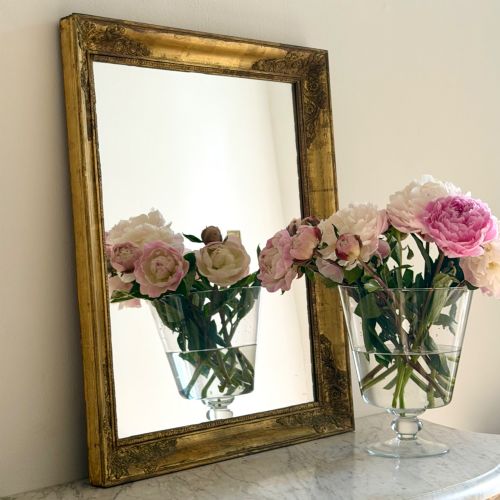
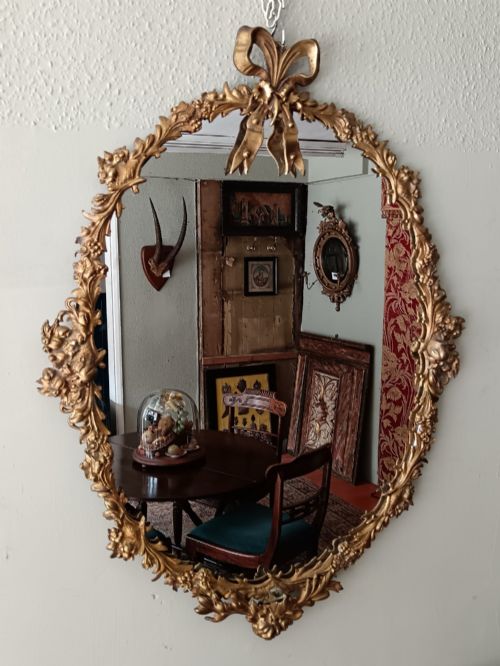
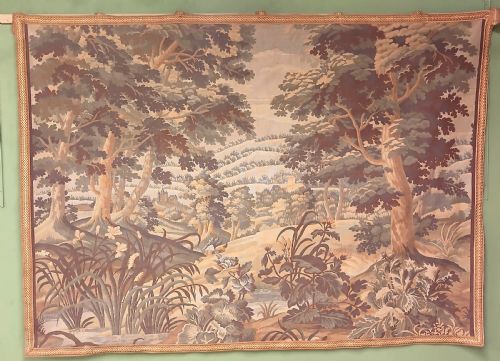
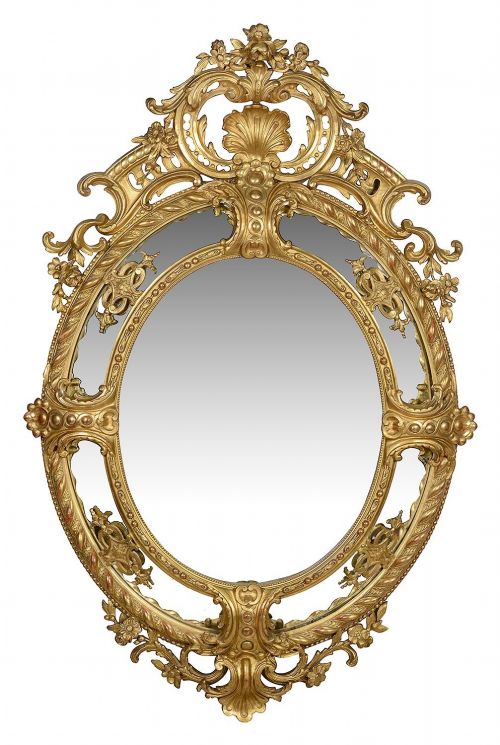
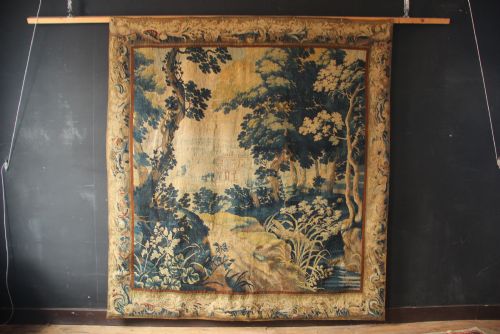
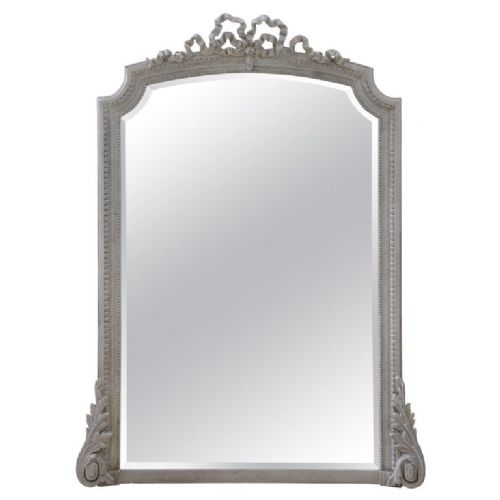
When you search for chateau wall hanging, you encounter large woven tapestries, framed textile panels, needlework, and grand gilded mirrors designed to dress large interior walls. The selection splits primarily between large historical woven verdure scenes from the seventeenth and eighteenth centuries and nineteenth-century French mirrors and decorative wall panels.
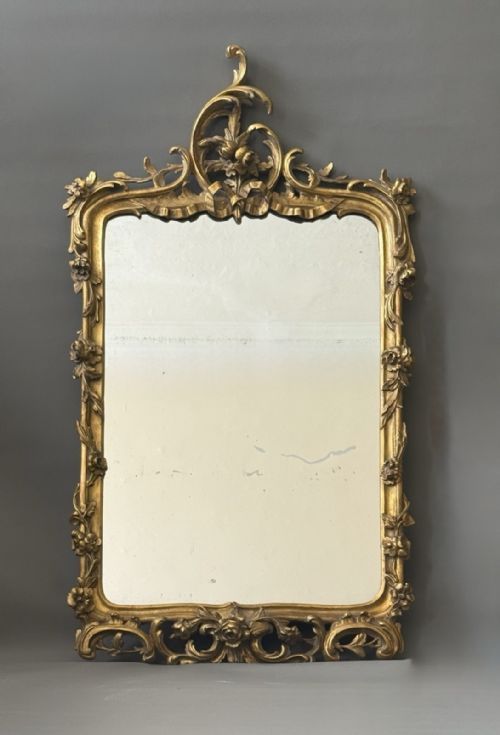
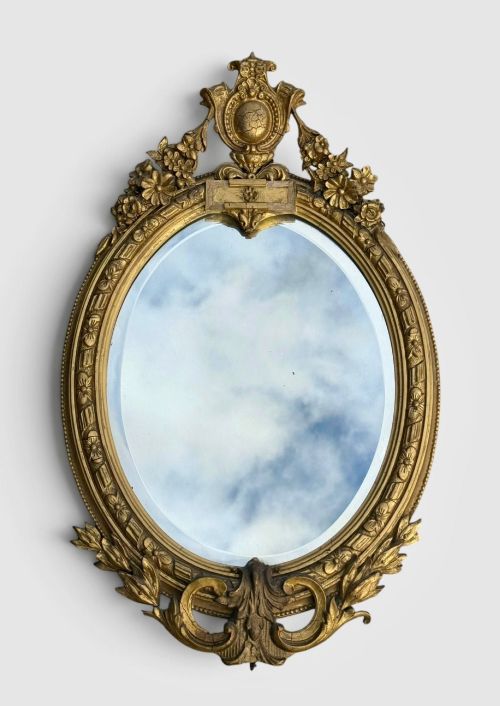
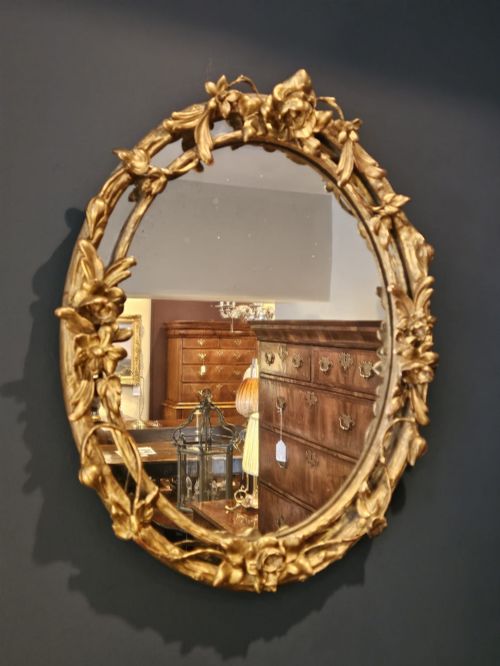
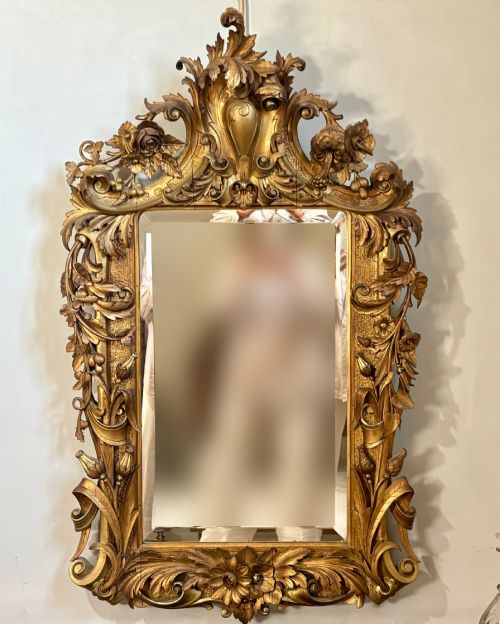
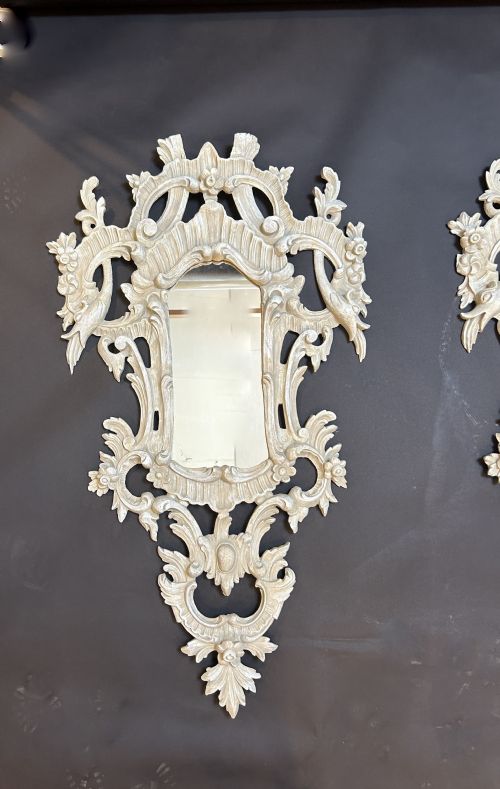
The mirror form dominates the offerings, appearing in robust overmantel formats, oval frames with rose vine details, and carved Louis XVI or Rococo revival styles. Alongside these hang woven wool and silk tapestries, including Aubusson style panels and Flemish landscape designs intended to replicate the atmosphere of a French estate.
How they were made
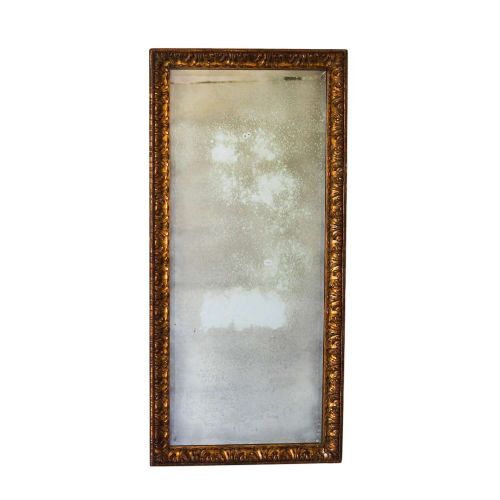
Makers constructed the mirrors using carved wood, gesso, and composition applied to timber frames, then finished them with gold leaf, gilt bronze, or paint. Many incorporate antique mercury glass plates or early mirror glass set within deeply moulded frames.
Textile panels and tapestries rely on wool and silk threads woven on looms to create detailed figurative or verdure scenes. Artisans also produced detailed needlework panels and mounted canvas panels to serve as decorative wall hangings.
One late nineteenth-century French mirror comes complete with a wooden gilt cherub gazing down from the frame top.
What varies in quality
Quality rests on the depth and crispness of the hand-carving on wooden and gesso frames, where sharp floral and classical motifs distinguish superior work from softer moulded alternatives. The retention of original mercury plates and authentic gold leaf rather than modern paint also separates finer mirrors.
In textile wall hangings, the intricacy of the weave, the richness of the wool and silk yarn palettes, and the preservation of the original panel scale dictate the distinction between ordinary decorative hangings and museum-grade textile art.
The Chateau Wall Hanging Glossary
- Giltwood
- Wood that has been coated with a thin layer of gold leaf. This finish gives frames a luminous appearance that catches interior light.
- Gesso
- A plaster-like mixture applied to wooden mirror frames to provide a smooth base for carving and gilding. Artisans mould this material into relief scrolls and floral motifs.
- Verdure tapestry
- A woven wall hanging depicting a stylised forest landscape, foliage, or garden scenery. These pieces often utilise muted greens and earth tones.
- Mercury plate
- An early type of mirror glass backed with a tin-mercury amalgam. This creates a mottled, atmospheric reflection distinct from modern silvered glass.
- Aubusson style
- A design aesthetic originating from French tapestry-weaving towns. It typically incorporates pastoral scenes, floral bouquets, or architectural elements.
Chateau Wall Hanging: Frequently Asked Questions
How do I hang a heavy chateau mirror?
These large framed pieces require secure wall fixings anchored directly into structural studs or masonry. Professional mirror hangers utilise heavy-duty brackets rated for the substantial weight of timber and gesso frames.
Ensure the hanging wire or integrated D-rings match the mass of the mirror before mounting it securely above a mantelpiece or console table.
Where should I place a textile wall hanging?
Large woven tapestries and textile panels suit principal reception rooms or hallways where they absorb sound and add texture to expansive plaster walls. They function effectively as focal points behind sofas or dining tables.
Protect delicate wool and silk fibres from direct sunlight to prevent fading and maintain the integrity of historical dyes.
How do I clean an antique gilt frame?
Dust giltwood and gesso frames gently with a dry, soft-bristled brush or an ostrich feather duster. Avoid commercial chemical cleaners and abrasive cloths, which strip delicate gold leaf surfaces.
Moisture damages historical gesso, so keep liquid cleaning agents away from both the carved frame and the mirror plate edge.
What is the difference between an overmantel mirror and a wall mirror?
Overmantel mirrors feature horizontal proportions designed specifically to sit directly above a fireplace mantel. Standard wall mirrors typically employ vertical or oval formats intended for general wall placement.
Both forms utilise ornate carved frames, but overmantels scale to match the width of a hearth.