


Chased Sterling Silver Bowl
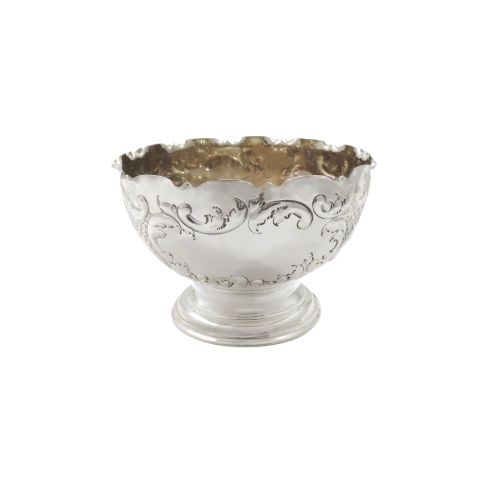
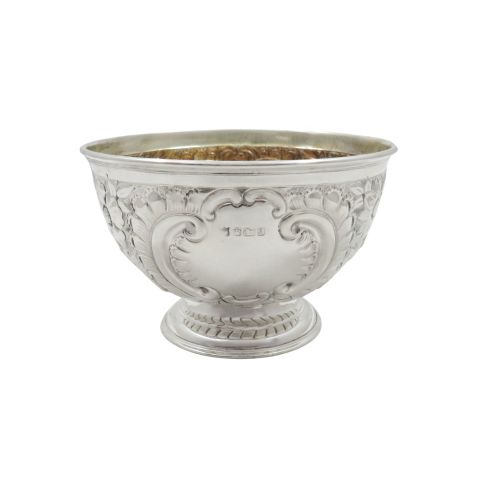
A chased sterling silver bowl brings rich texture and gleaming weight to a room, catching the light across its hammered and embossed surfaces.
Chased Sterling Silver Bowl
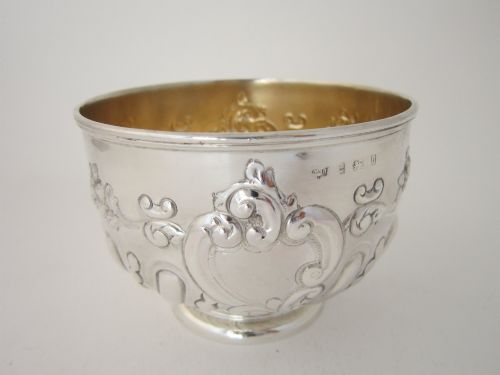
A chased sterling silver bowl encompasses a range of domestic and decorative vessels, from deep centrepiece bowls to small sugar basins and bonbon dishes. Buyers searching this phrase meet mostly Victorian examples alongside Georgian, Edwardian, and international pieces from the nineteenth and early twentieth centuries.
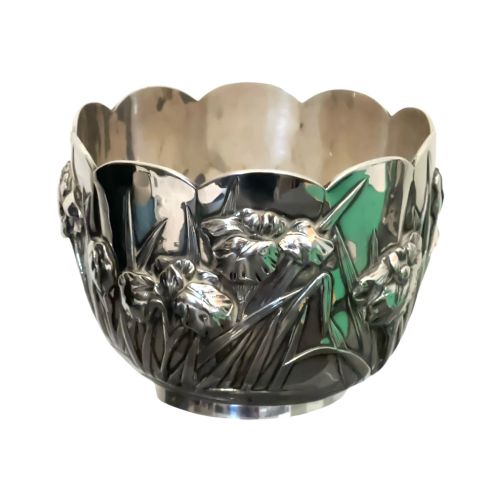
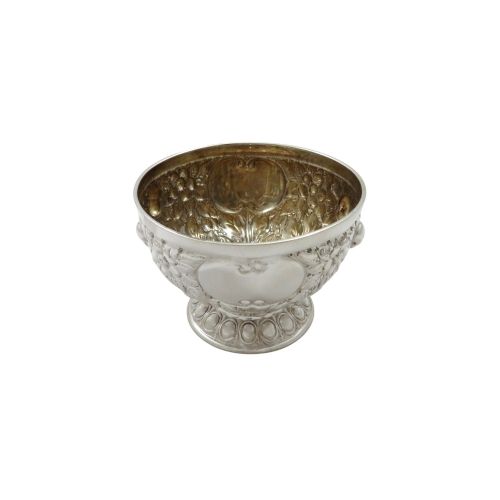
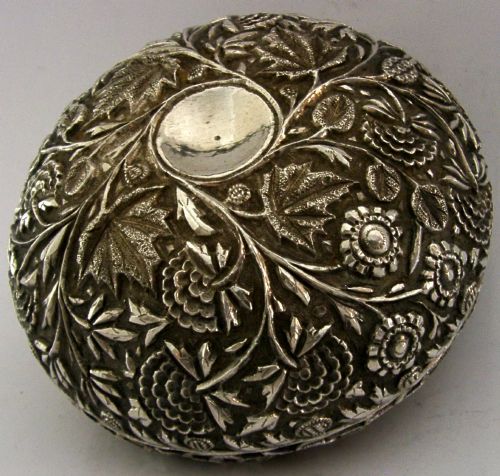
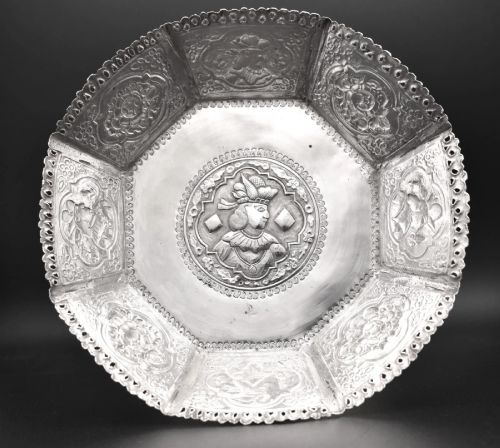
The selection includes pedestal footed bowls, heavily decorated Anglo-Indian and Chinese export vessels, and presentation pieces intended for display or ceremonial use. These objects reflect the changing tastes of their eras, moving from classical Georgian restraint to elaborate Victorian and Edwardian ornamentation.
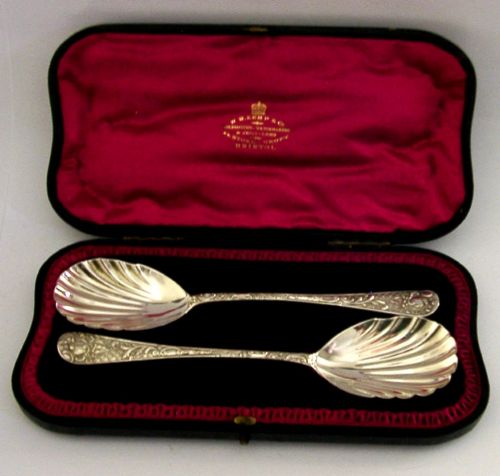
Many items survive from the late nineteenth century, demonstrating the high output of British silversmiths as well as imported craftsmanship from Asian and continental workshops. Such pieces often arrive paired with matching spoons, liners, or fitted presentation cases.
Judging the standard of workmanship
Quality rests in the depth and clarity of the chased decoration, where crisp contours and deliberate shading distinguish skilled handwork from superficial stamping. Superior pieces display harmonious proportions between the vessel body and any pedestal foot, handles, or applied rims.
The weight of the silver relative to the size of the bowl indicates the substance of the original manufacture, with heavier gauges resisting distortion over time. Furthermore, the crispness of maker marks and hallmarks provides a clear record of official assay standards and workshop origin.
Listings feature sterling silver, silver gilt, and solid silver forms spanning Victorian, Edwardian, Georgian, and Meiji periods.
Elkington & Co·George Fox
The Chased Sterling Silver Bowl Glossary
- Chasing
- Working metal from the front with punches and hammers to sink the background and sharpen surface details. This technique creates texture without removing material.
- Repoussé
- Pushing metal outwards from the reverse side to form raised patterns in high relief. It is often combined with chasing for finished depth.
- Sterling silver
- An alloy consisting of ninety-two point five percent silver by mass and seven point five percent other metals, usually copper. This standard ensures durability while maintaining precious metal purity.
- Silver gilt
- Silver that has been coated with a thin layer of gold on its surface. This finish protects the interior from tarnishing when holding certain foods.
- Tazza
- A shallow bowl or flat-topped dish supported on a stem and footed base. It originated as a ceremonial vessel for display.
- Comport
- A large ornamental bowl or dish raised on a high foot, traditionally used for serving fruit or sweets at a formal dining table.
Chased Sterling Silver Bowl: Frequently Asked Questions
How do I clean a chased silver bowl?
Use a soft cloth and a specialised silver polish designed to lift tarnish without being overly abrasive. Avoid harsh scrubbing that might wear down the fine details of the chased pattern.
Take care around recessed areas where old polish can accumulate. Gentle rinsing in warm soapy water helps remove residue from intricate crevices.
What is the difference between chased and engraved silver?
Chasing displaces and pushes the metal to create raised or textured designs without cutting away material. Engraving uses a sharp tool called a burin to actually slice lines into the silver.
As a result, chased surfaces retain the full weight and thickness of the original metal sheet. Engraved surfaces show fine grooves where metal has been permanently removed.
Can I use these antique bowls for food?
Many of these pieces were originally created for sugar, fruit, or presentation use rather than everyday dining. Plain silver bowls can safely hold dry items, but acidic foods may react with older alloys.
Silver gilt interiors offer better resistance to food acids. Modern usage is best kept to light decorative display or serving dry delicacies.
How do I identify a Victorian silver bowl?
Look for British hallmarks stamped directly onto the silver, which include a date letter corresponding to the exact year of assay. Queen Victoria's reign spans much of the nineteenth century, so standard monarch profile marks often appear alongside town and maker stamps.
Stylistic clues also help, as Victorian pieces frequently feature dense floral repoussé work or Rococo Revival motifs. Examining the weight and construction method provides further context for the period.