
Silver Table Centerpiece Bowl
A silver table centerpiece bowl anchors a formal dining setting with presence, serving fruit, flowers or sweets in solid metal and coloured glass.
Silver Table Centerpiece Bowl
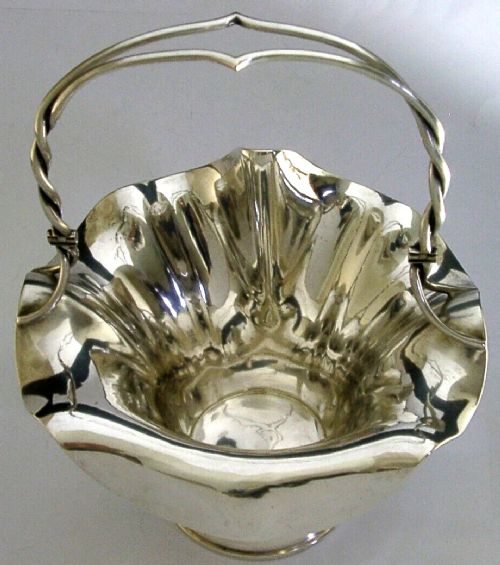
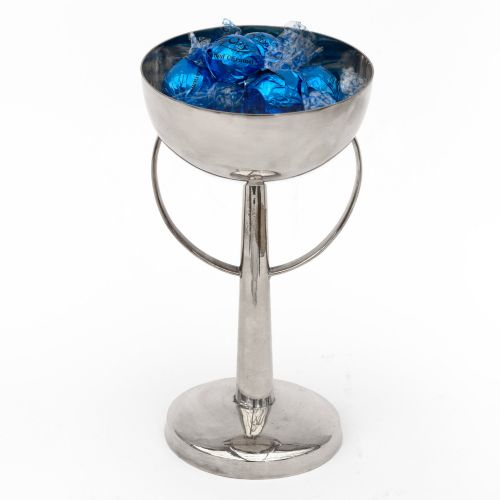
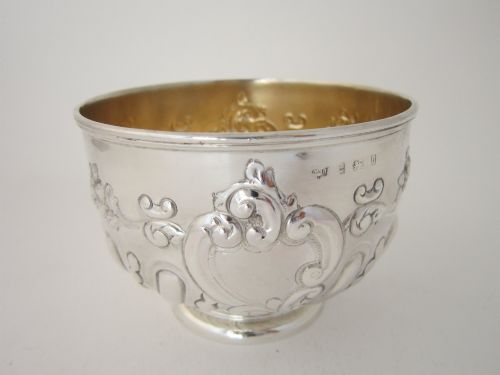
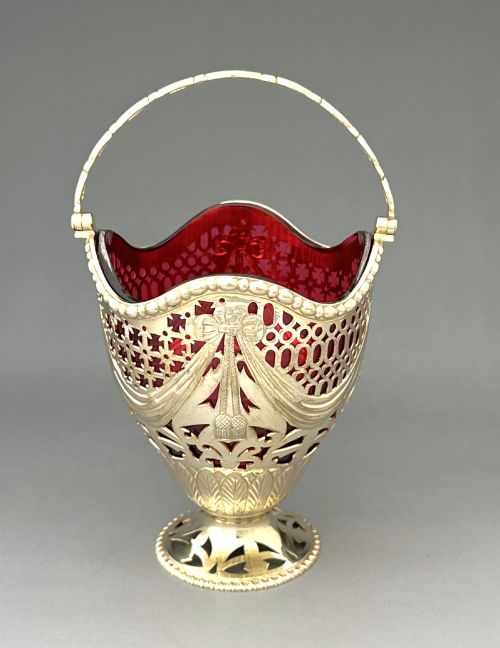
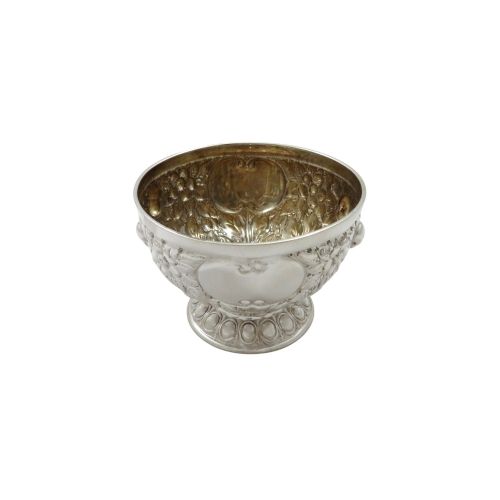
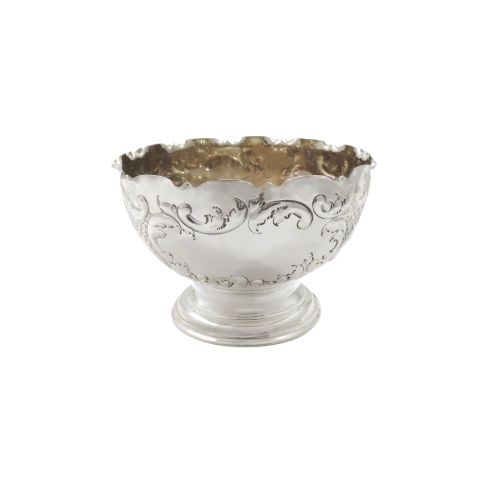
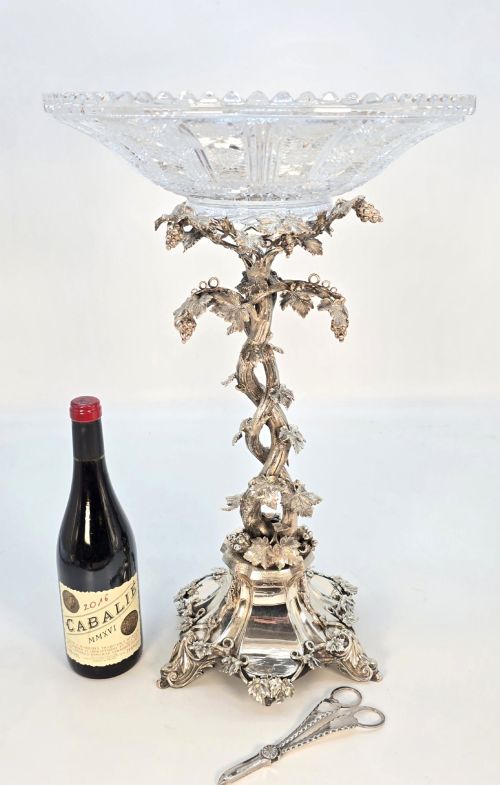
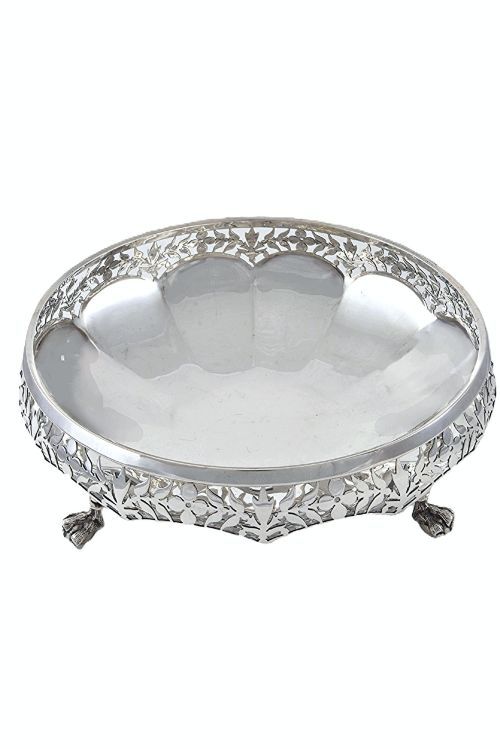
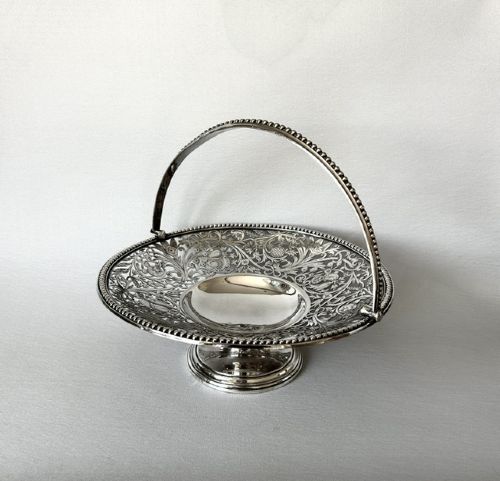
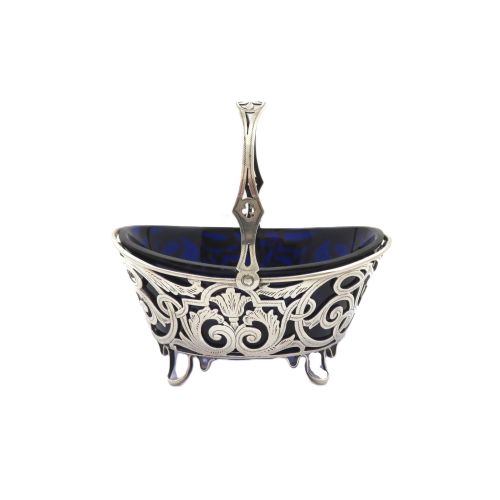
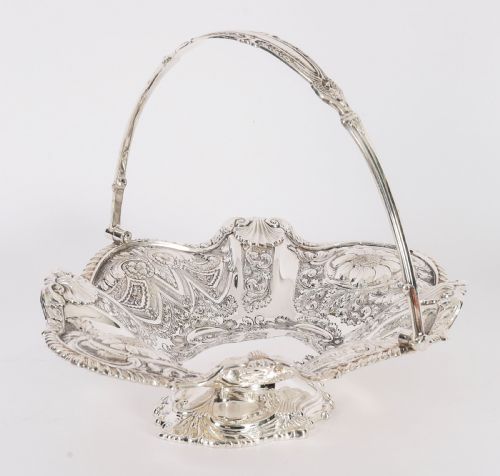
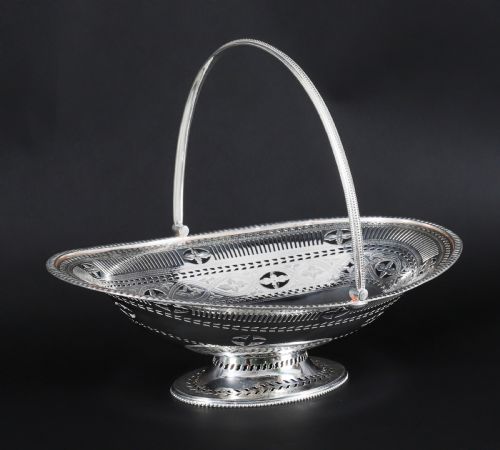
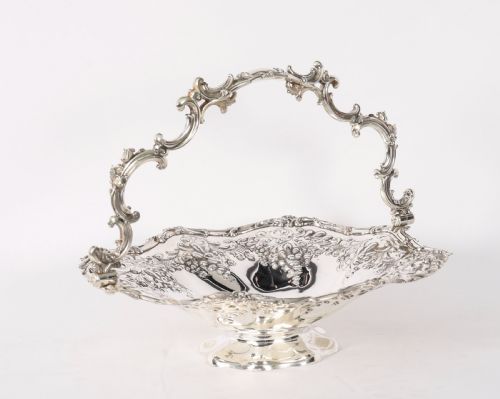
A silver table centerpiece bowl acts as the focal point of a dining table, originating in larger domestic settings from the mid nineteenth century onwards. The pieces seen here span Victorian, Edwardian and later twentieth century decades, taking forms such as pedestal dishes, swings handled baskets, and footed bowls.
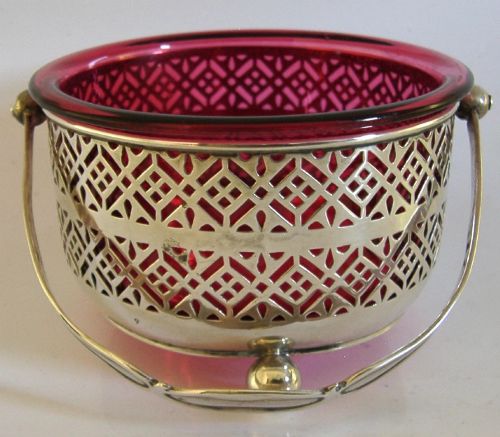
Makers produced these items in sterling silver, solid silver, and silver plate, frequently pairing the metal structure with coloured glass liners in cranberry, ruby, amber, or green vaseline tones. Pierced decoration, repoussé borders, and swing handles appear regularly across the Victorian and Edwardian examples on this page.
Alongside conventional bowls, buyers encounter specialised forms such as fruit baskets, sugar baskets, bonbon dishes, and tazzas. Many incorporate cut glass or crystal bodies held within pierced metal frames, reflecting the shifting dining fashions of the nineteenth and early twentieth centuries.
How they were made
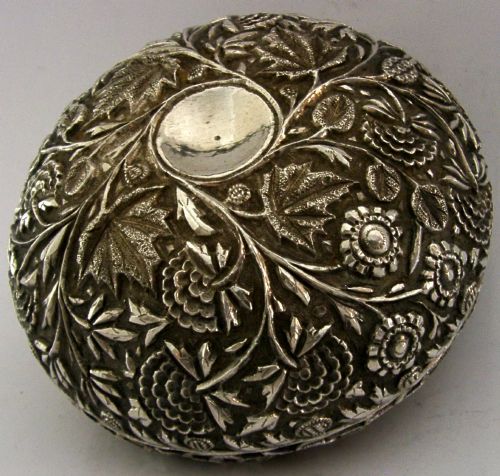
Silversmiths utilised traditional techniques including hammering, planishing, piercing, and repoussé work to shape solid silver and silver plate into intricate floral or geometric patterns. Planished surfaces show intentional tool marks left by the craftsman, which appear on Arts and Crafts pieces.
Makers combined metalwork with glassblowing, fitting blown or cut glass liners, bowls, and insert dishes directly into pierced silver plated or sterling frames. Old Sheffield plate employed a fused layer of silver over a copper base, whilst later items relied on electroplated nickel silver or solid silver construction.
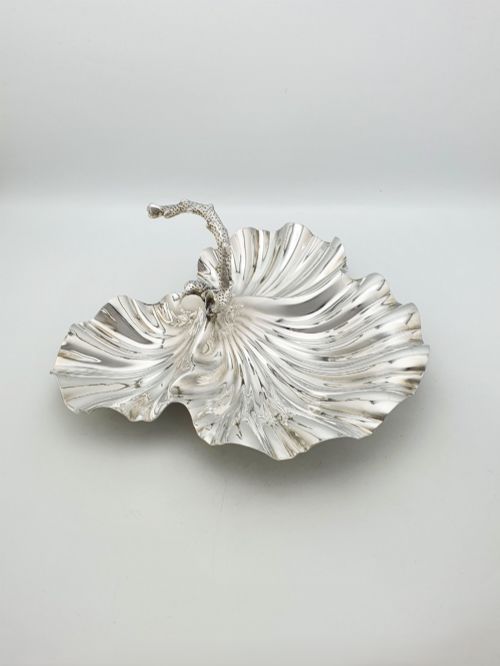
Some Victorian dishes feature handles shaped like stylised coral, bringing a touch of the ocean directly to the dining table.
What varies in quality
Quality rests in the weight of the metal gauge, the crispness of chased or repoussé detail, and the integrity of any glass component. Thicker metal gauges resist bending and hold complex pierced designs without distortion.
The precision of the joinery between handles, feet, and bowls separates standard production items from finer workshop pieces. Intact original glass liners without chips add significantly to the integrity of a centrepiece.
George W. Scott & Sons Ltd·Tiffany & Co.·Mappin & Webb·Charles Boyton·Thomas Bradbury·Doulton Burslem
The Silver Table Centerpiece Bowl Glossary
- Repoussé
- Metalworking technique where the design is hammered into relief from the reverse side. This creates raised floral or scroll motifs on the exterior of bowls and baskets.
- Planishing
- The process of smoothing and shaping metal with a flat-faced hammer. It leaves a distinctive texture of small, flat facets across the surface of Arts and Crafts silver.
- Old Sheffield Plate
- An early method of fusing a thin sheet of silver to a thicker copper core by heat and pressure. Edges often reveal the underlying copper layer.
- Tazza
- An ornate shallow bowl or cup mounted upon a stem and foot. These pieces function as elevated serving dishes on formal tables.
- Vaseline Glass
- Pressed or blown glass containing uranium dioxide, which produces a characteristic yellow-green colour and glows under ultraviolet light.
Silver Table Centerpiece Bowl: Frequently Asked Questions
What were centerpiece bowls used for?
These vessels held fresh fruit, sweetmeats, or floral arrangements to decorate dining tables during formal meals. They sat centrally to draw the eye and complement the tableware.
Over time, changing dining habits transformed them from functional serving pieces into purely decorative objects displayed on sideboards and tables.
How do I identify the period?
Maker marks, hallmarks, and stylistic details point directly to the era of manufacture. Victorian pieces often feature heavy floral repoussé, while Edwardian items lean towards lighter pierced silver and coloured glass liners.
Art Nouveau and Art Deco designs introduce distinct organic whip lines or geometric forms that date the metalwork to the early twentieth century.
Are glass liners original?
Original glass liners fit snugly into the metal baskets and match the contour of the pierced rim. Coloured glass such as cranberry, ruby, and vaseline glass was typical of the Victorian and Edwardian periods.
Replacements often sit loosely or display different manufacturing methods compared to the antique metal frame holding them.
How do I clean antique silver plate?
Wash silver plated items gently in warm water with a mild detergent using a soft cloth. Avoid abrasive dips or harsh scrubbing brushes that strip the thin silver layer.
Store pieces in dry environments away from direct sunlight to minimise tarnishing and preserve the underlying metal finish.