


Victorian Footed Silver Dish
A victorian footed silver dish combines period metalwork with raised form, offering collectors an elegant piece for the table.
Victorian Footed Silver Dish
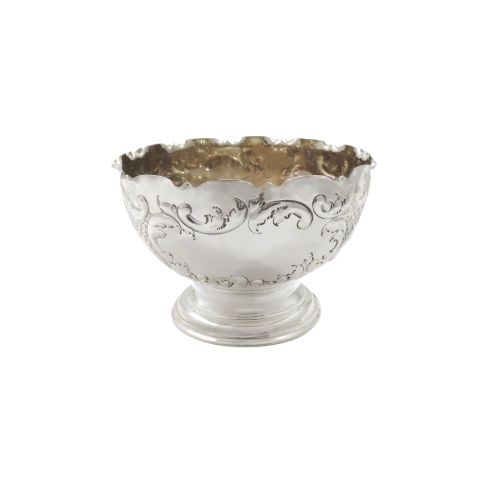
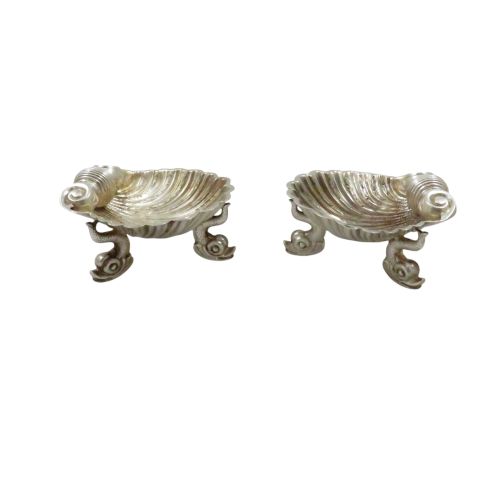
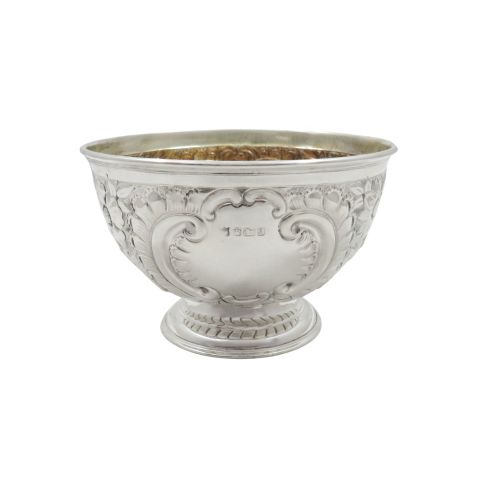
A victorian footed silver dish encompasses various elevated forms associated with the nineteenth century, including bowls, salts, and tazzas. Buyers searching for a victorian footed silver dish will find items resting on pedestals, dolphin feet, or simple raised bases.
The selections on this page bridge multiple functional categories, from sweet dishes and bonbon dishes to salt cellars and larger bowls. Most examples adhere to Victorian aesthetics, alongside pieces from adjacent periods such as the Edwardian era and the nineteenth century.
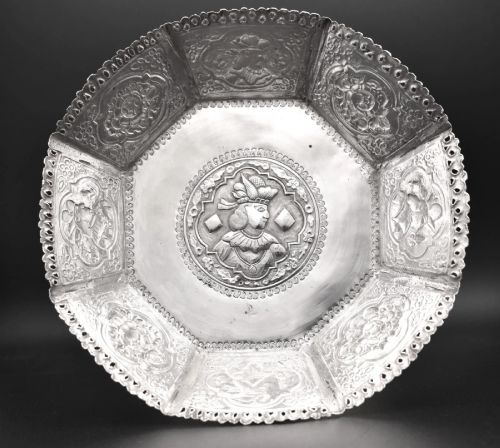
Makers and artisans utilised distinct stylistic influences, producing everything from Anglo-Indian repoussé work to Rococo Revival motifs. These elevated vessels reflect the formal dining and display practices of their original period.
How they were made
Silversmiths shaped sterling silver, silver plate, and bronze into elevated vessels utilising traditional hammering, casting, and repoussé techniques. Surface ornamentation often involved intricate hand-chased patterns or applied sculptural elements like dolphin feet.
Certain forms incorporated contrasting elements such as cobalt glass or cut glass liners held within pierced or solid silver frames. Pedestal bases and feet were cast separately and securely joined to the main body of the dish.
Dolphin feet support at least one Victorian salt cellar pair, bringing an unexpected marine touch to the dining table.
What varies in quality
The calibre of a piece depends heavily on the crispness of the chased or repoussé detail and the structural integrity of the foot or pedestal. Heavier gauge metal and substantial weight indicate superior material use by the silversmith.
Artistic ambition distinguishes standard utilitarian vessels from exceptional examples, particularly those featuring figural supports or specialised regional styling. The harmony between the dish body and its elevated support determines the visual success of the object.
Michael Alexandrovich Romanov
The Victorian Footed Silver Dish Glossary
- Repoussé
- Metalworking technique where the artisan hammers the design from the reverse side to create a raised pattern on the front. This method creates tactile, highly decorative surfaces on bowls and tazzas.
- Tazza
- An ornate shallow cup or bowl mounted on a stem and foot, typically displayed on a table. These pieces served decorative or formal dining functions.
- Sterling silver
- An alloy containing a high proportion of pure silver combined with other metals for durability. British pieces of this standard usually carry specific assay hallmarks.
- Bonbon dish
- A small ornamental vessel designed specifically to hold sweets or confectionery. They often feature pierced decoration or delicate footed bases.
- Salt cellar
- A small container used to hold salt at the dining table, frequently paired with a dedicated condiment spoon. These vessels often stand upon distinct feet.
Victorian Footed Silver Dish: Frequently Asked Questions
What is a victorian footed silver dish used for?
These vessels originally served various dining and decorative purposes, holding items such as sweets, bonbons, or salt at the table.
Today, collectors utilise them as decorative objects or small display bowls within domestic interiors.
How do I identify a Victorian piece?
Identification relies on examining the stylistic markers characteristic of the nineteenth century, alongside any accompanying hallmarks or documentation.
Pieces from this era often incorporate specific revival motifs, such as Rococo styling or repoussé work.
Are all these dishes solid silver?
The materials vary across the selection, including sterling silver, silver plate over base metals like bronze, and combinations involving cut glass.
Checking the specific listing details and any stamped hallmarks clarifies the exact composition of each item.
How should I care for silver dishes?
Proper maintenance involves gentle cleaning with appropriate silver care products to preserve the metal surface and any fine chased detail.
Avoiding abrasive cloths ensures the original finish and patination remain intact over time.