

Charles X Chest Drawers
These charles x chest drawers span contrasting continental and English eras, bringing robust timber storage into a room with striking presence.
Charles X Chest Drawers
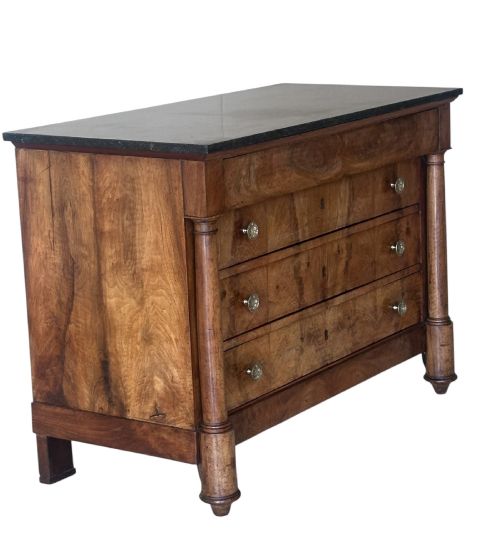
When you search for charles x chest drawers, you encounter a distinct mix of continental commodes and sturdy seventeenth-century English pieces. The French examples arrive in walnut and mahogany, often carrying marble tops alongside the characteristic clean architectural lines of the period.
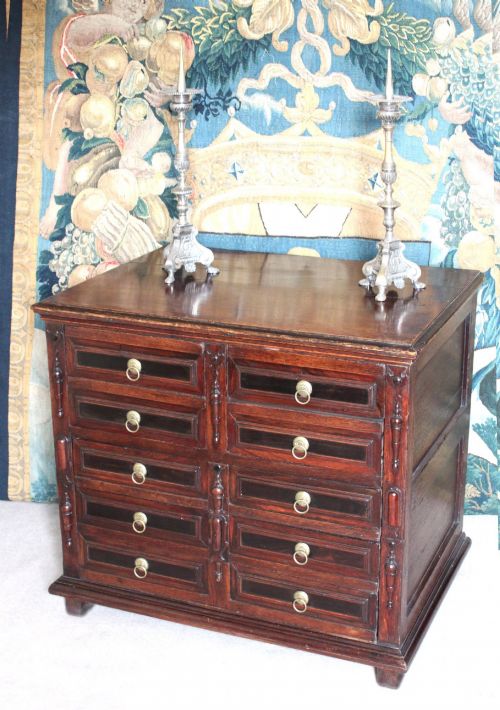
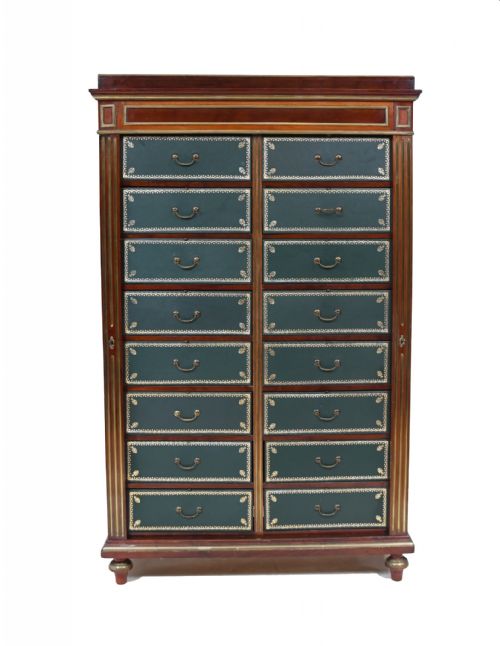
Buyers also find specialised forms such as tall cartonnier units and collectors cabinets with numerous small drawers. The assortment balances continental elegance with the heavy, dark timber of early English joinery.
Materials and construction methods
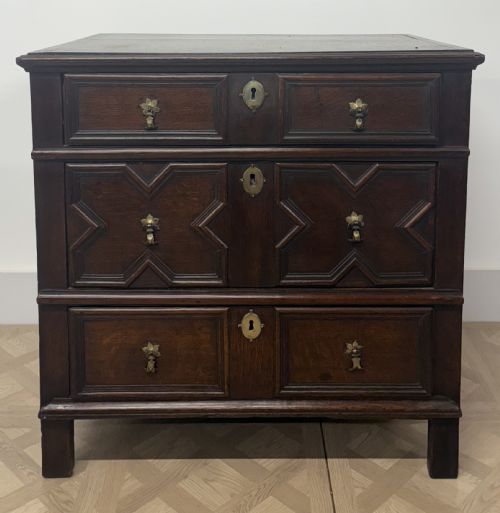
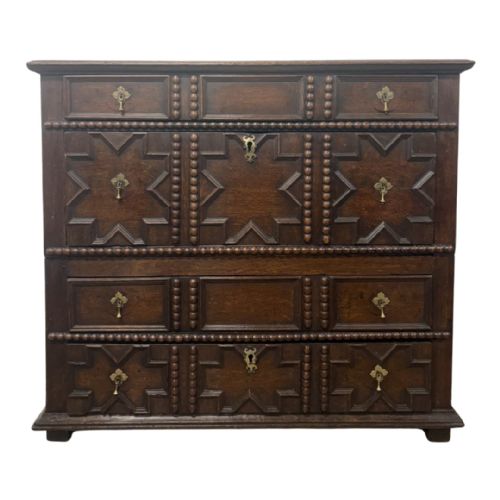
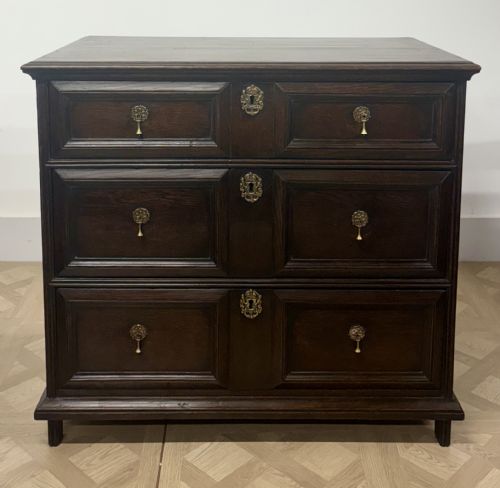
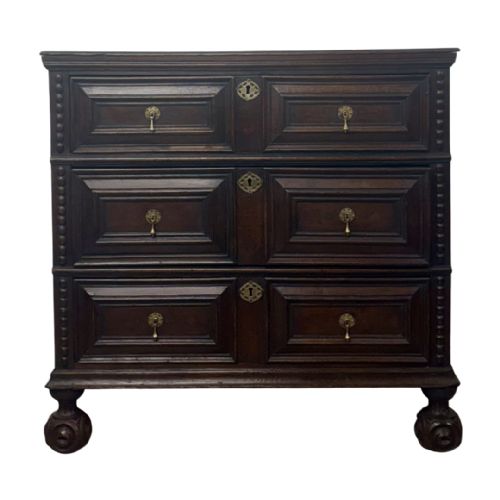
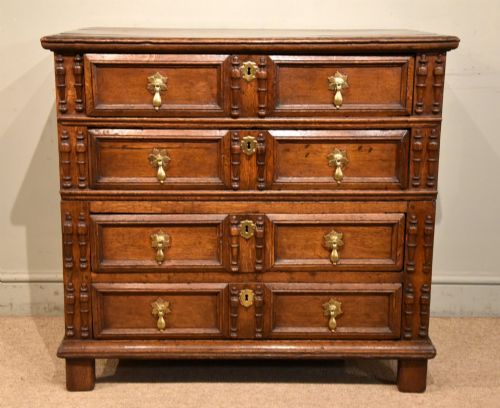
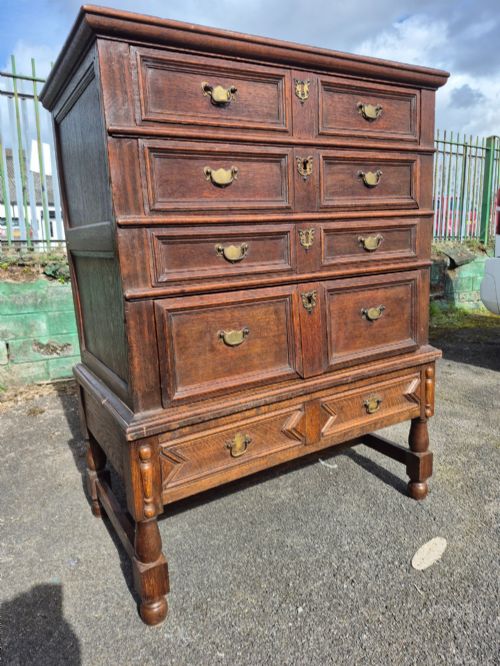
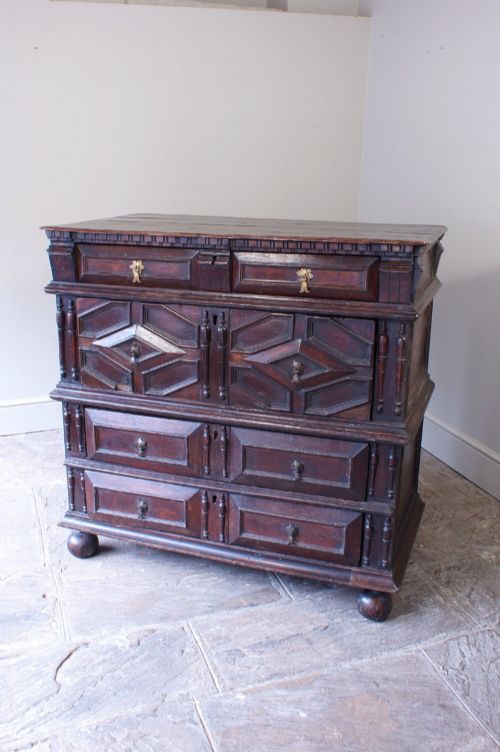
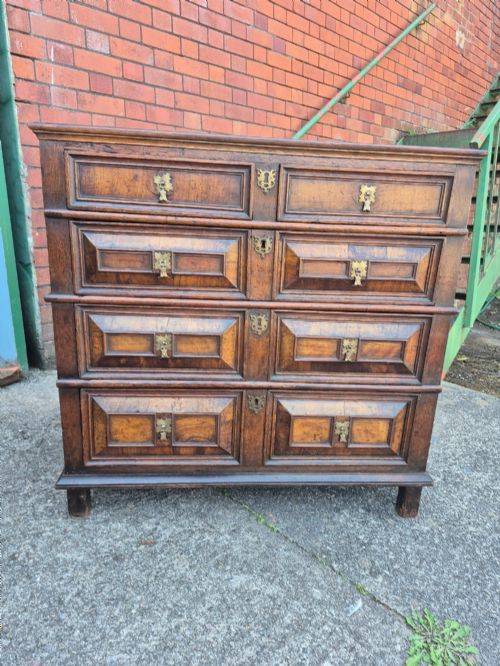
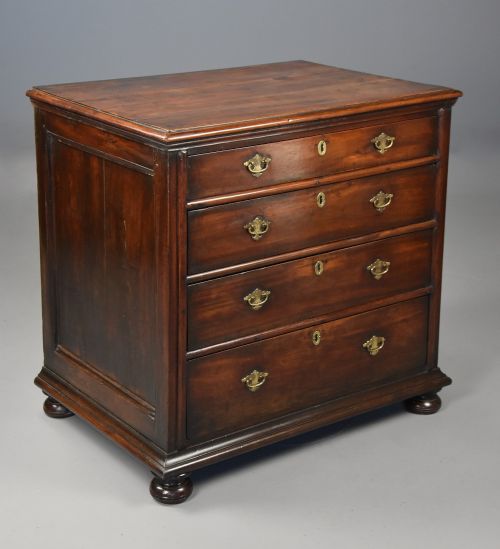
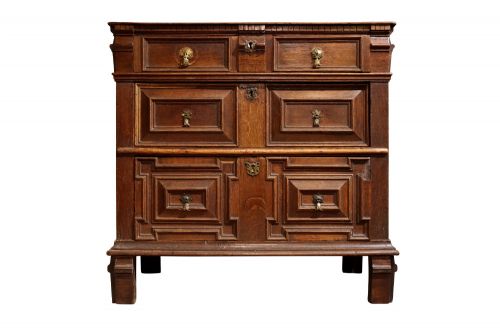
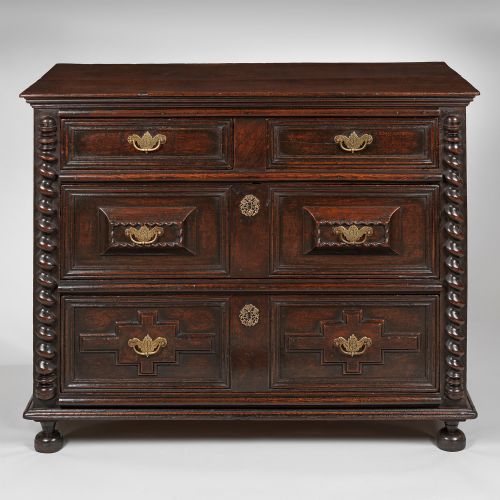
Oak dominates the English pieces, shaped with heavy geometric mouldings fixed to drawer fronts and side panels. Joinery relies on pegged frames, panelled construction, and substantial timber thicknesses designed for longevity.
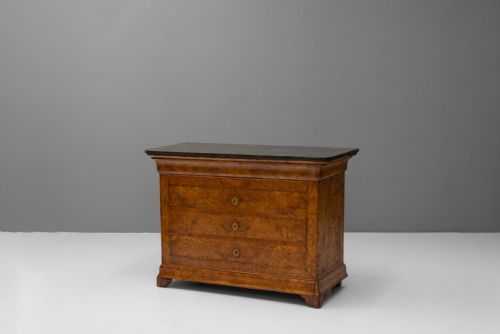
French pieces utilise walnut and mahogany veneers applied over secondary woods, paired with polished marble surfaces. Brass hardware secures the drawers, while fine timber inlays create geometric patterns across the face of the furniture.
Listings feature oak, walnut, mahogany, fruitwood, and marble across seventeenth-century and nineteenth-century periods.
Judging quality and character
The standard of timber selection largely dictates the standing of each piece, from plain native oak to figured walnut and rich fruitwoods. Crispness in the geometric mouldings and the retention of original surface patination elevate certain examples above standard utility items.
Proportion and the survival of original drawer configurations distinguish superior items from heavily altered ones. Integrated two-part structures and intact brass handles demonstrate higher craft standard during the period of manufacture.
Charles William Schofield
The Charles X Chest Drawers Glossary
- Commode
- A low French chest of drawers, often featuring a marble top and decorative veneer work. They serve as ornamental storage units in reception rooms.
- Geometric mouldings
- Raised wooden bars applied in geometric patterns across drawer fronts. They provide texture and visual depth on seventeenth-century pieces.
- Two-part chest
- A cabinet constructed in separate upper and lower sections stacked together. This method facilitated transport of heavy timber furniture.
- Cartonnier
- A tall filing cabinet fitted with multiple horizontal compartments for papers. French makers utilised mahogany for these structured storage pieces.
- Collectors cabinet
- A specialised storage unit containing numerous shallow drawers for specimens. Fine examples incorporate multiple internal compartments behind panelled doors.
Charles X Chest Drawers: Frequently Asked Questions
How do I care for antique timber?
Keep wooden surfaces away from direct heat sources and sudden humidity shifts. Apply natural beeswax sparingly to nourish the grain without buildup.
Avoid commercial liquid polishes containing silicones. Gentle dusting with a dry cloth protects the historic finish.
Where should I place a commode?
These decorative storage pieces suit hallways, living rooms, and bedrooms alike. Their flat tops provide space for lamps and display objects.
Ensure adequate floor space so the drawers extend fully without obstruction. Consider the weight of marble tops when choosing upper-floor locations.
What defines a geometric chest?
Mouldings applied in squares, octagons, and intersecting lines decorate the drawer fronts. This technique creates strong shadows and surface texture.
Craftsmen working with oak during the seventeenth century favored this austere decorative style over carved ornamentation.