



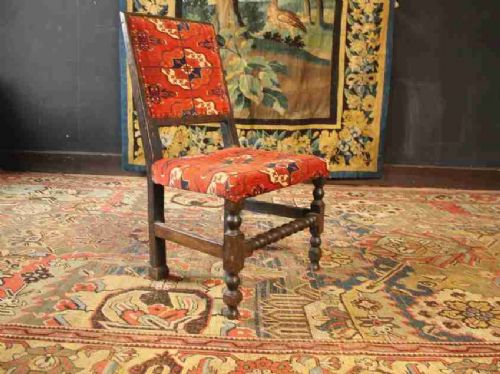
Charles II Chair
When you search for a charles ii chair, you enter a world of heavy carved timber and high-backed seating designed to dominate a room.
Charles II Chair
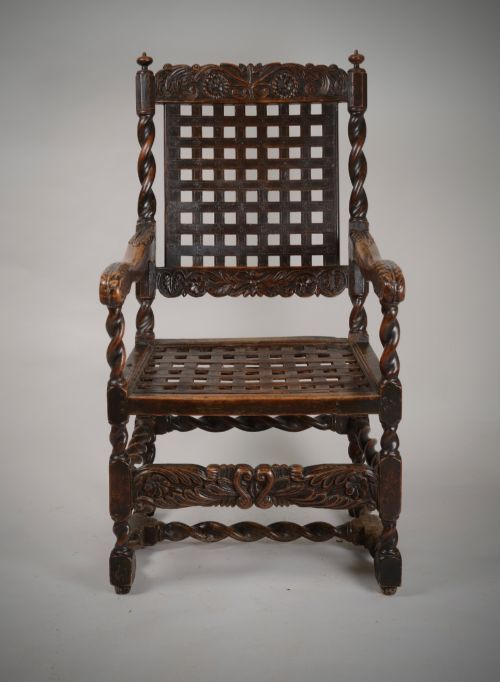
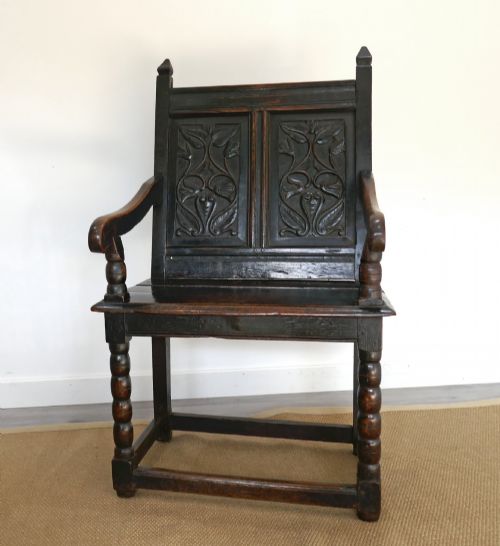
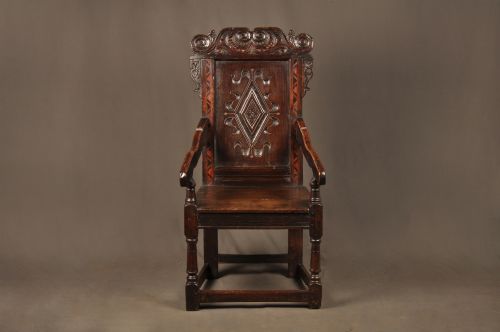
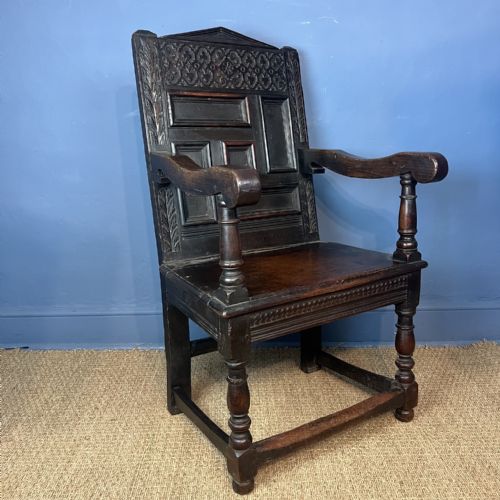
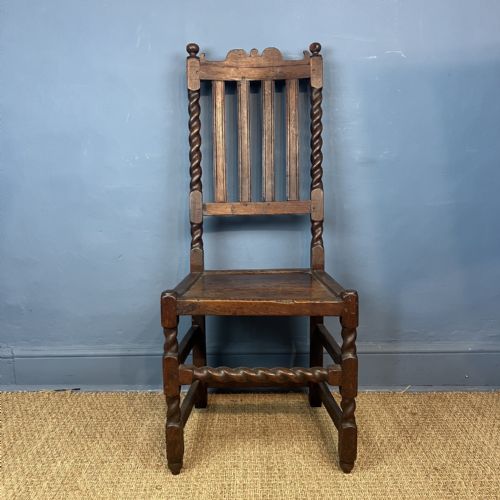
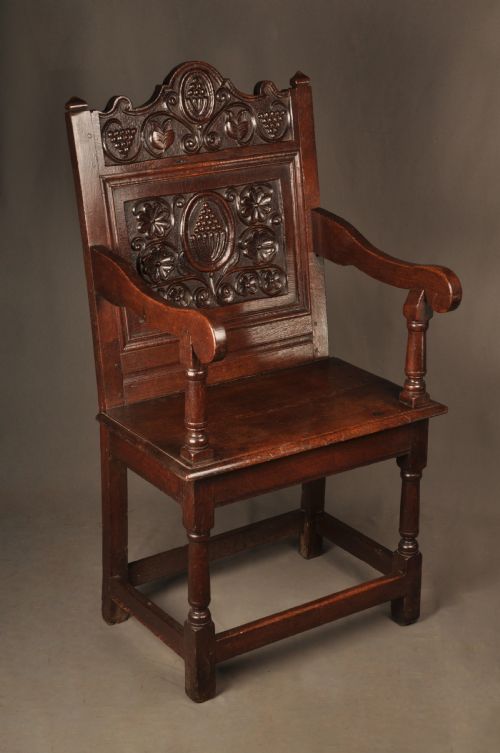
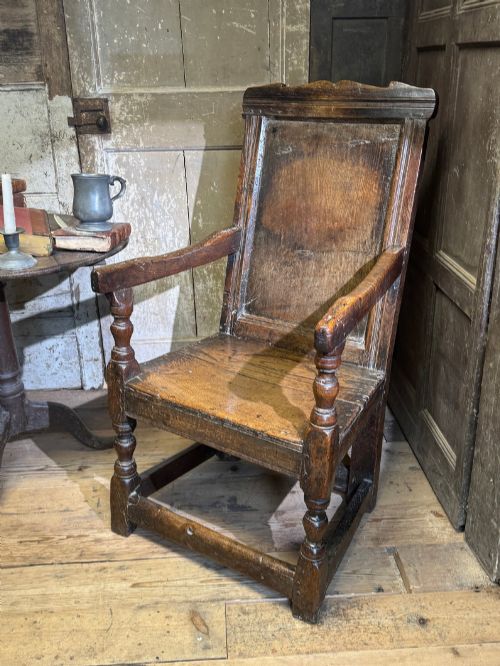
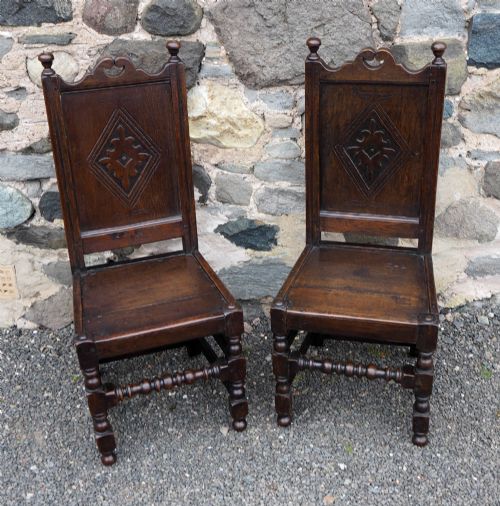
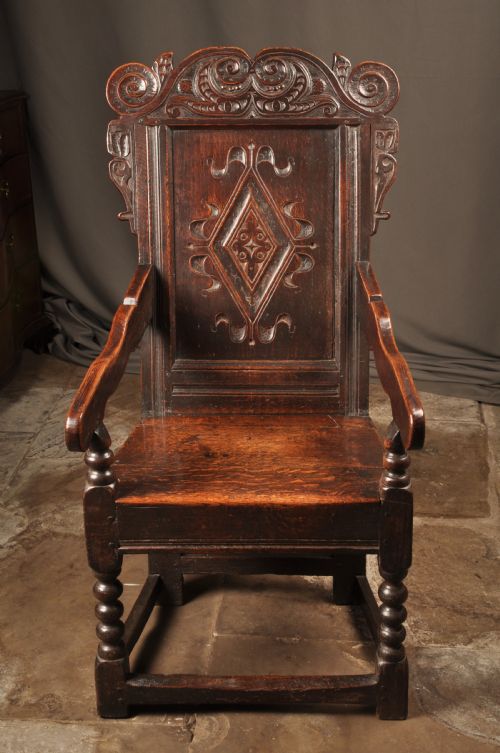
A charles ii chair represents the robust seating traditions of the seventeenth century, encompassing sturdy wainscot forms, high-backed walnut designs, and regional vernacular pieces. Buyers searching for this phrase encounter heavy oak armchairs, side chairs, and backstools originating from workshops across Yorkshire, Lancashire, and the West Country.
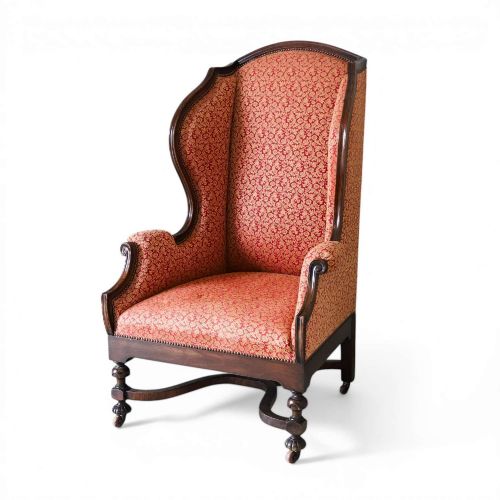
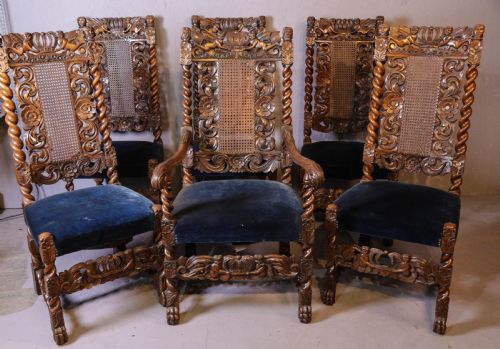
Alongside seventeenth-century originals, this selection includes nineteenth-century revival pieces modelled in the Carolean style. These later interpretations appropriate the heavy carving, cane panels, and scrolling motifs of the Restoration period while offering alternative timber choices such as walnut.
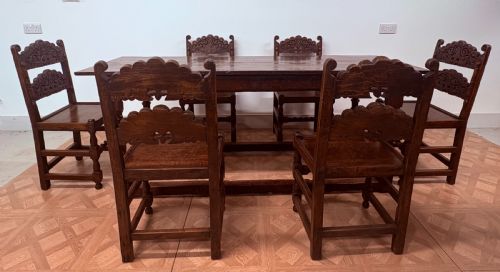
The assortment spans formal dining sets, individual elbow chairs, and master armchairs alongside occasional side chairs. Regional variations emerge strongly in the evidence, from Yorkshire and Derbyshire backstools to Welsh oak armchairs.
What varies in quality
The distinction between ordinary examples and superior pieces rests on the depth and execution of the carved ornamentation. Sharply defined relief work on the crest rails and stiles indicates a higher level of hand craftsmanship than shallow, softened detailing.
Proportion and timber selection further determine the standing of an individual chair, particularly where grain patterns and original surface patination remain intact. The integrity of the structural joints and the survival of authentic components, such as early cane work or joined stretchers, separate untouched examples from heavily restored ones.
Several listings specifically highlight child-sized chairs, proving that miniature humans also required proper timber posture in the seventeenth century.
The Charles II Chair Glossary
- Wainscot chair
- A heavy wooden armchair constructed primarily from oak with a solid panelled back, common in domestic interiors before upholstered seating became widespread.
- Backstool
- An early term for a side chair without arms, featuring a padded or wooden back positioned above a low seat frame.
- Carolean
- The stylistic period spanning the reign of Charles II, characterised by lavish wood carving, scrolled stretchers, and the introduction of cane panels.
- Joint stool
- A low wooden seat constructed with pegged mortise and tenon joints rather than turned legs alone, often utilised around dining tables.
- Cane
- Split rattan woven into patterned mesh panels for seat backs and pads, allowing for lightweight ventilation within dense wooden frames.
Charles II Chair: Frequently Asked Questions
How do I identify a seventeenth century original?
Original pieces display authentic tool marks, pegged joinery, and timber shrinkage appropriate to age. Surface patination develops naturally over centuries through handling and wax polishing.
Revival pieces from later centuries often employ mechanical tooling or timber species that differ from period standards. Examining the underside and joint construction reveals the manufacturing methods used.
What is a wainscot chair?
A wainscot chair is a sturdy wooden armchair featuring a panelled wooden back and panelled seat sides. These pieces originated when timber was expensive and joiners applied architectural panelling techniques to seating.
They served as important pieces of furniture in seventeenth-century households, often reserved for the head of the house. Their heavy oak construction ensured they survived generations of domestic use.
Where were these chairs made?
Production occurred across various English regions, with notable stylistic differences emerging from Yorkshire, Lancashire, Derbyshire, and the West Country. Local timber supplies and regional carving preferences shaped the appearance of each piece.
Urban workshops in London produced fashionable walnut versions with cane panels, while rural makers continued working in solid oak using traditional vernacular designs.
How should I care for antique oak and walnut?
Maintain stable humidity levels in your home to prevent the solid timber from drying out or splitting. Keep wooden surfaces away from direct heat sources and strong sunlight.
Apply microcrystalline wax occasionally to nourish the grain and protect the finish. Avoid modern chemical polishes that can degrade the historic surface patination.