
Charles I Oak Furniture
Charles i oak furniture brings substantial seventeenth-century British character into a room through heavy timber construction and time-worn patination.
Charles I Oak Furniture
Buyers commonly encounter sturdy seating and storage forms dating from the early seventeenth century through to the late seventeenth century. These items were built to last generations, utilising solid timber construction methods typical of the period.
How They Were Made
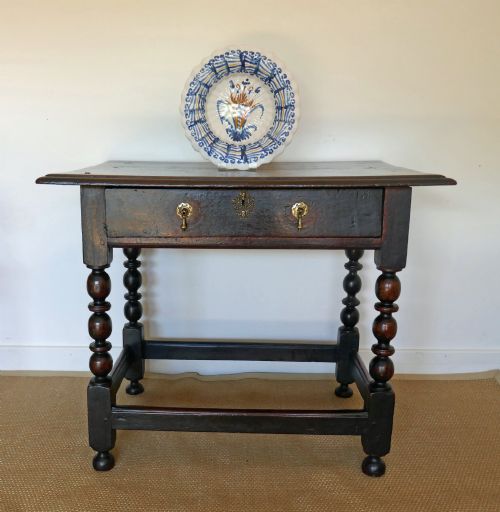
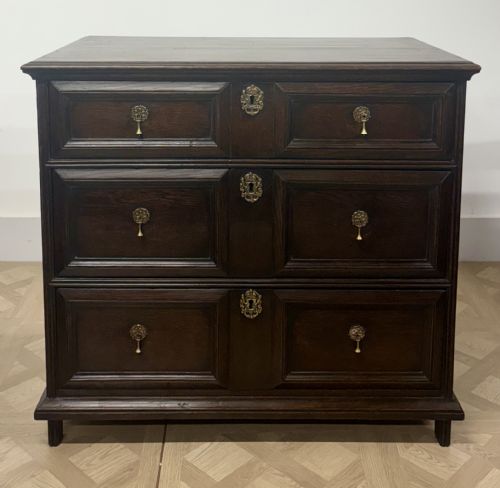
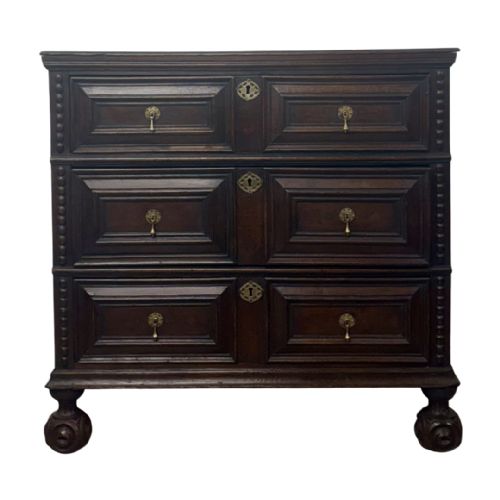
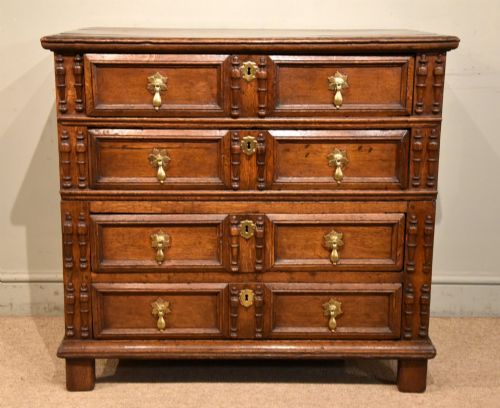
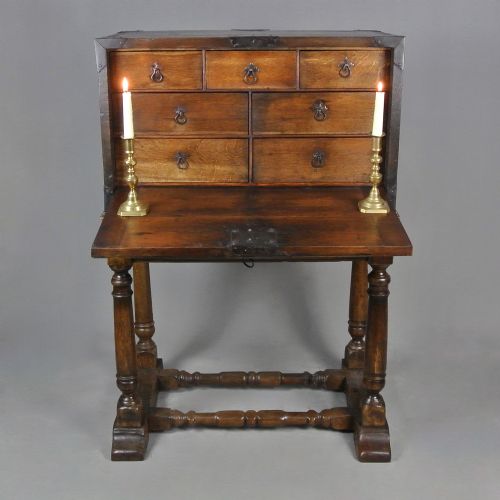
Carpenters constructed these pieces primarily using solid oak timber, frequently augmented with secondary woods like walnut and fruitwood for geometric mouldings and decorative highlights. Iron and brass hardware, including hinges and locks, secured lids and doors on strong boxes and coffers.
Joinery relied on traditional mortise and tenon joints locked with wooden pegs rather than metal nails. Surfaces were hand-carved, panelled, or moulded with geometric patterns, leaving tool marks that indicate manual production by period artisans.
What Varies in Quality
Quality rests upon the proportion of original timber remaining intact against later replacements and modern repairs. Untouched surfaces displaying deep, natural patination command greater appreciation than heavily stripped or over-restored timber.
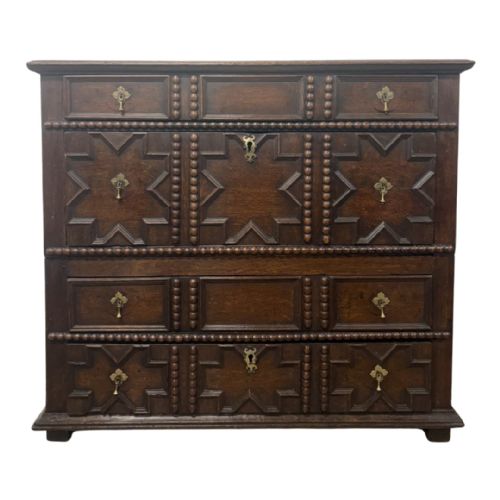
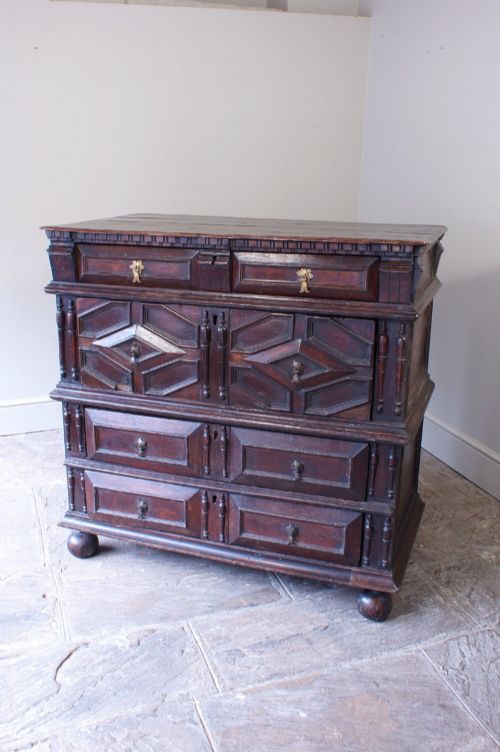
The sophistication of the carving and the crispness of the geometric mouldings distinguish ordinary utility pieces from finer examples. Balanced proportions and sturdy, unaltered structural framing separate high-status regional forms from lesser domestic items.
The Charles I Oak Furniture Glossary
- Joint Stool
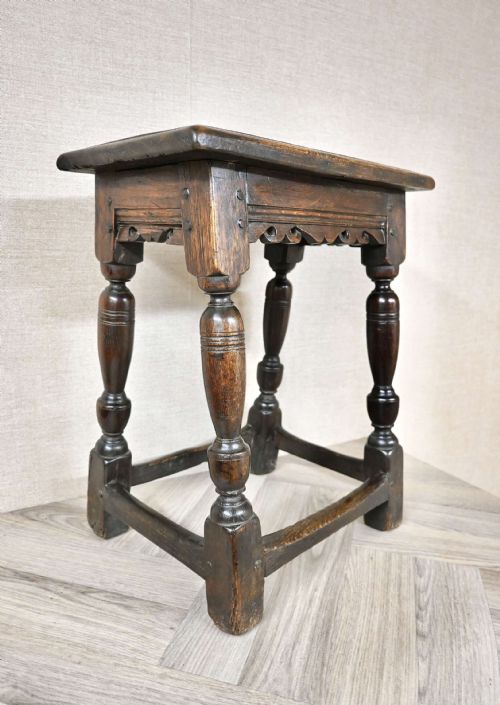
- A sturdy wooden stool constructed with mortise and tenon joints rather than turned legs inserted into a seat. These items served as seating or small stands in seventeenth-century households.
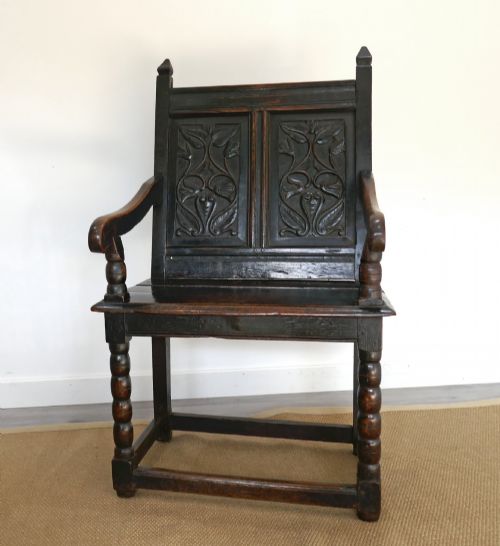
- Wainscot Chair
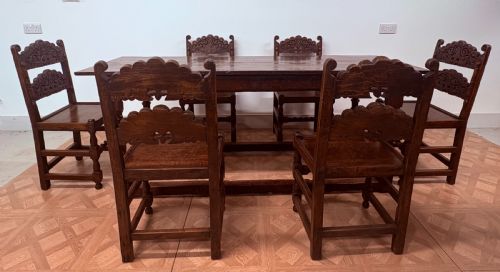
- A heavy wooden armchair constructed with panelled backs and solid wooden seats. They typically indicate higher status within early domestic interiors.
- Coffer
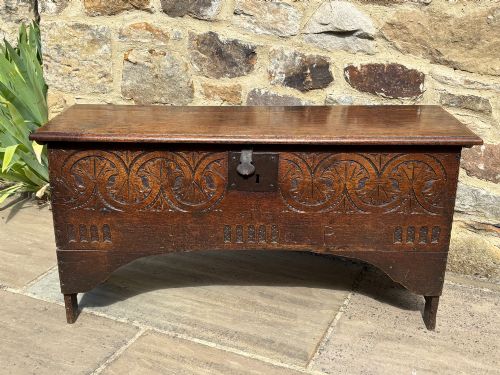
- A large wooden chest used for storage, constructed with plank or panelled sides and often fitted with a hinged lid. They frequently held household textiles and valuables.
- Gateleg Table
- A table featuring drop leaves supported by hinged legs that swing outward like a gate. This design allowed tables to expand for dining and fold down when not in use.
- Patina
- The deep surface sheen and mellow colour developed by timber over centuries of handling, exposure, and polishing. It serves as an indicator of age and continuous use.
Charles I Oak Furniture: Frequently Asked Questions
How do I identify a genuine seventeenth-century joint stool?
Examine the underframe for traditional pegged mortise and tenon joinery and look for genuine wear patterns on the feet where the timber touched stone or earthen floors.
Check that the wood shows consistent colour and authentic surface texture without modern machine marks or uniform chemical staining.
What is the difference between a coffer and a chest of drawers?
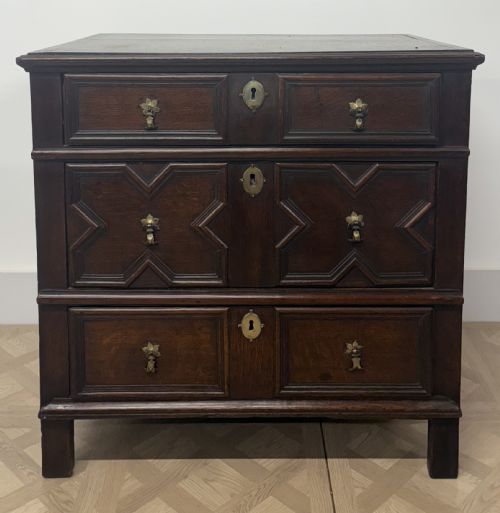
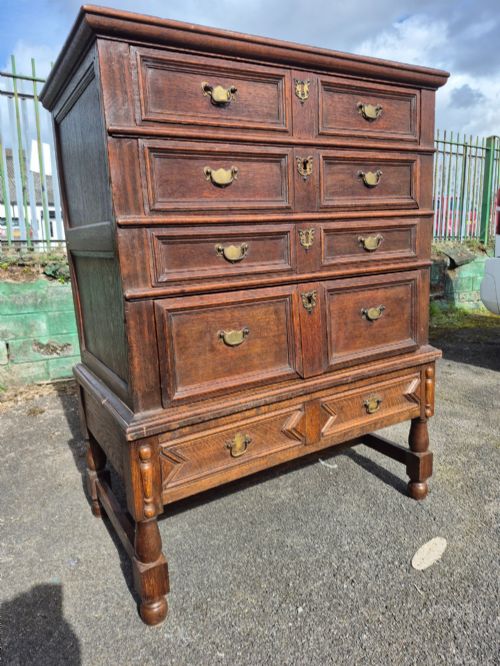
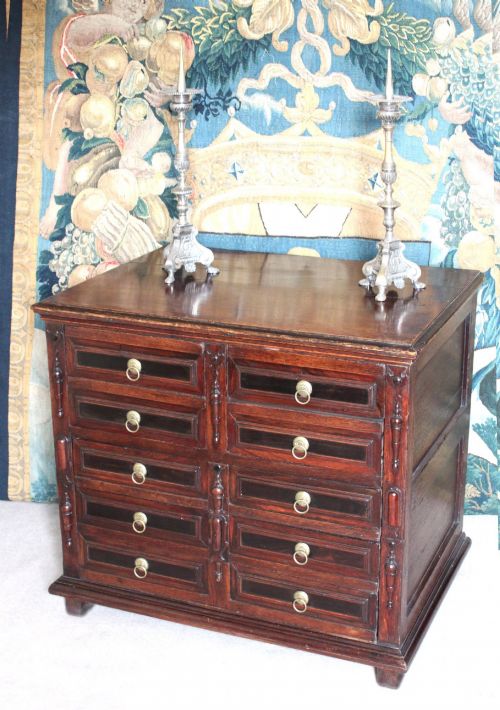
A coffer is an early storage chest accessed via a hinged lid on the top, whereas a chest of drawers incorporates pull-out drawers set into a vertical carcase.
Coffers represent an earlier storage method, while drawer chests became more common toward the later part of the seventeenth century.
How should I care for antique oak furniture?
Keep timber pieces away from direct heat sources and drastic humidity shifts to prevent the solid oak panels from splitting or warping.
Apply occasional traditional wax polish and buff gently with a soft cloth to maintain the natural surface finish without sealing the pores.
Can I use a wainscot chair for daily seating?
These rigid wooden chairs were built for durability, but their upright backs and solid wooden seats offer a firm sit rather than modern cushioned comfort.
Ensure the structural joints remain tight before regular use, as centuries-old pegging can loosen over time.