


Carved Wooden Coffer Cupboard
These carved wooden coffer cupboard examples bring enduring storage and historical character to a room through centuries of traditional craftsmanship.
Carved Wooden Coffer Cupboard
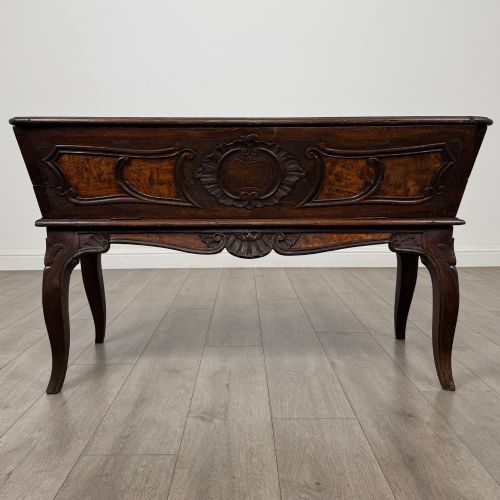
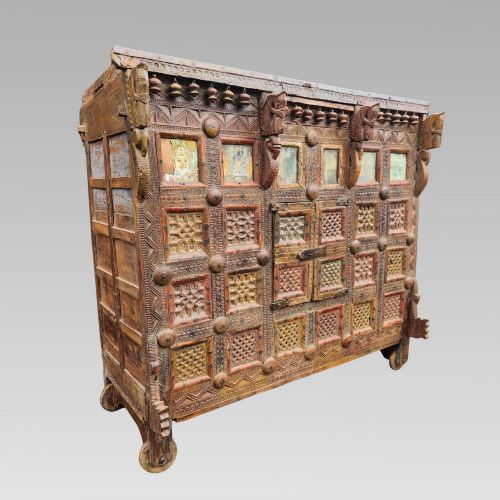
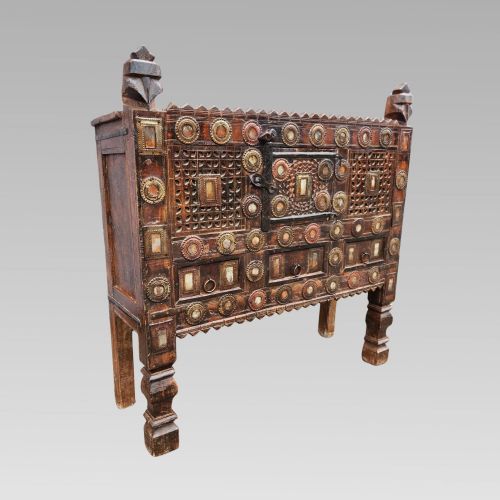
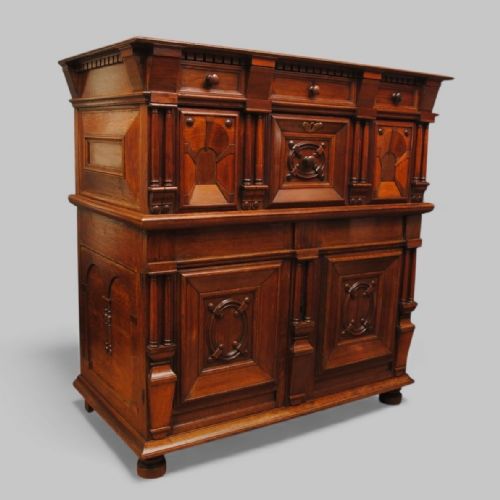
A carved wooden coffer cupboard encompasses a diverse range of historic storage furniture, from seventeenth-century oak court cupboards to nineteenth-century French dough bins and Indian dowry chests. Buyers exploring this search phrase encounter pieces designed for utilitarian storage that display regional carving traditions and domestic utility.
The selection frequently includes seventeenth-century joined and court cupboards alongside nineteenth-century examples in walnut, fruitwood, and teak. Alongside these European forms, pieces from Chinese and Anglo-Indian traditions appear, reflecting distinct regional styles and cabinet-making methods.
Forms span from low dough bins and small cabinets to monumental storage chests and press cupboards. Each variant serves a specific storage purpose while presenting distinct period ornamentation ranging from Jacobean motifs to traditional Chinese lacquer work.
Materials and Construction
Construction relies heavily on traditional timber selection, prominently featuring oak, walnut, teak, and fruitwood. Carpenters utilised durable hardwoods to build robust frames capable of enduring centuries of domestic use.
Decoration is achieved through hand carving, applied mouldings, and joinery techniques appropriate to the period of origin. Surface treatments also incorporate red lacquer and brass or iron hardware to secure doors and compartments.
Several pieces double as dough storage, proving our ancestors took their bread just as seriously as their joinery.
Assessing Quality and Character
Quality reveals itself in the integrity of the timber framing, the precision of the joinery, and the depth of the hand carving. Pieces retaining their original hardware and structural stability command greater appreciation from collectors.
The distinction between standard utility items and finer examples often rests on the sophistication of the regional style and the preservation of the original surface finish, whether polished wood or historic lacquer.
The Carved Wooden Coffer Cupboard Glossary
- Court cupboard
- An antique enclosed piece of furniture used for storing and displaying plate, typically featuring upper and lower tiers with carved decoration. These seventeenth-century forms represent significant developments in domestic joinery.
- Dough bin
- A domestic storage chest traditionally used for preparing bread dough, often fitted with a hinged lid and integrated into everyday rural kitchens. Nineteenth-century variants frequently combine this function with cupboard storage.
- Damchiya
- A traditional Indian dowry chest designed for domestic storage, characterised by dense hand carvings and sturdy teak construction. These storage cabinets reflect specific regional folk art traditions.
- Linen press
- A tall piece of furniture designed for storing folded textiles and linens, featuring internal shelving or sliding trays enclosed by panelled doors. Miniature versions demonstrate the same cabinet-making standards on a smaller scale.
- Joined cupboard
- A heavy wooden storage piece constructed using mortise and tenon joints secured by wooden pegs rather than metal nails. This method typifies seventeenth-century cabinet-making.
Carved Wooden Coffer Cupboard: Frequently Asked Questions
What is a court cupboard?
A court cupboard is a formal seventeenth-century storage piece featuring enclosed compartments and tiers used historically for displaying valuables and plate. These joined oak structures display characteristic period carving.
They function today as prominent focal storage pieces in traditional interiors, offering substantial shelving behind robust panelled doors.
How do Indian damchiya chests differ from European cupboards?
Indian damchiya chests are traditional dowry storage cabinets constructed primarily from teak with dense, intricate hand carvings reflecting regional folk art. They differ from European forms through their distinct decorative motifs and specific cultural utility.
These pieces serve as decorative focal points in modern rooms while providing enclosed chest storage.
What timber was used for early cupboards?
Early cupboards predominantly utilised native oak, walnut, and fruitwood, selected for their structural strength and availability to seventeenth-century carpenters. These dense hardwoods formed the basis of joined furniture.
Over subsequent centuries, cabinet-makers expanded their material palette to include imported teak and specialised hardwoods found in colonial pieces.
How should I live with an antique storage cabinet?
Living with these historic storage pieces involves placing them away from direct heat sources and sudden humidity changes to protect the aged timber. Regular gentle dusting preserves the surface condition of the wood and lacquer.
They integrate into living spaces and hallways as functional storage units that display centuries of woodworking tradition.
How do I identify a seventeenth-century piece?
Seventeenth-century pieces are identified by heavy joined oak construction, peg fastenings, and characteristic motifs such as Jacobean carving. The absence of modern metal screws and the presence of hand-planed boards indicate this early period.
Examining the interior construction and timber shrinkage patterns helps confirm the age and authenticity of these early cupboards.