

Ceramic Pitcher Jug
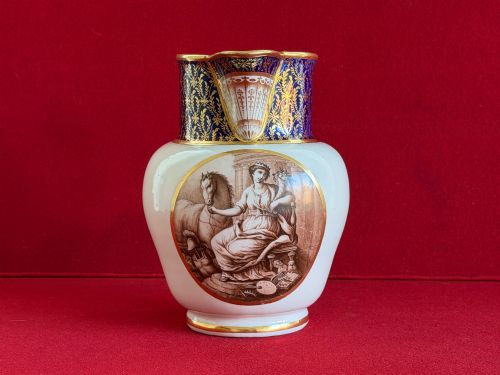
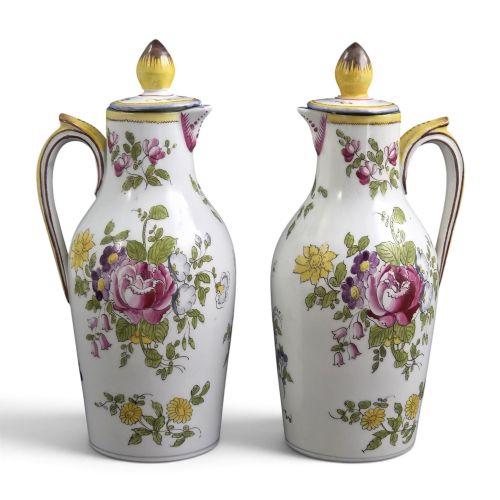
These ceramic pitcher jug examples span centuries of earthenware, porcelain, and stoneware production, offering functional vessels designed for pouring.
Ceramic Pitcher Jug
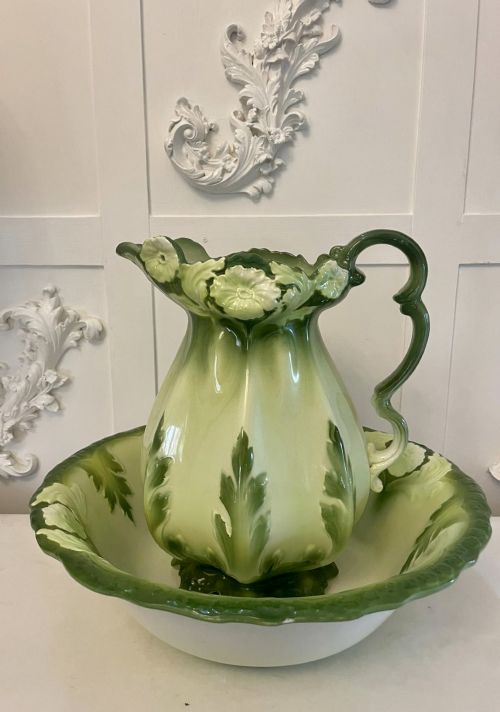
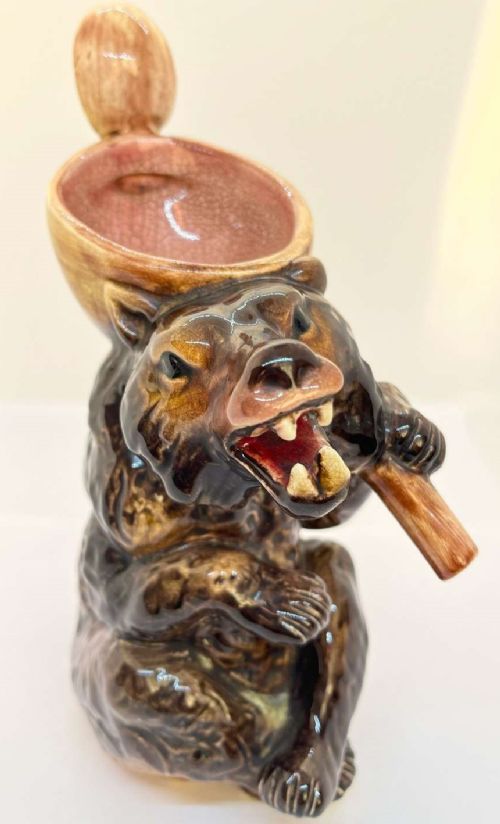
A ceramic pitcher jug functions primarily as a vessel for holding and pouring liquids such as water, milk, or cream. The selection includes forms ranging from small creamers and milk jugs to large decorative ewers and commemorative vessels.
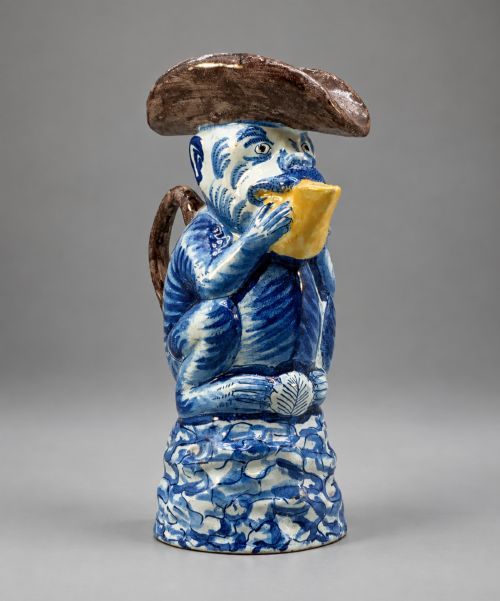
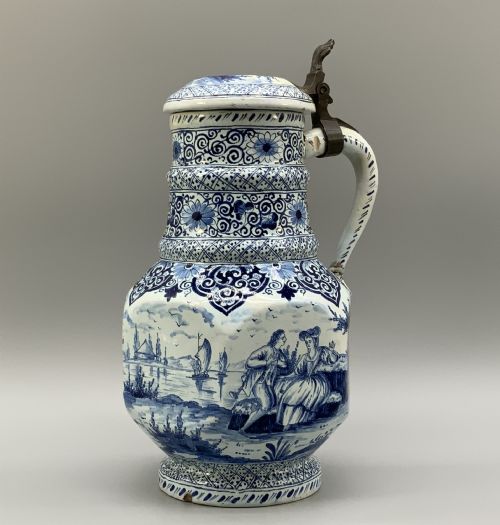
The periods represented stretch from the eighteenth century through the Victorian era and into the early twentieth century. Common stylistic origins include Staffordshire potteries, Dutch Delftware, and English earthenware production.
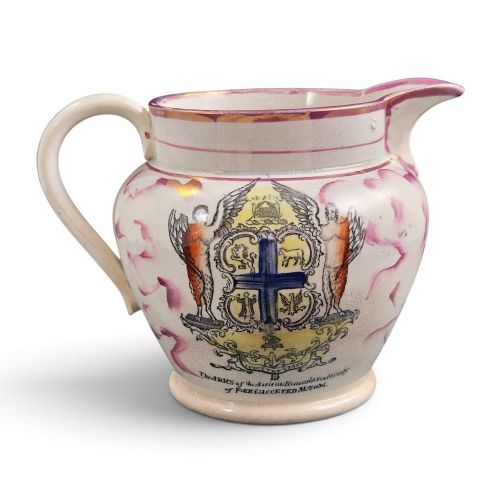
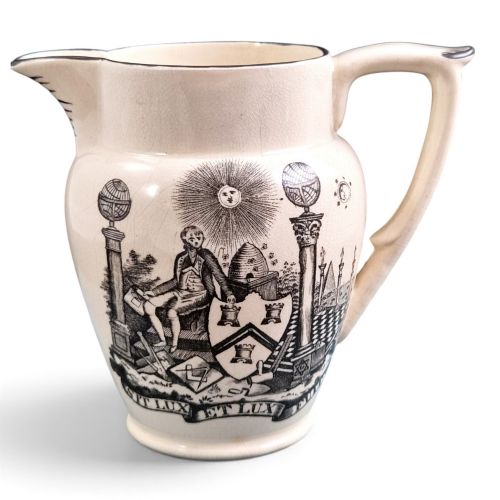
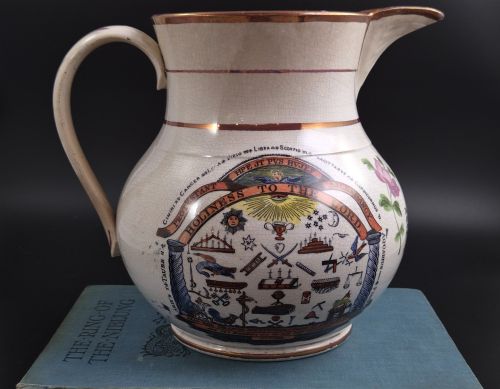
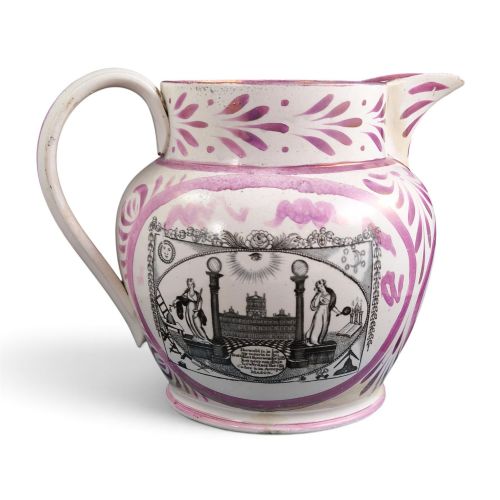
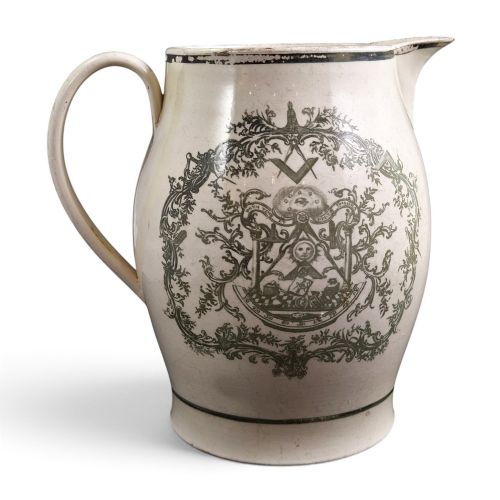
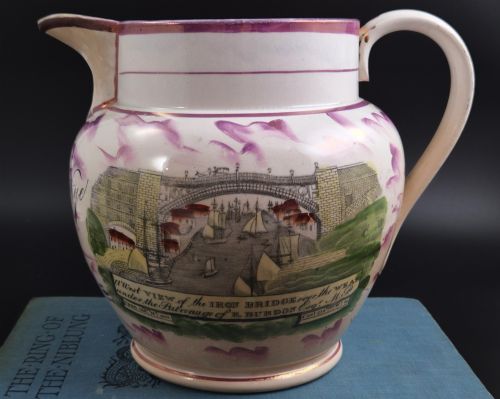
Makers and regional potteries utilised specific patterns and transfers, such as Masonic emblems, maritime themes, and botanical motifs. Buyers encounter both utilitarian kitchen vessels and highly ornate display pieces.
Materials and methods
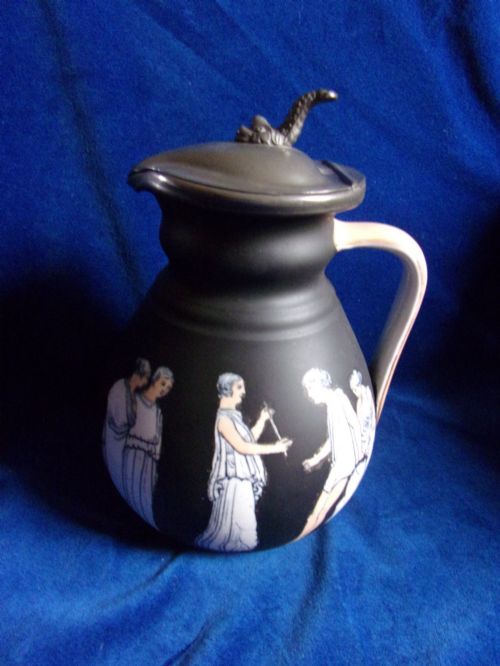
Potters shaped these vessels using earthenware, creamware, ironstone, and porcelain bodies, often finishing the surfaces with transparent or opaque glazes. Many examples feature transfer-printed designs in black or blue applied beneath or over the glaze.
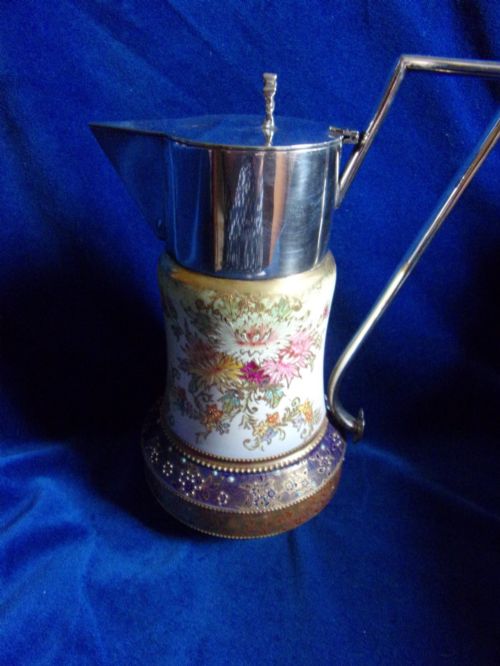
Decoration frequently includes metallic lustres such as pink splash, enamel colours, and hand-painted polychrome details. Certain pieces incorporate moulded reliefs or incised patterns characteristic of specific ceramic traditions.
A pre-Columbian ornithomorphic vessel offers a bird-shaped ceramic container created over two millennia before standard tea jugs emerged.
Assessing quality and execution
Quality depends on the crispness of the moulded details and the precision of the transfer print or hand-painted brushwork. Superior pieces display even glaze coverage without excessive pooling or dry patches on the body.
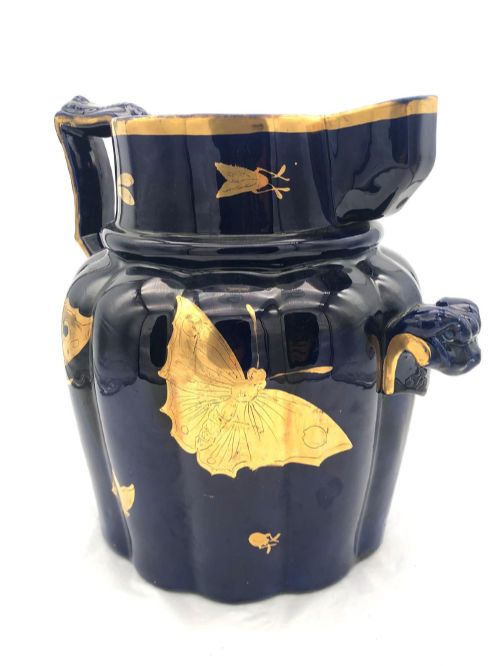
The weight and balance of the handle relative to the spout indicate the maker's technical skill. Early examples often show greater individual variation in form and glaze application compared to later factory-produced items.
Royal Doulton·Doulton Lambeth·Mason's Ironstone·Cantagalli Florence
The Ceramic Pitcher Jug Glossary
- Creamware
- A fine-grained earthenware developed in Yorkshire and Staffordshire during the eighteenth century, characterised by a pale cream-coloured glaze. It replaced heavier salt-glazed stonewares for domestic use.
- Lustreware
- Earthenware decorated with a metallic glaze that produces an iridescent sheen. Potters achieved this effect by applying thin layers of copper, silver, or gold compounds.
- Transfer printing
- A technique where an engraved copper plate transfers a design onto tissue paper, which is then pressed onto the ceramic body before firing. This allowed complex scenes to be replicated consistently.
- Ewers
- Large ornamental pitchers featuring a wide spout and a looped handle, often used for display or washing rather than serving beverages at the table.
Ceramic Pitcher Jug: Frequently Asked Questions
What is the difference between a jug and a pitcher?
In historical terminology, the words often describe similar pouring vessels with a handle and lip. Pitchers typically refer to larger vessels, while jugs encompass everything from small creamers to large water containers.
Regional preferences and periods often dictate which term appears in a title. Both categories serve the same fundamental pouring function.
Can these antique vessels still be used?
Many sturdy earthenware and ironstone vessels remain physically capable of holding liquids. However, crazing in the glaze can absorb liquids over time.
Collectors generally treat older porcelain and lustreware as display items to prevent staining or damage to fragile metallic surfaces.
What do Masonic symbols on nineteenth-century jugs indicate?
Masonic jugs were often commissioned for lodge use or to commemorate individual members. They feature iconography such as compasses, squares, and clipper ships.
These pieces reflect the social and fraternal culture of the nineteenth century, particularly within maritime and trades communities.