

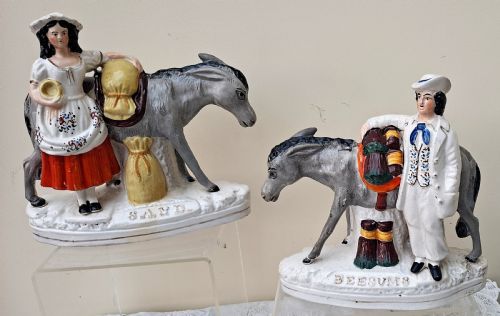


Ceramic Flatback Ornaments
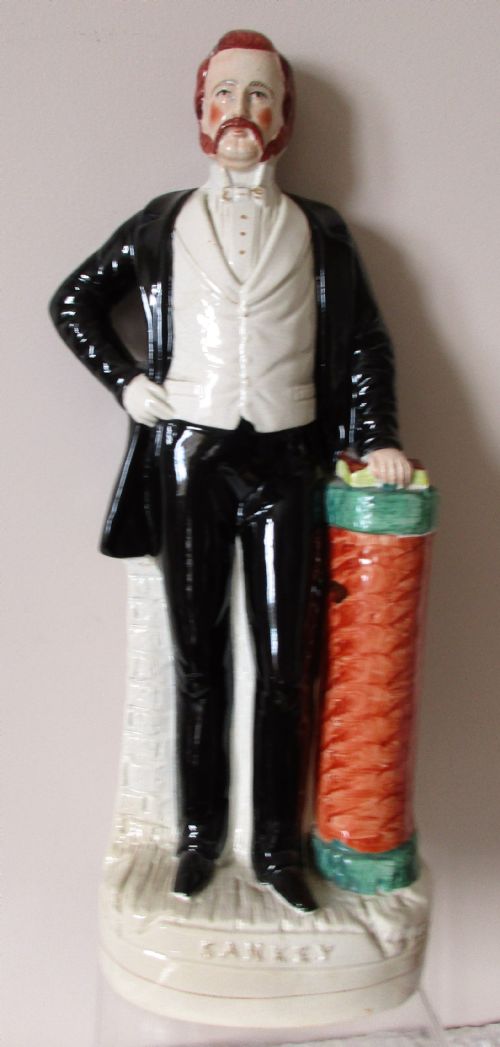
Ceramic flatback ornaments are characteristic nineteenth-century chimney-piece figures designed to show well from the front.
Ceramic Flatback Ornaments
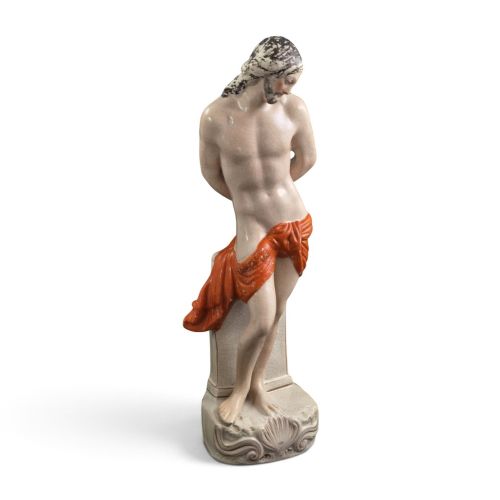
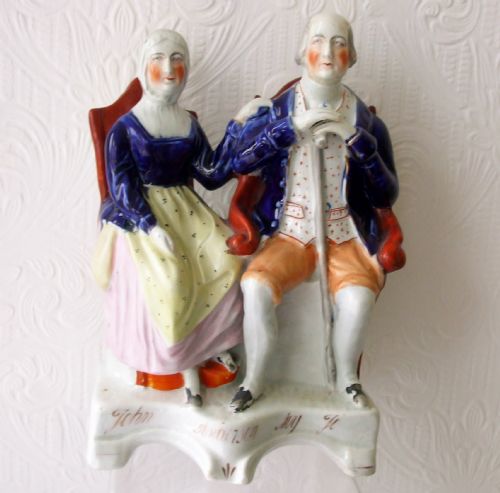
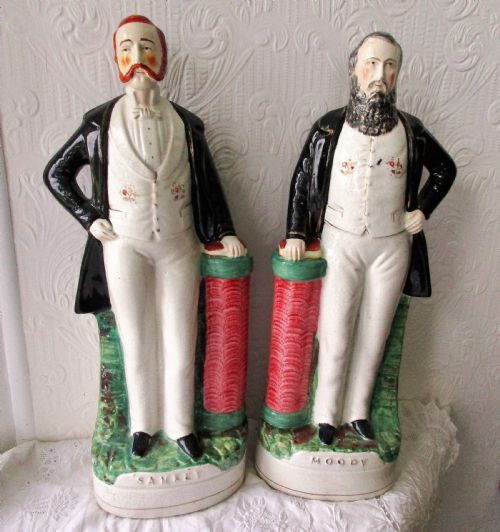
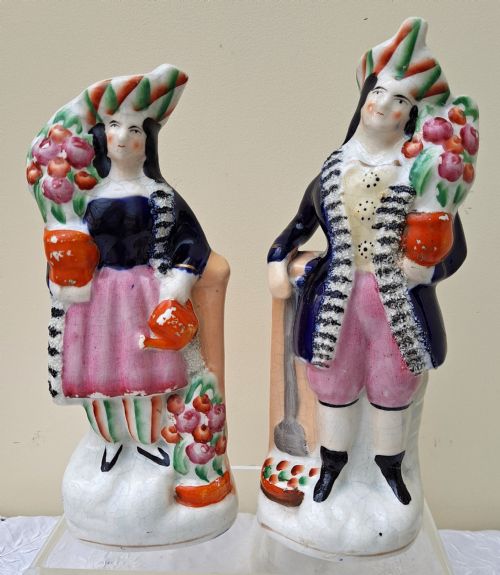
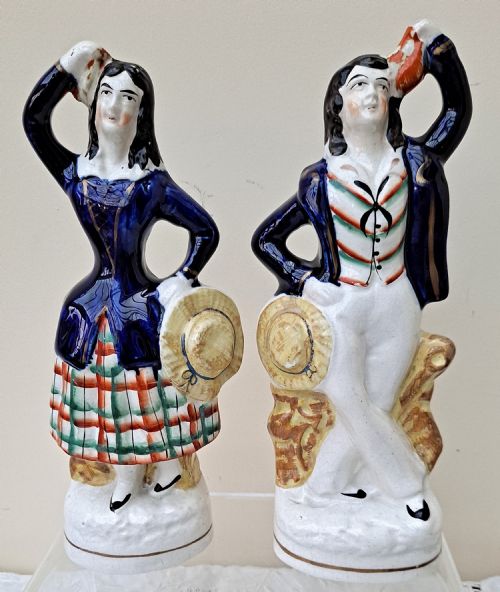
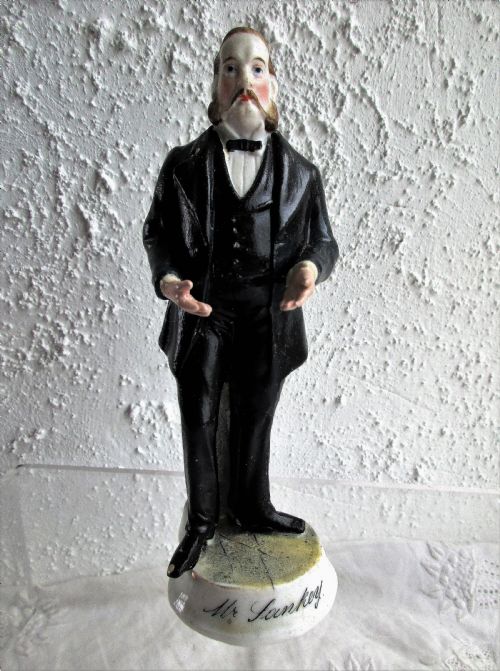
When you search for ceramic flatback ornaments, you encounter Victorian Staffordshire pottery produced across the nineteenth century. These pieces take the form of portrait figures, royal subjects, theatrical characters, animals, and cottages designed primarily for mantelpieces. The backs are typically left unglazed and flat because the pottery stood against a wall.
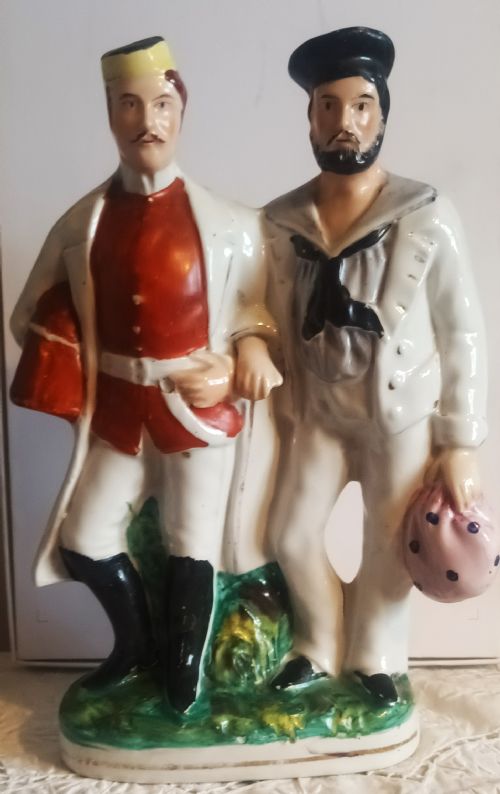
The selection ranges from solo figures and paired groupings to spill vases and money boxes. Subjects extend from military heroes and literary figures to domestic animals and rural dwellings. Most examples date from the middle to the late Victorian decades.
Materials and production methods
Moulds formed the body of each ornament, allowing potters to produce consistent shapes before manual painting. The flat back resulted from the moulding process and the practical need for the object to sit flush on a shelf.
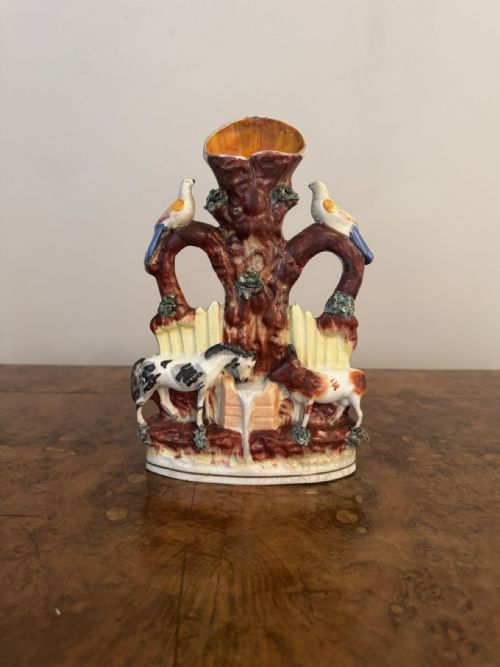
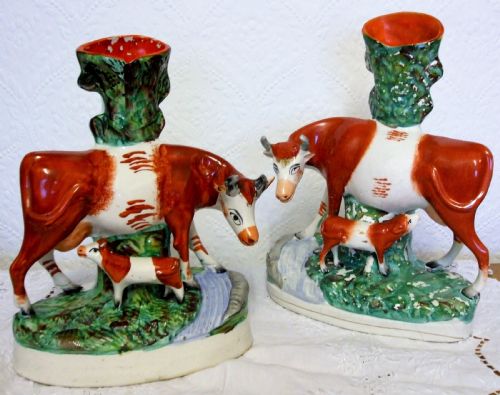
The inventory records Victorian Staffordshire subject matter including royal portraits, cottages, and spill vases.
Factors separating the grades
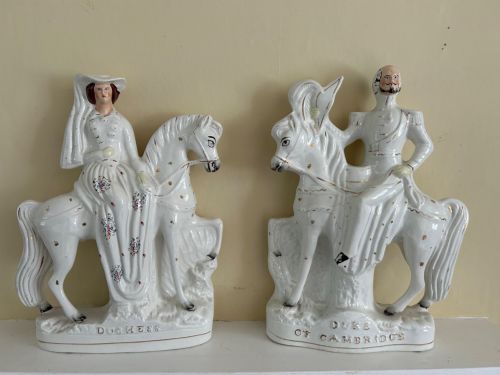
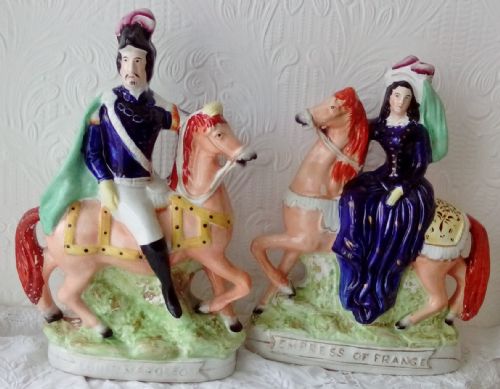
The scale and ambition of the subject also dictate standing, with large equestrian groups, complex theatrical pairs, and detailed castles demanding greater skill from the modeller than simple single figures.
The Ceramic Flatback Ornaments Glossary
- Flatback
- A ceramic figure modelled fully on the front and sides while the reverse remains flat and often unglazed. This design allowed the ornament to sit flat against a wall or mantelpiece.
- Spill vase
- A hollow ceramic cylinder incorporated into a figure group designed to hold wooden spills for lighting fires. These combine decorative portraiture with a domestic function.
- Earthenware
- Porous pottery fired at a moderate temperature and coated in glaze to ensure it holds water and resists wear. It forms the standard body for nineteenth-century Staffordshire figures.
- Enamel paint
- Coloured vitreous pigments applied to the surface of the ceramic for decoration. These paints were fixed by a secondary low-temperature firing.
Ceramic Flatback Ornaments: Frequently Asked Questions
What are ceramic flatback ornaments?
They are nineteenth-century earthenware figures designed with flat unglazed backs to sit against mantelpiece walls. Makers portrayed royalty, military heroes, theatrical characters, and everyday buildings.
These pieces were produced in Staffordshire to decorate Victorian homes. They functioned as accessible ornaments rather than high art.
How were flatback figures displayed?
Owners placed them on mantelpieces, ledges, and shelves where only the front and sides could be seen. Pairs were often arranged symmetrically at either side of a clock or centrepiece.
The flat reverse meant the ornament occupied minimal depth on narrow Victorian shelves. Many were grouped by theme, such as military pairs or royal portraits.
How do you date a flatback figure?
Dating relies on matching the subject matter to historical events, such as the Crimean War or royal weddings. Style, modelling characteristics, and the type of earthenware body also provide clues.
Most pieces date from the Victorian era between eighteen-fifty and nineteen-hundred. Specific political events or royal anniversaries supply a reliable terminus post quem for the design.
Are spill vases different from standard figures?
Spill vases include an integrated vertical cylinder intended to hold wooden spills for lighting pipes and candles. Standard figures lack this functional opening.
Both types share the same earthenware construction and enamel painting techniques. The presence of the vase simply added a practical domestic use to the mantelpiece ornament.