



Religious Portrait Figures
Religious portrait figures bring saints, biblical figures and notable preachers into domestic spaces through oil paintings, carved wood and pottery.
Religious Portrait Figures
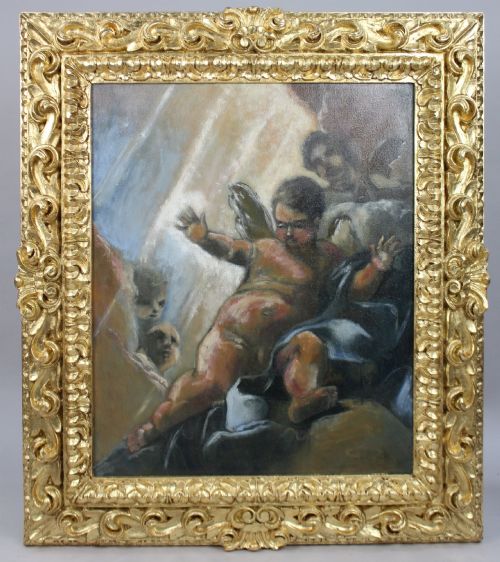
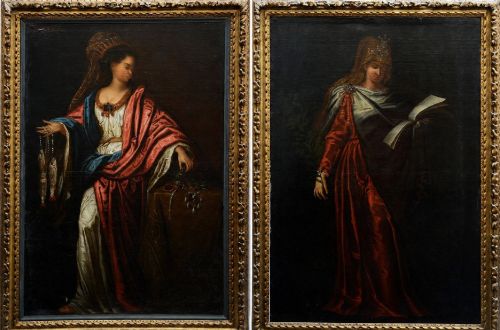
Religious portrait figures encompass oil paintings, pottery figurines, and carved wood sculptures depicting sacred subjects and notable personalities. When searching for religious portrait figures, buyers encounter diverse forms ranging from Victorian Staffordshire pottery pieces to 18th-century Italian carved statues and oil paintings on canvas.
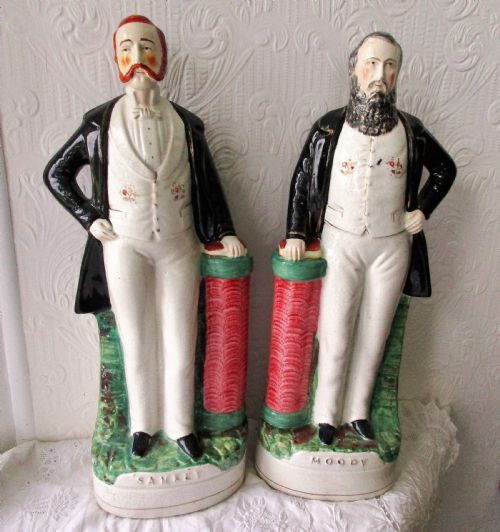
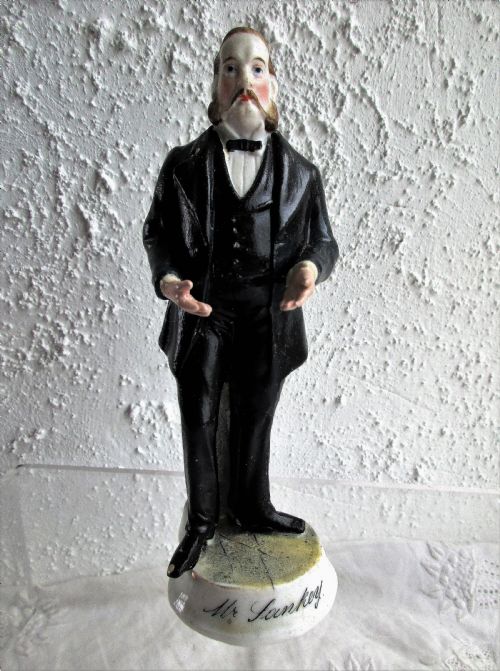
The selection includes specific portrayals such as the evangelists Moody and Sankey in pottery, alongside traditional depictions of the Madonna and Child, Mary Magdalene, and Saint John the Baptist. These pieces span the 18th, 19th, and 20th centuries, reflecting various revivals including Renaissance and Baroque styles.
Most items you will meet on this page lean towards 19th-century English Staffordshire pottery figures and 18th-century European oil paintings. They serve as tangible links to historical devotional practices and artistic interpretations of sacred narratives.
How they were made
Makers utilised oil paint on canvas to create detailed portrait paintings and devotional scenes, often incorporating carved giltwood frames. Earthenware and porcelain served as the primary media for pottery figures and figurines, finished with glaze and enamel details.
Materials represented across the inventory include oil on canvas, earthenware, porcelain, carved wood, giltwood, enamel, and glaze.
What varies in quality
The degree of refinement in facial expression and hand-painted detail separates standard pottery figures from finer examples. Superior oil paintings and carved wood pieces demonstrate greater mastery in anatomical proportion, drapery rendering, and the handling of light.
Frame craftsmanship and the preservation of original glazes, enamels, and polychrome surfaces dictate the overall standing of an individual piece.
The Religious Portrait Figures Glossary
- Polychrome
- Decorated in multiple colours. This technique appears on carved wood statues and pottery figures to give a lifelike appearance to garments and flesh.
- Staffordshire pottery
- Earthenware produced in the English county of Staffordshire. These figures often depict contemporary preachers or historical personalities.
- Giltwood
- Wood carved and coated with gold leaf or a gold-coloured finish. It frequently surrounds canvas paintings to enhance their visual weight.
- Enamel
- A glass-like substance fused to pottery or metal surfaces through firing. It provides vibrant and durable colouration on ceramic figures.
- Baroque
- An ornate artistic style characterised by dramatic movement and deep colour. Pieces in this tradition emphasise emotional intensity and grandeur.
Religious Portrait Figures: Frequently Asked Questions
What materials are common in these figures?
The pieces utilise materials such as earthenware, porcelain, oil paint on canvas, and carved wood. Enamel and glaze finish the ceramic items, while wood sculptures often feature polychrome surfaces.
Frames accompanying the oil paintings typically consist of carved giltwood.
How do I care for a painted wood carving?
Keep carved wood pieces away from direct sunlight and fluctuating humidity to protect the polychrome finish. Dust gently with a dry, soft cloth without applying harsh cleaning solutions.
Stable indoor temperatures prevent the wood from splitting and preserve the applied pigments.
Where were Staffordshire pottery figures displayed?
Victorian households placed these ceramic figures on mantelpieces, sideboards, and occasional tables. They commemorated prominent evangelists and familiar religious subjects for domestic viewing.
Owners arranged them in pairs or small groupings within sitting rooms.
What subjects appear in the oil paintings?
The canvases depict sacred narratives and figures including the Madonna and Child, Mary Magdalene, and David and Goliath. Several works follow the composition of earlier Renaissance masters.
Others portray historical and religious figures from specific European schools.