



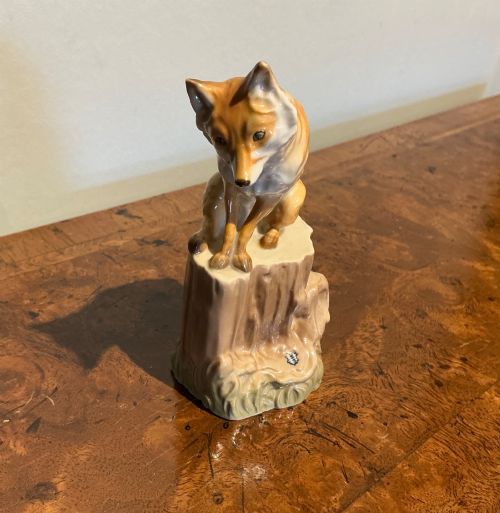
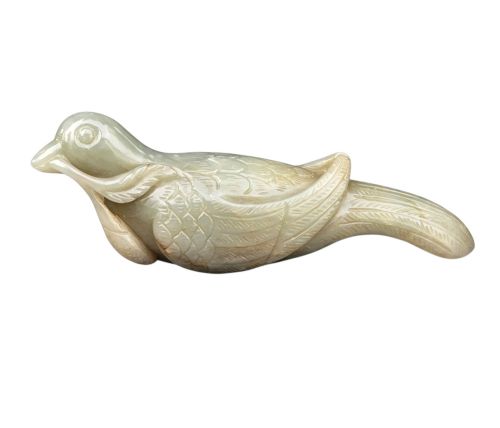
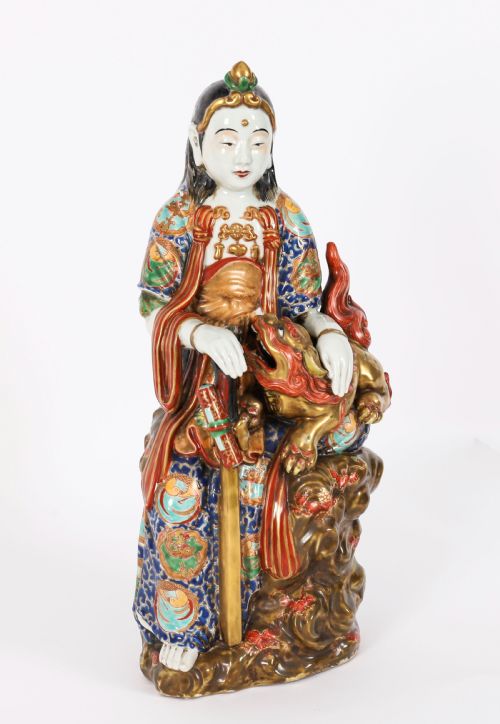

Ceramic Figure Sculpture
Ceramic figure sculpture brings character and history into a room, capturing human and animal forms in fired clay, porcelain and terracotta across centuries.
Ceramic Figure Sculpture
When you search for ceramic figure sculpture, you enter a diverse field encompassing everything from delicate European porcelain figures to robust earthenware and terracotta works. The selections available span multiple centuries, ranging from early archaeological pieces to Art Deco models and twentieth-century studio pottery.
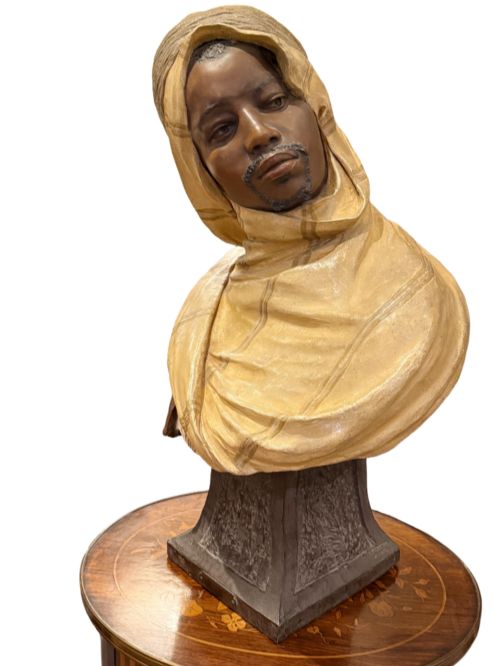
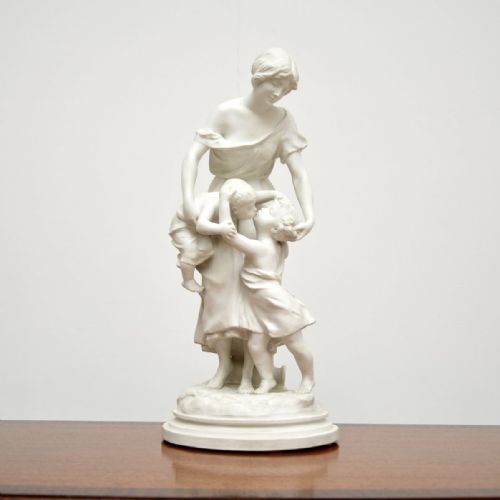
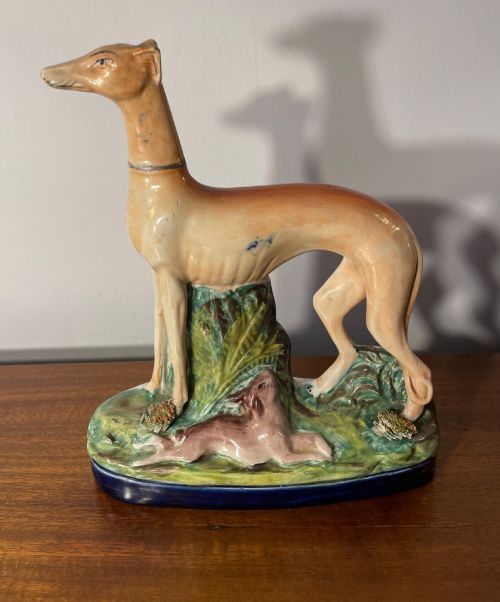
The most common examples you will encounter on this page include nineteenth-century porcelain groups, Staffordshire animals, and continental terracotta busts. Buyers seek these pieces to anchor a mantelpiece, enrich a cabinet collection, or introduce tactile texture and historic narrative to an interior space.
Materials and methods
Makers shaped these sculptures using various ceramic bodies, including hard-paste porcelain, earthenware, terracotta, and parian ware, often finishing surfaces with rich glazes, enamel decoration, or gold leaf. Figures were hand-sculpted, slip-cast in moulds, or pressed into sections before undergoing high-temperature kiln firing.
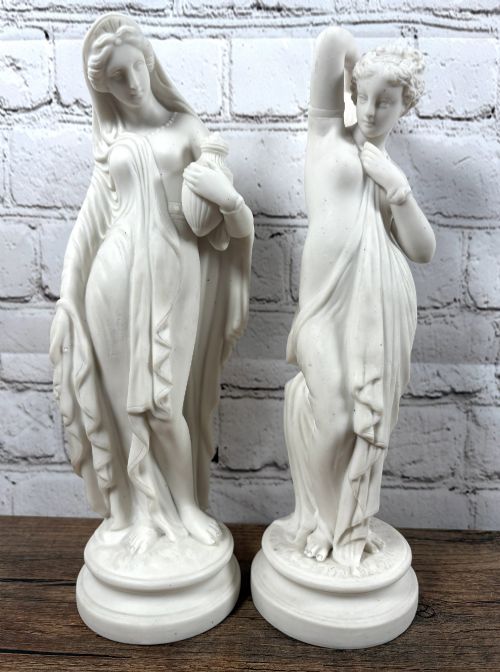
Details were frequently hand-modelled and painted separately before a final glaze firing fixed the colours. Parian ware required specialised porcelain casting to imitate carved white marble, while terracotta pieces relied on modelled clay left unglazed or painted with polychrome pigments.
Ceramic Figure Sculpture Retail Price Guide 2026
Typical asking prices for ceramic figure sculpture among the pieces listed under this phrase on Sellingantiques today, from the lower quarter to the upper quarter. They describe what is for sale here now, not the wider market.
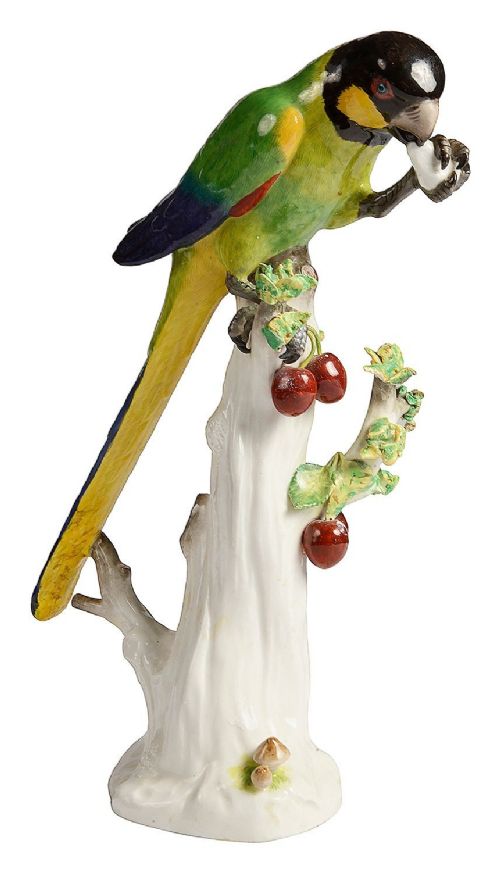
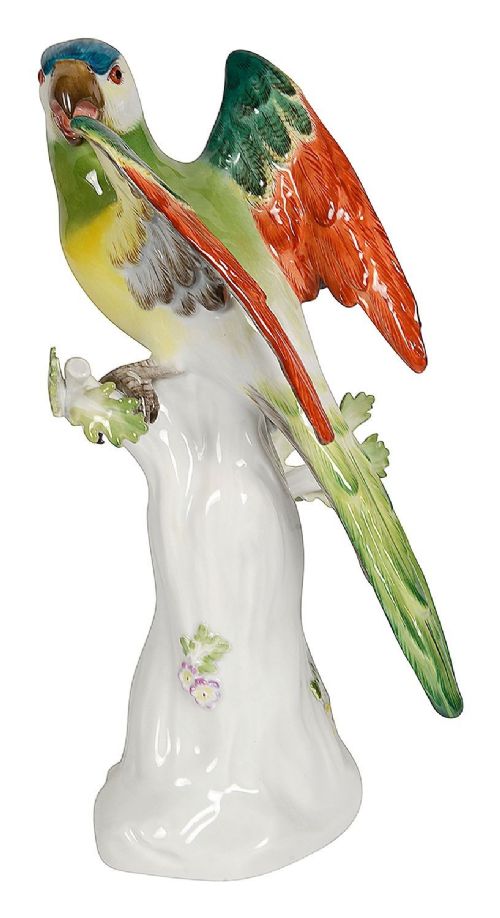
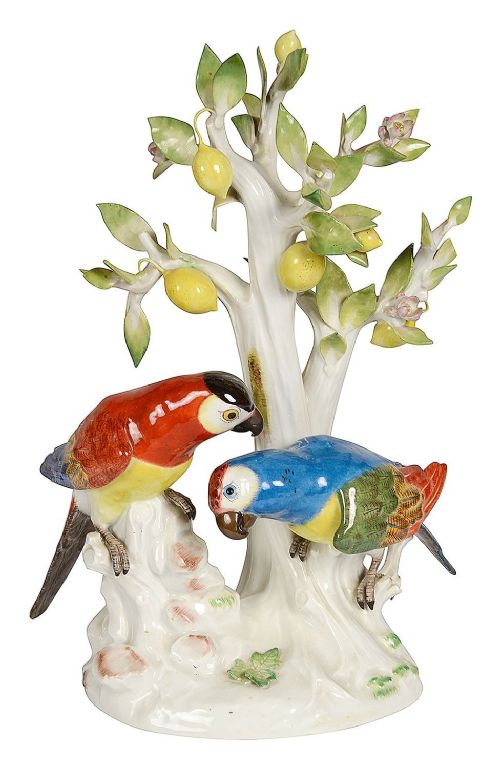
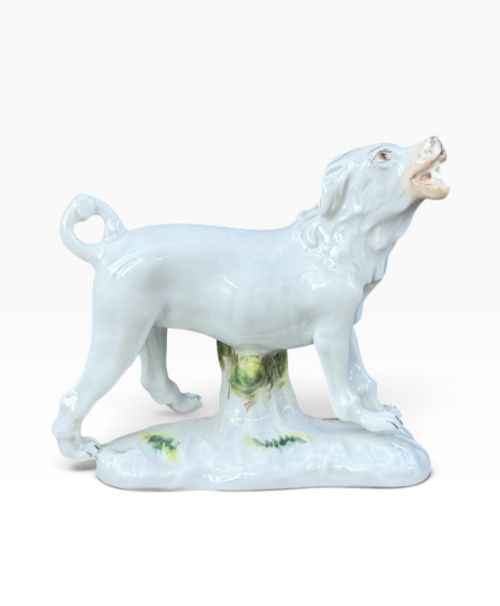
Ceramic pugs and parrots sit alongside mythological figures, proving that historic collectors loved domestic pets just as much as classical heroes.
Assessing quality and execution
At the lower end of the range, mass-produced figures show softened details from worn moulds, clumsy glaze application, and thick, heavy potting. The distinction lies in whether the ceramic material appears alive and responsive to the sculptor's touch or rigid and flat.
Goldscheider·Meissen·Royal Worcester·Charles Vyse·Royal Dux Bohemia
The Ceramic Figure Sculpture Glossary
- Bisque
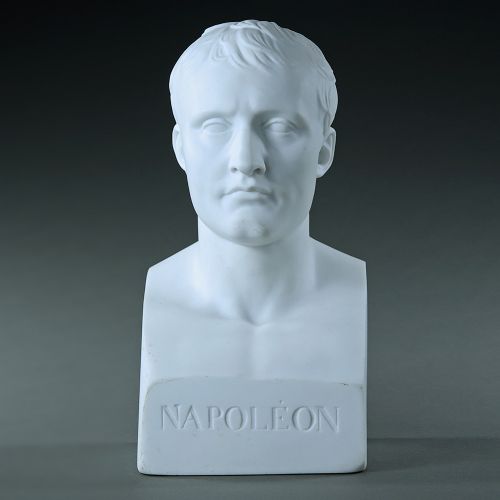
- Unglazed fired porcelain or ceramic material that presents a matte, marble-like surface texture. It was frequently used for nineteenth-century portrait busts and classical studies.
- Terracotta
- Fired brownish-red clay used extensively for sculptural models and architectural ornaments. It can be left matte or painted with polychrome finishes.
- Parian ware
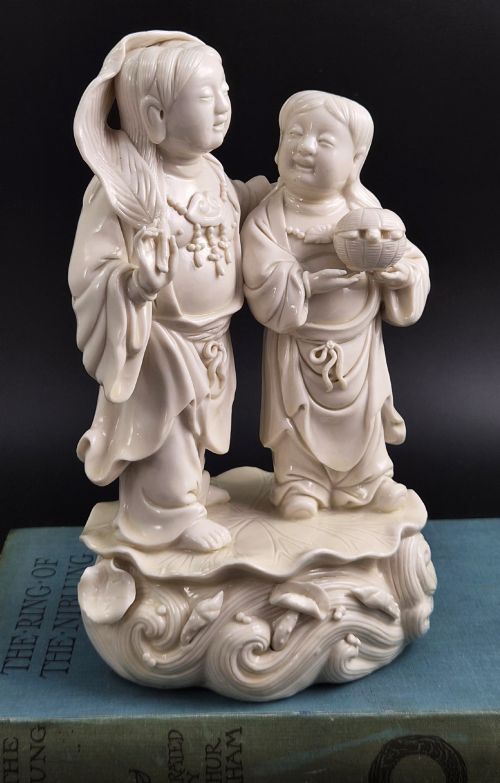
- A fine-grained white porcelain developed in the nineteenth century to imitate carved marble. It is particularly associated with classical figures and literary busts.
- Glaze
- A glassy coating fused to the ceramic body through kiln firing to seal the porous clay and add colour or shine. It ranges from glossy translucent layers to thick opaque enamels.
- Enamel
- Opaque glass-based colours applied over or under the glaze and fired at lower temperatures for decoration. It provides bright hues on porcelain and pottery surfaces.
Ceramic Figure Sculpture: Frequently Asked Questions
Where should I display these sculptures?
Place figures away from direct sunlight and high-traffic areas where they might be knocked or damaged. Stable wooden furniture or secure mantelpieces offer safe platforms for viewing.
Ensure shelves are level and not subject to vibrations from doors or heavy footsteps. Lighting should highlight the modelling without generating excessive heat near the ceramic body.
How are different periods told apart?
Stylistic clues, paste composition, and finish types indicate the era of manufacture. Neoclassical and Victorian figures lean towards classical drapery and white parian bodies, while Art Deco pieces use bold terracotta forms.
Examining the base for kiln marks, impressed numbers, and glaze characteristics helps confirm the period. Comparing known models from factories like Meissen or Royal Worcester provides a reliable benchmark.
Were these figures meant for display?
Most ceramic sculptures were created solely for decorative display on mantels, tables, and cabinets in middle and upper-class homes. Certain functional forms, such as water carriers or inkwells, combined utility with sculptural design.
Over time, changing interior fashions moved these pieces from formal drawing rooms to cabinet collections. Today, they function primarily as decorative art objects that reflect the aesthetic tastes of their time.