
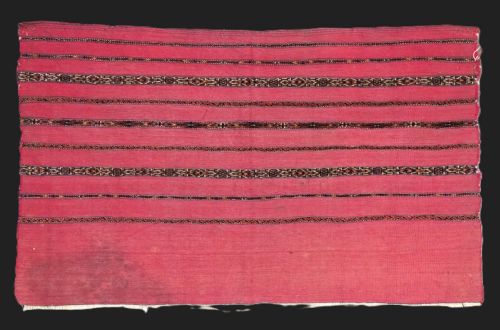
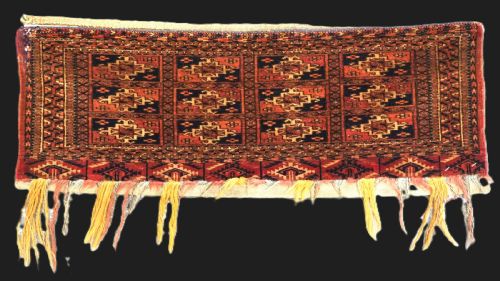


Century Turkmen Textile
A century turkmen textile brings the rich geometric weaving traditions of Central Asia directly into your interior.
Century Turkmen Textile
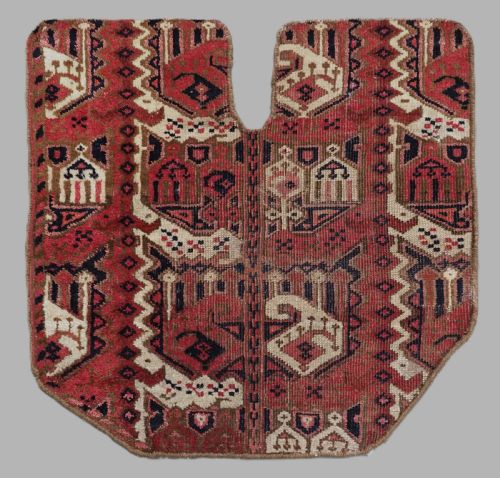
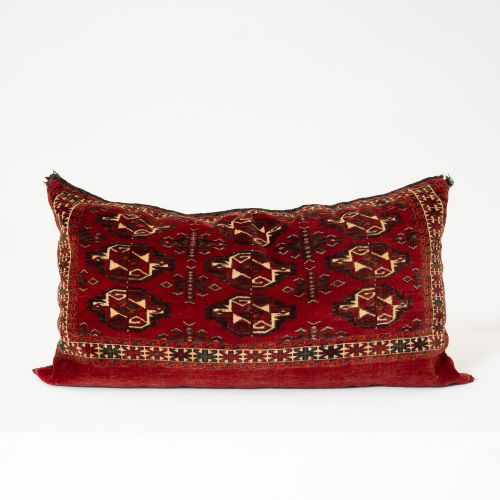
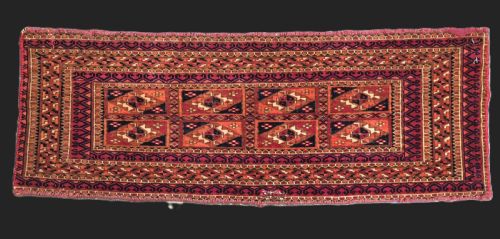
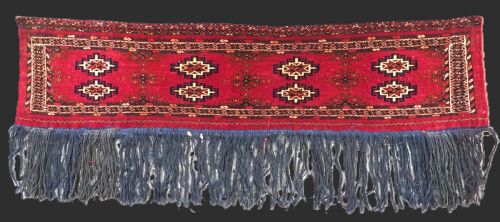
When searching for a century turkmen textile, a buyer encounters woven tribal artefacts spanning from the mid-nineteenth century into the early twentieth century. The selection on this page consists predominantly of smaller domestic and ceremonial items such as torba faces, chuval storage bags, and saddle rugs.
These nomadic tribal pieces stem from distinct groups including the Tekke, Ersari, Saryk, Yomut, and Salor peoples. They served practical functions within the yurt household, acting as storage containers, tent bands, or ceremonial horse trappings.
The aesthetic is defined by repeating geometric medallion motifs known as guls, rendered in deep palettes. Most items appearing here are fragments or complete faces preserved from nineteenth-century nomadic life.
Materials and Construction
Makers utilised wool, hand-spun wool, and cotton as the foundation materials for these woven items, occasionally incorporating silk for specific embroidery work like ceremonial coats. Natural dyes provided the deep chromatic range seen across the pieces.
The construction relies on dense knotting techniques executed by tribal weavers in Central Asia. Many examples display a very fine weave structure designed to withstand heavy daily use within nomadic settlements.
Listings feature wool, cotton, and natural dyes applied across nineteenth-century nomadic tribal formats.
Judging Quality
Quality rests upon the precision of the drawing and the density of the weave. Pieces exhibiting exceptionally fine knotting and clear geometric symmetry represent the higher tier of tribal output.
Tekke Turkmen·Ersari Turkmen·Saryk Turkmen·Yomut Turkmen·Salor Turkmen
The Century Turkmen Textile Glossary
- Gul
- A primary medallion motif repeated across tribal weavings. Different tribal groups utilised distinct gul patterns for identification.
- Torba
- A small storage bag utilised within the nomadic tent. These rectangular pieces frequently feature detailed face panels.
- Chuval
- A large storage sack used for household bedding and possessions. They display multiple rows of guls across the surface.
- Okbash
- A decorative tent pole bag designed to cover the upper terminals of wooden struts inside the dwelling.
Century Turkmen Textile: Frequently Asked Questions
What is a torba?
A torba is a small storage bag made by nomadic weavers for use inside the tent. They were typically hung against the lattice walls to hold small possessions.
Most surviving examples seen today are the decorative face panels rather than complete bags with their original wool or cotton backs intact.
How were these textiles used?
These woven pieces served practical domestic and ceremonial purposes within Central Asian tribal life. Families utilised them as storage sacks for bedding, tent band fastenings, and horse covers during weddings.
Their construction combined durable utility with intricate tribal symbolism passed down through generations of weavers.
What are guls?
Guls are repeating geometric medallion motifs that form the primary pattern across Turkmen weaving. Each tribal group favoured specific gul designs to denote their heritage.
Examples include the aynagul, kepsegul, and chuval gul variations seen throughout nineteenth-century pieces.
How do I care for a textile?
Keep textile pieces away from direct sunlight to protect the natural dyes from fading over time. Gentle vacuuming with a low suction setting across a mesh screen helps remove accumulated dust.
Avoid hanging heavy items by isolated points to prevent structural strain along the wool and cotton foundation.